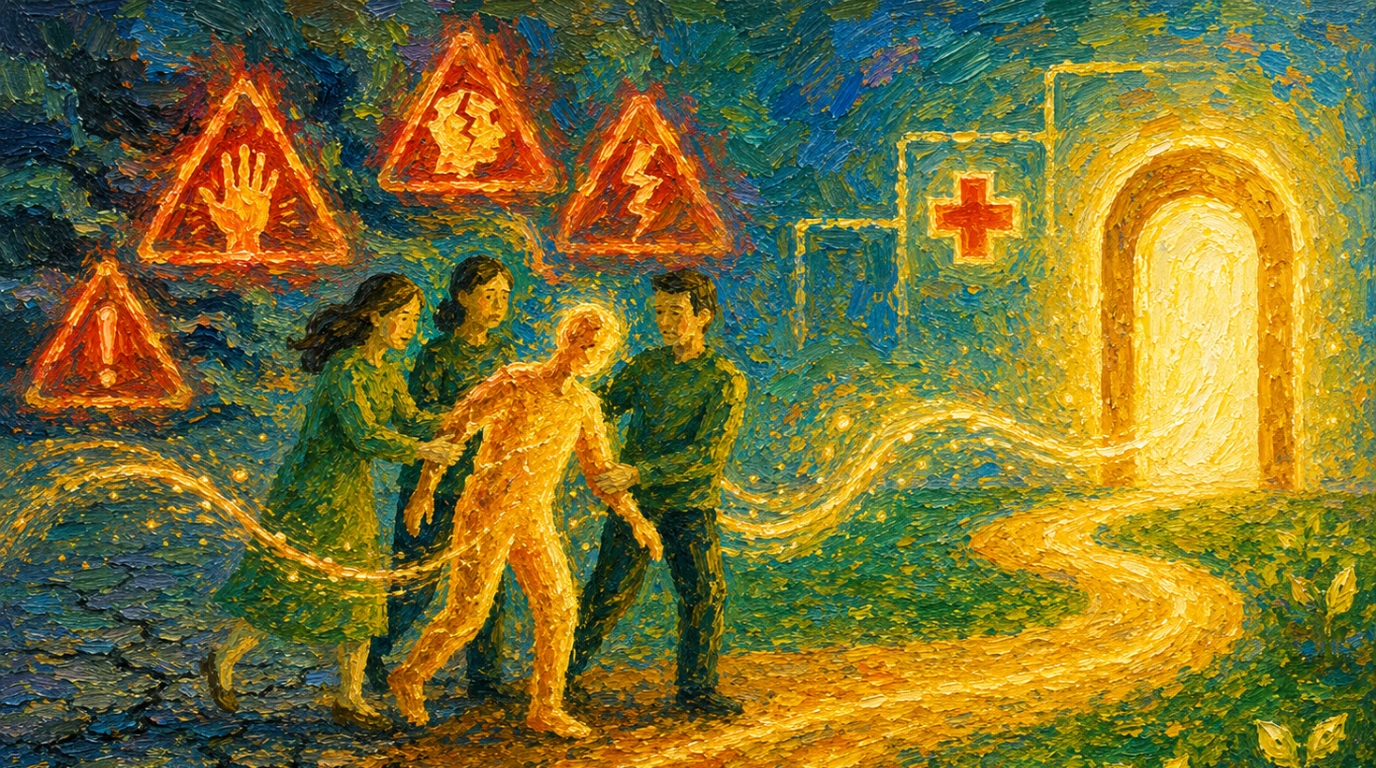
Withdrawal Timeline: What to Expect in the First 30 Days
A clinician-guided withdrawal timeline 30 days long. Day-by-day signs for alcohol, opioids, benzos, and stimulants. When to seek urgent help.
Withdrawal Timeline: What to Expect in the First 30 Days
The first 30 days set the tone for every recovery that follows. They are also the most dangerous.
A clear withdrawal timeline 30 days long helps you plan, prepare, and stay safe. It tells you which day to expect tremors. It tells you which day cravings will spike. It tells you which day to call a doctor without waiting. And it tells you which signs mean an ambulance, not a thermometer.
This guide walks you through substance withdrawal day by day. It covers alcohol, opioids, benzos, and stimulants. It flags the red signs that mean hospital, not home. It also ends with what month two should feel like.
We write this as clinicians, not cheerleaders. The detox timeline is uneven. Some days will feel like progress. Other days will feel like relapse. Both are part of healing. Both are part of the brain finding a new normal.
Below, you will see what happens during withdrawal in week one. Then weeks two, three, and four. We will share when medical detox is not optional. We will share what each day looks like at home, in a hospital, and in a residential centre.
If you are reading this for a family member, that is wise. Most safe detoxes work because someone close insists on the right care. We will tell you what to watch for and when to act. We will also tell you when to step back and let the clinical team take over.
Recovery is not a straight line. The 30-day window is the foundation, not the finish. But the foundation matters most.
The First 72 Hours: Why They Matter Most
The first three days are when most acute danger lives.
Heart rate climbs. Blood pressure swings. Sleep breaks. Tremors begin. Sweating gets heavy. The body misses the substance and fights back hard. The brain wants its old chemistry. It signals every system at once.
For short-acting opioids like heroin, symptoms start 8 to 24 hours after the last dose. The body aches first. Then the gut turns. The skin crawls. Sleep is gone.
For benzos, day one to day four is the slow start. Real intensity arrives in week two. Seizure risk is real for long-term users, even on small doses. Many users are caught off guard by the delay.
Stimulant withdrawal looks different. The body crashes. Sleep is heavy. Mood drops fast. Suicide risk peaks here, not later. Family must stay close in this stretch.
A medical detox in the first 72 hours is the single biggest predictor of survival for severe cases. It is also where most clients change their mind and go back. A locked-in plan helps. So does family support and a calm room. So does access to a doctor day and night.
Many Indian families try one home detox first. It often fails or ends in an emergency room. The second time around, a centre stay feels like the right call. We urge families to skip the first trial. Start with care.
Q: Why is the first 72 hours the riskiest stretch? A: This is when the brain and body react hardest to the missing substance. Seizures, DTs, and heart strain cluster in this window. Medical detox in a centre is the safest path. Home detox here can be fatal for alcohol or benzos.
Alcohol Withdrawal: Day-by-Day in 30 Days
Alcohol withdrawal is the most studied and the most lethal.
The detox timeline follows a sharp curve. Symptoms peak fast. Then they settle. But the brain takes much longer to heal. Sleep, mood, and focus can stay off for weeks.
Day 1 (6 to 12 hours after last drink). Anxiety. Shaky hands. Sweats. Mild nausea. Trouble sleeping. Heart rate climbs. Blood pressure rises. The person feels restless and on edge. Some get headaches and mild stomach upset.
Day 2 (12 to 48 hours). Tremors get worse. Some people see or hear things that are not there. This is alcoholic hallucinosis. Seizure risk is highest here. Heart rate may stay high. Many patients cannot eat.
Day 3 (48 to 72 hours). Peak danger. DTs can begin. Confusion. Fever. Racing pulse. Severe agitation. This is a medical emergency, every time. The person needs a hospital bed and a doctor on call.
Days 4 to 7. Acute signs fade. Sleep is still poor. Anxiety stays high. Most patients stabilise on benzos under monitoring. Thiamine and fluids run alongside. Liver tests get checked. Food intake slowly returns.
Week 2. Post-acute withdrawal begins. Mood swings. Brain fog. Cravings come in waves. Some patients feel they are getting worse. They are not. The brain is rewiring its reward and stress systems.
Week 3. Sleep starts to mend. Appetite returns. Energy is uneven. Many clients begin to engage with therapy in earnest now. Family visits become helpful, not just emotional.
Week 4. Thinking sharpens. Cravings still hit, mostly around old triggers. Therapy work deepens here. Relapse risk shifts from medical to psychological. Now the work is about new habits and a new life.
Medical detox is not optional for anyone with a long history of heavy drinking. Indian Psychiatric Society guidelines note that supervised inpatient detox cuts mortality and seizure rates sharply. (Indian Psychiatric Society Guidelines, NCBI PMC) It also keeps the person away from the bottle in the most fragile window.
The CIWA-Ar scale is used at NIMHANS and most Indian de-addiction wards. CIWA-Ar stands for Clinical Institute Withdrawal Assessment for Alcohol. Scores guide dosing. Higher scores mean more medicine. Lower scores mean a faster taper.
Most Indian hospitals use chlordiazepoxide or lorazepam for symptom control. Both ease tremors, lower seizure risk, and help sleep. Doses taper down over five to ten days. Some patients also need anti-seizure meds.
Q: Can I detox from alcohol at home? A: No, not if you have been drinking heavily for months. Home detox raises seizure and DT risk. Speak to a psychiatrist first. A short inpatient stay is far safer.
Opioid Withdrawal: Day-by-Day in 30 Days
Opioid withdrawal rarely kills. But it feels like it might.
The drugs include heroin, raw opium, pharmaceutical painkillers, and tramadol. Heroin and pharma opioids are the most used in India. Tramadol use has also risen sharply over the last decade.
Day 1 (8 to 24 hours for short-acting). Yawning. Watery eyes. Runny nose. Restless legs. Anxiety builds. Goosebumps come and go. Sleep slips away. Mild stomach cramps appear.
Day 2 to 3. Peak symptoms. Muscle cramps. Bone aches. Vomiting. Diarrhoea. Hot and cold flushes. Heart rate climbs. The face flushes. The body sweats and shivers in turns.
Day 4 to 7. Body symptoms ease. Sleep is still broken. Cravings are loud. Appetite is poor. Many patients feel weak. Some struggle with low mood for days.
Week 2. Mood is the main battle. Low energy. Anhedonia. Some people feel flat for weeks. This is when most home detoxes fail.
Week 3. Appetite picks up. Bowel movements normalise. Sleep starts to repair. Some social engagement returns. Family meals begin to feel possible again.
Week 4. Body feels mostly settled. Brain is still healing. This is the relapse-risk zone if therapy is not in place. Old friends and old places are the main threat.
Medication-assisted treatment, or MAT, helps a lot. Buprenorphine and naltrexone are used widely in India. They blunt cravings and lower relapse rates. NIMHANS, AIIMS, and most state de-addiction centres now offer MAT under government schemes.
Clonidine is also used to ease autonomic symptoms. So are anti-nausea and anti-diarrhoea meds. Hydration is critical. Many patients need IV fluids in the first two days. Vitamins and a soft diet also help.
The biggest myth in India is that opioid withdrawal can be muscled through alone. It can rarely be. Even strong adults need help with sleep, mood, and cravings. Pride costs lives. So does shame.
Q: Is opioid withdrawal life-threatening? A: It is rarely fatal in healthy adults. But dehydration, vomiting, and heart strain can cause harm. Pregnant women face higher risk. MAT under a clinician makes opioid detox far safer.
Benzodiazepine Withdrawal: The Long Burn
Benzo withdrawal is the slowest and most underestimated.
These drugs include diazepam, lorazepam, clonazepam, and alprazolam. Many people start them for sleep or anxiety, then cannot stop. The doctor who first prescribed often does not flag the taper plan. Years pass before the issue surfaces.
Day 1 to 4. Symptoms start slowly. Anxiety returns. Insomnia. Mild tremor. Some people feel almost fine here. That is misleading. The drug is still in the system.
Day 5 to 14. Peak intensity. Severe anxiety. Panic. Sensory changes. Tremors. Seizure risk is real for long-term users. Some patients feel like the world is unreal. Sound, light, and touch can feel sharper.
Week 3. Symptoms ease but stay. Sleep is broken. Mood dips. Some people feel waves of depersonalisation. Memory feels patchy. Old fears come back.
Week 4. Most physical signs fade. Anxiety lingers. Cognitive fog is common. Many clients also have other issues like depression. Care must treat both.
For long-term users, taper, not cold turkey. Sudden stopping of benzos can cause life-threatening seizures. NIMHANS and AIIMS both stress slow tapering under psychiatric care. The taper rate depends on dose and time on the drug.
Some users face protracted withdrawal. Symptoms can stretch months past day 30. This is normal and recoverable. The Ashton Manual is the most-cited taper protocol worldwide. Many Indian psychiatrists adapt it for local doses.
A typical Indian taper drops the dose by about 10% every two weeks. For short-acting benzos, doctors often switch to diazepam first. Diazepam has a long half-life. It eases the dips between doses. The body stops noticing the drug coming and going.
Family support matters here. Benzo withdrawal can look like the original anxiety problem returning. Many patients ask for more pills. Holding the taper is the kindest move, with a doctor close.
Q: Why is benzo withdrawal so drawn out? A: These drugs change brain receptors over months or years of use. The brain needs time to reset. A slow taper, often over 8 to 12 weeks, keeps the process safe and bearable.
Stimulant Withdrawal: Crash, Then Recover
Stimulants include cocaine, methamphetamine, MDMA, and some prescription drugs.
Withdrawal looks different from alcohol or opioids. There are no tremors. No vomiting. The risk is in the mind, not the body. That makes it easy to miss.
Day 1 to 3. The crash. Heavy sleep. Deep fatigue. Bigger appetite. Mood drops fast. Some people sleep 14 hours a day. They wake up tired.
Day 4 to 7. Anhedonia. Nothing feels good. Cravings rise. Suicide risk is real here. Family should not leave the person alone. A safe room and a removed phone help.
Week 2. Energy returns slowly. Sleep is still off. Mood is fragile. Old triggers feel huge. Music, places, and friends can pull the person back.
Week 3. Some lift in mood. Cravings come and go. Therapy work picks up. The person starts to plan their day.
Week 4. Sleep and appetite mostly normal. Triggers are the main risk. Relapse rates are high if therapy is missed. A solid aftercare plan matters here.
Suicide risk during stimulant withdrawal is well documented. Inpatient or close outpatient care is wise for the first two weeks. Many Indian clinicians admit stimulant users for at least seven days.
Therapy starts early. Contingency management has the best evidence for stimulant use disorders. CBT and motivational talks also help. Some clinicians add short courses of antidepressants when mood does not lift.
Sleep aid use is short and careful. Long-term sleep meds are a risk. They can swap one issue for another. Melatonin and good sleep habits work better in the long run.
Diet plays a bigger role than people expect. Stimulants suppress appetite for months or years. The body comes back hungry. A steady food plan helps mood and sleep alongside.
Q: Are there meds for stimulant withdrawal? A: No approved medicine exists for cocaine or meth withdrawal. Care focuses on safety, sleep, food, and therapy. Some clinicians use short-term sleep aids or antidepressants when needed.
Red-Flag Signs: When to Go to a Hospital
Some symptoms mean call an ambulance. Not later, now.
Seizures. Any seizure during withdrawal is an emergency. Risk peaks in days one to three for alcohol and benzos. Even one seizure raises the odds of another within 48 hours.
Confusion or hallucinations. With fever, this can be DTs. Mortality without care is high. The person may not know where they are. They may try to leave the room.
Fever above 101 F (38.3 C). Could mean DTs, infection, or autonomic crisis. Check for chest sounds and urine signs too. A fever in detox is never normal.
Heart racing or chest pain. Withdrawal strains the heart, mostly with alcohol or stimulants. People with prior heart disease are at higher risk. So are older adults.
Vomiting that will not stop. Causes dehydration, electrolyte loss, and aspiration risk. Add weakness or low blood pressure and it is urgent. IV fluids may be needed.
Severe agitation or thoughts of self-harm. Common in stimulant and opioid withdrawal. Always urgent. Do not leave the person alone. Remove sharp objects and pills from the room.
Tremor that gets worse, not better. A red flag for severe alcohol withdrawal. Pair with rising heart rate and call for help fast. Do not wait for daylight or the morning round.
In India, the nearest hospital with a psychiatry or de-addiction unit is the right choice. NIMHANS, AIIMS, and state mental health institutes all run withdrawal services. Most state capital cities have at least one such ward.
If no specialist unit is close, go to the nearest emergency room. Most general hospitals can stabilise alcohol withdrawal seizures and DTs with benzos and fluids. The patient can be moved later when stable.
Q: What should I tell the emergency team? A: Be honest. What substance. How much. How long. When the last use was. Lying delays the right care. Doctors do not judge. They treat.
Week-by-Week Mood and Brain Repair
The body settles in days. The brain takes longer.
Week 1. Acute physical signs dominate. Sleep is broken. Hormones swing. The brain is in shock. The reward system is offline.
Week 2. Post-acute withdrawal, or PAWS, begins. Mood dips. Cravings rise. Many people quit care here. This is the most common drop-out point. Family pressure to come home is high.
Week 3. Sleep mends. Appetite returns. Energy is uneven. Brain fog still hovers. Most clients start to feel like themselves in flashes. Hope returns.
Week 4. Thinking sharpens. Mood lifts in waves. Cravings come around old triggers, not all the time. The work shifts to therapy and life skills. Day 30 is a planning day.
Therapy makes the brain work go faster. CBT, DBT, and motivational talks all help. Family work matters too. Group therapy adds peer support. Mindfulness and yoga help the body relearn calm.
Sleep hygiene is gold. So is movement, even short walks. Food, sun, and a tight daily routine carry more weight than people think. Many clients feel best when their day looks the same each morning.
In rehab, this is when the day looks calmer on the outside but feels chaotic on the inside. Honest journaling helps. So does a good sponsor or therapist. So do small wins, named out loud.
The brain healing curve is uneven. Some days feel like real progress. Other days feel like square one. Both are normal. Both are temporary.
Q: Will I feel normal again at day 30? A: You will feel better than day 3 by a lot. You may not feel fully back. That is fine. Day 30 is a milestone, not a finish line.
Quick Facts: Substance Withdrawal in India
- 14.6% of Indians aged 10 to 75 use alcohol; 5.2% have dependent use needing detox. . - About 2.26 crore Indians use opioids; heroin and pharma opioids lead. . - Alcohol withdrawal seizures hit up to 15% of dependent users, mostly in the first 48 hours. . - DT mortality runs up to 37% without prompt care, near zero with it. . - Short-acting opioid withdrawal lasts 4 to 10 days; long-acting lasts 10 to 20 days. . - Only 1 in 38 people with alcohol use disorders in India ever gets care. .
Why Medical Detox Beats Home Detox, and How Ganaa Helps
People often want to detox at home. The reasons make sense.
Privacy. Family closeness. Lower cost. Less stigma. Many Indian families try this first. Most regret the choice.
Home detox also misses the medical co-issues. High blood pressure. Liver strain. Heart issues. Depression. These need a doctor, not willpower. They also do not wait for a convenient week.
A short inpatient stay also breaks the cycle. New room. New routine. No triggers in arm's reach. Sleep, food, and meds all fall into place. Phones get limited. Visitors get filtered.
The first 30 days are the bedrock. Build them right and the rest gets easier. Skip them or rush them, and relapse rates climb fast.
Ganaa runs five residential rehab centres across India. Each one blends modern clinical science with calm, nature-based settings. Our medical staff are trained in WHO and Indian psychiatry protocols.
Ganaa Delhi I sits in Chhatarpur, New Delhi. A budget-friendly facility with full medical detox. Strong on family work and weekly group therapy.
Ganaa Delhi II is a 5-acre nature-wrapped sanctuary, also in Chhatarpur. Quiet, restorative, clinically led. Best for clients who want green space and slow days.
Ganaa Gurugram in Sector 46 is our acute care premium facility. It includes a women-only wing for tailored care. Strong on dual diagnosis and complex cases.
Ganaa Goa is set in South Goa. A scenic riverside destination for those who need distance from triggers. The setting itself becomes part of the care.
Ganaa Greater Noida is a modern facility for those who want comfort with clinical depth. Built for longer stays and family visits.
Three OPD clinics serve Faridabad, Greater Kailash, and Greater Noida. They support aftercare and outpatient detox where safe. They also help families step down from inpatient care.
Ganaa treats psychiatric conditions and substance use, including dual diagnosis. Our medical detox draws from WHO, NIMHANS, and AIIMS guidance. Every plan is built with the client and family together.
We blend ancient wisdom with modern science. Yoga, meditation, and mindfulness sit alongside CBT, DBT, and neurofeedback. We use what works, from where it works.
Programs run 30, 60, and 90 days, with aftercare built in. The first 30 days are about safe detox and stable footing. The next steps are about real life, relapse-proofing, and family healing.
Speak to a Ganaa admissions counsellor today. Visit ganaa.in to learn more about programs and centres.
Q: How long is a typical inpatient detox? A: Most detox stays run 7 to 14 days. Some clients then move to a 30 or 60 day residential program. Others step down to outpatient. The pathway depends on the substance and the person.
Conclusion: The First 30 Days Are a Beginning
A withdrawal timeline 30 days long is not a finish line. It is a foundation.
The first three days carry the most medical risk. Week two carries the most emotional risk. Weeks three and four carry the most relapse risk. Each week has its own work.
You will feel waves. Better, then worse, then better again. That is the brain healing, not failing. The waves get smaller with time.
Detox alone does not fix substance use. Therapy, family work, and a strong aftercare plan do. Ganaa builds all three from day one. So do most good Indian centres.
If you are ready to plan a safe detox, talk to a clinician. The right 30 days can change every year that follows. Pick a centre with medical eyes, warm staff, and a plan for day 31 onward. Pick a plan that honours the person, not just the diagnosis.
FAQ
Q: How long does substance withdrawal last? A: Acute withdrawal usually lasts 3 to 10 days. Alcohol peaks at 24 to 72 hours. Short-acting opioids run 4 to 10 days. Benzos can stretch over weeks. Post-acute signs may linger for months.
Q: Is medical care needed for the full 30 days? A: Inpatient care is not optional for alcohol and benzo withdrawal because of seizure and DT risk. Opioid withdrawal is rarely fatal but is safer with meds. Stimulants need care for mood crashes and suicide risk.
Q: What are the red-flag signs that need urgent care? A: Seizures, severe confusion, fever above 101 F, racing heart, chest pain, vomiting that will not stop, or thoughts of self-harm. Any of these means a hospital, not home detox.
Q: When do cravings peak during the first 30 days? A: Cravings often spike in week one and again in weeks three or four. Sleep is still poor and the brain is healing. Therapy and meds can blunt both waves.
Q: Can I detox at home safely? A: Home detox is unsafe for alcohol, benzos, or anyone with seizure history. Talk to a psychiatrist first. A short inpatient stay protects life and recovery odds.
Q: Why do I feel worse in week two, not better? A: Acute signs ease, but post-acute withdrawal kicks in. Mood dips, sleep stays broken, focus is poor. This is normal brain healing. It passes with structure, sleep, food, and clinical care.
Q: What does day 30 typically look like? A: By day 30, most physical signs have settled. Sleep is mending. Cravings come in waves, not all the time. The work now shifts to therapy, relapse-proofing, and rebuilding daily life.
Bipolar misdiagnosed as depression is common, and the delay runs close to nine years. Learn the clues, why hypomania is missed, and how to get a better review.
Adolescent mental health in India is under-treated. Learn 11 warning signs parents miss, what the data shows, how to start the talk, and when to seek help.
Gaming disorder in teens is a real diagnosis, not a phase. Learn the WHO criteria, how common it is, the signs parents miss, and what actually works at home.