Understanding Mental Health: A Complete Guide to Wellbeing in 2026
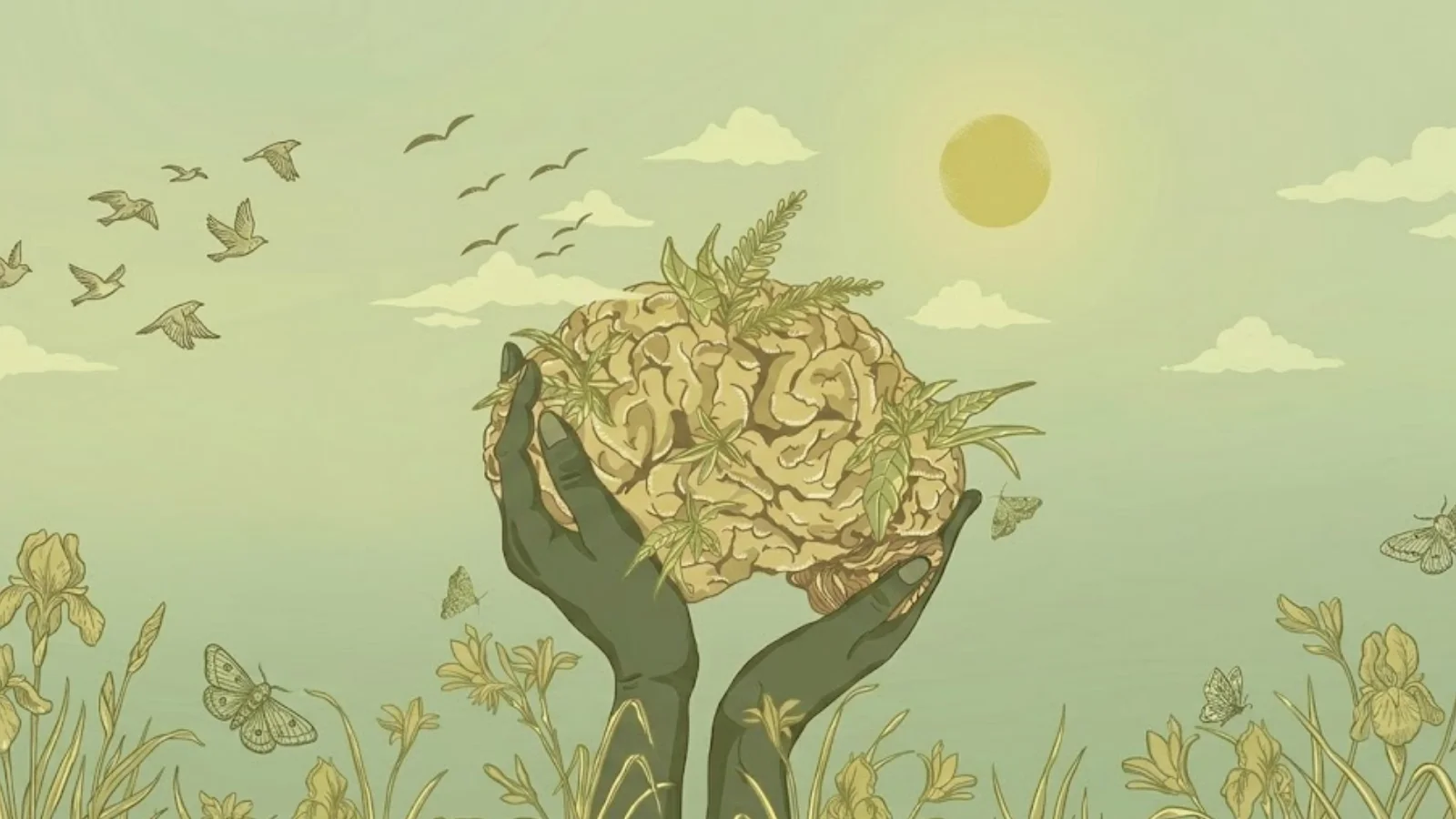
Mental health affects how we think, feel, cope, and connect with others. With awareness, early support, and compassionate care, recovery and emotional wellbeing become possible.
Introduction
Mental health is as important as physical health, yet many of us still hesitate to talk about it. In 2026, more Indians than ever are opening up about anxiety, depression, addiction, and other challenges that affect how we think, feel, and cope with daily life. This guide will walk you through everything you need to know about mental health in simple language: what it means, why it matters, common warning signs, and how to find the right support in India.
Whether you are exploring this topic for yourself or a loved one, you will find clear answers, updated facts, and practical next steps. You will also discover how compassionate, expert care at places like Ganaa can make all the difference in your recovery journey.
At Ganaa, we believe recovery is more than treatment. It is healing with dignity. Since 2012, we have offered holistic mental health and de-addiction care through expert psychiatrists, psychologists, and therapists, all within a calm, private and nurturing environment. Whether you or someone you love battles addiction or psychiatric challenges, Ganaa stands ready to guide you toward lasting recovery.
What Is Mental Health, Really?
Mental health is not a scary or complicated term. It simply refers to how you think, feel, behave, and handle the normal stresses of life. The World Health Organization defines mental health as a state of wellbeing where you realize your own abilities, cope with everyday stress, work productively, and contribute to your community.
Good mental health does not mean you are always happy. It means you can manage ups and downs, maintain relationships, make decisions, and bounce back from setbacks. Poor mental health, on the other hand, makes it harder to concentrate, connect with others, or function at work or home.
Mental health includes three parts: emotional health (how you feel), psychological health (how you think and solve problems), and social health (how you relate to others). All three work together to shape your overall wellbeing.
Mental Health vs Mental Illness: What Is the Difference?
Many people confuse mental health with mental illness, but they are not the same. Mental health is your overall emotional and psychological wellbeing. Everyone has mental health, just like everyone has physical health.
Mental illness refers to specific diagnosable conditions that affect your thoughts, mood, or behavior in ways that significantly disrupt daily life. Examples include depression, anxiety disorders, bipolar disorder, and schizophrenia.
You can have poor mental health without a mental illness. For example, feeling stressed or sad after losing a job is normal. But if that sadness lasts for weeks, stops you from eating or sleeping, and makes you feel hopeless, it may signal depression, which is a mental illness.
Both mental health challenges and mental illnesses can be supported and treated. Early help makes a big difference.
Common Myths About Mental Health in India
Many myths around mental health still cause shame and delay treatment in India. Let us clear up a few:
Myth 1: Mental illness is a sign of weakness. Reality: Mental disorders are medical conditions caused by biology, stress, trauma, or environment. They have nothing to do with character or willpower.
Myth 2: It is all due to bad karma or supernatural forces. Reality: While culture and spirituality matter, mental illness has biological, psychological, and social causes. Effective treatments like therapy and medication exist.
Myth 3: You can just snap out of it. Reality: Telling someone with depression to "cheer up" is like telling someone with a broken leg to "just walk it off." Professional support is needed.
Myth 4: Rehab is only for severe addiction or "crazy" people. Reality: Rehabilitation centres like Ganaa support people with depression, anxiety, bipolar disorder, and addiction. Rehab is about structured healing and skills-building, not punishment.
Why Mental Health Matters Even More in 2026 (Especially in India)
Life in 2026 brings unique pressures. The post-pandemic world changed how we work, study, and connect. Remote work blurs boundaries between office and home. Social media feeds us constant comparison and bad news. Economic stress, job insecurity, and family expectations weigh heavily, especially on young adults.
In India, mental health challenges are rising fast. Air pollution in cities has been linked to higher rates of depression and anxiety (Source: Times of India, 2025). Digital overload and loneliness are growing concerns for students and professionals alike.
At the same time, awareness is also growing. The Indian government has expanded mental health services through programs like the National Mental Health Programme, District Mental Health Programme, and the Tele-MANAS helpline. Still, access remains uneven, and stigma persists in many families and communities.
The Mental Health Situation in India Today: A Quick Snapshot
Quick Facts: Mental Health in India (2026)
About 10-13% of Indian adults have a diagnosable mental health disorder. That is roughly 1 in 10 people (Source: NIMHANS/PIB, 2024).
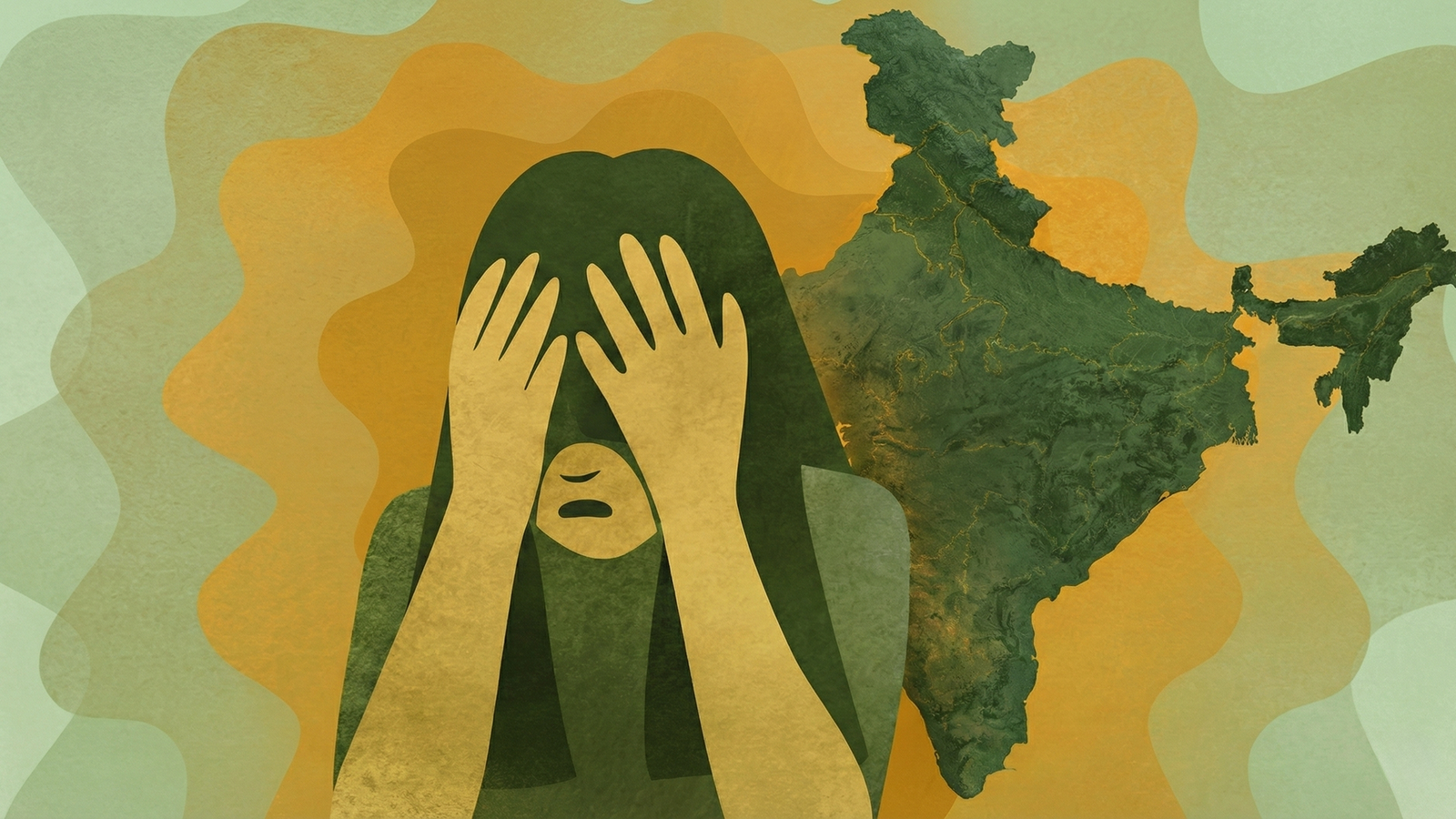
Nearly 20% of Indian women experience mental health issues like depression or anxiety, compared to 10 percent of men.
India recorded 171,418 suicides in 2023, averaging about 470 per day.
The treatment gap is huge: 70-92% of Indians with mental illness do not receive proper care due to stigma, lack of awareness, or shortage of services.
India has only 0.75 psychiatrists per 100,000 people. The WHO recommends at least 3 per 100,000.
The government helpline Tele-MANAS (dial 14416) has answered over 2.8 lakh calls since launch.
These numbers show mental health is a serious public health issue in India. But they also show you are not alone, and help is growing.
Common Mental Health Problems and Warning Signs You Should Not Ignore
Knowing the early warning signs of mental health issues can save lives. Here are the most common conditions in India and how to spot them.
Anxiety disorders are the most common mental health problems worldwide, affecting 359 million people globally in 2021 (Source: WHO, 2023). In India, millions struggle with constant worry, restlessness, or sudden panic attacks.
What it feels like: Excessive fear or worry that you cannot control. Your mind races with "what if" thoughts. Physical symptoms may include heart palpitations, sweating, trembling, trouble breathing, or a sense of impending doom.
Warning signs: Feeling on edge all the time, avoiding social situations, trouble sleeping, digestive issues, or frequent panic attacks. If anxiety disrupts your work, relationships, or daily routine for weeks, seek help.
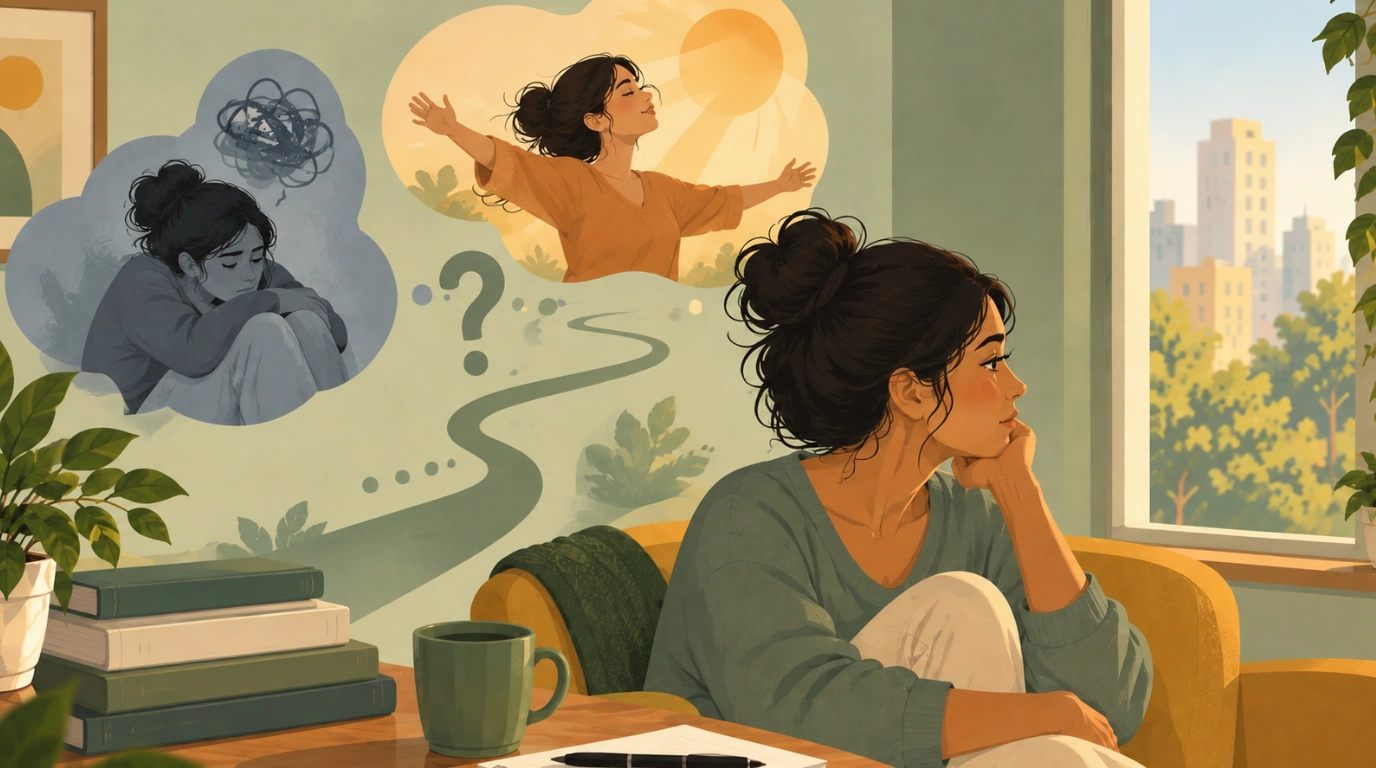
Depression and Mood Issues
Depression is more than just sadness. It is a persistent low mood that lasts at least two weeks and affects how you feel, think, and function. The WHO estimates that about 1 in 20 Indians suffers from depression (Source: WHO, 2023).
What it feels like: Feeling empty, hopeless, or numb. You lose interest in activities you once enjoyed. You may sleep too much or too little, eat too much or too little, feel tired all the time, or have thoughts of worthlessness or death.
If you or someone you know shows these signs, reach out for professional support. Depression is treatable with therapy, medication, and structured care.
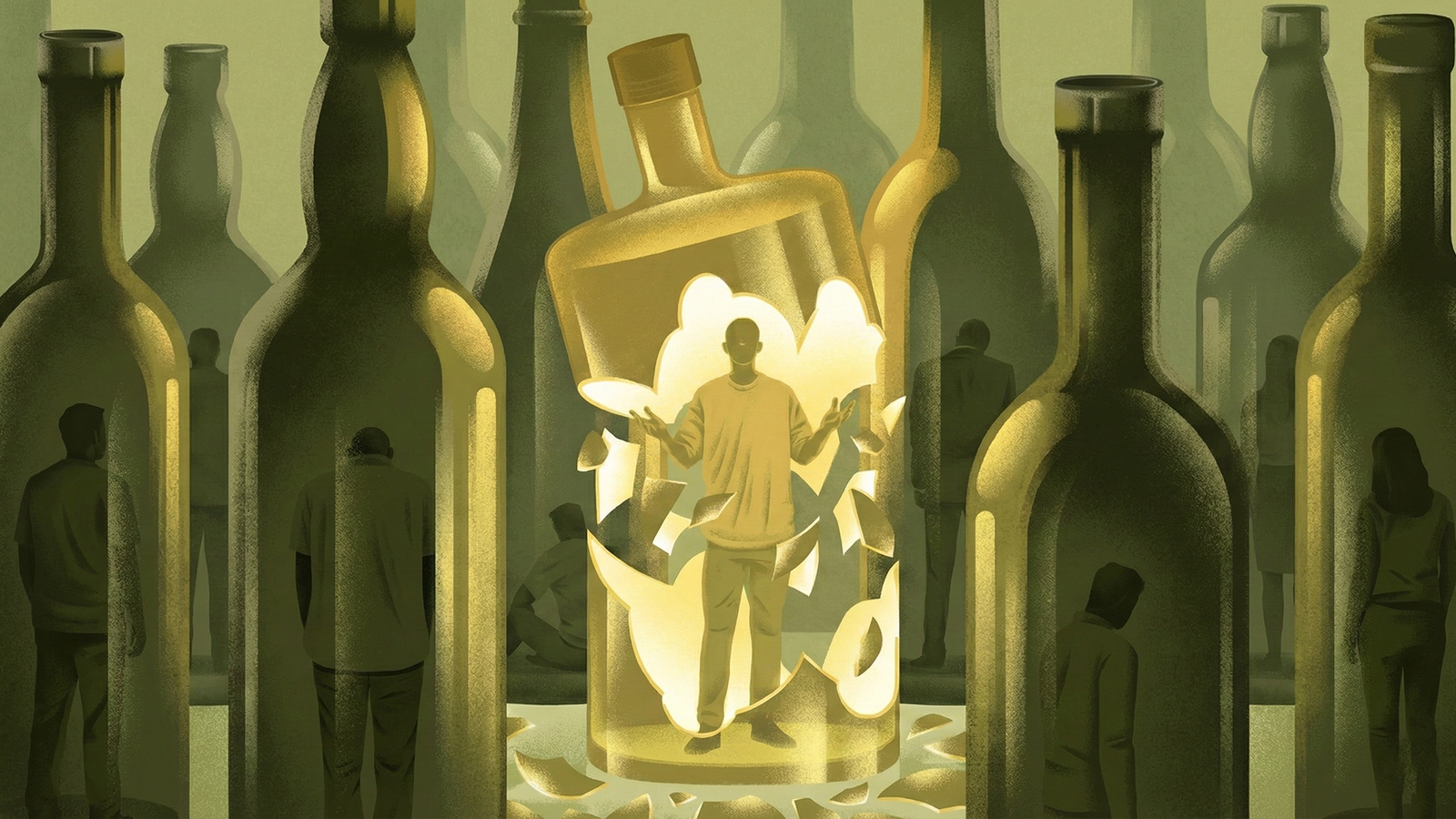
Addiction and Substance Use (Alcohol, Drugs, Prescription Misuse)
Addiction often goes hand-in-hand with mental health issues. Research shows that about 50 percent of people with a mental health disorder also have a substance use disorder, and vice versa (Source: NCBI).
Important note: Detoxification alone is not enough. Long-term recovery requires therapy, skills-building, and support to address the underlying mental health issues. Ganaa offers integrated de-addiction and mental health rehab programs that treat both problems together, reducing the risk of relapse.
Serious Mental Illnesses (Bipolar Disorder, Schizophrenia, and Others)
Serious mental illnesses like bipolar disorder and schizophrenia affect about 1 to 2 percent of the population. They are long-term conditions, but with proper treatment and rehabilitation, people can live fulfilling lives.
Recovery is possible: Early intervention, medication, therapy, and family support improve outcomes. Ganaa has specialist rehab programs for bipolar disorder and schizophrenia, offering structured, compassionate care in a safe environment.
What Affects Your Mental Health? (Biology, Mind, Relationships, Environment)
Mental health is shaped by many factors. Understanding them helps you see that mental illness is not your fault, and recovery is possible.
Biology and genetics: Some people inherit a higher risk for mental health conditions. Brain chemistry and hormones (like serotonin and dopamine) play a role.
Mind (psychological factors): How you think, your coping skills, past trauma, or chronic stress all influence your mental state.
Relationships: Supportive family and friends protect mental health. Loneliness, family conflict, or social stigma can harm it.
Environment and lifestyle: Poverty, job stress, pollution, crowding, poor sleep, or lack of exercise increase risk. Conversely, nature exposure, healthy routines, and community support help.
Things You Can Control (Small Changes That Support Mental Health)
Sleep: Aim for 7 to 9 hours of regular sleep each night.
Physical Activity: Even 20 to 30 minutes of walking daily can boost mood by releasing endorphins.
Nutrition: Eat balanced meals with fruits, vegetables, whole grains, and protein.
Screen Time: Limit social media and news overload. Take tech-free breaks.
Social connection: Talk to friends or family regularly. Join a club or support group.
Mindfulness and wellness: Try meditation, yoga, art, or music to reduce stress.
Seek help early: If you notice warning signs, talk to a counselor or doctor before problems escalate.
Types of Mental Health Services in India (and How They Work)
India offers several types of mental health services. Understanding them helps you choose the right support for your situation.
Outpatient (OPD) Mental Health Care
Outpatient mental health care includes scheduled sessions with qualified mental health professionals such as psychiatrists, psychologists, counselors, and therapists, without requiring overnight admission.
Best for: Mild to moderate anxiety, depression, stress-related concerns, relationship difficulties, early-stage mental health conditions.
Rehabilitation Centres and Long-Term Mental Health Rehab
Rehabilitation centres offer structured, inpatient or residential care for people who need more than outpatient therapy. This includes daily therapy sessions, group work, life skills training, family therapy, and relapse prevention.
Government and Community Mental Health Services
India's National Mental Health Programme (NMHP) and District Mental Health Programme (DMHP) bring basic services to primary care centres in 767 districts. The Tele-MANAS helpline (dial 14416) provides 24/7 phone and video counseling for free.
When Should You Seek Help for Your Mental Health?
Persistent symptoms: If feelings of sadness, anxiety, irritability, or hopelessness last more than 2 to 4 weeks and do not improve, that is a warning sign.
Daily life is suffering: When mental health issues affect your work, school, family, or self-care, you are not just stressed. You are struggling and need support.
Risky coping: Using alcohol, drugs, or self-harm to cope is a red flag. Seek professional help immediately.
Crisis signs: Any thoughts of death, suicide, or feeling like a burden require urgent help. Call a helpline or go to an emergency room right away.
Ganaa Helpline: If you, or a loved one are in crisis, reach out immediately. Our care team is available at +91-8750075006.
How Ganaa Supports Your Mental Health: Our Holistic Approach
At Ganaa, we see recovery as holistic healing. We address mind, body, and soul by combining modern psychiatry with therapies like yoga, meditation, and art in serene, nature-connected settings. Every step respects your privacy and dignity.
What Your Journey at Ganaa Looks Like (Step-by-Step)
1. Confidential assessment: You or your family reach out. We conduct a thorough, private evaluation to understand your needs.
2. Personalized care plan: Our team creates a treatment plan tailored to you, not a one-size-fits-all program.
3. Detox or stabilization (if needed): If you have addiction or acute symptoms, we provide safe medical detox and stabilization.
4. Daily therapies and wellness activities: You participate in individual therapy, group sessions, yoga, meditation, art therapy, sound healing therapy, music therapy, storytelling, and nature walks.
5. Family sessions: We involve your family through education and therapy so they can support your recovery.
6. Relapse prevention and aftercare: Before you leave, we equip you with skills and coping strategies. After discharge, we offer virtual check-ins, outpatient support, and a strong aftercare network to help you stay on track.
Supporting a Loved One with Mental Health or Addiction Challenges
If someone you care about is struggling, your support can make a huge difference.
Notice signs early: Learn the warning signs above. If you see changes in mood, behavior, sleep, or substance use, speak up gently.
What to say: Use empathy. For example, "I care about you and I have noticed you seem different lately. I am here to listen."
What not to say: Avoid blaming ("Stop being lazy"), shaming ("People have it worse"), or dismissing ("Just snap out of it").
Taking Care of Your Own Mental Health as a Caregiver
Your health matters too. Take breaks. Talk to friends or join a caregiver support group. Seek your own therapy if needed.
How to Choose the Right Mental Health Service or Rehab Centre
Key qualifications: Verify the centre meets all relevant compliance standards. Check that staff include qualified psychiatrists, psychologists, and trained nurses.
Treatment approach: Ask if they use evidence-based methods (therapy plus medication when needed).
Environment and amenities: Consider location and setting. Is it peaceful and comfortable?
Staff and ratios: Ask about staff-to-client ratios and qualifications.
Aftercare: Good centres provide relapse prevention and follow-up support after discharge.
Taking Your First Step Toward Better Mental Health
Seeking help is not a sign of weakness. It is a sign of courage and self-care. Many people, including celebrities and leaders, benefit from mental health support. You are not alone in this journey.
How to Reach Ganaa Today
Taking the first step is simple. You can call or WhatsApp our helpline at +91-8750075006 or fill out an inquiry form on our website to schedule a confidential assessment. We are here 24/7. There is no obligation. Just talk to us. We will listen.
Frequently Asked Questions (FAQs)
Q: What is mental health in simple words?
A: Mental health is how you think, feel, behave, and cope with everyday life, stress, and relationships. The WHO describes it as the foundation for wellbeing.
Q: How do I know if I need help for my mental health?
A: If your mood, thoughts, sleep, work, or relationships have suffered for more than a few weeks, or if symptoms are getting worse, it is a good idea to talk to a mental health professional.
Q: What mental health services does Ganaa offer?
A: Ganaa provides integrated mental health services including psychiatric care, de-addiction treatment, psychological therapy (CBT, DBT, family therapy), holistic wellness (yoga, meditation, art therapy), and structured rehabilitation in luxury centres in Delhi-NCR and Goa.
Q: Is rehab only for addiction, or also for depression and other illnesses?
A: Rehab can support both addiction and psychiatric conditions like depression, bipolar disorder, and schizophrenia. Modern rehab programs provide structured daily care, therapy, and skills-building for any chronic mental health issue.
Q: What makes Ganaa different from other mental health centres?
A: Ganaa stands out for compassionate one-to-one care with a high staff-to-client ratio and 24/7 support, integrated treatment for addiction and psychiatric disorders, and serene luxury centres in nature (Delhi-NCR and Goa) that ensure privacy and dignity.
Q: Will my information stay private if I contact Ganaa?
A: Absolutely. Ganaa treats all inquiries with strict confidentiality. Your call or message is discreet. No information is shared without your consent.
Bipolar misdiagnosed as depression is common, and the delay runs close to nine years. Learn the clues, why hypomania is missed, and how to get a better review.
Adolescent mental health in India is under-treated. Learn 11 warning signs parents miss, what the data shows, how to start the talk, and when to seek help.
Gaming disorder in teens is a real diagnosis, not a phase. Learn the WHO criteria, how common it is, the signs parents miss, and what actually works at home.