Prescription Drug Dependence: A Hidden Crisis in India
Prescription drug dependence often starts with a real prescription. Learn the warning signs, the India data, and the safe way to stop with expert help.
Prescription Drug Dependence: A Hidden Crisis in India
The pills came from a chemist, not a dealer.
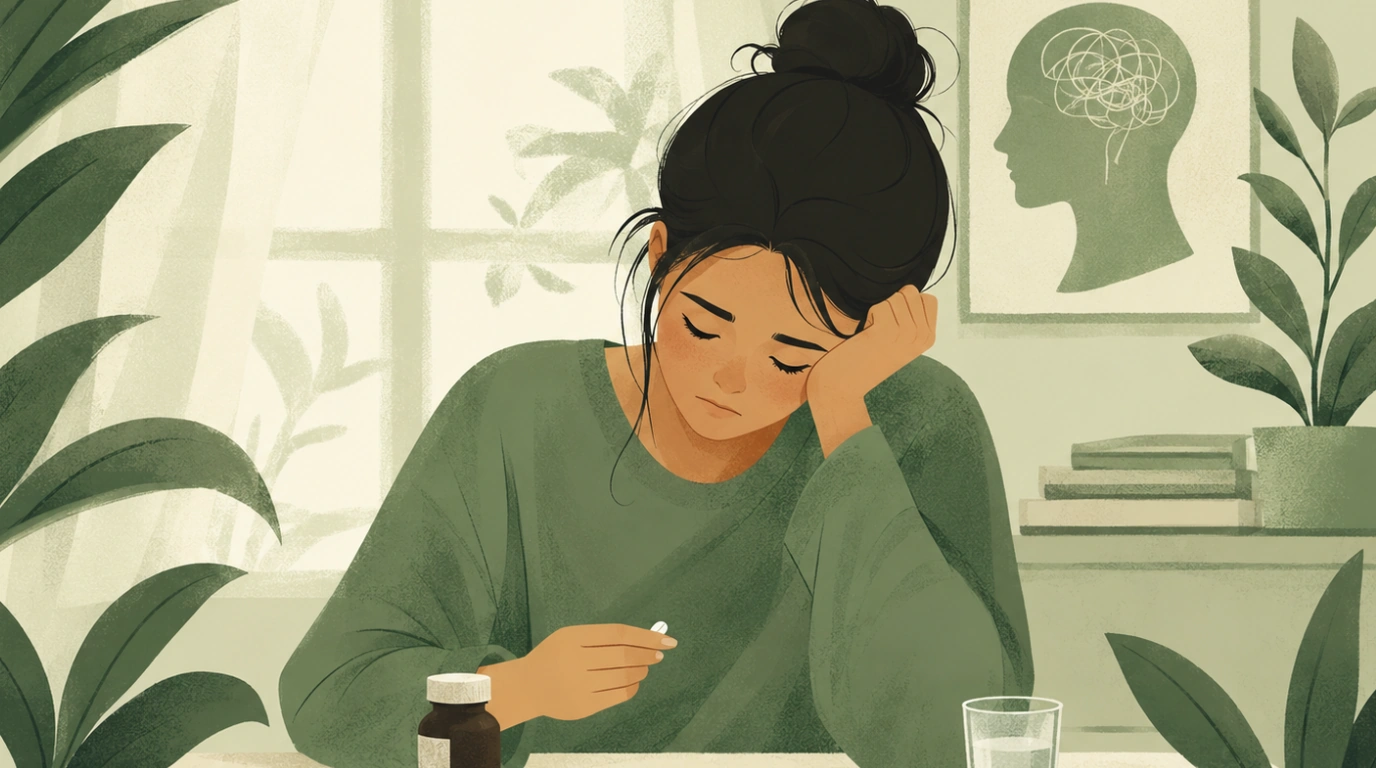
That is why prescription drug dependence hides so well in Indian homes. The drug was legal. A doctor once signed for it. So no one calls it a problem.
Here is the short answer up front. Prescription drug dependence means your body now needs a prescribed drug to feel normal. The dose creeps up. Stopping feels impossible. It happens with sleeping pills, anxiety drugs, and strong painkillers.
It is far more common than families think.
More than a crore Indians use sedatives without medical advice. (Source: MoSJE & AIIMS, 2019 — national survey)
Most never speak about it. Many do not even see it.
This guide gives you the full picture. You will learn what dependence is, and what it is not. You will see the real India numbers. You will learn which pills carry the most risk. And you will get a safe, step-by-step way to seek help.
One warning before we begin. Never stop these drugs all at once. A sudden stop can be risky. Safe recovery is always planned with a doctor.
If this sounds like your home, keep reading. There is a clear way out.
What Is Prescription Drug Dependence?
Dependence is not a moral failing. It is a body process.
Prescription drug dependence means the body has adapted to a drug. It now needs that drug to work as usual. Without it, withdrawal starts. And with time, the old dose stops working. That is called tolerance.
Note what this is not. It is not the same as misuse. Misuse means taking a drug in a way the doctor never advised. It is also not the same as addiction. Addiction adds craving, loss of control, and use despite clear harm.
Dependence can happen to anyone. Even to people who took every dose exactly as written.
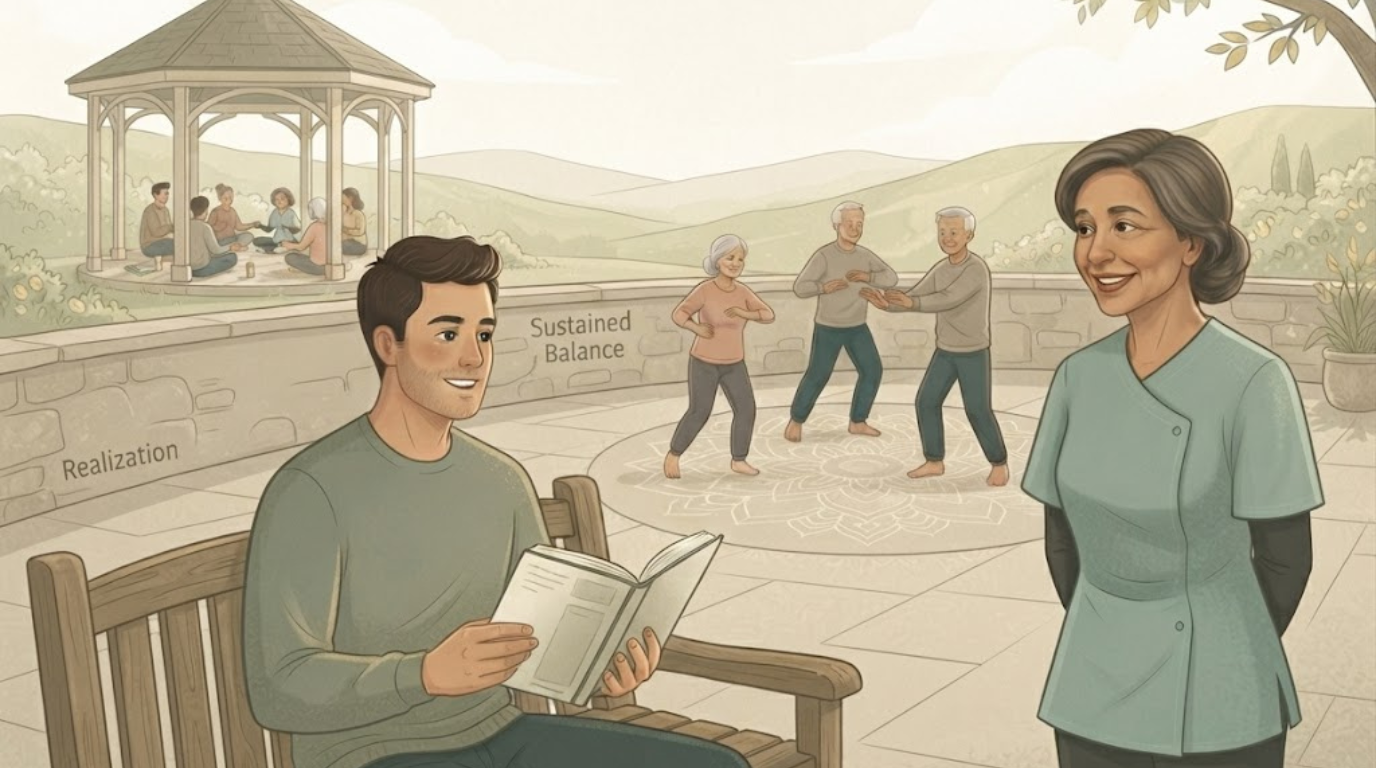
At Ganaa, we describe the slide in three stages. We call it the Relief–Routine–Reliance curve.
The slide is quiet. There is no party, no slurred speech, no scandal. Just a strip of pills by the bed. A refill that never gets questioned.
That silence is part of a bigger story. Distress is common, and support is not.
Nearly 1 in 7 people worldwide lived with a mental illness in 2021. (Source: WHO, 2025 — fact sheet)
Many manage that pain with pills alone. When there is no other support, the pill becomes the whole plan.
Your goal is not to fear these drugs. Used briefly, under care, they help millions. The goal is to spot the moment use turns into need.
A: No. Misuse means taking a drug against medical advice, such as extra doses or no prescription at all. Dependence means the body now needs the drug to function. You can be dependent even while following the prescription.
Prescription Misuse in India: The Numbers Nobody Talks About
India tracks street drugs closely. Pills from the chemist get far less attention.
The best national data comes from a large government survey run by AIIMS. The findings are stark.
About 1.08% of Indians aged 10 to 75 use sedatives non-medically. That is close to 1.18 crore people. (Source: MoSJE & AIIMS, 2019 — national survey)
Opioids tell a similar story. Current opioid use stands at 2.06%. (Source: PIB, 2019 — AIIMS survey release)
The same survey counts the harm too. Around 60 lakh Indians need help for opioid problems. (Source: PIB, 2019 — AIIMS survey release)
- About 1.08% of Indians aged 10–75, nearly 1.18 crore people, use sedatives non-medically. . - Current opioid use is 2.06%, with pharmaceutical opioids at 0.96%. . - Around 60 lakh Indians need help for opioid-use problems. . - About 10.6% of Indian adults live with a mental illness. . - At one Indian rehab centre, alprazolam drove 50.6% of sedative dependence cases. .
Why is the prescription misuse India faces so easy to miss? Three reasons.
First, access. These pills need a prescription by law. Yet many chemists sell them loose, strip by strip. No questions asked.
Second, stigma. A street drug user is judged. A person with a sleep pill habit is not seen at all. Families protect the silence.
Third, the care gap. Mental illness is common, and treatment is rare.
About 10.6% of Indian adults live with one. (Source: NIMHANS, 2016 — NMHS report)
Treatment does not keep up. The same survey found a care gap of 70 to 92 percent. (Source: NIMHANS, 2016 — NMHS report)
Pills fill that space. A strip costs less than one therapy session. It asks no questions. It also fixes nothing.
Sedative use is highest in states like Sikkim, Nagaland, Manipur, and Mizoram. Uttar Pradesh leads in sheer numbers. (Source: PIB, 2019 — AIIMS survey release)
This is prescription misuse India cannot keep ignoring. The first defence is awareness at home.
Talk about pills at the dinner table. Ask what each strip in the house is for. Awareness is free, and it works.
Which Prescription Medicines Carry the Highest Risk?
Not every drug can create dependence. A few classes cause most of the harm.
Here is a simple map. Keep it handy when you review your family's medicine drawer.
Drug classCommon names in IndiaUsually given forEarly signs of troubleBenzodiazepinesAlprazolam, diazepam, clonazepamAnxiety, panic, short-term sleep issuesNeeding more, dread between dosesZ-drugs (sleeping pills)Zolpidem, zopicloneShort-term sleep lossNo sleep without the pillOpioid painkillersTramadol, codeine, tapentadolPain after surgery or injuryTaking pills for mood, not painCodeine cough syrupsCodeine-based syrupsDry coughExtra bottles, secret use
A few points make this table matter more in India.
These pills are cheap. A strip can cost less than a cup of tea. Price is no barrier at all.
Refills are easy. A photo of an old prescription often works. Some chemists need even less.
And use is casual. Pills get shared across the family. An aunt's sleep pill becomes a son's exam-stress fix. Nobody sees a line being crossed.
Research shows which pills drive the most trouble here.
At one south Indian rehab centre, alprazolam drove 50.6% of sedative dependence cases. (Source: PubMed, 2017 — Indian centre study)
The pattern went further. Nitrazepam stood at 23.5% and zolpidem at 11.2%. (Source: PubMed, 2017 — Indian centre study)
Read that list again. These are not exotic drugs. They sit in lakhs of Indian bedside drawers right now.
If someone you love takes any of these daily, do not panic. Daily use under active medical review can be sound. The risk grows when refills continue for months with no doctor visit in between.
A: Benzodiazepines like alprazolam and diazepam top the list, followed by sleeping pills like zolpidem. Opioid painkillers such as tramadol and codeine syrups also rank high. All of these need close medical review.
Benzodiazepine Dependence: The Quiet Trap
Benzodiazepines calm the brain fast. That speed is their gift and their trap.
A tablet of alprazolam can ease a panic wave in minutes. For someone drowning in worry, it feels like rescue. The brain remembers that rescue. It asks for it again.
Clinical guidance is blunt on duration. They are meant for short use, about 2 to 4 weeks. (Source: Patient, 2023 — clinical guide)
Beyond that window, benzodiazepine dependence builds quietly. Tolerance rises. The old dose feels weak. The unease between doses grows sharper than the first worry ever was. Doctors call this rebound.
Then comes the loop. You feel tense. You take a pill. The relief fades sooner. You feel tense again. Each cycle deepens the groove.
Watch for these shifts:
Families often miss this because the person seems fine. No smell, no stumble, no scene. Just someone a little foggy. A little flat. A little tied to a strip of pills.
There is real hope here. Benzodiazepine dependence responds well to structured care. A slow, doctor-led taper lets the brain reset. Therapy rebuilds the calm the pill once supplied. People do come off these drugs and feel sharp again.
The key is to act early and never alone. The next sections show you the danger signs, and what safe help looks like.
One more habit helps between visits. Keep a simple diary of dose and mood. It gives your doctor real data. It also shows you the pattern in black and white.
A: The body can adapt within weeks of daily use. That is why guidelines keep courses short. If use has crossed a month without review, book a doctor visit now.
Sleeping Pill Dependence: When the Fix Stops Working
Sleep is where this crisis most often begins.
A rough patch hits. Work stress, grief, a new baby, a health scare. Nights fall apart. Someone suggests a pill. And it works, for a while.
Zolpidem and similar Z-drugs were built for short courses. Used nightly for months, the story changes. The brain leans on the pill to switch off. Natural sleep pressure weakens.
Then the pill stops working well. Sleep breaks at three in the morning. The dose creeps to two tablets. That is sleeping pill dependence taking hold.
A sudden stop brings rebound insomnia. Nights turn worse than before the pills. Most people read that as proof they need the pill forever. It is actually a withdrawal effect, and it passes with the right plan.
Some risks deserve special mention:
Recall the Indian centre data above. Zolpidem alone drove 11.2% of sedative dependence cases there. (Source: PubMed, 2017 — Indian centre study)
Sleeping pill dependence is not rare. It is simply unreported.
The good news is that sleep can be trained back. These habits help while your doctor guides the medical side.
Medicines then become a bridge, not a life sentence. If your nights depend on a strip of pills, have one honest talk with a doctor. Not next month. This week.
A: Yes, when used briefly and reviewed often. The risk grows with months of nightly use and self-refills. If sleep now fails without the pill, ask your doctor for a review.
Warning Signs of Prescription Drug Dependence: A Self-Check
You cannot fix what you refuse to see. So look, gently and honestly.
Run this self-check. Answer for yourself, or for someone you love. Count every yes.
Two or more yes answers deserve a doctor's opinion. Five or more mean the talk should happen this week.
Families should watch for quieter clues too. Empty strips in the bin more often than the prescription explains. A short temper by evening. Visits to many chemists. Growing dread about trips to places where refills are hard.
Money can be a clue as well. Small sums vanish for refills. Receipts stay hidden. None of this proves anything alone. Patterns matter more than moments.
Here is a story we hear often, with details changed. A woman in her forties came to us after two years on sleep pills. It began after a loss. One pill at night became two.
She never felt high. She just could not sleep, or sit still, without them. Her family thought she was fine. She thought so too.
The self-check told a different story. With a slow, guided taper and therapy, she now sleeps on her own. Nothing about her was weak. The pills had simply taken a seat no one offered them.
Notice what is not on this list. Character. Willpower. Shame. Dependence is a body process, not a weakness. The checklist is a compass, not a courtroom.
Use it once a month if pills are part of your life. Habits drift slowly. A regular check catches the drift early.
One more caution for this moment. If the self-check alarms you, do not throw the pills away tonight. A sudden stop is the one move that can turn a hidden problem into an emergency. The safe path is slower, and it starts with a talk.
A: Keep taking the drug as currently prescribed and book a doctor visit this week. Do not stop suddenly and do not change the dose yourself. Carry the strips and be fully honest about use.
How to Get Help Safely: Never Stop Suddenly
Here is the rule that protects lives. Never stop these drugs all at once.
A sudden benzodiazepine stop can trigger severe unease, tremors, confusion, and even seizures. (Source: Patient, 2023 — clinical guide)
The safe road is different. Withdrawal is slow and supervised, at an agreed pace. (Source: NICE, 2022 — withdrawal guideline)
We will not give schedules or doses here, on purpose. The right pace depends on the drug, the duration, your health, and your life. Only your treating doctor can set it.
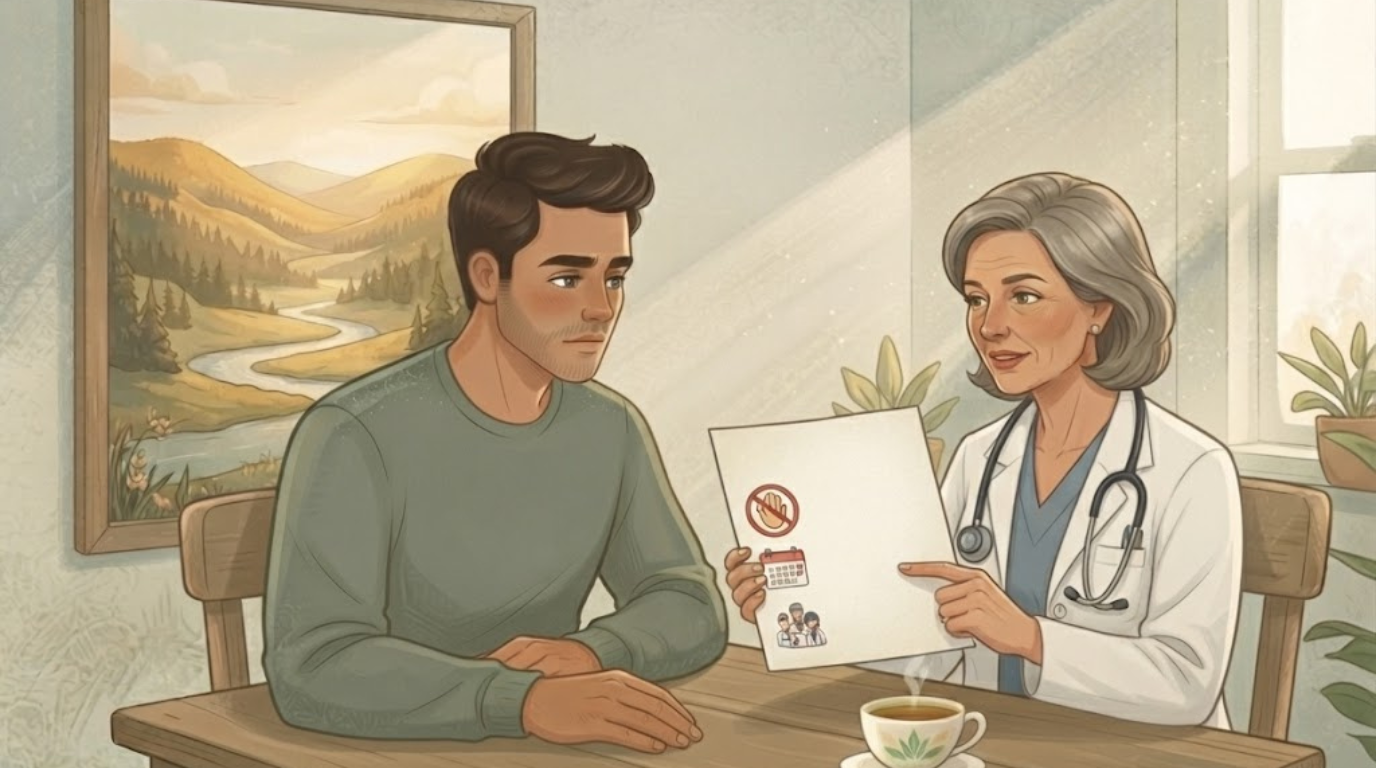
What you can do is start the talk well. Use this five-step plan.
Expect a plan, not a lecture. Good doctors see dependence every week. They will check your health, treat the root issue, and pace the change.
Nervous about the visit? That is normal. Shame melts fast in a good clinic room. You will likely leave lighter than you walked in.
Wondering what good care includes? Look for these parts.
Some people can do this through clinic visits. Others need residential care. That is often true with high doses, long use, mixed substances, or a mental illness underneath. Both paths work. The wrong path is the cold-turkey weekend.
How Ganaa Helps You Recover From Prescription Drug Dependence
We built Ganaa for exactly this kind of quiet struggle.
Since 2012, we have helped people across India recover from substance dependence and mental illness. Prescription drug dependence sits at the heart of that work. Sleeping pills, anxiety drugs, painkillers. We see these stories every week, and we treat them without judgement.
Care starts with a full check by a psychiatrist. We look at the drug, the dose, and the duration. We also look underneath, at the worry, sleeplessness, pain, or low mood that started it all.
Then we plan a medically supervised withdrawal. Doses come down slowly, under round-the-clock clinical watch. No cold turkey. No white-knuckle nights alone.
Alongside, we rebuild what the pills were replacing. Talk therapies like CBT and DBT retrain anxious minds. Yoga, meditation, and steady routines restore natural sleep. Family sessions heal the silence at home. It is ancient wisdom and modern science, working together.
You can choose the setting that fits. Our residential centres across Delhi NCR, Greater Noida, and Goa offer calm, nature-based spaces. Programs run for 30, 60, or 90 days. Our OPD clinics support those who can recover from home. Aftercare keeps you steady long after discharge.
Families are part of the process, not spectators. We help you plan the first talk, set kind but firm limits, and rebuild trust.
Progress is reviewed every week. Plans adjust as you heal. You always know what comes next, and why.
If a strip of pills quietly runs your home, you do not have to solve it alone. Speak to a Ganaa admissions counsellor, or visit ganaa.in to learn more about our programs. One honest call can start the way back.
The Bottom Line
Prescription drug dependence is India's quietest drug crisis. It hides in bedside drawers, behind valid-looking prescriptions and respectable routines.
The numbers say it plainly. Over a crore Indians use sedatives without medical advice. (Source: MoSJE & AIIMS, 2019 — national survey)
Yet very few ever reach care. Hold on to four truths from this guide.
First, dependence is a body process, not a character flaw. It can happen to anyone, on drugs a doctor once rightly prescribed.
Second, the highest-risk drugs are known. Benzodiazepines, sleeping pills, opioid painkillers, and codeine syrups deserve respect and regular review.
Third, the warning signs show early. Rising doses, dread between pills, secret refills, failed tries to cut down. The self-check above takes two minutes.
Fourth, never stop suddenly. A sudden stop is risky. Safe recovery is slow, planned, and medically supervised. It works, and people come back to full, clear lives.
If this guide named something you or a family member is living with, act on it this week. Book the doctor visit. Say the hard sentence. Bring an ally.
And if you want a team that has walked this road with many families, we are here. Speak to a Ganaa clinician about a safe, tailored plan. The pills promised peace. Real peace is still available, without them.
FAQ
Q: What is prescription drug dependence?
A: It means your body now needs a prescribed drug to feel normal. You may need bigger doses over time. You may feel sick, shaky, or on edge when a dose is missed. It can happen even when you follow the prescription.
Q: Is benzodiazepine dependence the same as addiction?
A: Not exactly. Benzodiazepine dependence means the body has adapted and reacts when the drug stops. Addiction adds craving, loss of control, and use despite clear harm. Dependence can exist alone, and both need medical care.
Q: How long does it take to become dependent on sleeping pills?
A: It can happen within weeks of nightly use. That is why doctors advise short courses only. If your sleep now fails without a pill, speak to a doctor. Do not raise the dose on your own.
Q: Can I stop sleeping pills or benzodiazepines on my own?
A: No. A sudden stop can be risky, and with benzodiazepines it can trigger seizures. The safe path is a slow, doctor-led dose reduction. Your doctor plans the pace and supports you through each step.
Q: Is it legal to buy these medicines without a prescription in India?
A: No. Sedatives, sleeping pills, and strong painkillers need a valid prescription under Indian drug rules. Yet checks are weak, and many chemists still sell them loose. That easy access quietly fuels the prescription misuse India struggles with.
Q: How does Ganaa treat prescription drug dependence?
A: We start with a full check by a psychiatrist. Then comes a slow, medically supervised withdrawal with round-the-clock care. Therapy, yoga, and family work rebuild sleep, calm, and coping. Residential and OPD options are available.
Bipolar misdiagnosed as depression is common, and the delay runs close to nine years. Learn the clues, why hypomania is missed, and how to get a better review.
Adolescent mental health in India is under-treated. Learn 11 warning signs parents miss, what the data shows, how to start the talk, and when to seek help.
Gaming disorder in teens is a real diagnosis, not a phase. Learn the WHO criteria, how common it is, the signs parents miss, and what actually works at home.


.webp)
.webp)
.webp)
.webp)
.webp)
.webp)
.webp)
.webp)