Opioid Dependence Treatment in India: A Family's Guide
A clear guide to opioid dependence treatment India offers families: signs, withdrawal, medication-assisted care, rehab, and how to help a loved one recover.
Opioid Dependence Treatment in India: A Family's Guide
Opioid dependence rarely starts with a choice. It often starts with a prescription, an injury, or a friend's pill.
Then it grows quietly. The body adapts. The mind starts to need the drug just to feel normal.
If someone you love is caught in this, you are not alone. Opioid dependence treatment India families can reach today is real, medical, and effective.
This guide is for you. The parent. The spouse. The sibling who lies awake worrying.
We will keep it simple. No jargon. No judgement.
You will learn what opioid use disorder is. You will learn the signs. You will learn what withdrawal looks like.
We will walk through treatment options. Medical detox. Medication-assisted treatment. Therapy. Residential rehab. Aftercare.
We will also talk about your role. Families shape recovery more than most people think.
One thing first. This is not medical advice. Every case is different. Always consult a psychiatrist before any decision about your loved one's care.
Let us begin.
What Opioid Dependence Actually Is
Opioid dependence is a medical condition. It is not a moral failure.
Opioids include heroin, but not only heroin. They also include painkillers like tramadol, codeine, and morphine.
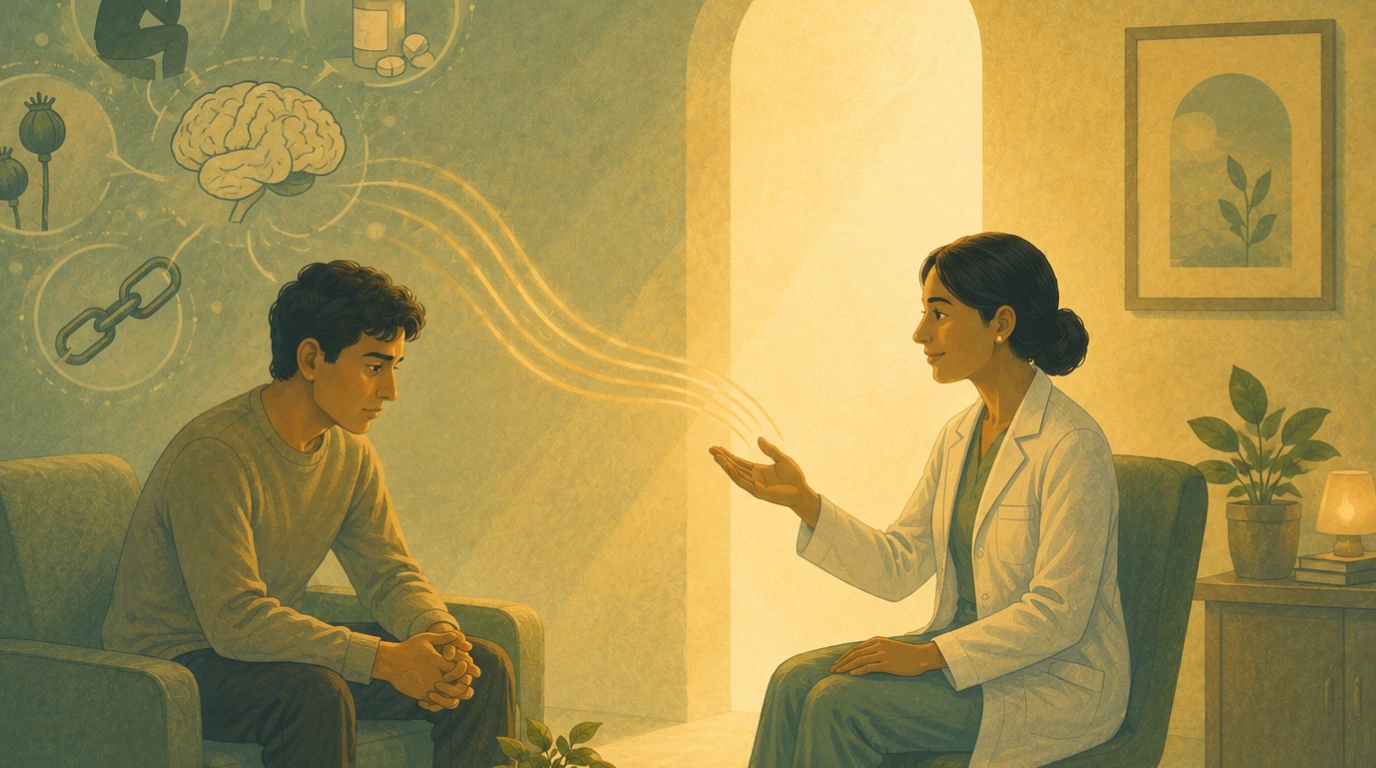
The brain has opioid receptors. These drugs lock onto them. Over time, the brain expects the drug.
Then two things happen. Tolerance and dependence.
Tolerance means you need more for the same effect. Dependence means the body reacts badly without the drug.
Doctors call the full condition opioid use disorder. It sits on a spectrum, from mild to severe.
This is common, and it is large in scale. About 2.26 crore people in India use opioids. Nearly 72 lakh need treatment for opioid dependence (Source: AIIMS NDDTC / Ministry of Social Justice, 2019 — pib.gov.in).
Painkiller dependence is part of this picture. Many people start with a real injury. The relief feels good. The drug stays after the pain leaves.
This can happen to anyone. A student. A driver. A homemaker. A grandparent.
It does not mean your loved one is weak. It means their brain chemistry has changed.
Stigma makes this worse. Shame keeps families quiet. Quiet delays care.
You can change that. Naming the problem is the first brave step.
Q: Is opioid use disorder a disease or a habit? A: It is a recognised medical condition. The brain's reward and stress systems change with repeated opioid use. That is why willpower alone rarely fixes it, and why proper treatment works far better.
How to Spot the Early Signs
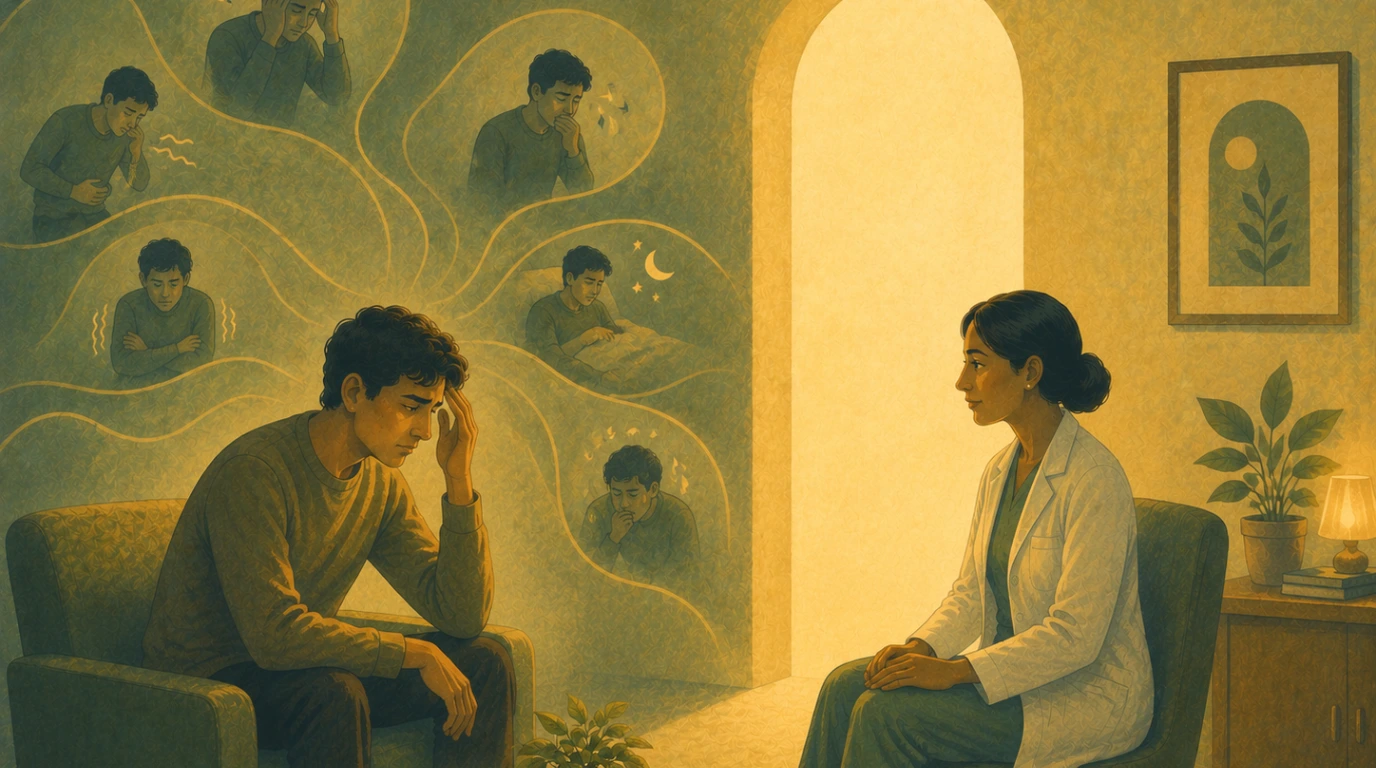
Early signs are easy to miss. They hide in plain sight.
Watch the dose first. Your loved one may ask for stronger painkillers. They may finish a strip too fast.
Watch the timing next. They may use a drug long after the pain is gone.
Behaviour shifts too. You may notice secrecy. Locked doors. Vague answers about money.
Mood swings are common. Calm one hour. Restless the next.
Sleep changes. Appetite changes. Old hobbies fade.
Physical clues show up as well. Tiny pupils. Drowsiness. Slurred speech.
There may be doctor-shopping. Many prescriptions. Many clinics.
None of these alone proves opioid use disorder. Together, they form a pattern.
Trust your gut. Families often sense trouble before any test confirms it.
Do not wait for rock bottom. Early help works better. The treatment gap in India is wide, with roughly 90% of people with substance use disorders not getting care (Source: National Mental Health Survey of India, 2015-16 — ncbi.nlm.nih.gov).
That gap is why families matter so much. You may be the first to notice. You may be the one who starts the conversation.
Q: How do I tell painkiller dependence from normal pain relief? A: Normal use stops when the pain ends. Dependence shows up as needing more, using without pain, or feeling sick without the drug. If you see those, speak to a psychiatrist about opioid use disorder.
Understanding Opioid Withdrawal
Withdrawal is the body reacting to a missing drug. It is rarely fatal, but it feels brutal.
This is often the wall that stops people. The fear of opioid withdrawal keeps many trapped.
Symptoms come in waves. They are physical and mental.
Early signs include sweating and a runny nose. Yawning. Watery eyes. Anxiety.
Then it deepens. Muscle aches. Stomach cramps. Nausea. Diarrhoea.
Sleep breaks down. Cravings spike. The mood drops low.
Timing depends on the drug. Short-acting opioids start fast. Long-acting ones start later.
For many, the worst passes in a few days. Full recovery of sleep and mood takes longer.
Here is the key point. Withdrawal can be managed. It does not have to be suffered raw.
Doctors use medicines to ease it. They treat the cramps, the nausea, the anxiety.
This is why home detox is risky. Without support, the pain often drives relapse.
Supervised withdrawal is safer and kinder. A trained team watches vitals and adjusts care.
There is also a mental side. The low mood can linger. The cravings can return.
So withdrawal is not the whole job. It is only the doorway.
Real recovery begins after detox. That is where medicines and therapy take over.
Q: Is opioid withdrawal dangerous? A: It is rarely life-threatening on its own. But it is intense, and the distress often leads to relapse and overdose risk. Medical support makes it safer and far easier to get through.
Treatment Options That Actually Work
Good treatment is not one thing. It is a chain of steps.
Step one is assessment. A psychiatrist checks the body and the mind.
Step two is detox. The drug leaves the system under medical care.
Step three is medication-assisted treatment. We cover this in the next section.
Step four is therapy. Talk therapy rewires habits and triggers.
Step five is aftercare. Recovery is protected for the long run.
Therapy matters as much as medicine. Cognitive behavioural therapy helps spot triggers. It builds new coping skills.
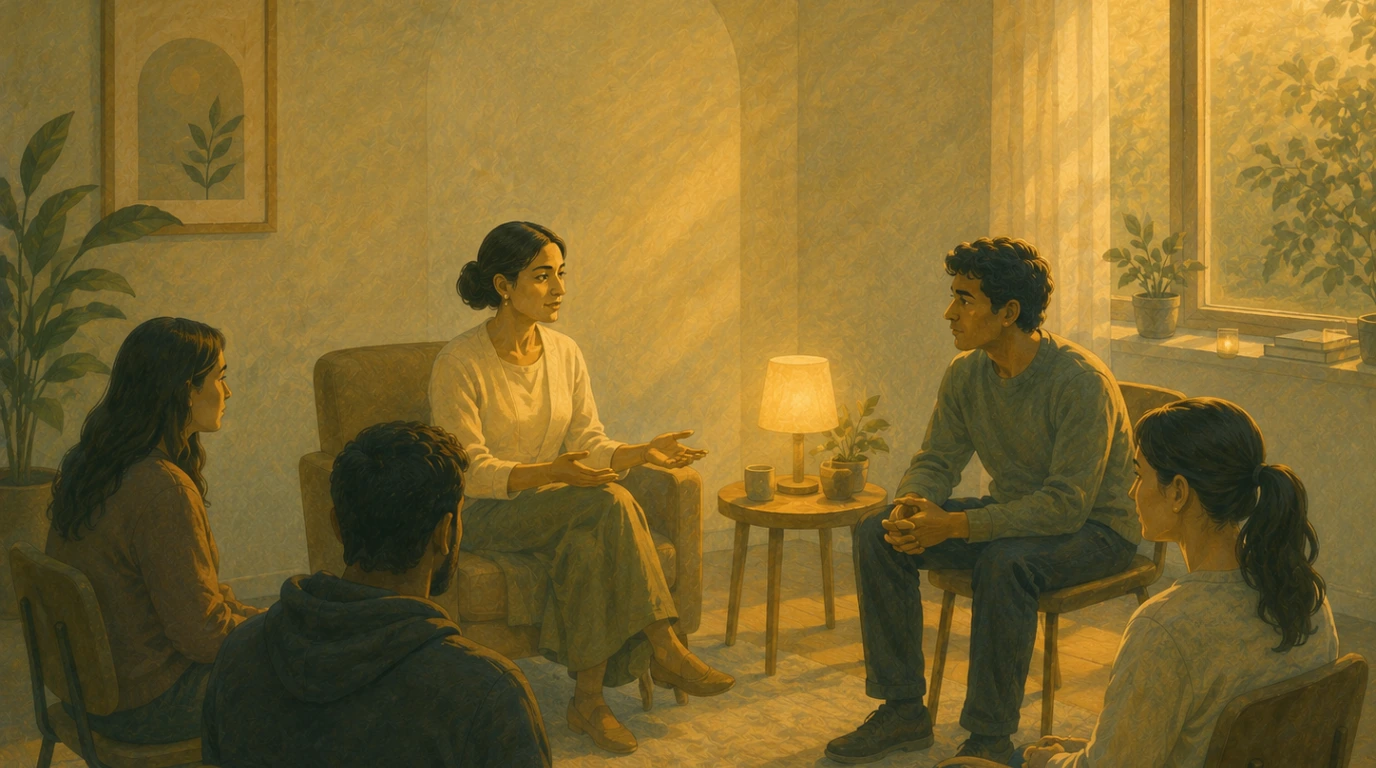
Group sessions help too. Shared stories lower shame. They build hope.
Family therapy is part of strong care. It heals the home, not just the patient.
Residential rehab brings it all together. Round-the-clock support. A drug-free space. A daily routine.
Some need only OPD care. Others need a residential stay. A psychiatrist guides that call.
The good news is clear. Effective treatments exist, yet less than 10% of people who need them receive care worldwide (Source: World Health Organization, 2024 — who.int).
So the problem is rarely the science. It is reaching care in time.
Each step builds on the last. Skipping steps weakens the result.
Detox without therapy often fails. Therapy without detox is hard to start.
That is why a full plan matters. The parts work best together.
Q: What does opioid dependence treatment India centres usually include? A: It usually blends medical detox, medication-assisted treatment, talk therapy, and aftercare. Care can be OPD-based or residential. A psychiatrist decides the right level for each person.
Medication-Assisted Treatment, Explained
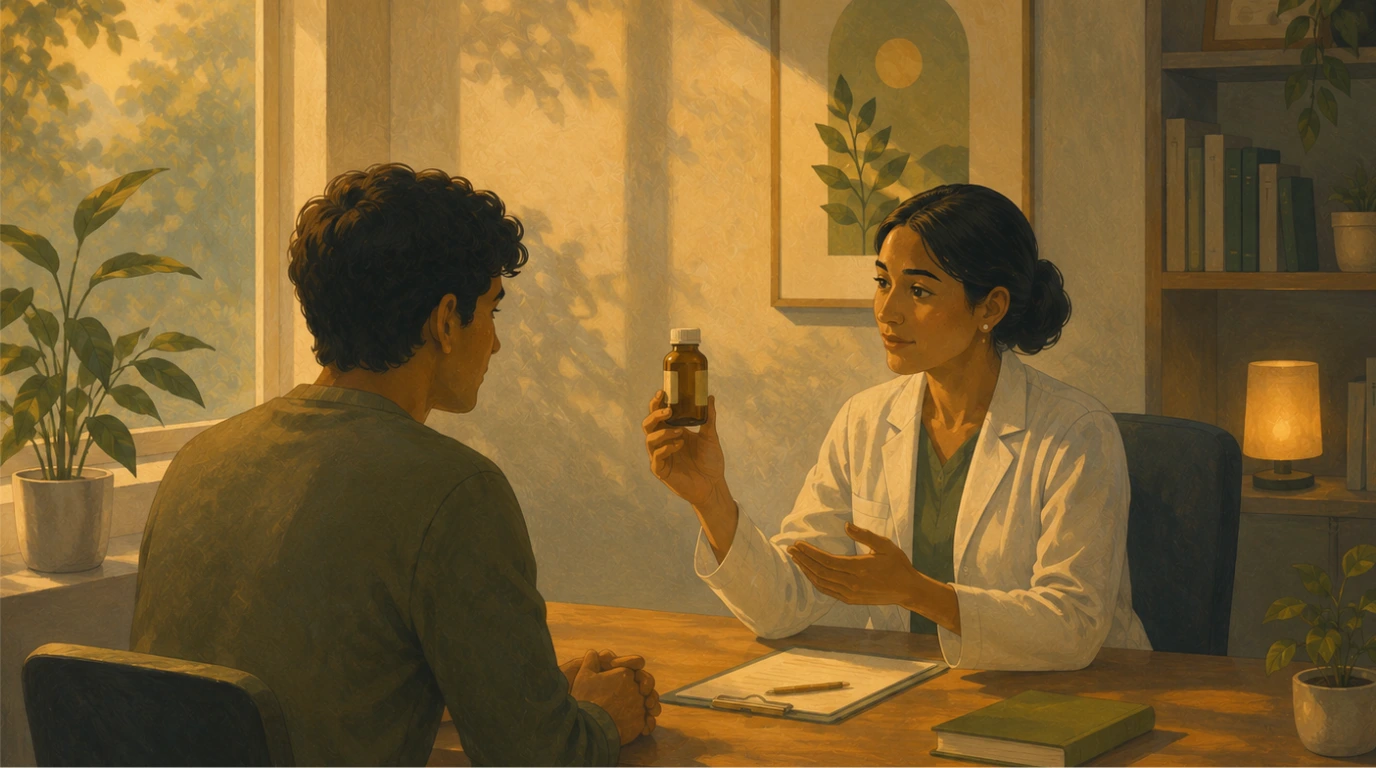
Medication-assisted treatment uses tested medicines to steady the brain. People often shorten it to MAT.
It is not swapping one drug for another. It is care backed by strong evidence.
Three medicines lead the field. Buprenorphine. Methadone. Naltrexone.
Buprenorphine is widely used in India. It eases cravings and softens withdrawal (Source: Indian context review, PMC, 2017 — ncbi.nlm.nih.gov).
It is a partial agonist. That means it calms the system without a strong high.
Methadone is another agonist option. It has the longest track record in opioid care.
Naltrexone works the other way. It blocks opioid effects. It suits people who have already detoxed and want to stay clean.
Each medicine has a role. A psychiatrist picks the right fit.
Why does this work so well? It cuts cravings. It lowers overdose risk. It keeps people in treatment.
The World Health Organization names agonist maintenance the option with the strongest evidence (Source: World Health Organization, 2024 — who.int). Global research agrees that these medicines reduce opioid use and improve survival (Source: National Institute on Drug Abuse, 2021 — nida.nih.gov).
One more tool saves lives. Naloxone reverses an opioid overdose if given in time.
Families at risk should ask a doctor about keeping it. It is simple to use.
Q: Is medication-assisted treatment safe for long-term use? A: Yes, under medical care. These medicines are well studied and widely used. They are stopped slowly, only when the person and the psychiatrist agree the time is right.
The Family's Role in Recovery
You are not a bystander here. You are part of the treatment team.
Start with how you speak. Blame pushes people away. Calm support draws them in.
Learn the basics of opioid use disorder. Knowledge lowers fear. It lowers anger too.
Set kind but firm boundaries. Support the person, not the drug use.
That balance is hard. It is also vital.
Avoid two extremes. Do not shame. Do not cover up.
Help with the practical steps. Book the psychiatrist. Reach the rehab team. Arrange the travel.
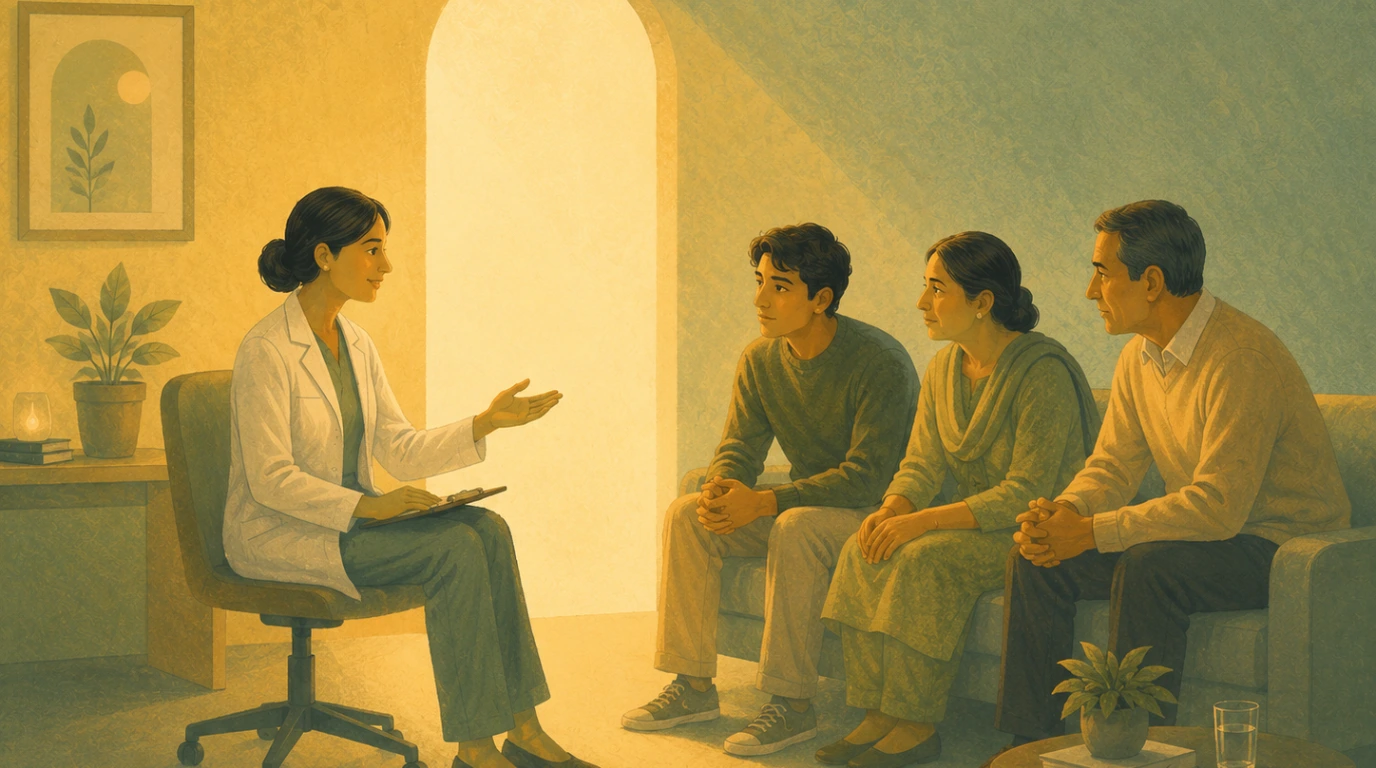
Stay involved in care. Join family therapy if it is offered. Your voice helps the clinician.
Keep the home steady. Predictable routines support healing.
Watch for overdose risk. If it is real, keep naloxone close and learn the signs.
Now protect yourself too. Caregiver burnout is real.
You cannot pour from an empty cup. Sleep. Eat. Lean on your own circle.
Find your own support if you can. Talk to a counsellor. Join a family group.
Forgive yourself for hard days. You did not cause this. You cannot control it alone.
Recovery is a marathon for the whole family. Pace yourself.
Q: Should families stage an intervention? A: Sometimes, but not as an ambush. A calm, planned talk works better than confrontation. A counsellor can guide the conversation so it leads toward treatment, not shame.
How to Choose the Right Care in India
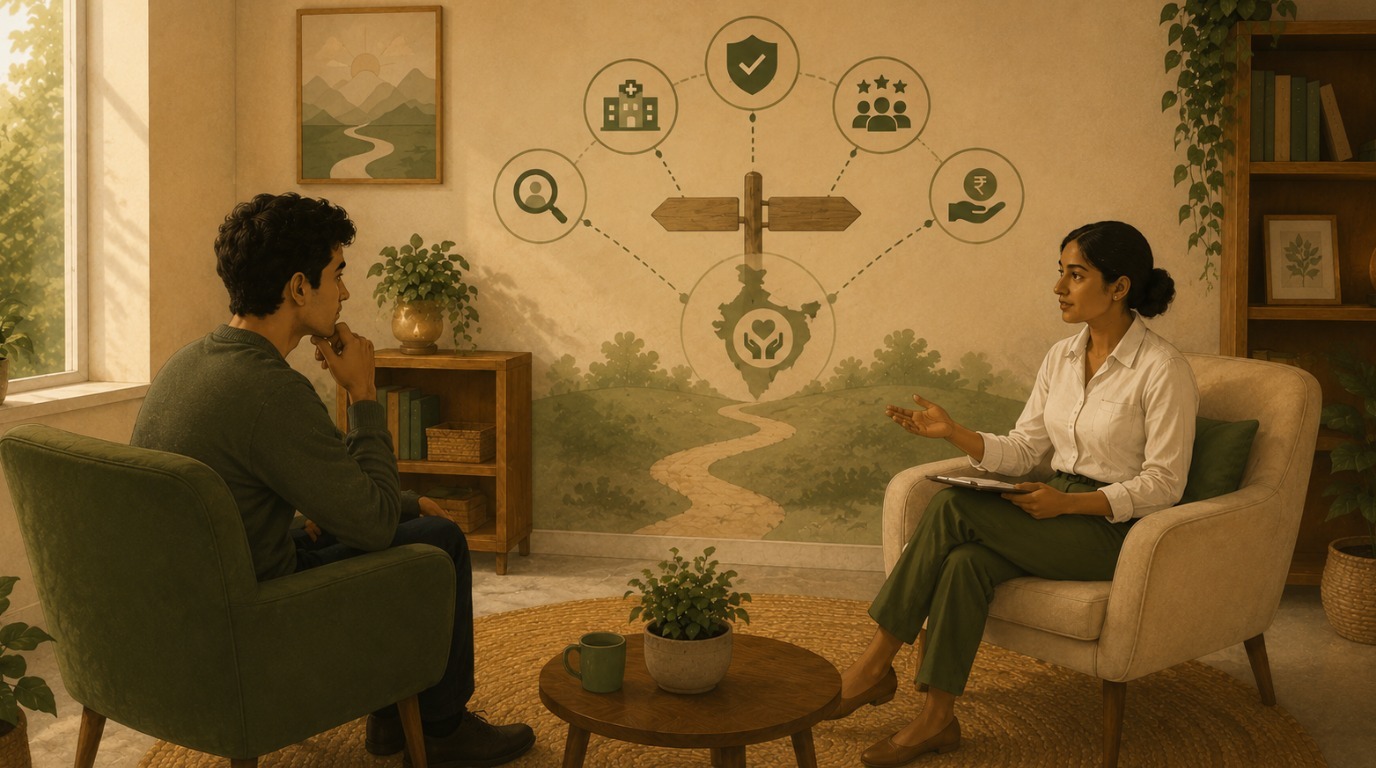
Choosing care can feel overwhelming. Let us make it simple.
Start with the team. Look for trained psychiatrists and nurses. Opioid care is medical work.
Check the detox process. Ask how withdrawal is managed. Safe detox is non-negotiable.
Ask about medication-assisted treatment. A centre that offers buprenorphine or naltrexone follows the evidence.
Look beyond the bed. Bed rest is not treatment. Therapy must be part of the plan.
Ask about aftercare. Recovery does not end at discharge. Good centres plan for life after.
Check the setting. A calm, safe space helps. So does respect and dignity.
Ask about family contact. Healthy centres welcome family, within clear rules.
Ask about cost and length. Programs often run 30, 60, or 90 days. Clear pricing builds trust.
Beware of red flags. Avoid centres that promise a guaranteed cure. Recovery has no shortcut.
Avoid places that hide their methods. Avoid harsh or punitive setups.
Visit if you can. Walk the grounds. Meet the team. Trust what you see.
A strong centre treats the person, not just the drug. That is the difference that lasts.
Location can matter too. Some families want a centre close to home. Others prefer distance from old triggers.
There is no single right answer. The best fit is the one your loved one will accept.
Q: What questions should I ask a rehab centre first? A: Ask who leads care, how detox is handled, and whether medication-assisted treatment is offered. Ask about therapy, family involvement, and aftercare. Clear answers signal a serious, evidence-based centre.
Preventing Relapse After Treatment
Finishing detox is a start, not the finish. Relapse risk is highest early on.
This is normal to face. It does not mean failure. It means recovery needs support.
Plan ahead. Know the triggers. Stress. People. Places. Pain.
Build a daily structure. Routine steadies the brain. Idle time invites cravings.
Stay on the care plan. If medication-assisted treatment is part of it, do not stop suddenly. Talk to the psychiatrist first.
Keep therapy going. Skills fade without practice. Sessions keep them sharp.
Lean on support groups. Shared recovery builds strength. It cuts isolation.
Treat the pain behind the drug. Many people used opioids for real pain. That pain needs a safe plan.
Watch mental health too. Anxiety and depression often ride alongside opioid use disorder. Treat them properly.
Mind the overdose risk after a break. Tolerance drops fast during abstinence. A normal old dose can become deadly.
This is why families keep naloxone close. It buys time in an emergency.
Celebrate small wins. A clean week matters. A clean month matters more.
Rebuild slowly. Work. Study. Friendships. These return with time.
Patience helps here. New habits need months to set. Old ones fade slowly.
Recovery is not a straight line. Slips can happen. What counts is getting back to care quickly.
Q: What should we do if relapse happens? A: Stay calm and act fast. Contact the psychiatrist or rehab team at once. A slip is a signal to adjust care, not a reason to give up. Many people relapse and still reach lasting recovery.
- About 2.26 crore people in India use opioids —
- Nearly 72 lakh Indians need treatment for opioid dependence —
- Less than 10% of people who need opioid dependence treatment receive it worldwide —
- The treatment gap for substance use disorders in India is about 90% —
- Buprenorphine, methadone, and naltrexone all reduce opioid use and improve survival —
- WHO updated its opioid dependence guidelines in 2025 to widen access to care — .
How Ganaa Supports Families Through Opioid Recovery
If you are ready to seek help, Ganaa can be your next step.
Ganaa is a mental health and rehabilitation brand in India. We have cared for people since 2012. In 2026, we merged with Mindvriksha to widen our reach.
We treat opioid use disorder and dual diagnosis. We treat the person, not just the drug.
Our care blends two worlds. Modern clinical science. Calming, nature-based settings.
That means tested methods like CBT and DBT. It also means yoga, meditation, and restful surroundings.
We run five residential centres. Ganaa Delhi I and Ganaa Delhi II in Chhatarpur. Ganaa Gurugram, with a women-only wing. Ganaa Goa, by the river in the south. Ganaa Greater Noida, a modern facility.
We also run three OPD clinics. These sit in Faridabad, Greater Kailash, and Greater Noida.
Programs run 30, 60, or 90 days, with aftercare. The length is matched to need.
We support families, not just patients. We know recovery is a shared journey.
Our team builds a tailored plan for each person. Medical detox where needed. Therapy that fits. A clear path home.
You do not have to figure this out alone. A trained team can guide each step.
Speak to a Ganaa admissions counsellor for a calm, private chat. Visit ganaa.in to learn more about our programs and centres.
There is a way forward. It starts with one conversation.
Conclusion: Hope Is a Plan, Not a Wish
Opioid dependence is hard. It is also treatable.
Your loved one is not beyond reach. The science is clear, and the path is known.
Remember the core steps. Spot the signs early. Seek a psychiatrist. Get safe detox.
Then build on it. Medication-assisted treatment cuts cravings and overdose risk. Therapy rebuilds daily life. Aftercare protects the gains.
Your role is real and large. Calm support. Steady boundaries. Practical help. Self-care for you too.
Do not wait for the perfect moment. Early care works better than late care.
You will face setbacks. A slip is not the end. It is a cue to return to care.
Keep your own health in view. A strong family is a healing force.
There is real hope here. Many people reach lasting recovery from opioid use disorder. Many families heal alongside them.
Start with one small step. A call. A question. A search for the right care.
If you need that first step, reach a psychiatrist or a trusted rehab team today. Help is closer than it feels.
FAQ
Q: What is opioid dependence treatment in India? A: It is structured medical care for opioid use disorder. It usually blends supervised withdrawal, medication-assisted treatment with buprenorphine or naltrexone, talk therapy, and aftercare. Care can run in an OPD clinic or in a residential rehab centre, based on need.
Q: Can opioid dependence be treated at home? A: Home detox is risky and often fails. Withdrawal can be intense, and relapse is common. A psychiatrist may guide mild cases on an OPD basis. Most people do better with supervised care, where doses and safety are watched closely.
Q: How long does opioid dependence treatment take? A: Withdrawal takes about one to two weeks. Recovery is longer. Many people stay on medication-assisted treatment for months or years. Residential programs often run 30, 60, or 90 days, then move into aftercare.
Q: Is medication-assisted treatment the same as swapping one drug for another? A: No. Medication-assisted treatment uses tested medicines like buprenorphine and naltrexone. They steady the brain, cut cravings, and lower overdose risk. The World Health Organization calls agonist maintenance the option with the strongest evidence. It is treatment, not a swap.
Q: What are the first signs of painkiller dependence? A: Watch for needing higher doses for the same relief. Watch for using a painkiller after the pain is gone. Other signs include secrecy, mood swings, money trouble, and withdrawal when a dose is missed. These point to opioid use disorder, not weak willpower.
Q: How can a family help a loved one with opioid dependence? A: Stay calm and avoid blame. Learn the basics of opioid use disorder. Help them reach a psychiatrist or rehab team. Keep naloxone at hand if overdose is a risk. Look after your own health too, since recovery is a long road for the whole family.
Q: How do I choose a rehab centre for opioid dependence in India? A: Look for trained psychiatrists and proper medical detox. Check that the centre offers medication-assisted treatment and therapy, not just bed rest. Ask about safety, family contact, and aftercare. Visit if you can. A good centre treats the person, not just the drug.
Mindfulness-based therapy cuts depression relapse risk in recurrent cases. Here is what MBCT is, what the trials found, and how the eight weeks actually run.
Eating disorders in India hide behind praise for discipline and thinness. Learn the early warning signs, what to say, and how treatment actually works.
High functioning anxiety hides behind good work and a calm face. Learn the hidden signs, what the body does, and when coping turns into the problem itself.