Mental wellness is built through small, consistent habits that support emotional balance and resilience. With the right support, healing and long-term wellbeing become possible one day at a time.
Mental Wellness in 2026: 10 Daily Practices That Actually Make a Difference
The world feels different in 2026. Work emails arrive before you wake up. Social media feeds scroll endlessly. The pressure to perform never stops. In this constant rush, mental wellness has become more than a personal goal. It is a necessity for survival.
You are not alone if you feel mentally exhausted most days. Studies show that 80% of Indian employees experience poor mental health symptoms. Nearly half of these cases are attributed to workplace stress alone. The annual cost of burnout and mental health losses in India now reaches approximately $350 billion.
But here is the hopeful truth. Mental wellness does not require a complete life overhaul. Small, consistent daily practices can create meaningful change. This guide shares 10 science-backed habits that truly work in 2026. You will also learn when daily practices are not enough and how professional support can help.
At Ganaa, we believe recovery is more than treatment. It is healing with dignity. Since 2012, we have offered holistic mental health and de-addiction care through expert psychiatrists, psychologists, and therapists, all within a calm, private and nurturing environment. Whether you or someone you love battles addiction or psychiatric challenges, Ganaa stands ready to guide you toward lasting recovery.
Why Mental Wellness Looks Different in 2026
Mental wellness in 2026 is no longer just about avoiding mental illness. It is about building daily resilience against constant stressors. The digital age has blurred boundaries between work and rest. Most professionals check their phones within minutes of waking up. The average person switches between tasks dozens of times per hour.
This creates what experts call "cognitive overload." Your brain treats information overload the same way it treats physical danger. Stress hormones spike. Heart rate increases. Sleep quality drops. Over time, this constant state of alert wears down your mental wellness.
Cities like Delhi and Gurugram face additional challenges. Air quality regularly hits dangerous levels. In high-pressure sectors such as IT and finance, workdays are often significantly longer than the standard eight hours. India already ranks among the countries with the longest average working hours globally, at over 55 hours per week.
From Crisis Care to Daily Mental Fitness
The good news is that thinking about mental wellness is changing. In the past, people waited for a crisis before seeking help. They thought therapy was only for severe illness. Today, more people understand that mental wellness works like physical fitness. You build strength through daily practice, not emergency interventions alone.
This shift matters because prevention works better than cure. Early attention to mental wellness stops small struggles from becoming major crises. It helps you maintain clarity, emotional balance and healthy relationships. Think of it as routine maintenance for your mind.
What "Mental Wellness" Really Means Today
Mental wellness means having the emotional resources to handle daily life. It includes clear thinking, stable moods and healthy ways to cope with stress. You feel connected to others. You find meaning in your activities. You can bounce back from setbacks without falling apart.
Mental wellness exists on a spectrum. Some days you feel better than others. That is normal. The goal is not constant happiness. It is having the tools to navigate difficult emotions without being overwhelmed by them.
Mental Wellness vs Mental Illness: Understanding the Difference
Many people confuse mental wellness with the absence of mental illness. They are related but different concepts. You can struggle with your mental wellness without having a diagnosed disorder. You might feel constantly anxious or emotionally numb but not meet clinical criteria for a condition.
Think of it this way. Physical fitness and physical illness are separate ideas. You can be free from disease but still unfit. Similarly, you can have no mental illness diagnosis but poor mental wellness. Daily practices strengthen both. They help prevent illness and improve overall wellbeing.
This distinction matters because it removes stigma. Seeking support for your mental wellness does not mean something is "wrong" with you. It means you care about maintaining emotional health, just as you would care for your physical health.
The Hidden Cost of Ignoring Mental Wellness
When mental wellness suffers, everything else follows. Work performance drops. Relationships strain. Physical health declines. Many people develop unhealthy coping mechanisms like excessive alcohol use or substance dependence. In India, 85% to 86% of people with alcohol use disorders do not receive help.
The economic impact is staggering. Mental health related productivity losses cost Indian businesses billions annually. But the personal cost is even higher. Burnout leads to chronic exhaustion. Anxiety steals your peace. Depression removes joy from activities you once loved.
Early Signs Your Mental Wellness Needs Attention
Recognizing warning signs early gives you the best chance for recovery. Pay attention if you notice these patterns:
Sleep problems (trouble falling asleep, waking frequently, or sleeping too much)
Constant fatigue even after rest
Difficulty concentrating or making decisions
Withdrawing from friends and family
Using alcohol or substances to cope
Irritability or mood swings
Loss of interest in activities you normally enjoy
Physical symptoms like headaches or stomach problems with no clear cause
If several of these signs persist for more than two weeks, consider reaching out for professional support. Early intervention prevents deeper struggles.
10 Daily Mental Wellness Practices That Truly Work in 2026
These practices are backed by research and designed for real life. You do not need to do all ten perfectly. Start with one or two that feel manageable. Build from there.
1. Start the Day Without Your Phone
The first 20 minutes after waking set your emotional tone for the day. Most people immediately check emails or social media. This floods your brain with external demands before it fully wakes up. Stress hormones spike. You start the day in reactive mode instead of calm control.
How to apply it: Keep your phone in another room overnight. When you wake up, spend 20 minutes on gentle activities. Stretch. Breathe deeply. Look out a window. Drink water. Let your brain transition naturally from sleep to alertness.
2. Practice One Daily Emotional Check-In
Most people rush through their days without noticing how they feel. This disconnect makes emotions build up until they explode. Regular emotional check-ins help you process feelings before they become overwhelming.
How to apply it: Set a reminder for mid-morning or lunch. Ask yourself: "What am I feeling right now?" Name the specific emotion. "I feel pressured" is more helpful than "I feel bad." Write it down if that helps.
3. Move Your Body Gently, Not Aggressively
Exercise helps mental wellness, but intense workouts can sometimes add stress if you are already burned out. Gentle movement works better for many people in 2026. Walking, stretching and yoga activate your body's calm response.
How to apply it: Aim for 20 to 30 minutes of moderate activity daily. A walk outside works well. If you sit for work, stand and stretch every hour. Movement does not need to be extreme to help.
4. Eat for Your Brain, Not Just Your Body
Your gut and brain are deeply connected. What you eat affects your mood, energy and mental clarity. Processed foods and high sugar create energy crashes and inflammation. This worsens anxiety and brain fog.
How to apply it: Focus on whole grains, healthy fats from nuts and seeds, and lean proteins. Stay hydrated throughout the day. Dehydration makes you irritable and unfocused. Small consistent changes matter more than perfect diets.
5. Protect Your Sleep Like a Medical Need
Sleep is the foundation of mental wellness. Poor sleep makes you more sensitive to stress and negative thoughts. It weakens your ability to regulate emotions. In 2026, sleep timing matters as much as duration.
How to apply it: Go to bed and wake up at the same time daily, even on weekends. This stabilizes your internal clock. Turn off screens 30 to 60 minutes before bed. The blue light blocks natural melatonin production. Keep your bedroom cool and dark.
6. Limit Alcohol and Substances Mindfully
Many people use alcohol to unwind after stressful days. While one drink might feel relaxing, regular alcohol use disrupts sleep quality and worsens anxiety over time. The same applies to other substances people use to cope.
How to apply it: Notice your patterns. If you drink or use substances most days, or if you need them to relax, that is a sign to reassess. Try alcohol free days. Find other ways to decompress like warm baths or reading.
7. Create One Daily Moment of Silence
Constant noise and stimulation keep your nervous system activated. Even two minutes of intentional silence helps reset your stress response. This is not about meditation mastery. It is about giving your brain a break.
How to apply it: Set a timer for two minutes. Sit comfortably. Breathe slowly and deeply. Your mind will wander. That is normal. Gently return attention to your breath. Do this before transitions like lunch or the end of work.
8. Stay Social, Even When You Don't Feel Like It
Isolation worsens mental wellness. Human connection releases mood lifting hormones and reduces stress. But when you feel low, socializing feels hard. Brief, intentional connection is enough.
How to apply it: Send a text to a friend. Have a short chat with a colleague. Call a family member for five minutes. You do not need long interactions. Small moments of connection add up.
9. Consume Less Negative News
Staying informed matters. But constant exposure to distressing news keeps your nervous system on alert. This is especially true with 24 hour news cycles and social media in 2026.
How to apply it: Set specific times to check news, perhaps once in the morning and once in the evening. Avoid scrolling before bed. Choose reliable sources instead of dramatic headlines. Turn off push notifications.
10. Ask for Professional Support Early
The most important practice is knowing when to seek help. Therapy and professional support are not signs of weakness. They are tools for maintaining wellness, just like regular health checkups.
How to apply it: If you notice persistent struggles with sleep, mood, relationships or substance use, reach out. Talking to a counselor or psychiatrist can prevent small issues from becoming crises. Early support leads to better outcomes.
When Daily Practices Are Not Enough
Daily habits create a strong foundation for mental wellness. But sometimes they are not enough on their own. This does not mean you failed. It means you need additional support, which is completely normal.
Signs You May Need Structured Mental Health Support
Consider professional help if you experience:
Thoughts of self harm or suicide
Substance use that interferes with work or relationships
Inability to function in daily activities
Severe anxiety or panic attacks
Persistent depression lasting more than two weeks
Significant changes in appetite or sleep despite trying healthy habits
Relationship breakdowns caused by emotional struggles
These signs indicate that your mental wellness needs more than daily practices. Structured support from trained professionals can provide the intensive care you need.
How Professional Care Strengthens Mental Wellness
Professional mental health care offers tools that self help cannot provide. Therapists help you understand thought patterns that keep you stuck. Psychiatrists can assess whether medication might help balance brain chemistry. Holistic programs address the full picture of your wellness.
Why Integrated Treatment Works Better Than Self-Help Alone
Integrated treatment means addressing mental wellness from multiple angles at once. This includes:
Psychiatric care for diagnosis and medication management when needed
Therapy to develop coping skills and process emotions
Holistic practices like yoga, nutrition counseling and mindfulness
Environment that supports healing rather than triggering stress
Research shows this comprehensive approach works better than any single intervention. When your body, mind and environment all support recovery, healing happens faster and lasts longer.
At Ganaa, integrated treatment is our core approach. We combine expert psychiatric care with evidence based therapies and holistic practices. Our high staff to client ratio ensures personalized attention. Every treatment plan is customized to your specific needs.
Why Healing Environment Matters More Than You Think
Where you heal matters as much as how you heal. Sterile clinical settings can feel cold and institutional. They may trigger anxiety rather than calm. In contrast, peaceful natural environments help your nervous system relax.
Ganaa's centers in Delhi, Gurugram, and Goa provide private, serene spaces surrounded by nature. Natural light, green surroundings and quiet areas all support your recovery. Privacy and dignity are protected at every step. This creates the safety your mind needs to heal.
Our luxury facilities are not about extravagance. They are about removing barriers to recovery. When you feel comfortable and respected, you can focus fully on healing.
How Ganaa Supports Long-Term Mental Wellness
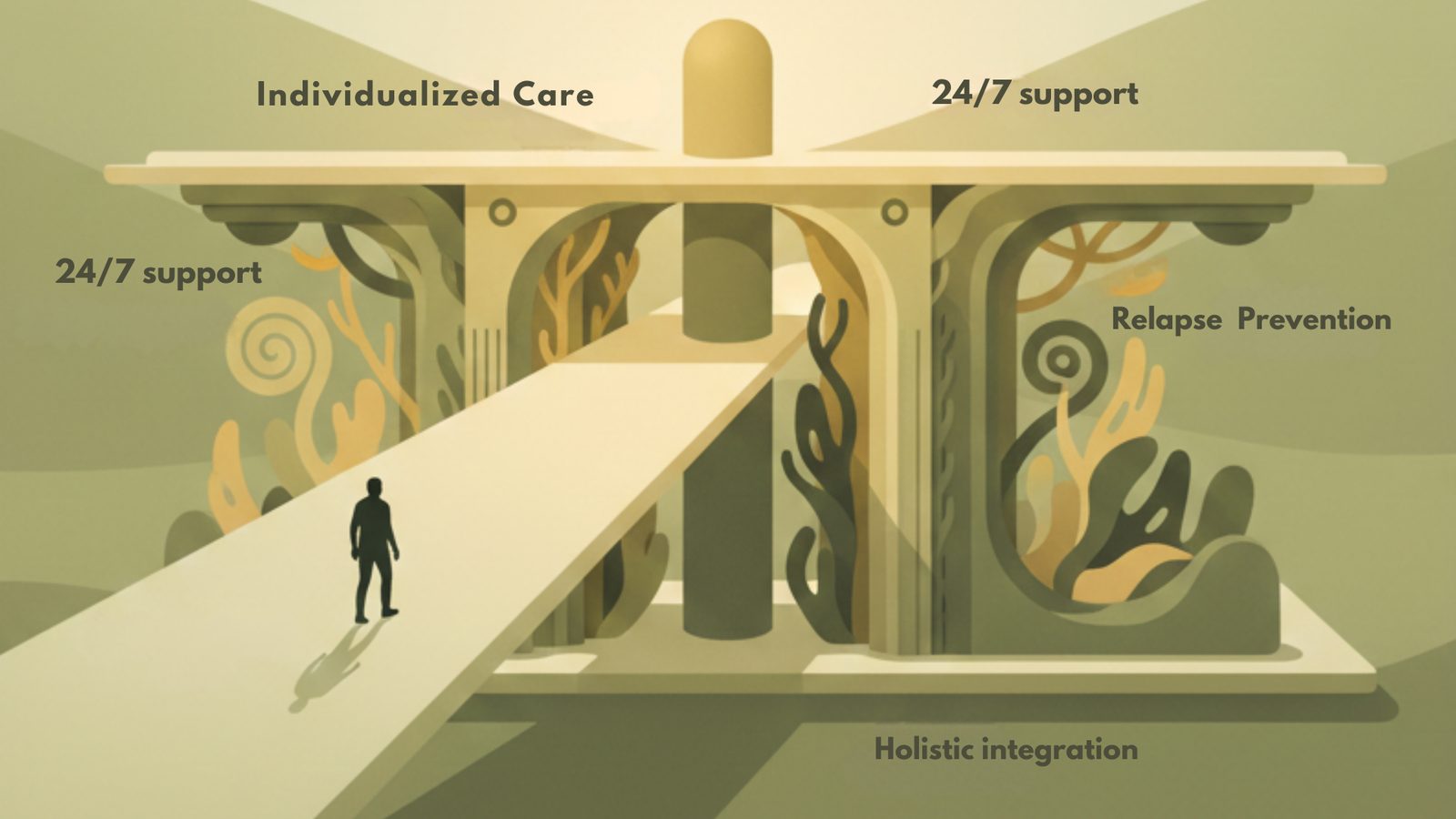
Ganaa offers more than temporary fixes. We help you build lasting mental wellness through:
Individualized Care Plans: No two people struggle in the same way. We create treatment plans specific to your history, symptoms and goals.
24/7 Expert Support: Our high staff to client ratio means you receive constant, attentive care. You are never alone in your recovery journey.
Family Involvement: We include families in treatment when appropriate. Strong support systems improve long-term outcomes.
Relapse Prevention: Recovery does not end when you leave our center. We teach skills and create plans that support your wellness for years ahead.
Holistic Integration: We combine psychiatric expertise with therapy, yoga, nutrition support and recreational activities. This treats the whole person, not just symptoms.
Whether you struggle with addiction, anxiety, depression or other mental health challenges, Ganaa provides compassionate, expert care in a healing environment.
Mental Wellness Is a Daily Commitment, Not a Destination
Mental wellness is not something you achieve once and forget. It is a practice you return to daily. Some days will feel easier than others. Progress is not linear. What matters is your commitment to showing up for yourself.
The 10 practices shared here give you a strong foundation. Start small. Pick one or two habits that feel manageable. Build consistency before adding more. Celebrate small wins. Every step toward better mental wellness counts.
Remember that seeking professional support is not giving up on daily practices. It is strengthening them. Therapy and treatment provide tools that make your daily efforts more effective.
You deserve to feel emotionally balanced, mentally clear and genuinely at peace. That is possible with the right combination of daily habits and professional support when needed.
If you or a loved one need compassionate, professional mental health support, Ganaa is here to guide you toward lasting recovery with dignity and care. Contact us today to learn how we can help.
Frequently Asked Questions About Mental Wellness in 2026
Q: What is mental wellness?
A: Mental wellness means maintaining emotional balance, mental clarity and healthy coping skills in daily life. It includes managing stress well, having stable moods and feeling connected to others.
Q: How is mental wellness different from mental illness?
A: Mental wellness focuses on overall emotional health and daily functioning. Mental illness refers to diagnosed conditions like depression or anxiety disorders. You can work on mental wellness even without a mental illness diagnosis.
Q: Can daily habits really improve mental wellness?
A: Yes. Research shows that consistent small habits have powerful long-term effects on mental wellness. Practices like regular sleep, gentle movement and social connection strengthen emotional resilience over time.
Q: When should I seek professional mental health help?
A: Seek help if distress affects your sleep, work, relationships or daily functioning for more than two weeks. Also seek immediate help if you have thoughts of self harm or if substance use is causing problems.
Q: Is therapy only for serious mental illness?
A: No. Therapy supports prevention, personal growth and building coping skills. Many people benefit from therapy even without a diagnosed mental illness. It is a tool for maintaining wellness, not just treating illness.
Q: Does environment really affect mental wellness?
A: Yes. Calm, private and natural environments help your nervous system relax and heal. Stressful or chaotic environments can worsen mental health symptoms. Healing spaces support recovery.
Q: How does Ganaa support mental wellness differently?
A: Ganaa provides personalized, holistic care in dignified, luxury settings. Our high staff to client ratio ensures constant support. We combine psychiatric expertise with therapy and holistic practices to treat the whole person, not just symptoms.
Bipolar misdiagnosed as depression is common, and the delay runs close to nine years. Learn the clues, why hypomania is missed, and how to get a better review.
Adolescent mental health in India is under-treated. Learn 11 warning signs parents miss, what the data shows, how to start the talk, and when to seek help.
Gaming disorder in teens is a real diagnosis, not a phase. Learn the WHO criteria, how common it is, the signs parents miss, and what actually works at home.