Mental Health Treatment Options and Rehab Services
Mental health treatment is not one-size-fits-all. The right combination of therapy, support, rehabilitation, and compassionate care can help individuals regain stability, confidence, and long-term emotional wellbeing.
Mental Health Treatment Options: What You Need to Know
Mental health challenges affect millions of people across India. Whether you are feeling constantly anxious, struggling with depression, battling addiction, or supporting a loved one through a mental health crisis, you are not alone. The good news is that mental health treatment works, and there are many options available to help you heal.
At Ganaa, we believe recovery is more than treatment—it is healing with dignity. Since 2012, we have offered holistic mental health and de-addiction care through expert psychiatrists, psychologists, and therapists, all within a calm, private and nurturing environment. Whether you or someone you love battles addiction or psychiatric challenges, Ganaa stands ready to guide you toward lasting recovery.
This guide will walk you through the main mental health treatment options in India—from therapy and medication to structured mental health rehabilitation services. We will explain when each option is helpful, how to choose the right path, and what to expect along the way. Our goal is to make this confusing journey clearer for you and your family.
What Is Mental Health Treatment and Why It Matters
Q: What is mental health treatment?
A: Mental health treatment includes therapy, medication, lifestyle changes, and sometimes structured rehabilitation. It helps restore balance in your thoughts, emotions, and behavior so you can feel stable, safe, and functional again.
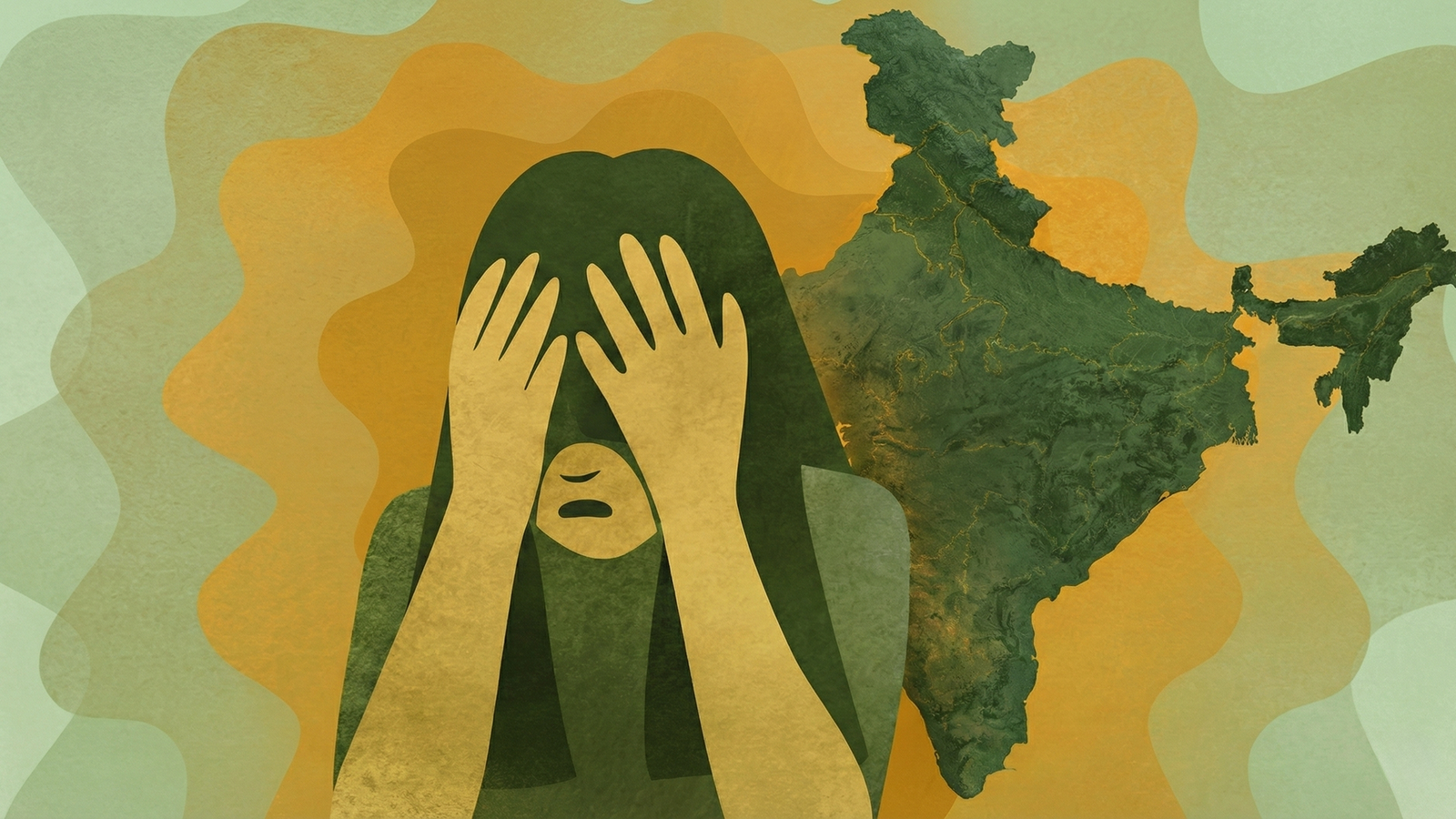
Mental health treatment is not just for "serious" or "extreme" cases. Anyone experiencing significant distress—whether from anxiety, depression, bipolar disorder, schizophrenia, or addiction—can benefit. In India, about 10 to 11 percent of adults live with a diagnosable mental health disorder. Yet up to 92 percent of people with these conditions receive no professional help due to stigma, lack of awareness, or limited access to care.
Substance use disorders (alcohol or drug addiction)
Post traumatic stress disorder (trauma reactions)
The goal of mental health treatment is simple: to relieve symptoms, improve daily functioning, and enhance quality of life. Early help can prevent crises and even save lives.
Common Signs You or a Loved One May Need Help
Watch for these warning signs:
Constant sadness, hopelessness, or feeling empty
Excessive anxiety, panic, or fear that disrupts daily life
Sudden mood swings or anger out of proportion
Changes in sleep (insomnia or sleeping too much)
Loss of interest in activities you once enjoyed
Withdrawing from family and friends
Falling performance at work or school
Neglecting personal hygiene or self-care
Using alcohol or drugs to cope
Thoughts of self-harm or suicide
If you are wondering whether you or a loved one needs help, it is safer to talk to a professional. Asking for help is not weakness—it is courage.
Who Provides Mental Health Treatment?
Understanding who does what can save time and confusion:
Psychiatrist: A medical doctor (MD) who diagnoses mental illness and prescribes medication. Best for moderate to severe conditions like psychosis, bipolar disorder, or severe depression.
Psychologist: A trained professional (PhD or PsyD) who provides therapy and psychological testing. Cannot prescribe medication in most cases.
Counselor or Therapist: Usually holds a master's degree. Offers talk therapy and coping support for mild to moderate issues.
Multidisciplinary Team: High-quality rehab centers like Ganaa use teams of psychiatrists, psychologists, therapists, nurses, and support staff working together.
Good mental health treatment often involves a team approach. No single provider has all the answers.
Main Types of Mental Health Treatment Options
Mental health treatment is rarely one-size-fits-all. Most people benefit from a personalized mix of therapies, medication, lifestyle changes, and—when needed—structured rehabilitation.
Quick Facts: Mental Health Treatment Options
Therapy (Counseling): Talk-based support to understand thoughts, emotions, and behaviors.
Medication: Psychiatric drugs that balance brain chemistry and reduce symptoms.
Combined Treatment: Therapy plus medication plus support for best results.
Lifestyle Changes: Exercise, sleep routines, nutrition, and stress management.
Rehabilitation Services: Intensive, structured programs for serious or long-term conditions.
Let us explore each option in detail.
Psychotherapy and Counseling (Talk Therapy)
Psychotherapy, or talk therapy, involves working with a trained therapist to understand and change unhelpful thoughts and behaviors.
Common types of therapy include:
Cognitive Behavioral Therapy (CBT): Focuses on changing negative thinking patterns.
Dialectical Behavior Therapy (DBT): Teaches emotion regulation and distress tolerance.
Interpersonal Therapy: Improves relationships and communication.
Family Therapy: Involves the whole family in healing and problem-solving.
Therapy provides a safe, confidential space to talk. Your therapist will not judge you or force you to discuss painful memories before you are ready. Instead, they help you develop coping skills, process trauma, and build healthier habits.
Medication and Psychiatric Care
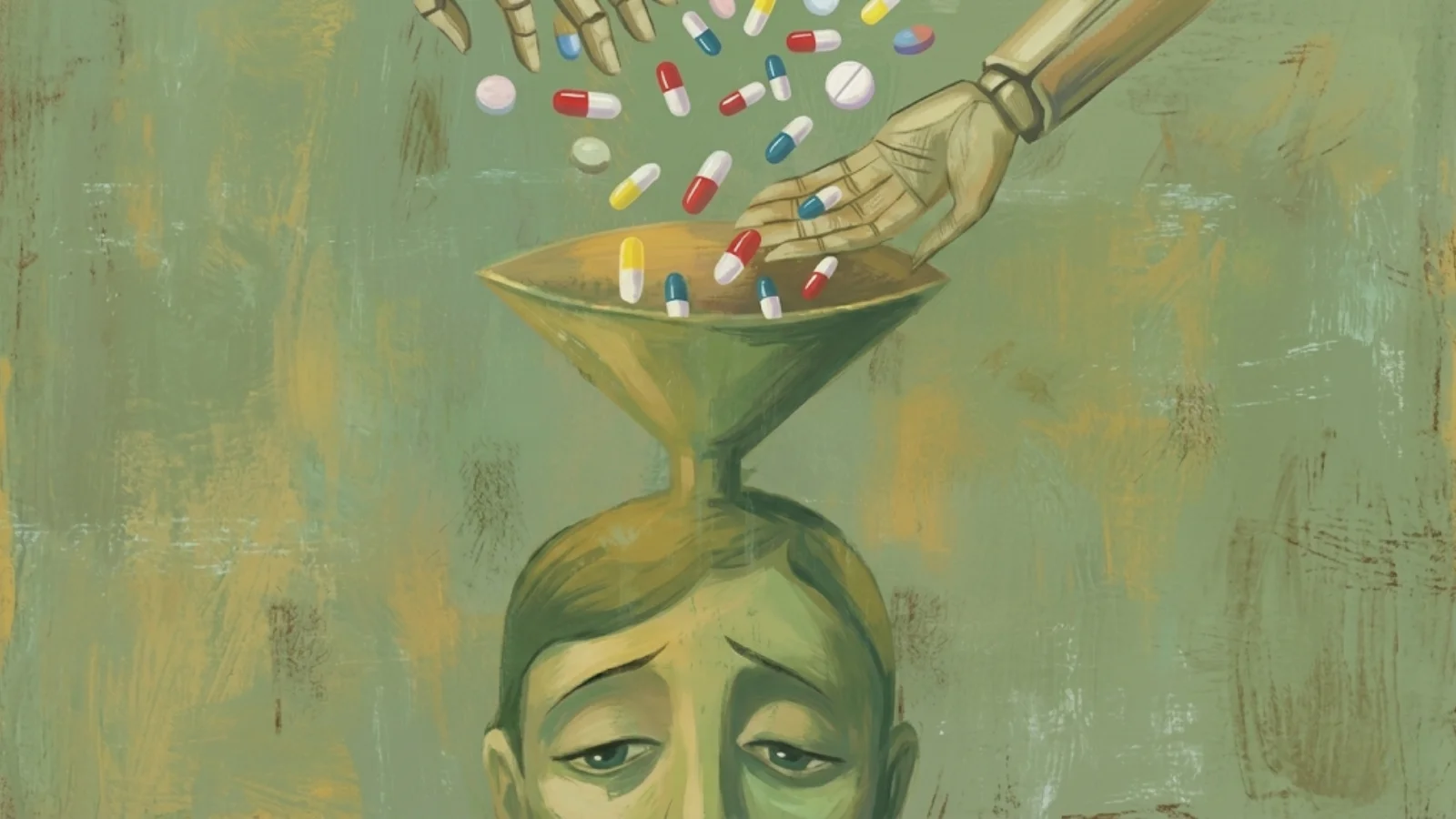
Medication is often helpful for moderate to severe mental health conditions. Psychiatric medications balance brain chemistry to reduce symptoms like overwhelming sadness, anxiety, hallucinations, or manic episodes.
Common types include:
Antidepressants
Antipsychotics
Mood stabilizers
Anti-anxiety medications
A psychiatrist monitors your medication closely. Never stop taking psychiatric medication suddenly without consulting your doctor, as this can cause relapse.
Combined Treatment: Therapy Plus Medication Plus Support
Research shows that combining medication with psychotherapy gives better outcomes than either alone, especially for serious mental illness. This integrated approach addresses both brain chemistry and life skills.
For people with dual diagnosis—addiction plus a mental health disorder—combined treatment is essential. Treating only the addiction or only the disorder often leads to relapse. Centers like Ganaa specialize in this dual-diagnosis approach, ensuring the same team addresses both issues together.
Holistic and Complementary Therapies
Complementary therapies enhance well-being when used alongside medical care:
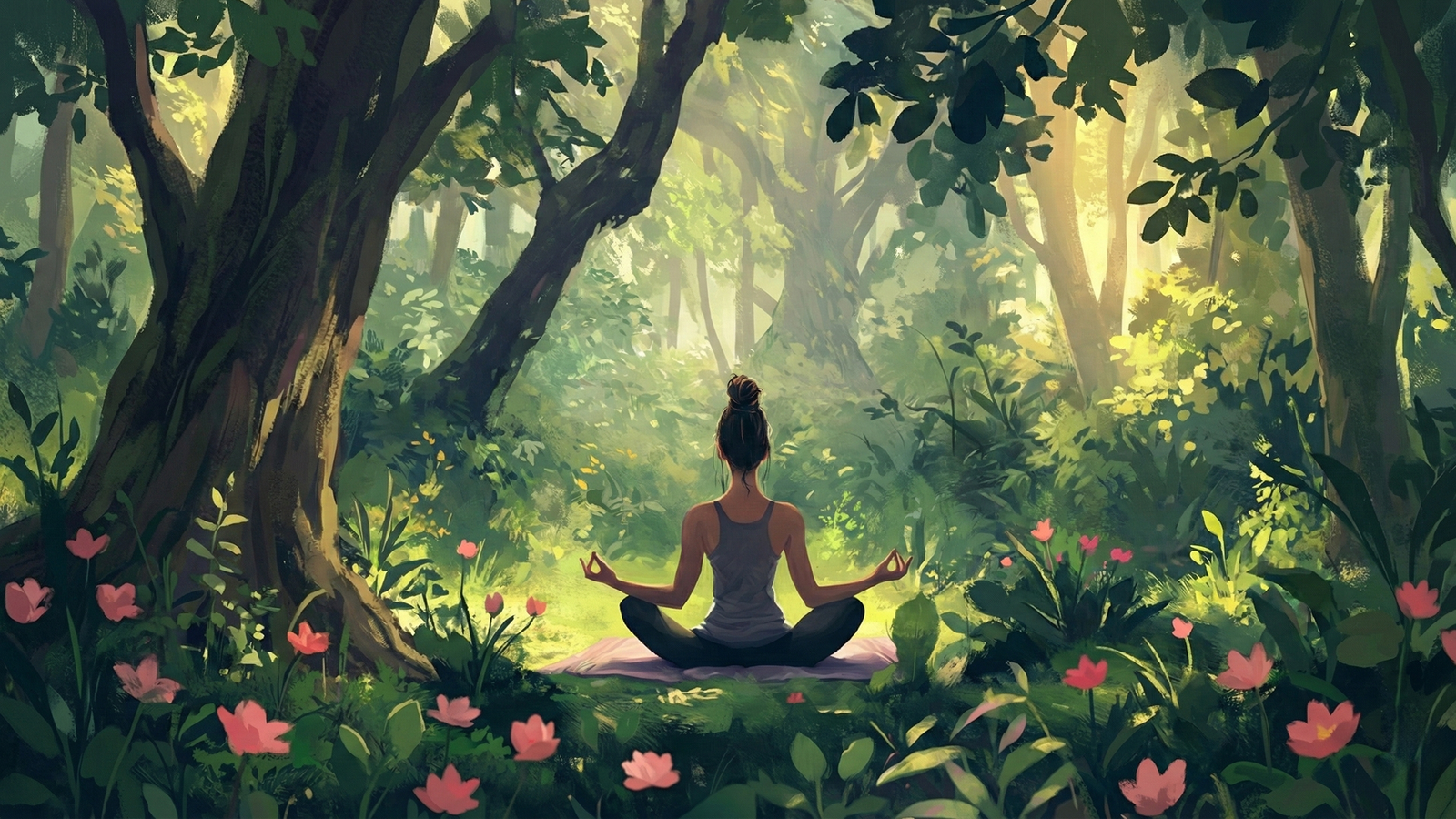
Yoga and meditation reduce stress and improve focus.
These practices are evidence-supported but are not substitutes for therapy or medication. Ganaa integrates holistic activities like yoga, mindfulness, and nature walks into treatment programs to support healing in body and mind.
Self-Help and Lifestyle Changes
Healthy routines support recovery and can prevent mild issues from worsening:
Regular exercise: Even a 30-minute walk improves mood and reduces anxiety.
Sleep hygiene: Aim for 7 to 8 hours of quality sleep each night.
Balanced nutrition: Eat regular meals with fruits, vegetables, and whole grains.
Stress management: Try deep breathing, meditation, or journaling.
Limit alcohol and drugs: These worsen mental health over time.
Stay connected: Spend time with supportive family and friends.
However, self-help alone is not enough for moderate to severe mental illness. Think of lifestyle changes as supportive, not a replacement for professional care.
What Are Mental Health Rehabilitation Services?
Q: What are mental health rehabilitation services?
A: Mental health rehabilitation services are structured programs—often residential—that help people with serious or long-term mental health or addiction issues regain daily skills, independence, and stability. They go beyond crisis management to focus on long-term recovery.
Rehabilitation is not just for addiction. It is also for people with severe depression, bipolar disorder, schizophrenia, or repeated hospitalizations. The goal is to rebuild functioning, not just reduce symptoms.
In India, mental health rehabilitation services include:
Daily therapy and counseling
Medication management and monitoring
Life skills training (cooking, budgeting, communication)
Social skills development
Vocational or educational planning
Family education and support
Relapse prevention planning
How Rehabilitation Differs from Regular Therapy
Regular outpatient therapy involves one-hour sessions once a week. You live at home and manage daily life on your own. This works well for many people with mild to moderate issues.
Rehabilitation, especially inpatient rehab, is much more intensive:
Daily structure: Multiple therapy sessions, activities, and support each day.
24/7 care: Medical and emotional support available round the clock.
Multidisciplinary team: Psychiatrists, psychologists, nurses, therapists, and social workers coordinate closely.
Safe environment: Removed from triggers, stressors, or unsafe home situations.
Skills-building focus: Explicit teaching of coping strategies, routines, and problem-solving.
Rehabilitation is not punishment. It is a safe, supportive space for intensive healing when outpatient care is not enough.
Who Can Benefit from Mental Health Rehabilitation?
Consider mental health rehabilitation services if you or your loved one experiences:
Repeated relapses with addiction despite multiple attempts at quitting
Severe depression or anxiety not improving with outpatient therapy and medication
Suicide attempts or ongoing self-harm thoughts
Psychotic episodes (hallucinations, delusions) with difficulty managing daily life
Severe bipolar disorder with frequent manic or depressive episodes
Self-neglect (not eating, bathing, or caring for basic needs)
Dual diagnosis (addiction plus mental illness) that keeps cycling
Unsafe or unsupportive home environment that hinders recovery
Rehabilitation provides the structure and safety needed to break destructive patterns and build new, healthy ones.
Inpatient vs Outpatient Rehabilitation
Inpatient (Residential) Rehab: You stay full-time at the center for several weeks or months. You receive 24/7 medical supervision, structured daily routines, and intensive therapy. Best when immediate stabilization is needed or home environment is harmful.
Outpatient or Daycare Programs: You attend the center during the day for therapy and activities, then return home at night. Suitable for people with milder issues or strong home support.
Ganaa offers both Outpatient/Daycare programs, as well as residential mental health rehabilitation services with a high staff-to-client ratio. Our nature-based campuses in Delhi, Gurugram, and Goa provide private or semi-private rooms in calm, healing surroundings.
Inside a Mental Health Rehab Program: What to Expect Day to Day
Many people fear rehab because they imagine harsh, prison-like conditions. The reality at quality centers like Ganaa is very different. Here is what a typical day might look like:
Morning: Wake up, self-care time, healthy breakfast. Morning yoga and meditation session.
Mid-morning: Individual therapy (one-on-one with your counselor). Medication review with the psychiatrist if needed.
Lunch: Nutritious meal, followed by rest time.
Afternoon: Group therapy or psychoeducation class. Creative activities like art therapy or journaling.
Evening: Nature walk, recreational activities, or family therapy session (if scheduled). Dinner together.
Night: Relaxation activities (mindfulness, reading). Lights out with staff available 24/7 for any needs.
The environment is respectful, calm, and supportive—not punitive. Privacy and dignity are protected at every step.
Assessment and Personalized Treatment Planning
Upon admission, Ganaa's clinical team conducts a thorough assessment:
Family interview (understanding home environment and support)
Based on this, a personalized treatment plan is created. This plan outlines:
Therapies you will receive (individual, group, family)
Medication regimen (if needed)
Holistic activities (yoga, art, nature walks)
Duration estimate (flexible based on progress)
Measurable goals (like reducing anxiety or staying sober)
Therapies and Activities You May Receive
Core elements of a rehab program include:
Individual therapy: One-on-one sessions with your therapist to process emotions and build coping skills.
Group therapy: Peer support groups where you learn from others facing similar challenges.
Family therapy: Joint sessions to rebuild trust, educate family members, and plan support at home.
Medication management: Daily monitoring by psychiatrists to ensure safety and effectiveness.
Psychoeducation: Classes on understanding your illness, warning signs, and self-care.
Life skills training: Workshops on stress management, communication, anger control, and daily routines.
Holistic activities: Yoga, meditation, art therapy, music therapy, gardening, and nature walks.
Ganaa's integrated approach combines modern psychiatry with holistic therapies. Our serene campuses surrounded by greenery support healing in body, mind, and spirit.
Family Involvement and Aftercare
Recovery is a family journey. Ganaa involves families from day one:
Daily updates on progress through dedicated family Whatsapp group
Family education sessions (understanding the illness, how to help at home)
Joint therapy meetings to address relationship issues and build healthy communication
Relapse prevention planning before discharge
After you leave the center, Ganaa provides aftercare support:
Regular follow-ups with psychologist and psychiatrist
Access to support groups or alumni networks
A detailed relapse prevention plan
This continuity of care reduces the risk of relapse and gives families confidence that support continues beyond the rehab stay.
How to Choose the Right Mental Health Treatment Path in India
Choosing the right mental health treatment depends on the severity of your symptoms, your support system, and your personal needs.
Simple decision framework:
Mild issues (occasional stress, mild anxiety or sadness): Start with self-help, lifestyle changes, and weekly counseling.
Moderate issues (persistent symptoms affecting work or relationships): See a psychiatrist for medication plus regular therapy.
Severe or complex issues (safety risks, repeated relapses, inability to function): Consider structured mental health rehabilitation services like inpatient rehab.
It is okay to ask questions and get second opinions. Recovery is not a race—it is a journey.
Questions to Ask Any Mental Health Professional or Rehab Center
Before choosing a rehab center, ask:
What are the qualifications of your psychiatrists, psychologists, and therapists?
Is 24/7 medical support available on-site?
How do you handle dual diagnosis (addiction plus mental illness)?
How are families involved in treatment?
What are your privacy and confidentiality measures?
Do you have clear emergency protocols?
What aftercare and follow-up support do you provide?
How do you measure treatment success?
Are you licensed and accredited by relevant health authorities?
These questions ensure transparency and safety.
Red Flags to Avoid in Mental Health or Rehab Services
Beware of centers that:
Have no qualified psychiatrist on staff
Refuse to share costs or treatment plans in writing
Promise "100 percent cure in 15 days" (recovery is complex and individual)
Use shaming, punishment, or isolation as treatment
Do not allow family involvement or visits
Have no emergency medical protocols
Push unproven or only spiritual treatments without medical care
Offer no aftercare or follow-up once you leave
Always verify credentials and read reviews before committing.
Why Choose Ganaa for Mental Health Treatment and Rehabilitation
At Ganaa, we combine compassion with clinical excellence. Here is what sets us apart:
Compassionate, Individual-Focused Care with 24/7 Support
Ganaa maintains a high staff-to-client ratio, ensuring you are never alone during a crisis. Our team is available round the clock so you feel safe and heard.
We treat every client with dignity and respect. Whether you are going through detox, managing severe depression, or facing your first psychotic episode, our staff provides gentle, non-judgmental support. Recovery happens in an environment of trust, not fear.
Integrated Treatment for Addiction and Psychiatric Disorders
Many people struggle with both addiction and mental health issues—what experts call dual diagnosis. Ganaa specializes in treating both addiction and psychiatric disorders together. The same team addresses your alcohol dependence and your underlying psychiatric disorder like depression or bipolar disorder. This integrated approach prevents the cycle of relapse that happens when only one issue is treated.
Healing Environment: Luxury, Nature-Rich, Private
Mental health treatment works best in calm, safe surroundings. Ganaa's centers are located on nature-based campuses surrounded by greenery. Our facilities in Chhatarpur (Delhi), Sector 46 (Gurugram), and Goa offer:
Private or semi-private rooms with comfortable furnishings
Homely, non-hospital atmosphere
Gated, secure premises that protect your privacy
This luxury environment is not about extravagance—it is about creating the right conditions for healing.
Family Engagement and Long-Term Recovery Support
Ganaa believes families are partners in recovery. From your first call to months after discharge, we involve your loved ones:
Regular family updates and education sessions
Joint family therapy to rebuild trust and communication
Relapse prevention planning that includes the whole family
Regular in-person or online follow-up sessions after you leave
This family-focused approach ensures that recovery lasts long after you leave our facilities.
How to Start Your Mental Health Treatment Journey with Ganaa
Taking the first step is often the hardest. Here is how Ganaa makes it simple:
Step 1: Reach Out for a Free, Confidential Consultation
Call Ganaa's helpline or fill out the online form on our website. You will speak with a member of our care team who listens without judgment. Share your symptoms, concerns, and history. There is no obligation—this consultation is free and completely confidential.
Step 2: Assessment and Custom Plan
If you decide to proceed, Ganaa's clinical team will conduct a detailed assessment. The team will determine:
The best level of care for you (outpatient vs inpatient)
Estimated length of stay (flexible based on progress)
Therapies and activities tailored to your needs
Medication plan (if appropriate)
Every treatment plan is personalized. No two people receive the same program.
Step 3: Admission, Stay, and Aftercare
Once your plan is ready, Ganaa will guide you through admission logistics. During your stay, the team supports you through the first few days (often the hardest). Your progress is reviewed actively, and adjustments are made as needed. Before discharge, a detailed aftercare plan ensures you have support at home.
You do not have to decide today. Reach out to Ganaa for a free consultation, and let us help you explore your options step by step.
Quick Facts and Resources: Mental Health Treatment in India
Quick Facts:
About 10 to 11 percent of Indian adults have a diagnosable mental health disorder.
Women report higher rates (around 20 percent) than men (around 10 percent).
Up to 92 percent of people with mental disorders in India receive no treatment due to stigma and lack of resources.
India recorded over 171,000 suicides in 2019. Early treatment can prevent many of these tragedies.
The treatment gap is huge: most people who need help never get it.
Helplines and Support
KIRAN (1800-599-0019): 24/7 toll-free mental health helpline across India in 13 languages.
Ganaa Helpline (+91-8750075006): Our trained team listens without judgment, answers questions, and guides individuals and families toward appropriate next steps.
FAQs About Mental Health Treatment and Rehabilitation
Q: What is mental health treatment?
A: Mental health treatment includes therapy, medication, lifestyle changes, and structured rehabilitation to help you feel stable, safe, and functional again. It addresses thoughts, emotions, and behaviors that cause distress.
Q: What are mental health rehabilitation services?
A: Mental health rehabilitation services are structured, often residential programs for people with serious or long-term mental health or addiction issues. They focus on rebuilding daily skills, independence, and long-term recovery—not just symptom relief.
Q: How do I know if I or my loved one needs a rehab center instead of just counseling?
A: Consider rehab if there are repeated relapses, safety risks, severe symptoms, or difficulty managing daily life at home. If outpatient counseling and medication are not helping, a doctor may suggest structured rehab for intensive support.
Q: Is medication always required for mental health treatment?
A: No. Some people improve with therapy and lifestyle changes alone, especially in mild cases. However, many moderate to severe conditions respond best to a combination of medication and therapy under a psychiatrist's guidance.
Q: Are mental health treatment and mental health rehabilitation services available in Delhi-NCR?
A: Yes. Delhi-NCR has many outpatient mental health services and residential rehab centers. Ganaa offers integrated psychiatric and de-addiction care in Delhi and Gurugram, with a center in Goa for those seeking complete privacy.
Q: How private and safe is a luxury rehab center like Ganaa?
A: Centers like Ganaa prioritize privacy and safety. We have gated, nature-based campuses with private rooms, strict confidentiality policies, and 24/7 staff support. Clients feel secure and respected throughout their stay.
Q: How can I start mental health treatment at Ganaa?
A: Call Ganaa or fill out our online form for a free, confidential consultation. Our team will listen to your story and suggest the right level of care. There is no obligation—we are here to guide you step by step.
Take the First Step Toward Healing
Mental health challenges can feel overwhelming, but you do not have to face them alone. Whether you need therapy, medication, or mental health rehabilitation services, the right support can help you reclaim your life.
At Ganaa, we offer compassionate, individual-focused care that treats the whole person—mind, body, and spirit. With 24/7 support, integrated treatment for addiction and psychiatric disorders, and serene campuses designed for healing, Ganaa is here to walk with you on your recovery journey.
If you are unsure which mental health treatment path is right, contact Ganaa today for a personalized consultation. Let us listen to your story and help you find the care you deserve. Visit www.ganaa.in or call us now to take the first step toward lasting recovery.
Bipolar misdiagnosed as depression is common, and the delay runs close to nine years. Learn the clues, why hypomania is missed, and how to get a better review.
Adolescent mental health in India is under-treated. Learn 11 warning signs parents miss, what the data shows, how to start the talk, and when to seek help.
Gaming disorder in teens is a real diagnosis, not a phase. Learn the WHO criteria, how common it is, the signs parents miss, and what actually works at home.