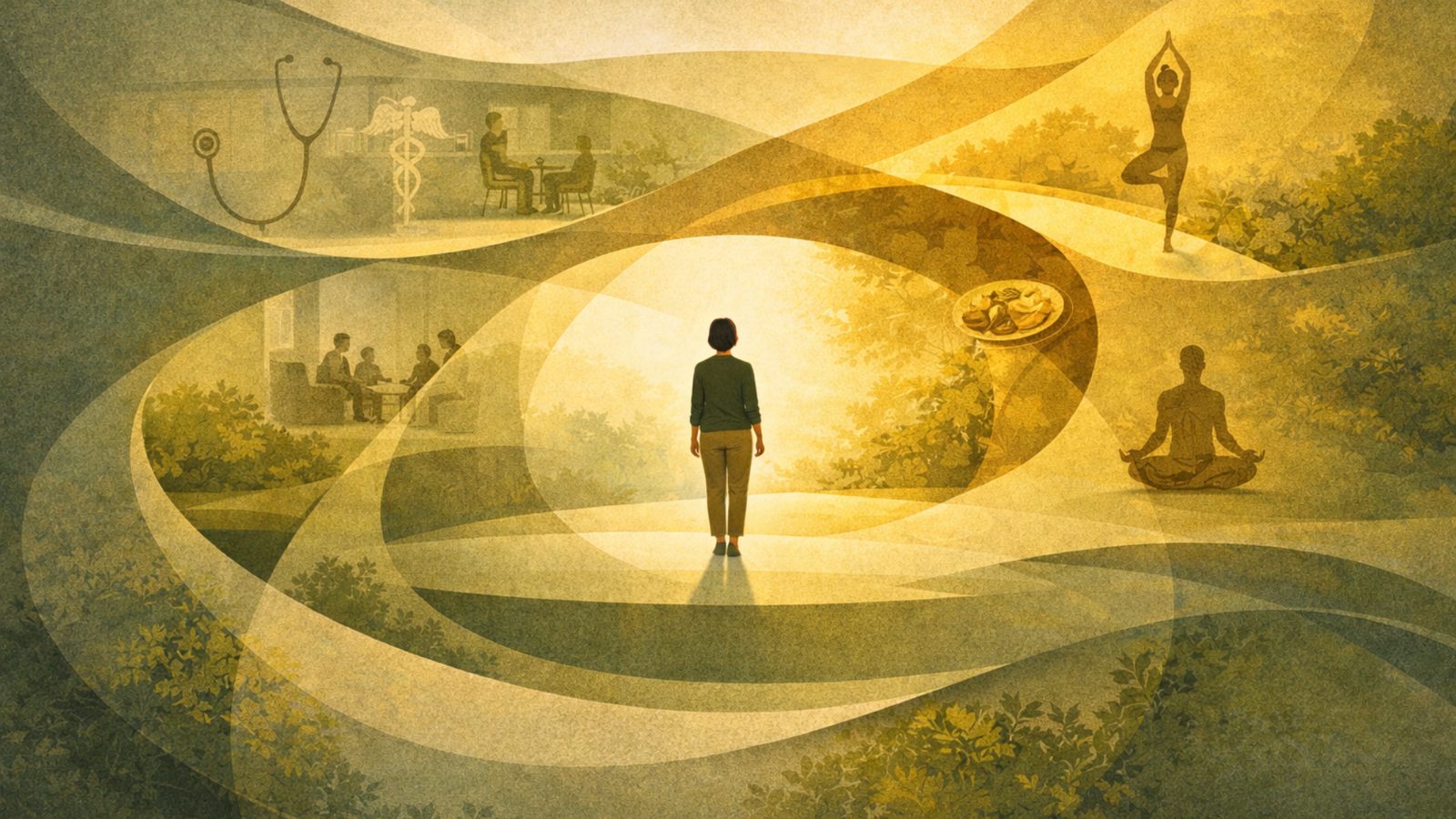
Mental Health Rehab Treatment Process Recovery Guide
Mental health rehab offers therapy and compassionate care for individuals facing emotional or psychiatric challenges. With the right guidance, meaningful recovery becomes possible.
Mental Health Rehab: Everything You Need to Know
When someone you love struggles with their mental health, or when you face these challenges yourself, the word "rehab" can feel scary. You might wonder: What happens there? Will I lose my freedom? Is it only for severe cases? These questions are normal, and finding clear answers matters.
Mental health rehab is a structured treatment program that helps people recover from conditions like depression, anxiety, bipolar disorder, and trauma. It combines medical care, therapy, and supportive activities in a safe environment. The goal is not just to manage symptoms but to help you heal, build skills, and return to daily life with confidence.
Quick Facts About Mental Health Rehab:
It is different from a regular hospital visit
Treatment can last from a few weeks to several months
Both inpatient and outpatient options exist
Family involvement often helps recovery
At Ganaa, we believe recovery is more than treatment. It is healing with dignity. Since 2012, we have offered holistic mental health and de addiction care through expert psychiatrists, psychologists, and therapists, all within a calm, private and nurturing environment. Whether you or someone you love battles addiction or psychiatric challenges, Ganaa stands ready to guide you toward lasting recovery.
This guide will walk you through everything about mental health rehab. You will learn who needs it, how it works, what to expect in India, and how to choose the right center for your journey.
What Is Mental Health Rehab?
Mental health rehab is a treatment program designed to help people recover from mental health conditions. Unlike a quick doctor visit or therapy session, rehab provides ongoing support in a structured setting. It combines medical care, counseling, skill building, and peer support to address the root causes of mental health struggles.
Think of it as a healing space where you can step away from daily stress and focus entirely on getting better. The environment is designed to be safe, supportive, and free from judgment.
Mental health rehab bridges this gap by offering expert care that goes beyond medication. It teaches coping strategies, addresses emotional pain, and helps rebuild your life.
Mental Health Rehab vs Mental Rehab: Is There a Difference?
You may hear the terms "mental health rehab" and "mental rehab" used interchangeably. Both refer to the same thing: a treatment program for mental health recovery. Some people use "mental rehab" as shorthand, but the full term "mental health rehab" is more precise and less confusing.
The key is understanding that rehab is not just for addiction. It treats a wide range of mental health conditions, from anxiety and depression to schizophrenia and trauma disorders.
Who Needs Mental Health Rehab?
Mental health rehab is for anyone whose mental health symptoms interfere with daily life, relationships, work, or safety. It is not a sign of weakness. Seeking help is a brave and practical step toward healing.
Common Signs That Rehab May Be Needed
You or a loved one might benefit from mental health rehab if you notice:
Persistent sadness or anxiety that does not improve with time
Difficulty completing daily tasks like bathing, eating, or going to work
Withdrawal from friends and family or avoiding social situations
Thoughts of self harm or suicide (this requires immediate help)
Severe mood swings that disrupt relationships
Inability to control emotions or frequent emotional outbursts
Previous treatment did not work, and symptoms keep returning
Substance use combined with mental health struggles
If these signs sound familiar, a professional assessment can help determine the right level of care.
Mental Health Conditions Treated in Rehab
Mental health rehab programs treat a wide range of conditions, including:
Depression and persistent sadness
Anxiety disorders and panic attacks
Bipolar disorder and mood swings
Schizophrenia and psychotic symptoms
Post traumatic stress disorder (PTSD)
Obsessive compulsive disorder (OCD)
Eating disorders
Stress related disorders
Dual diagnosis (mental health plus addiction)
Q: Can rehab help with moderate mental health issues?
A: Yes. Early intervention through rehab can prevent conditions from worsening and help you develop healthy coping skills before a crisis occurs.
How Mental Health Rehab Works: Step by Step
Understanding the rehab process removes fear of the unknown. Here is what happens from the moment you reach out to the day you complete treatment.
Initial Assessment and Diagnosis
The first step is a comprehensive evaluation by psychiatrists, psychologists, and counselors. This usually takes one to three days. The team asks about your symptoms, medical history, family background, and any substance use. They may conduct psychological tests to understand your unique needs.
This assessment forms the foundation of your treatment plan.
Personalised Treatment Planning
Based on the assessment, the clinical team creates a personalized treatment plan. This plan outlines your goals, the therapies you will receive, the medications (if needed), and the expected timeline.
No two plans are identical because no two people are the same. Your plan is tailored to your condition, personality, and recovery goals.
Daily Therapy and Structured Care
Life in mental health rehab follows a structured routine. A typical day might include:
Morning group therapy or meditation
One on one counseling sessions
Educational workshops about mental health
Creative activities like art or music therapy
Fitness or yoga sessions
Peer support meetings (e.g. Alcoholics Anonymous)
Medication management and check ins with doctors
This structure provides stability and helps rebuild healthy habits.
Progress Tracking and Review
Your treatment team regularly reviews your progress. If something is not working, they adjust your plan. The goal is continuous improvement, not perfection.
Recovery is not a straight line. Some days will be harder than others, and that is normal. The team supports you through every step.
Q: How long does mental health rehab last?
A: It depends on your needs. Some programs last a few weeks, while others continue for several months. Longer stays (90 days or more) often lead to better long term outcomes.
Types of Mental Health Rehab Programs
Mental health rehab comes in different formats. Choosing the right one depends on the severity of your condition, your daily responsibilities, and your support system.
Inpatient Mental Health Rehab
Inpatient rehab means you live at the treatment center full time. This is the most intensive option and is best for people who need 24/7 support or are at risk of harming themselves.
Benefits of inpatient care:
Constant medical supervision
No distractions of daily life
Immersive focus on healing
Safe environment during crisis
Outpatient and Day Care Rehab
Outpatient programs let you live at home while attending therapy sessions during the day. This works well for people with stable support systems and less severe symptoms.
Day care programs are a middle option. You spend the day at the center and return home at night.
Dual Diagnosis Rehab (Mental Health Plus Addiction)
If you struggle with both a mental health condition and substance use, dual diagnosis treatment is essential. Treating only one issue leads to relapse. Integrated care addresses both at the same time.
Therapies and Treatments Used in Mental Health Rehab
Modern mental health rehab uses evidence based therapies proven to work. Here are the main approaches.
Medical and Psychiatric Care
Psychiatrists prescribe medications when needed to manage symptoms like depression, anxiety, or psychosis. Medication is part of the treatment, not the whole solution. It stabilizes your mood so therapy can work better.
Psychological Therapies (Talk Therapy)
Cognitive Behavioral Therapy (CBT): CBT helps you identify and change negative thought patterns and behaviors. It is widely used for conditions such as depression and anxiety and focuses on developing practical coping strategies for everyday challenges.
Dialectical Behavior Therapy (DBT): DBT teaches emotional regulation, distress tolerance, and interpersonal effectiveness. It is especially helpful for people who experience intense emotions or have borderline personality disorder.
Motivational Interviewing: This approach helps you explore your own reasons for change in a supportive, non-judgmental way. It is commonly used to improve motivation, commitment, and engagement in treatment.
Family Therapy: Family therapy involves loved ones in the treatment process to improve communication, strengthen support systems, and enhance treatment participation and recovery outcomes.
Holistic and Wellness Based Therapies
Many centers combine medical care with holistic approaches:
Yoga and meditation for stress relief
Art and music therapy for emotional expression
Nature walks and outdoor activities
Nutritional counseling for physical health
Mindfulness practices for self awareness
These therapies address your whole person, not just your symptoms.
Q: Do I have to take medication in mental health rehab?
A: Not always. Medication is recommended when it can help, but many people benefit from therapy alone. Your treatment team will discuss options with you.
What Makes a Good Mental Health Rehab Centre?
Not all rehab centers are the same. Here is what to look for when choosing a facility.
Medical Expertise and Staff to Patient Ratio
Check if the center has licensed psychiatrists, clinical psychologists, and trained counselors. Ask about the staff to patient ratio. A ratio of one staff member for every two to four patients ensures personalized attention.
Good centers include families in the treatment process. Family therapy sessions, regular updates, and education help everyone understand the condition and support recovery.
Mental Health Rehab in India: What to Expect
If you are seeking mental health rehab in India, here is what you need to know about duration, costs, and privacy.
Duration of Treatment
Most inpatient addiction treatment programs commonly last around 30–90 days — this is widely acknowledged in clinical practice and guidelines.
Outpatient programs may continue for six months or longer, with sessions a few times per week.
Stigma, Privacy, and Confidentiality
Many people worry about stigma. Ethical rehab centres maintain strict confidentiality. Your treatment details are private and protected by law under the Mental Healthcare Act of 2017.
You have the right to dignity, privacy, and respectful care.
Q: Will people find out I am in rehab?
A: Reputable centers protect your privacy. Only you can decide who to tell about your treatment.
Life After Mental Health Rehab: Preventing Relapse
Recovery does not end when you leave rehab. Aftercare is essential for long term success.
Aftercare Programs and Follow Ups
Good centers provide aftercare plans that include:
Regular follow up appointments with your therapist
Support group meetings
Crisis helpline access
Alumni programs for peer support
Family counseling sessions
Aftercare keeps you connected to support and catches early warning signs of relapse.
Building Long Term Emotional Resilience
Recovery means learning to handle life's challenges without falling back into old patterns. Skills like:
Recognizing your triggers
Practicing healthy coping strategies
Maintaining a routine
Staying connected to supportive people
Asking for help when you need it
These skills take practice but become stronger over time.
Why Choose a Luxury Mental Health Rehab Like Ganaa?
Luxury mental health rehab offers more than just comfort. It provides an environment designed specifically for healing.
Compassionate, Individual Focused Care
At centers like Ganaa, you receive personalized attention with high staff to client ratios. This means more one on one therapy, faster response to your needs, and treatment plans that adapt as you progress.
Compassionate care means treating you as a whole person, not just a diagnosis.
Integrated Medical and Holistic Healing
The best recovery happens when you treat mind, body, and spirit together. Ganaa combines evidence based medical treatment with holistic therapies like yoga, meditation, and nature therapy.
This integrated approach addresses all aspects of your wellbeing.
Healing in a Private, Serene Environment
Luxury rehab centers are located in peaceful settings away from city stress. Natural surroundings, private rooms, and thoughtful design create a healing atmosphere.
Privacy and dignity are protected at every step. You can focus entirely on recovery without worrying about judgment or interruptions.
When Should You Seek Help?
If you are reading this and wondering whether you or someone you love needs mental health rehab, here are the key questions to ask:
1. Are symptoms interfering with daily life?
2. Have you tried other treatments without lasting improvement?
3. Do you feel unsafe or have thoughts of self harm?
4. Is substance use making mental health worse?
5. Does your family feel overwhelmed trying to help?
If you answered yes to any of these, it is time to reach out for a professional assessment.
Early intervention prevents crises and leads to better outcomes. You do not have to wait until things get worse.
Frequently Asked Questions About Mental Health Rehab
Q: What is mental health rehab?
A: It is a structured treatment program that combines medical care, therapy, and support to help people recover from mental health conditions like depression, anxiety, and trauma.
Q: Who should consider mental health rehab?
A: Anyone whose mental health symptoms affect daily life, safety, or relationships. This includes conditions from mild to severe.
Q: How long does mental health rehab last?
A: Programs typically range from a few weeks to several months depending on individual needs. Longer programs often have better long term success rates.
Q: Is mental health rehab only for severe mental illness?
A: No. It also helps people with moderate conditions who want intensive support or early intervention to prevent worsening.
Q: Is mental health rehab confidential?
A: Yes. Ethical centers maintain strict privacy and confidentiality as required by the Mental Healthcare Act of 2017.
Q: Can family members be involved in treatment?
A: Yes. Family involvement is encouraged and often improves recovery outcomes through education and family therapy sessions.
Q: What happens after rehab ends?
A: Aftercare programs provide ongoing support through follow up appointments, support groups, and crisis resources to maintain progress and prevent relapse.
Take the First Step Toward Healing
Choosing mental health rehab is one of the most important decisions you can make for yourself or someone you love. It is a commitment to healing, growth, and a better future.
At Ganaa, we understand that reaching out takes courage. Our compassionate team is here to listen without judgment and guide you toward the right path. Whether you need immediate support or want to learn more about our programs, we are ready to help.
Bipolar misdiagnosed as depression is common, and the delay runs close to nine years. Learn the clues, why hypomania is missed, and how to get a better review.
Adolescent mental health in India is under-treated. Learn 11 warning signs parents miss, what the data shows, how to start the talk, and when to seek help.
Gaming disorder in teens is a real diagnosis, not a phase. Learn the WHO criteria, how common it is, the signs parents miss, and what actually works at home.