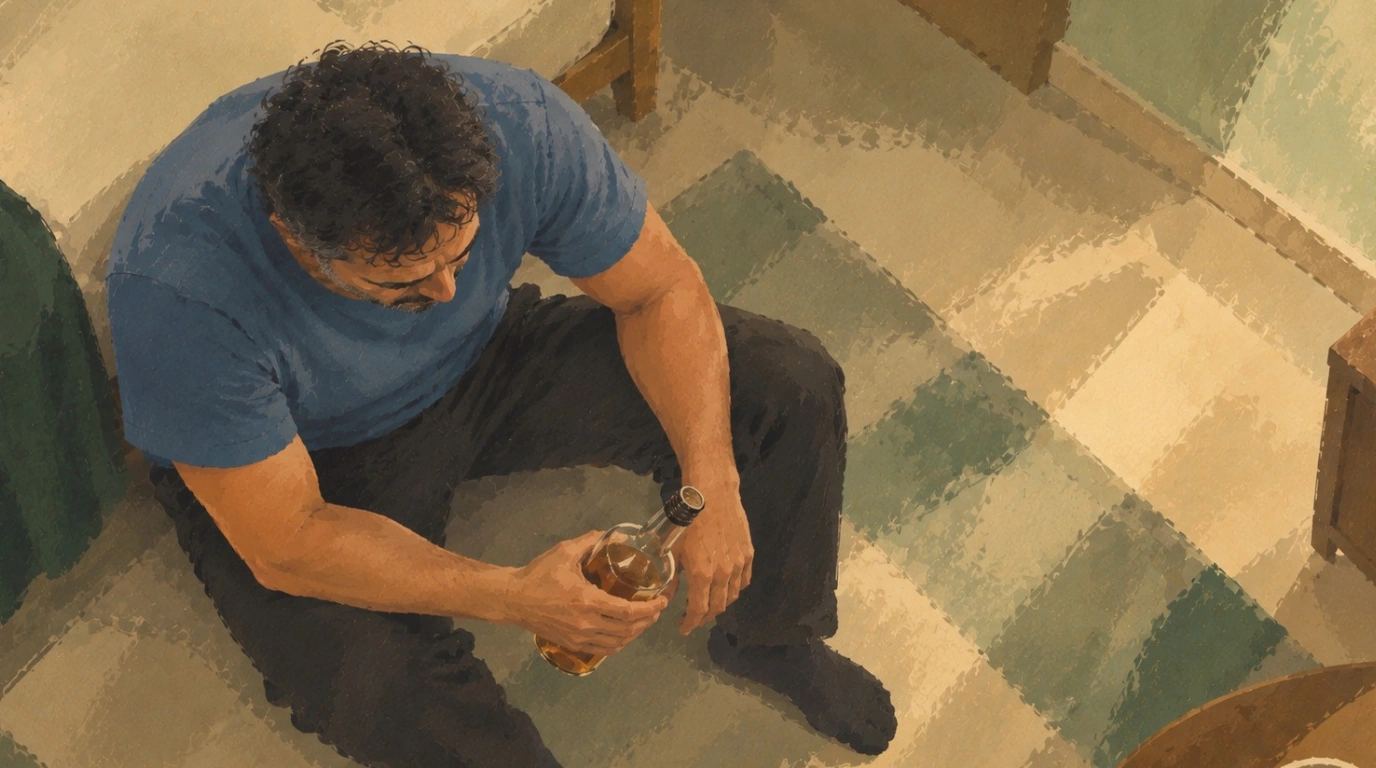
Why High-Functioning Alcoholics Avoid Rehab — And What Gets Them In
High functioning alcoholic rehab feels far off when life still looks fine. Here are the hidden signs, the moments that flip, and the care that works.
Why High-Functioning Alcoholics Avoid Rehab And What Gets Them In
The drinking has rules. One peg at 7. Two by 9. Office by 9 next morning.
The world sees a working person. The body knows different.
This guide is for the family that suspects, the partner that is tired. The drinker who reads at 2 am and wonders. We will name the hidden signs. We will show when a functioning alcoholic needs help. We will explain why structured rehab works when willpower alone has not.
The National Mental Health Survey 2015 to 16 found that 4.65 percent of Indian adults live with an alcohol use disorder. Most never reach care. That is the gap this article wants to close.
Read this if you love someone who drinks a bit too much but seems fine. Read it if that someone is you. This blog walks through high functioning alcoholic rehab in plain terms.
What High-Functioning Really Hides
The phrase sounds gentle. It is not.
A high-functioning alcoholic meets the same clinical bar as any other case of alcohol use disorder. The only difference is the cover-up.
They still file taxes. They still pick up the kids. They still close the quarter. The drinking sits underneath all of it.
Tolerance builds quietly. Where one peg used to relax them, three are needed. Where a hangover used to last a day, the body now resets in a few hours. The drinker reads this as a sign they handle it well. The liver reads it as overload.
The cover-up is built into the day. Mouthwash. Mints. A timed gap between the last drink and the office gate. Wine instead of whisky to soften the smell. A drinking partner who shares the routine and the silence.
The harm is not absent. It is hidden.
Q: Is a high-functioning alcoholic different from an alcoholic? A: No. The clinical criteria for alcohol use disorder do not depend on job status. A working drinker can have moderate or severe alcohol use disorder. The label functioning only describes the social mask, not the dependence.
This is why high functioning alcoholic rehab matters earlier, not later. The longer the mask holds, the deeper the damage runs.
The Hidden Signs Families Miss
Most families do not miss the drinking. They miss the dependence.
Drinking is loud. Dependence is quiet. Here is what to look for.
A fixed daily slot. The drink starts at the same hour each evening. Plans bend around it. A wedding, a flight, a fasting day can spark real distress.
Solo drinking. The bottle comes out after others go to bed. Or the office laptop opens with a glass at midnight.
Morning relief. A small peg before a shower steadies the hands. A beer with breakfast on the weekend feels normal.
Memory gaps. Whole conversations forgotten. The drinker calls these tired moments. They are blackouts.
Money and storage shifts. Bottles tucked behind books. Card statements with quiet liquor entries. A second hiding spot when the first is found.
Defensive language. I deserve this. I am not like Sharma uncle. I will stop after this project. The same lines, year on year.
Health flags. Raised liver enzymes on a routine panel. High blood pressure. Poor sleep. Frequent acidity. Weight that moves up and down without diet change.
Q: What are the functioning alcoholic signs a spouse should not ignore? A: Daily timed drinks. Morning shakes that need a peg. Blackouts on normal evenings. Raised liver markers. Any hiding behaviour. One of these is a flag. Two is a pattern. Three is dependence until proven otherwise.
If three of these sit in your home, the question changes. It is no longer is it a problem. It is what do we do next.
Why Indians Hide It So Well
India offers many places for a drinker to disappear.
Work culture rewards the late-night client dinner. The weekly office drinks. The deal closed over whisky. The drinker who can hold ten pegs becomes the hero of the table.
Family culture protects the surface. A working son or husband is rarely questioned about the bar at home. A bottle in the cupboard is a personal matter, not a health one.
The gender gap matters too. Women drinkers face sharper stigma and hide better. A working woman with hidden alcohol dependence India sees almost nowhere safe to admit it.
The myth of the social drinker stretches very far in India. Daily drinking is reframed as unwinding. A peg with lunch on Sunday is called tradition. A bottle a night is the same as any colleague.
Then there is the doctor visit. Most general physicians do not screen for alcohol use unless the patient flags it. The patient rarely flags it. So the dependence does not enter the medical record until the liver does.
Q: Is hidden alcohol dependence India a male-only issue? A: No. Men carry higher reported rates, but women, students, and homemakers are a rising hidden group. Underreporting is severe. Many cases reach care only after a medical crisis or a family rupture.
Hiding is not a moral failure. It is a survival skill in a culture that punishes the truth. Care has to start by removing the punishment.
The cultural script is shifting, slowly. A 2024 WHO note flagged the global early-mortality cost of alcohol and drug use, with India sitting inside that picture. Insurers now cover residential rehab under many group health plans. Some Indian employers run quiet referral pathways. The system is not yet kind, but it is no longer empty.
What does this mean for the hidden drinker in 2026? More routes in. Less reason to stay silent. A doctor visit can be the start of a real plan, not just a lecture. A spouse can ask without a fight if the ask comes with a phone number to call.
Q: Does Indian health insurance cover alcohol rehab in 2026? A: Many group plans now include it under mental health and de-addiction. Coverage caps vary. Pre-authorisation is often needed. Ask the centre to share a sample claim package before admission so the family can plan the finance side without surprise.
Why Functioning Drinkers Refuse Rehab
Refusal is not laziness. It is logic, from inside the cover-up.
The drinker holds five real beliefs. Each one blocks a yes.
One. I am not that bad. The reference point is the friend who lost a job. Or the cousin who landed in a detox bed. Or the uncle who shook in public. As long as the drinker stays one notch above that, rehab feels distant.
Two. I can stop when I want. The drinker has stopped before. Two days for a fast. Five days for a medical test. They forget that the stop ended in a bigger relapse. They remember only the stop.
Three. Rehab is for failures. The Indian cultural script frames rehab as the bottom of the road. The functioning drinker has not hit bottom by their own measure. So the bed is for someone else.
Four. I will lose my job or my standing. A 30-day absence feels career-ending. The drinker imagines the office group chat, the rumour, the lost promotion.
Five. What if I cannot drink at all after. This is the deepest fear. Alcohol is not just a habit. It is sleep aid, social glue, stress release, identity prop. A life without it feels unimaginable.
Q: Is refusing rehab a sign of denial? A: Often yes. Denial in alcohol use disorder is not lying. It is a real, neuro-driven block where the brain protects the supply. Family pressure alone rarely breaks it. Structured tools work better.
The way in is not to argue these beliefs. The way in is to make the next step smaller than they expect.
When Does a Functioning Alcoholic Need Help
Earlier than they think. Earlier than the family thinks.
Use this rough ladder. If two of these are true, formal care is overdue.
Tolerance has risen. The drinker now needs three or four pegs to reach what one used to do.
Withdrawal has appeared. Two days without alcohol brings tremor, sweating, anxiety, nausea, or poor sleep. Sometimes a racing heart.
A doctor has flagged a marker. Raised GGT. Raised ALT or AST. A fatty liver scan. High blood pressure with no other cause.
Sleep is broken without alcohol. The drinker cannot fall asleep without a peg. Or wakes at 3 am if the peg is missed.
Mood swings have widened. Irritability before the first drink. Low mood the morning after. Anxiety that the drink temporarily fixes.
Work or family has slipped, even slightly. A missed deadline. A short fuse with the kids. A spouse who has stopped commenting.
An incident has happened. A near-miss while driving. A fall at home. A blackout in front of children.
Q: When functioning alcoholic needs help, is detox always required? A: Not always, but often. If two-day breaks bring tremor or anxiety, medically supervised detox is safer than self-tapering. Stopping abruptly after years of heavy use can trigger seizures. A doctor must decide the path.
The number on the ladder is not the point. The trend is. A drinker climbing this ladder year on year is not functioning. They are running out of room.
What Finally Tips Them In
Most functioning drinkers do not enter rehab through reason. They enter through a hinge moment.
A medical scare. A liver scan that reads Grade 2 fatty liver. A cardiac event at 42. A doctor who says, in writing, stop now.
A driving incident. A fender bender at 11 pm. A challan with a high reading. The first court date.
A relationship rupture. A spouse who packs a bag. A child who says I do not like you when you drink. A parent who finds the hidden bottle.
A work moment. A boss who comments on the smell after lunch. A missed presentation. A client lost. An HR conversation.
A peer event. A friend hospitalised for liver failure. A school batchmate funeral linked to drinking. Mortality stops being abstract.
Families can plan a hinge instead of waiting for one. A structured family meeting with a doctor or counsellor in the room often works better than any single argument. A pre-booked admission slot makes the yes smaller than the no.
Q: What is a soft family meeting versus a planned intervention? A: A soft meeting is one or two people speaking from love, without a plan. A planned intervention has a counsellor, a script, a pre-arranged rehab bed, and a clear ask. The success rate is much higher.
The hinge does not have to be dramatic. It has to be specific, time-bound, and paired with a real next step.
One pattern shows up again and again with Indian families. The first hinge moment is ignored. The second is half-addressed. The third lands.
That is not failure. It is the normal shape of change in alcohol use disorder. The brain has built years of association around the drink. One conversation cannot undo that. A series of steady, calm asks usually does.
The family role between hinges matters more than the hinge itself. Steady. Specific. Not nagging. Not silent.
Q: How long does it take from the first family conversation to actual admission? A: It varies widely. Some Indian families see a yes in the first hour. Others take weeks or months and a second medical scare. The family staying steady across that window is the single biggest predictor.
Quick Facts: Alcohol Use and Rehab in India
- 4.65 percent of Indian adults live with an alcohol use disorder.
- Globally, alcohol use disorders carry the widest treatment gap of any mental disorder. Care coverage is under 20 percent in most countries.
- Over 3 million deaths each year worldwide are tied to alcohol and drug use, most among men.
- Indian national clinical guidelines outline psychosocial and drug-based pathways for alcohol use disorder. Brief intervention is the first step.
- The NIMHANS Centre for Addiction Medicine offers India-context, evidence-based care for alcohol use disorder.
These are not scare numbers. They are the size of the room. Most people in the room are quiet about it.
What Structured Rehab Actually Does
Willpower is not a treatment plan. Structured rehab is.
A residential program does six things in sequence. Each one is hard to do at home.
Medical detox. The first 7 to 10 days under a doctor. This sits inside the 2 to 10 day acute window that WHO withdrawal management guidance sets for alcohol. Symptoms are managed. Vitamin support and medicine prevent seizures, severe shakes, and the worst sleep loss.
Full medical workup. Liver, heart, sleep, mental health, and nutrition. Many functioning drinkers find a missed condition here. Anxiety, depression, ADHD, or trauma often sits underneath the drinking.
Therapy. CBT to rewire the trigger-drink loop. DBT for emotion regulation. Motivational work for the deep I do not want to stop knot. Family therapy for the home pattern.
Group work. The first time the drinker sits with 15 others who hid the same way. The mask drops. Shame loses its grip when shared.
Skills. Sleep without alcohol. Social events without a glass. Conflict without a drink after. Saying no without a long story.
Relapse prevention and aftercare. A written plan. A weekly check-in. A medicine review. A return-to-work script. A six-month outpatient cadence.
Q: What does a 30-day high functioning alcoholic rehab look like day to day? A: Mornings start with medical checks and yoga or movement. Mid-morning is one-on-one therapy. Afternoons are group sessions or skill workshops. Evenings are family calls, journaling, and structured rest. Phones are limited but not banned for working clients.
Done well, the program does not just stop the drinking. It removes the reasons the drinking became the answer.
A common myth says detox is the whole job. It is the start, not the end. NIDA's research-based guide is clear on this. Detox alone rarely produces lasting change without follow-on therapy. Therapy without detox can fail at week one if withdrawal is severe. The two work together.
Another myth says residential rehab is for the rich. Indian centres now run sliding fee tiers. Ganaa Delhi I sits in a budget band. Mid-range NCR options vary by city, room type, and length of stay. The recovery.com Delhi directory lists current bands. Speak to admissions for live rates. The cost is real, but not always what families imagine on day one.
A third myth says 30 days is enough for everyone. NIDA's principles note that most people need at least 3 months in treatment. Better outcomes come with longer durations. For mild dependence with good family support, 30 days plus a strong outpatient plan can hold. For 10-year daily drinkers, 60 to 90 days plus a six-month outpatient cadence is the safer plan. The clinical team should set the length, not the calendar.
Q: Will my employer find out if I take time off for rehab? A: Not unless you choose to share. Most Indian residential centres provide a medical leave certificate that names a clinical condition, not the diagnosis. HR teams treat it like any other medical leave. The legal protection is similar to a hospitalisation.
Care at Ganaa for Working People
Ganaa was built for the people this article describes.
We treat hidden dependence as a real clinical condition, not a moral failing. Our 30, 60, and 90 day residential programs are designed to bring a working person back to a working life, without the drink underneath it.
We blend modern clinical care with ancient practices that the Indian client trusts. CBT, DBT, and motivational work sit alongside yoga, meditation, and Ayurveda. The mix lowers shame and lifts engagement, especially for first-time admissions.
Our five residential centres each have a distinct fit.
Outpatient support is available at our three Ganaa Mental Health Clinics in Faridabad, Greater Kailash, and Greater Noida. They serve clients who step down from residential care, or who want to begin with a tailored OPD plan.
We do not promise a magic recovery rate. We promise structure. We promise medical safety. We promise a family that is brought into the plan, not pushed out. Speak to a Ganaa admissions counsellor or visit our site. [internal link: family guide to first conversation about rehab].
How To Plan The Next Conversation
If you are the family, this is the part to read twice.
Pick the right person. One person leads. Often the spouse or a trusted sibling. Not the parent if the drinker is over 40.
Pick the right time. A sober window. Morning, not evening. Not after a fight.
Bring a third presence. A family doctor on the phone. A counsellor in the room. A close friend the drinker respects.
Use short, specific lines. I saw the bottle on Tuesday. The doctor said your GGT is high. I am scared. Not you always or you never.
Carry one ask, one option. I have a bed booked at a centre for Friday. I will go with you for admission. A vague you need help rarely lands. A booked Friday does.
Expect a no. Plan for the second talk, not just the first. Many functioning drinkers come around within a week or two of the first real ask, if the family stays steady.
Q: What if they walk out of the conversation? A: Stay calm. Do not chase. Send one short message later that day. Repeat the ask within a week, not within an hour. Pressure in the same hour reads as attack. Patience across days reads as care.
A plan is not a guarantee. It is the difference between hoping and acting.
What to do in the first week after a yes
The first 7 days set the arc. A few small moves matter.
Pre-admit medical check. A liver panel and basic vitals before travel. The centre uses this to plan detox.
Pack light. Two weeks of clothes. No alcohol. No prescription drugs the centre has not cleared.
Brief the workplace. A short medical leave note from a doctor is enough. No specifics needed.
Set family boundaries. Visit days. Phone windows. One named family contact for the centre.
Begin family work. Most centres invite family for a structured session in week 2 or 3. Block it on the calendar early.
Q: What does week one of detox feel like for the client? A: The first 48 hours can be hard. Tremors, broken sleep, anxiety. Medical staff manage this with safe drugs and fluids. By day 4, the worst is over for most clients. By day 7, sleep starts to return without alcohol.
Conclusion: The Door Is Smaller Than You Think
A high-functioning alcoholic is not a lost case. They are an early case in disguise.
The signs are quiet. The denial is logical. The hinge moments are real. The care that works is structured.
If two items on the ladder above are true in your home, the time is now. Not after the next medical scare. Not after the next missed presentation.
Hidden alcohol dependence India lives in is large, but the door into care is small. One booked bed. One steady family voice. One first-week detox under a doctor.
Ganaa is here when the family is ready. Visit ganaa.in or speak to a Ganaa admissions counsellor for a tailored plan. Bring the doctor report if you have one. Bring the question if you do not.
FAQ
Q: What is a high-functioning alcoholic? A: A high-functioning alcoholic meets clinical criteria for alcohol use disorder. They still hold down a job, family, and social image. Tolerance is high. Denial is strong. The harm builds quietly under a working surface.
Q: What are the early functioning alcoholic signs? A: Daily drinks at fixed times. Drinking alone after others have gone to bed. Morning shakes that ease with a peg. Memory blanks on routine evenings. Hiding bottles or under-reporting intake to a partner or doctor.
Q: When does a functioning alcoholic need help? A: When intake rises year on year. When stopping for two days brings sweating, tremor, or anxiety. When a doctor flags liver markers. When work, sleep, or relationships start to slip. Earlier is safer than later.
Q: Is hidden alcohol dependence India common? A: Yes. The National Mental Health Survey 2015 to 16 found alcohol use disorder in 4.65 percent of Indian adults. Most do not enter care. Stigma, work pressure, and the myth of control keep many in silent dependence.
Q: Why do high-functioning alcoholics refuse rehab? A: They still pay the bills. They still go to office. They compare themselves to a worse drinker and feel safe. Rehab feels like an admission of weakness. The cost feels like surrendering an identity they have built.
Q: What finally gets a high-functioning alcoholic into rehab? A: Usually a hard event. A medical scare. A driving incident. A spouse leaving. A boss noticing. A planned family conversation with a doctor in the room helps. A clear inpatient plan, not vague advice, moves them.
Q: How long is residential alcohol rehab? A: Most programs run 30, 60, or 90 days. Detox is the first 7 to 10 days under medical supervision. The rest is therapy, group work, and relapse prevention. Aftercare continues for months at home.
Compulsive pornography use has a clinical definition, and it is not what most people assume. Learn where the line sits, what drives it, and what treatment works.
Online therapy matches in-person results for most conditions. Here is what the trials found, where each format wins, and how to choose for your own situation.