Gaming Disorder in Teens: When Play Becomes Compulsion
Gaming disorder in teens is a real diagnosis, not a phase. Learn the WHO criteria, how common it is, the signs parents miss, and what actually works at home.
Gaming Disorder in Teens: When Play Becomes Compulsion
Most teenagers who game a lot are fine. That is the first thing to say.
Long hours alone are not a disorder. Nor is loving a game.
But a small group crosses a line. And when they do, families rarely spot it early.
This guide draws that line clearly. Gaming disorder in teens is a recognised diagnosis, not a scare story.
The World Health Organization added it to the ICD-11. It has real rules and a real bar.
You will learn what those criteria are. You will learn how common it is.
You will learn the signs that get missed. And you will learn what to do at home.
Most importantly, you will learn what usually sits underneath it.
Because the game is rarely the whole problem.
One note first. This is general guidance, not a diagnosis. Only a qualified clinician can assess a young person.
What Gaming Disorder Actually Is
The WHO defines it precisely. That precision matters, because the label gets thrown around loosely.
The WHO sets out three features (Source: World Health Organization, 2024 — who.int).
One: loss of control. Not choosing to play a lot. Being unable to stop.
Two: gaming comes first. It outranks other interests and daily life.
Three: it goes on despite harm. Play carries on, or grows, as the costs pile up.
There is a fourth element, and it is the one families skip.
The pattern must run for at least 12 months. It must also cause real damage at home, at school, or with friends (Source: World Health Organization, 2024 — who.int).
Twelve months. Not a bad exam term. Not one intense holiday.
That bar exists for a reason. It stops a normal teenage craze being turned into an illness.
The WHO is clear that this hits only a small share of people who game (Source: World Health Organization, 2024 — who.int).
So the question is never how many hours. It is what the hours cost.
A teen who plays four hours a day, sleeps well, goes to school, and has friends is not ill.
Now change one thing. That same teen has stopped eating with the family. They are failing at school. They rage when the game stops.
That teen may well be ill.
Same hours. Very different picture.
Hold onto that difference. It is the whole test in one line.
Ask what the play has taken, not what it has filled.
That single shift changes how the whole picture reads.
Q: How many hours of gaming counts as a disorder?
A: There is no hour limit. The label rests on loss of control, gaming outranking all else, and play that goes on despite harm. It must run about twelve months.
The Line Between Heavy Play and a Disorder
Parents want a bright line. Here is the closest thing to one.
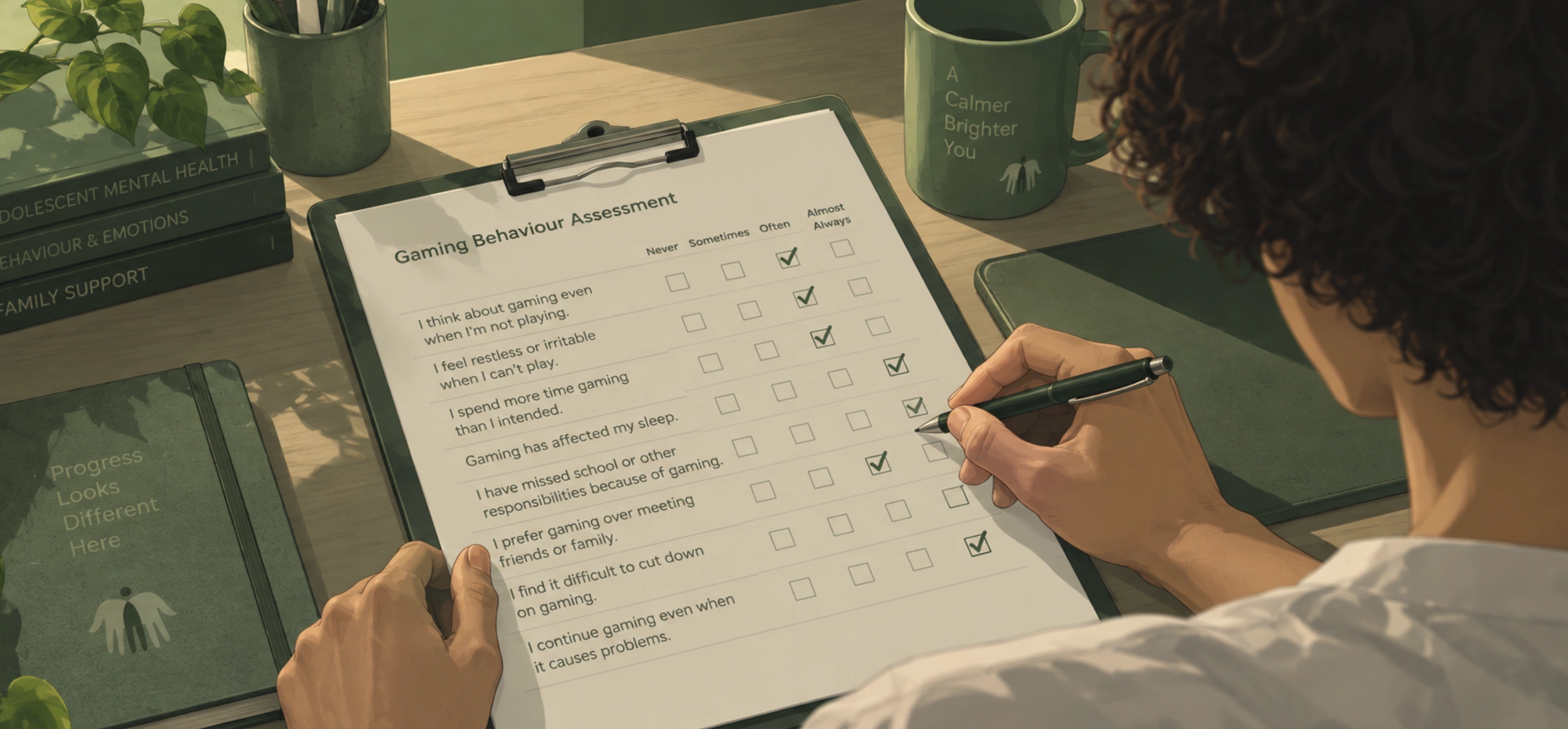
Ask four questions. Answer them honestly about the last year.
Can they stop when they need to? Not want to. Need to.
Exams, illness, a family event. Does play give way, or does everything else give way?
Is it crowding out everything else? Friends, sport, food, sleep, hobbies they used to love.
Shrinking life is the clearest warning sign there is.
Is there real harm, and does play continue anyway? Failing grades. Lost friendships. Sleep collapse.
Harm plus continuation is the core of it.
Has this run for about a year? Or is it a recent, explainable spike?
Now compare the two patterns side by side.
SignalHeavy but healthy playPossible disorderStoppingHard, but done when neededNearly impossible, big fightsOther interestsStill presentFaded or goneFriendsOnline and offlineOnline only, or noneSleepMostly protectedRegularly sacrificedSchoolHolding upSlipping badlyMood off-gameNormalFlat, irritable, or anxiousHonestyOpen about playHiding hours, lyingDurationComes and goesSteady for a year or more
Read the right column as a cluster, not a checklist. One item alone means little.
Four or five together, running for a year, deserve a proper check.
Also watch which way it is going. Is it easing, steady, or tightening?
Tightening over months matters more than any single bad week.
Keep a rough note over a term. Sleep, grades, mood, and friends.
Four lines a week is enough. Patterns show up fast on paper.
Q: Is my teenager addicted to video games or just really into them?
A: Look at cost, not hours. Check whether sleep, school, friends, and mood are all being given up. If that has run for months, it is not just strong enthusiasm.
How Common Is It, Really
Numbers here vary a lot. Method and wording drive most of that spread.
A large review pooled 84 studies covering 641,763 people. It found a rate of 8.6% among teens (Source: Meta-analysis, Public Health in Practice, 2024 — pmc.ncbi.nlm.nih.gov).
The range ran from 6.9% to 10.8% (Source: Meta-analysis, Public Health in Practice, 2024 — pmc.ncbi.nlm.nih.gov).
Indian figures come in lower. One study of 353 young adults in Tamil Nadu found a rate of 3.4% (Source: Indian Journal of Community Medicine, 2025 — pmc.ncbi.nlm.nih.gov).
Indian research has also looked at girls. One study covered 707 teenage girls in a southern Indian city (Source: Frontiers in Psychiatry, 2023 — frontiersin.org).
That matters, because gaming problems in girls are routinely overlooked.
So what should a parent take from this spread?
Somewhere between three and nine in a hundred teens may meet the bar. Most who game do not.
The same review noted that newer studies tend to report higher rates (Source: Meta-analysis, Public Health in Practice, 2024 — pmc.ncbi.nlm.nih.gov).
Whether that is a real rise, or just better counting, is still argued.
Set that against Indian teens as a whole. The National Mental Health Survey put the rate of mental disorders at 7.3% among 13 to 17 year olds (Source: National Mental Health Survey, NIMHANS, 2016 — indianmhs.nimhans.ac.in).
Two practical conclusions follow.
Do not panic about gaming as a whole. Most heavy players are well.
But do not wave it away either. This is not a rare problem.
And Indian data on teens is still thin. Most studies here cover young adults.
So treat local figures as a floor, not a ceiling.
Q: How common is gaming disorder in India?
A: Indian studies report lower rates than global ones. One Tamil Nadu study of young adults found 3.4%. A global review of teens pooled 8.6%.
Why Teenagers Are the Most Exposed
This is not about weak character. It is about design meeting development.
Modern games are built to hold attention. That is their commercial purpose.
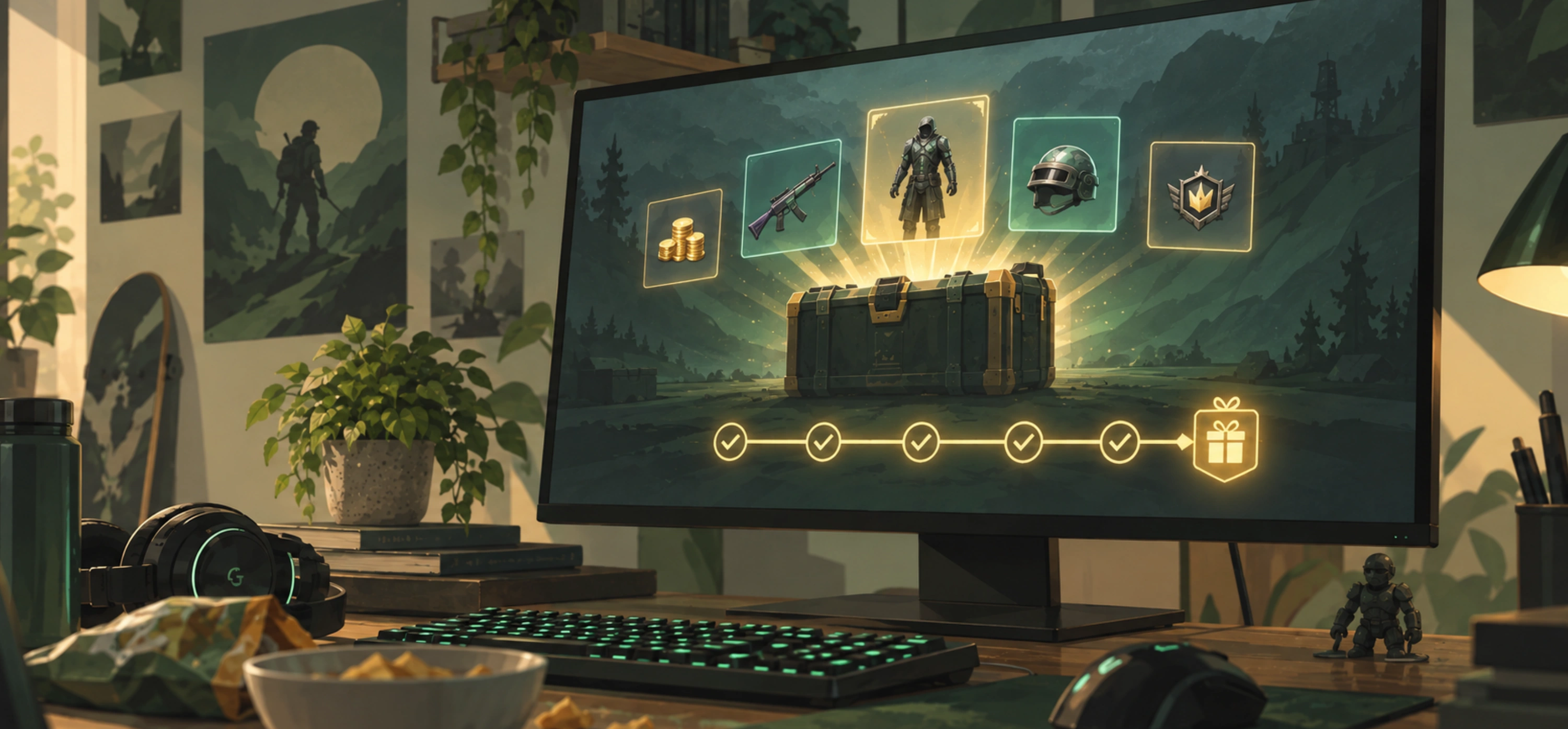
Daily login rewards. Streaks that break if you miss a day. Loot boxes with random payouts.
Random rewards are the strongest hook we know of. Slot machines use the same trick.
Add ranked ladders that reset. Add seasonal passes with deadlines.
Add teammates who will be let down if you log off. Social pressure does the rest.
Now add the teenage brain. Reward systems grow up early. Self-control grows up late.
That gap is normal. It lasts into the mid-twenties.
So a teenager feels the pull harder and resists it less. Both at once.
Indian conditions add their own layer.
Cheap mobile data put big games in every hand. Nearly every teen carries a console in their pocket.
Space to play outside is scarce in most cities. Screens fill the gap.
School pressure is heavy, and games offer instant relief.
Games also give something school often does not. Clear rules, visible progress, and competence.
A teen failing at everything else can be truly good at a game.
That feeling is rare for them. It is worth a lot.
That is not a small thing. It is often the strongest hook of all.
See that, and the behaviour stops looking odd.
Q: Why can't my teenager just stop playing?
A: Games use random rewards, streaks, and social pressure to hold attention. Teenage self-control is still growing. The pull is stronger and the brakes are weaker.
The Signs Parents Miss
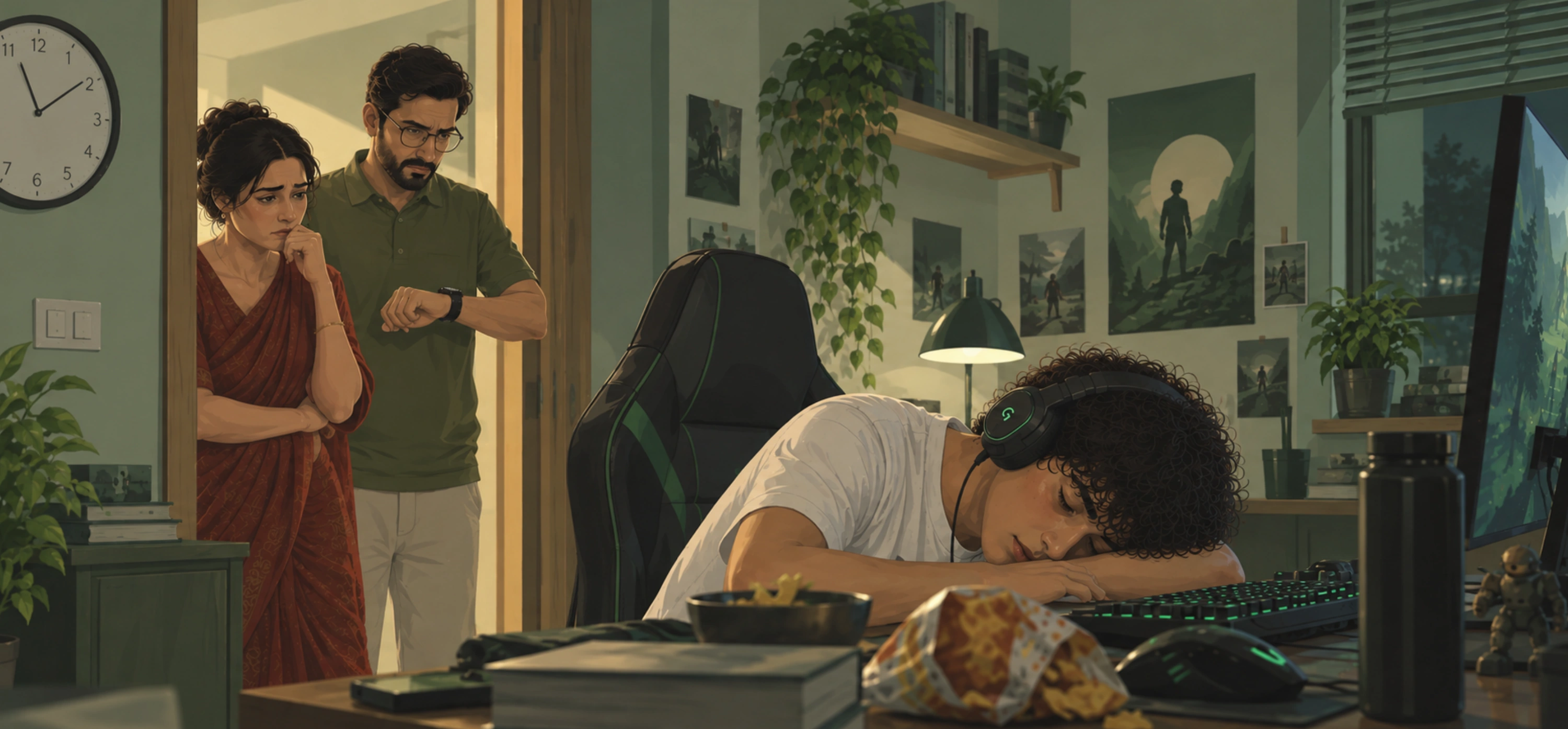
Parents watch the clock. The clock is the least useful measure.
Watch these instead.
The mood signal matters most. How are they when the screen is off?
If a teen is cheerful off-game, you probably have a heavy player.
If they are flat, irritable, or anxious the moment they stop, look deeper.
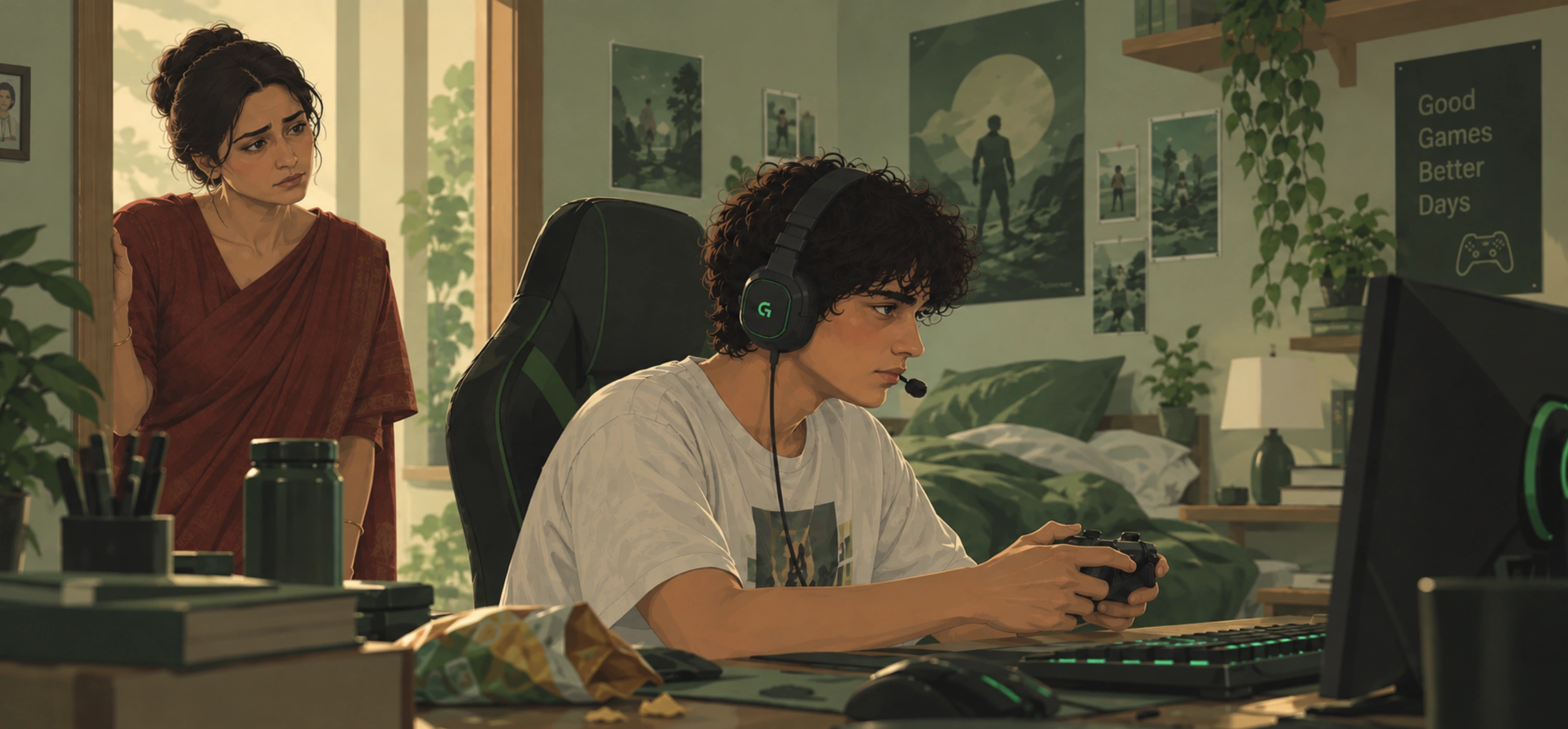
Watch the hiding, too. Secrecy tends to show up before the harm does.
Screen time for teenagers is worth tracking. Track the cost alongside it.
Two teens can play the same hours and be in totally different places.
One more thing. Rage when a device is removed is common and frightening.
It is not proof of a disorder on its own. It is proof that the cut-off is being handled as a battle.
There are better ways, and they come next.
Q: What is the earliest sign of gaming disorder in teens?
A: Often the quiet loss of everything else. Hobbies, offline friends, and family meals fade before grades drop or fights start.
What Is Usually Underneath It
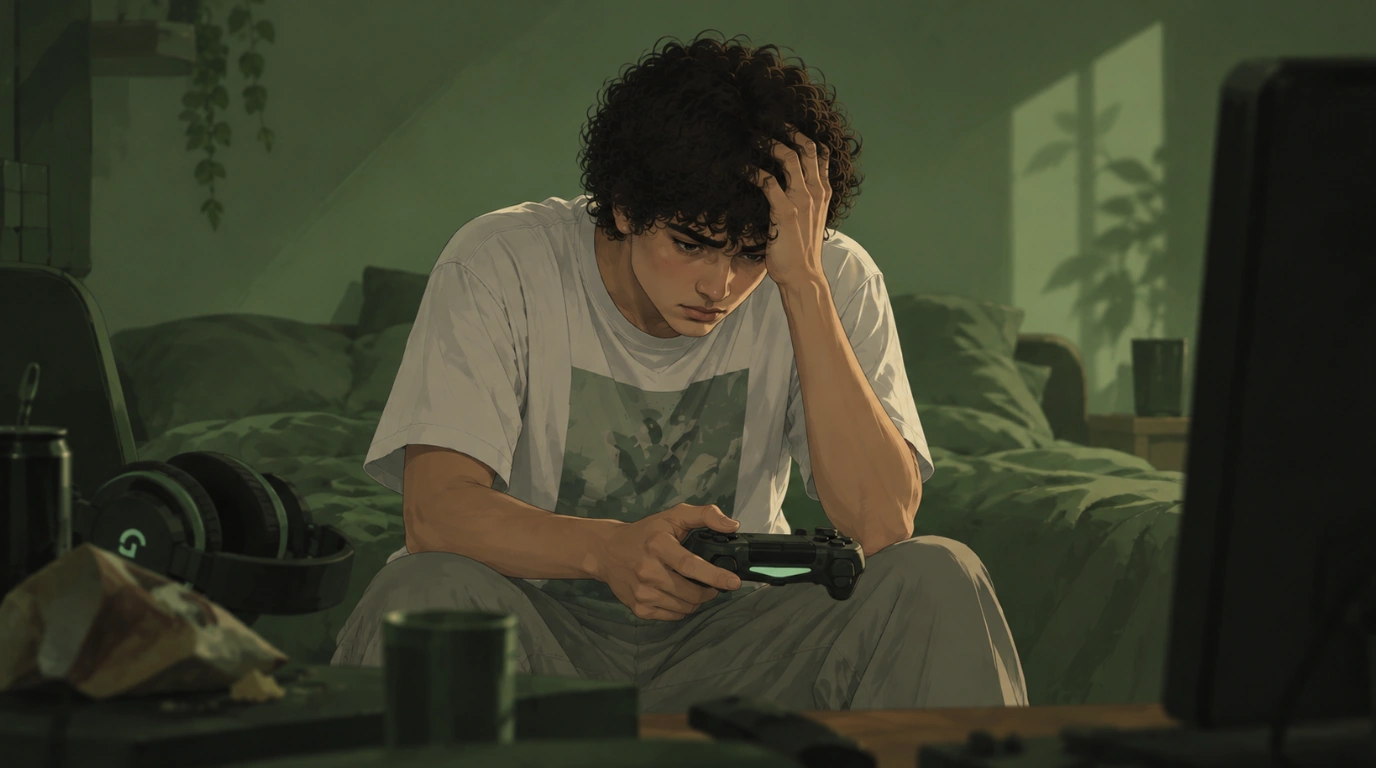
Here is the part most families miss. Heavy gaming is often a solution, not the problem.
Ask what the game is doing for them.
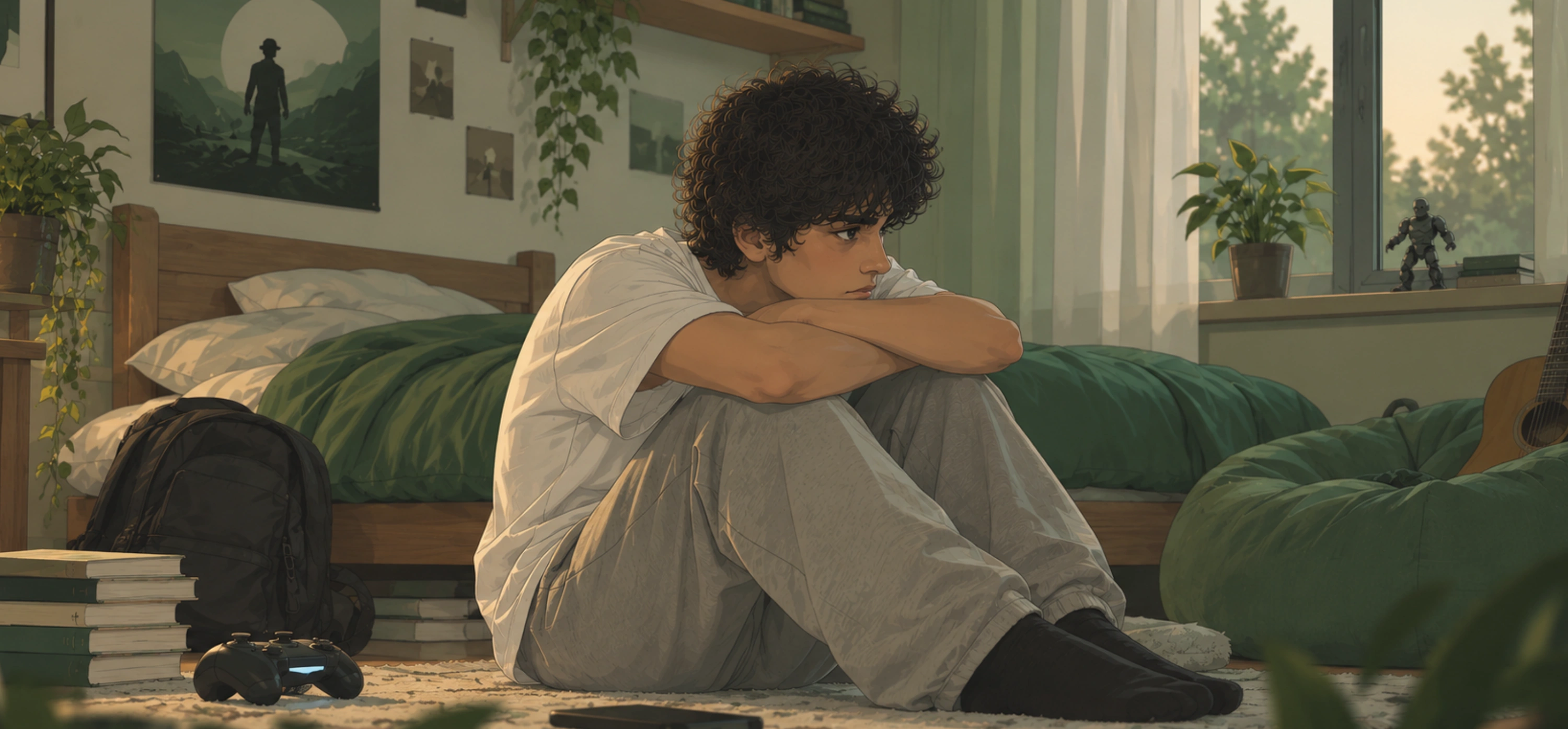
Escape from anxiety. Games demand full attention. Full attention silences worry.
Escape from low mood. A game gives structure and small wins when nothing else does.
Social connection. For a lonely or bullied teen, an online team may be the only place they belong.
Competence. Being good at something matters enormously at that age.
Avoiding academic failure. If school feels hopeless, gaming is a way to not face it.
Missed conditions. ADHD, autism, social anxiety, and low mood all raise the pull of gaming.
That last point is important. Games suit an ADHD brain unusually well.
Instant feedback, constant change, clear goals. School work offers none of that.
So a teen with missed ADHD may look like a gaming case first.
This is why simply removing the device usually fails. You take away the coping tool.
The anxiety, loneliness, or low mood is still there. Now it has nowhere to go.
Any check should look for what sits beneath. A good doctor asks about mood, sleep, school, bullying, and friends.
Treating only the gaming is treating the smoke.
Ask your teen a different question. Not why do you play so much.
Ask what it feels like when they stop. The answer often tells you everything.
If the answer is boredom, you have a habit to reshape.
If the answer is dread, you have something else to treat.
Q: Can gaming disorder be a symptom of something else?
A: Often, yes. Anxiety, low mood, ADHD, autism, and being cut off from others all raise heavy gaming. A good check looks for these rather than treating screen use alone.
What Actually Works at Home
Blunt bans rarely work. They set off a war and drive the behaviour underground.
Here is what tends to help instead.
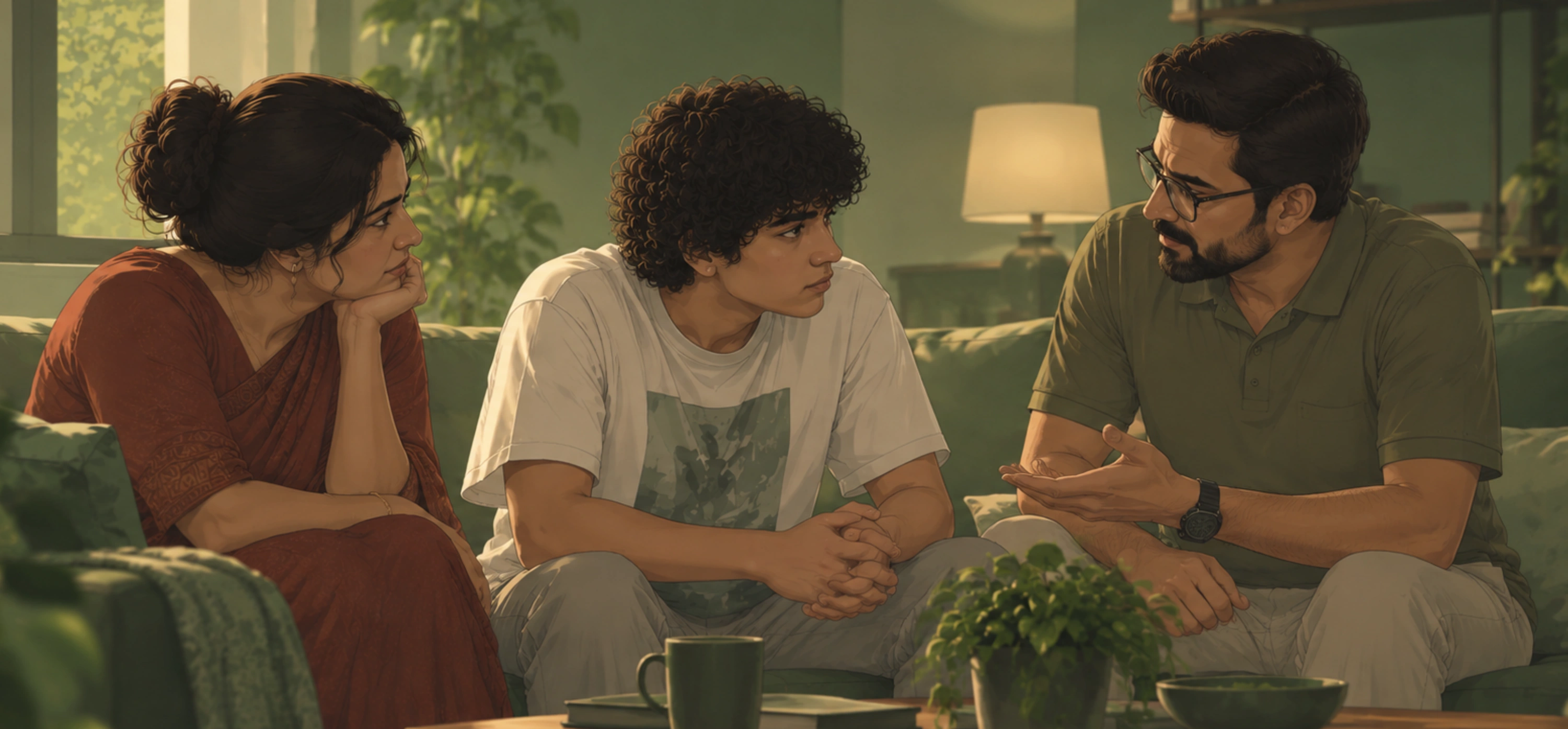
Agree limits, do not impose them. A teen who helped set a rule will fight it far less.
Set the schedule, not the total. Fixed windows work better than a daily hour count.
Play after homework. No play after 10 pm. Weekends looser than weekdays.
Protect sleep above everything. Devices leave the bedroom at night. This one rule changes the most.
Charge everything in the living room. Buy an alarm clock.
Give warnings before the end. Twenty minutes, then ten, then five.
Most rage happens because a match was interrupted, not because time ran out.
Never remove a device mid-match. Let the round finish. Then hold the line.
Replace, do not just remove. An empty evening will be filled by the game again.
Sport, a class, a job, a friend visiting. Something must go in the gap.
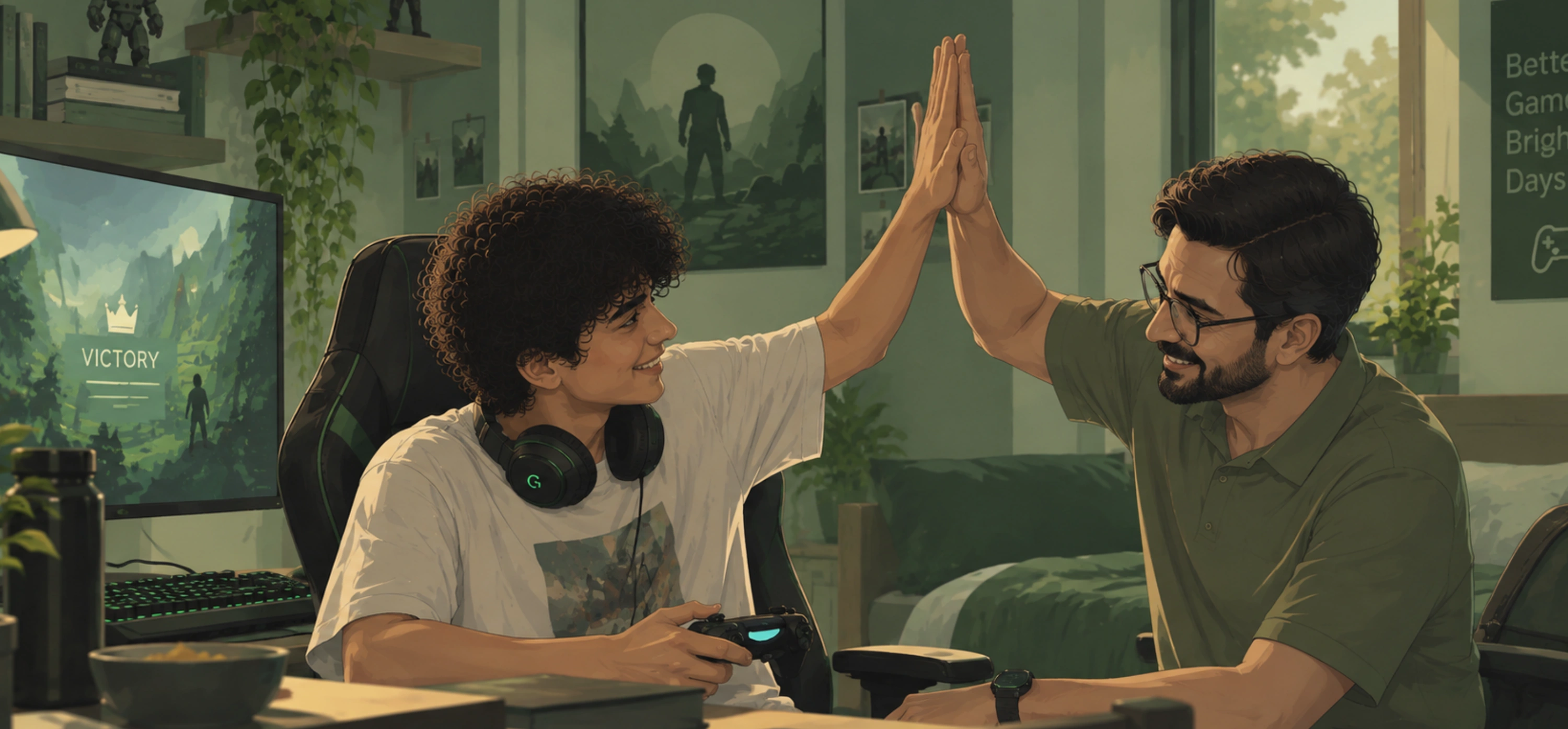
Play with them once a week. Ask what they enjoy. Watch them be good at something.
This does more for the relationship than any lecture.
Watch the money. Set up spending controls. Check for in-game purchases monthly.
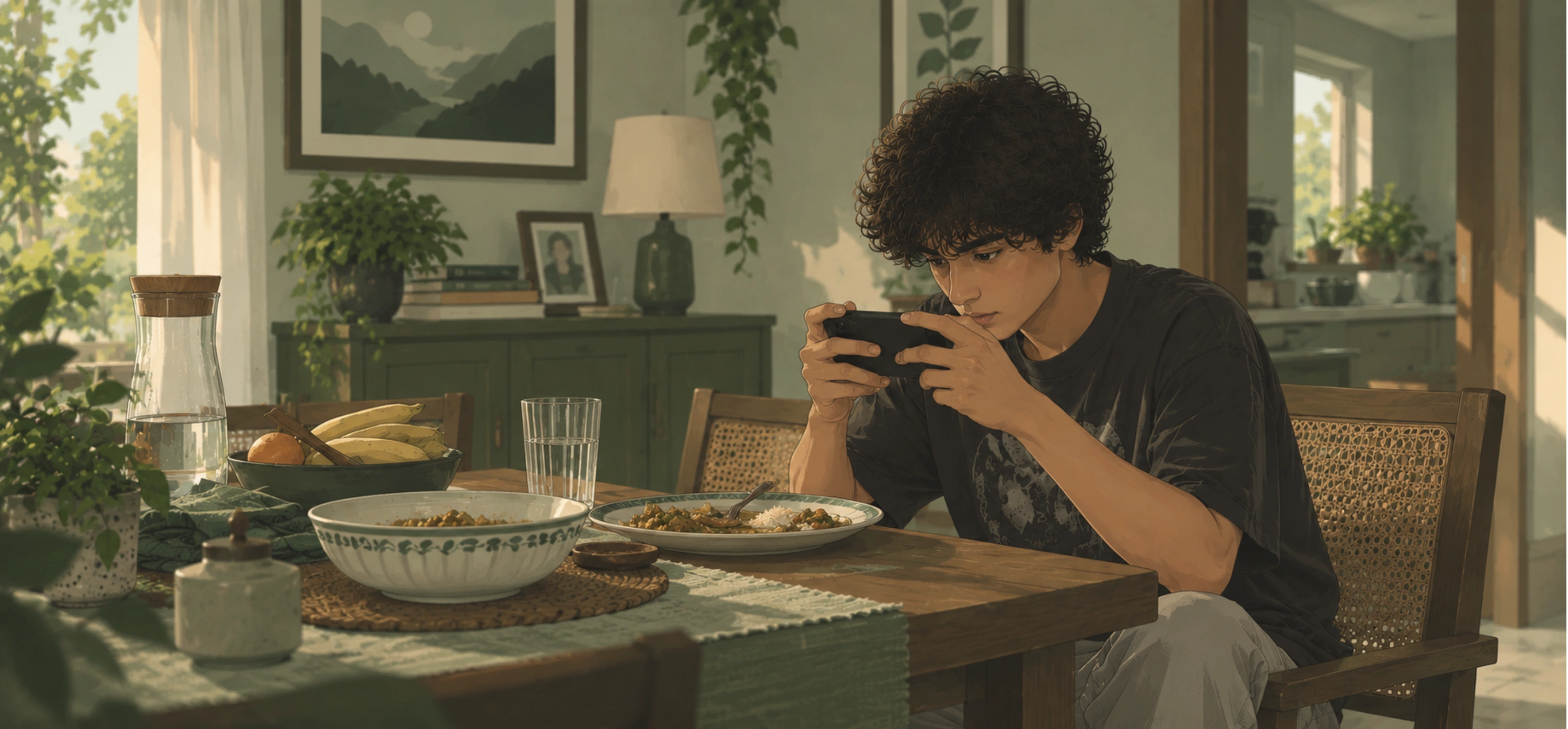
Model it. A parent scrolling through dinner has no standing to set screen rules.
Praise off-screen effort specifically. Vague praise does nothing. Name the exact thing they did.
Keep one screen-free hour a day. Same hour, every day. Dinner is the easiest one to protect.
Put the rules on paper. Stick them on the fridge. Memory turns into argument fast.
Review them monthly. A rule set at thirteen will not fit at fifteen.
Give changes a fair run. Four to six weeks before you judge them.
Expect a bad first fortnight. That is normal, not failure.
The test is week five, not week one.
And keep the relationship intact. You will need it if clinical help becomes necessary.
Q: Should I take my teenager's games away completely?
A: Rarely as a first step. Total bans tend to cause fights and hiding. Set limits, guard sleep, and fill the time with something real.
- The WHO defines gaming disorder by loss of control, gaming coming first, and play that goes on despite harm —
- The pattern must be evident for at least 12 months and cause real damage to daily life —
- A meta-analysis of 84 studies and 641,763 people pooled adolescent prevalence at 8.6% —
- An Indian study of 353 young adults in Tamil Nadu found a rate of 3.4% —
- The WHO notes that gaming disorder affects only a small share of people who game —
- Among Indian adolescents aged 13 to 17, overall prevalence of mental disorders was 7.3% —
When to Get Clinical Help
Home steps handle most cases. Some need more.
Seek an assessment if any of these are true.
You have tried structured limits properly for six weeks with no change.
School attendance or performance has collapsed.
Your teen is violent or destructive when play is limited.
They have stopped leaving the house.
Sleep is badly broken most nights.
There are signs of low mood or anxiety alongside the gaming.
There is any talk of self-harm.
That last one needs same-day help, always.
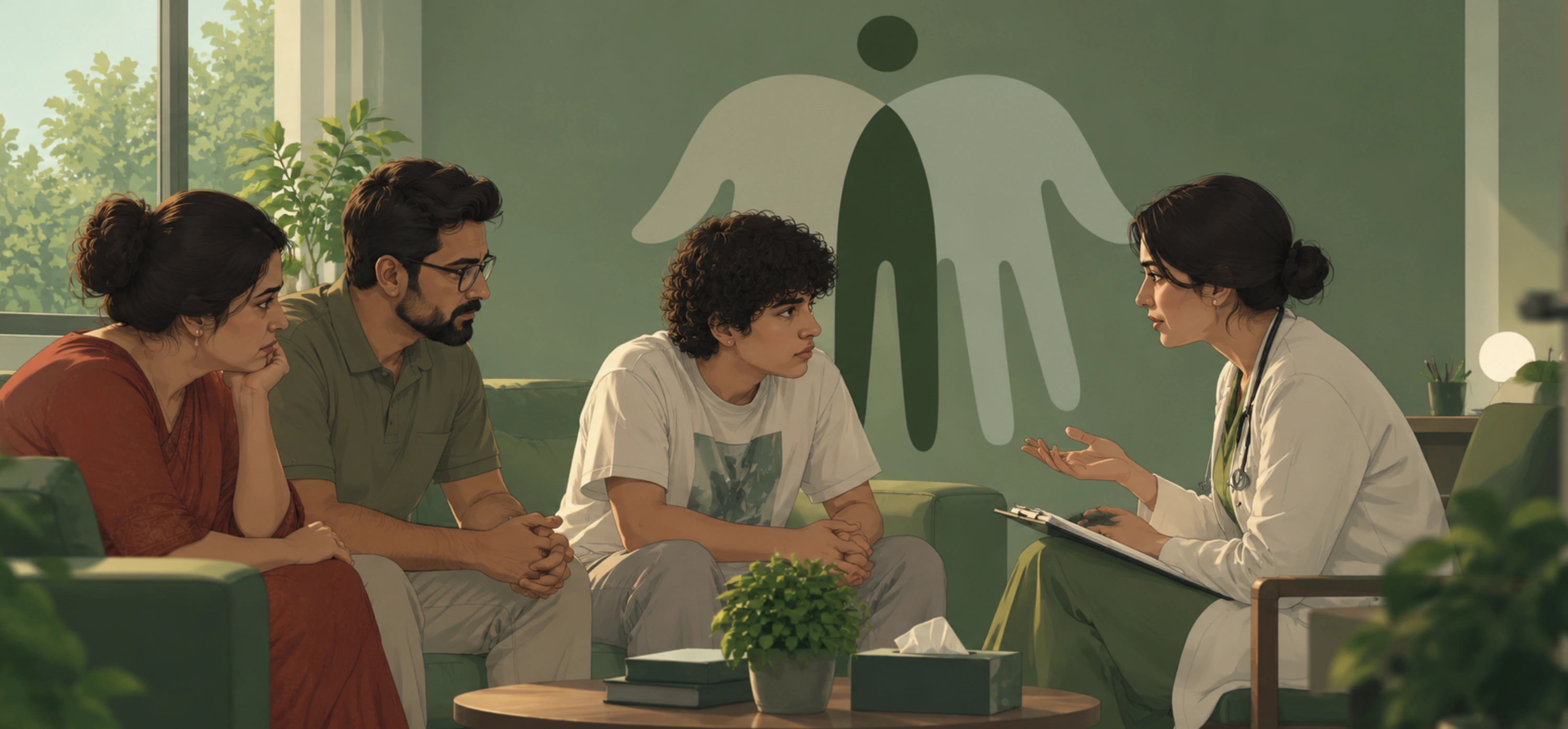
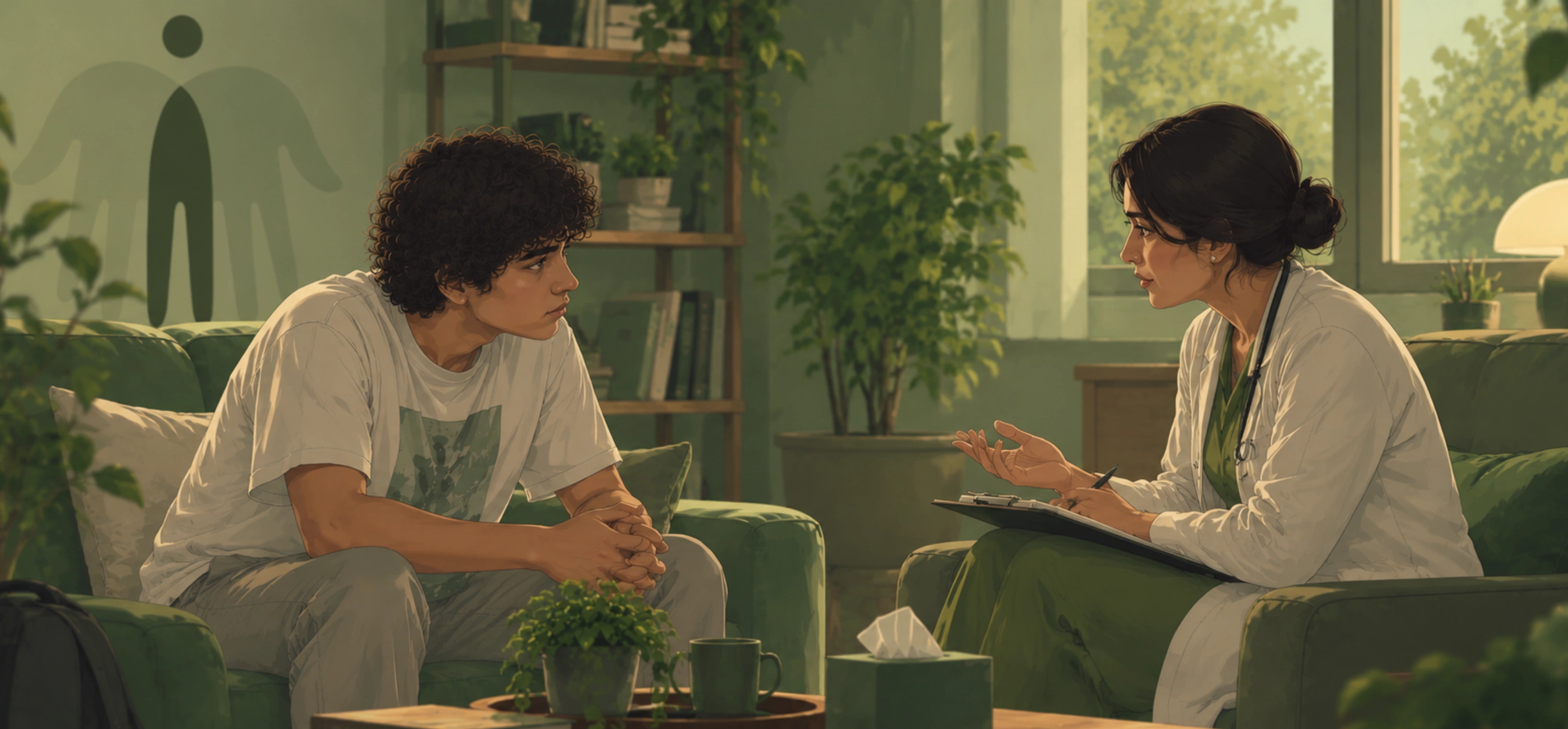
A proper check looks wider than the game. Expect questions about mood, sleep, school, bullying, and friends.
Expect the family to be asked too. Home patterns matter here.
Treatment is mostly talking therapy. CBT is the usual starting point.
It works on the triggers, the beliefs, and the alternatives. Family therapy often runs alongside it.
Where another condition is found, that gets treated in its own right.
Treating missed ADHD or low mood often cuts the gaming without a direct fight.
Medicine has no role for gaming itself. It may be used for a co-occurring condition.
Live-in care is rarely needed for this alone. It is weighed where risk is high, or where several conditions stack up.
Most teens improve as outpatients, with the family involved throughout.
Do not wait for a crisis to ask a question.
An early check costs one afternoon. A late one costs a school year.
Q: When should I take my teenager to a doctor about gaming?
A: If set limits have failed for six weeks, school has collapsed, or sleep is broken most nights. Signs of low mood or anxiety also count. Any talk of self-harm needs same-day help.
How Ganaa Works With Families on This
Ganaa has worked in mental health care in India since 2012. We treat psychiatric conditions and substance use across all age groups.
Screen and gaming problems are among the conditions we work with (Source: Ganaa, 2026 — ganaa.in).
Our starting point is always assessment, not restriction. We look for what is underneath first.
That means screening for anxiety, low mood, ADHD, and social difficulties. Those findings shape the plan.
Most young people are seen as outpatients. Our clinics sit in Faridabad, Greater Kailash, and Greater Noida.
Live-in centres are in Delhi, Gurugram, Greater Noida, and South Goa (Source: Ganaa, 2026 — ganaa.in).
Treatment blends clinical and calmer methods. CBT and exposure work sit alongside yoga, meditation, and creative therapy.
Family counselling and psychoeducation are part of the model (Source: Ganaa, 2026 — ganaa.in).
That matters here. Rules only hold when the whole household agrees on them.
Care is tailored to the young person, not to a template.
Where a stay is genuinely needed, our published guidance puts programme length at 30 to 90 days (Source: Ganaa FAQ, 2026 — ganaa.in).
For minors, immediate family can stay with them, and a psychologist gives regular updates (Source: Ganaa FAQ, 2026 — ganaa.in).
Support runs 24 hours a day.
We also work with parents on the practical side. Rules, sleep, and how to hold a limit without a war.
If you are unsure whether this is a phase or a problem, a check will tell you.
Speak to a Ganaa counsellor on +91 8750075006, or write to info@ganaa.in. You can also book a consultation at ganaa.in/booking.
Conclusion: Watch the Cost, Not the Clock
Most teenagers who game heavily are fine. Keep that in view.
Gaming disorder is real, but it has a high bar. Loss of control, gaming outranking everything, harm that does not stop the play.
And roughly twelve months of it.
Hours are the wrong measure. Cost is the right one.
Sleep, school, friends, mood, and honesty. Track those five and you will know.
If several are sliding together, get an assessment rather than an argument.
Remember what usually sits underneath. Anxiety, low mood, ADHD, or loneliness.
Taking the console away does not touch any of those.
At home, negotiate limits, protect sleep, and replace the time with something real.
Stay close to your teen through it. The relationship is the tool that works.
Help exists, and most young people do well with it.
The earlier you ask, the smaller the fix.
A phase will survive a calm question. A problem will not stay hidden from one.
Start with a talk, not a ban. Ask what it feels like when they stop.
Then listen to the whole answer.
FAQ
Q: How many hours of gaming is too much for a teenager?
A: There is no fixed number. The diagnosis rests on loss of control, gaming crowding out everything else, and continued play despite clear harm. A teen who sleeps, studies, and socialises well is not ill, whatever the hours.
Q: How common is gaming disorder among teenagers?
A: A meta-analysis of 84 studies covering 641,763 people pooled adolescent prevalence at 8.6%. Indian studies report lower rates, with one Tamil Nadu study of young adults finding 3.4%.
Q: Is gaming disorder an official diagnosis?
A: Yes. The World Health Organization includes it in the ICD-11. It requires impaired control, gaming taking priority over other activities, and continued play despite harm, generally over about twelve months.
Q: Should I ban gaming completely?
A: Usually not as a first move. Total bans tend to cause conflict and hidden play. Structured time windows, devices out of the bedroom at night, and replacing the hours with something real work better.
Q: Why does my teen get so angry when I stop the game?
A: Often because a match was cut off mid-way, and teammates were let down. Give clear warnings, let the round finish, then hold the limit. Persistent rage alongside other losses deserves an assessment.
Q: Can gaming disorder be a sign of depression or ADHD?
A: Frequently. Games suit an ADHD brain well, and they offer relief from anxiety and low mood. Any good assessment screens for these rather than looking at screen use alone.
Q: What treatment works for gaming problems in teens?
A: Cognitive behavioural therapy is the usual starting point, often with family therapy alongside. Any underlying condition is treated in its own right. Medicine has no role for the gaming itself.
Bipolar misdiagnosed as depression is common, and the delay runs close to nine years. Learn the clues, why hypomania is missed, and how to get a better review.
Adolescent mental health in India is under-treated. Learn 11 warning signs parents miss, what the data shows, how to start the talk, and when to seek help.
A six-step plan for return to work after a mental health break. Covers clearance, disclosure, phased hours, routines, warning signs, and your rights in India.