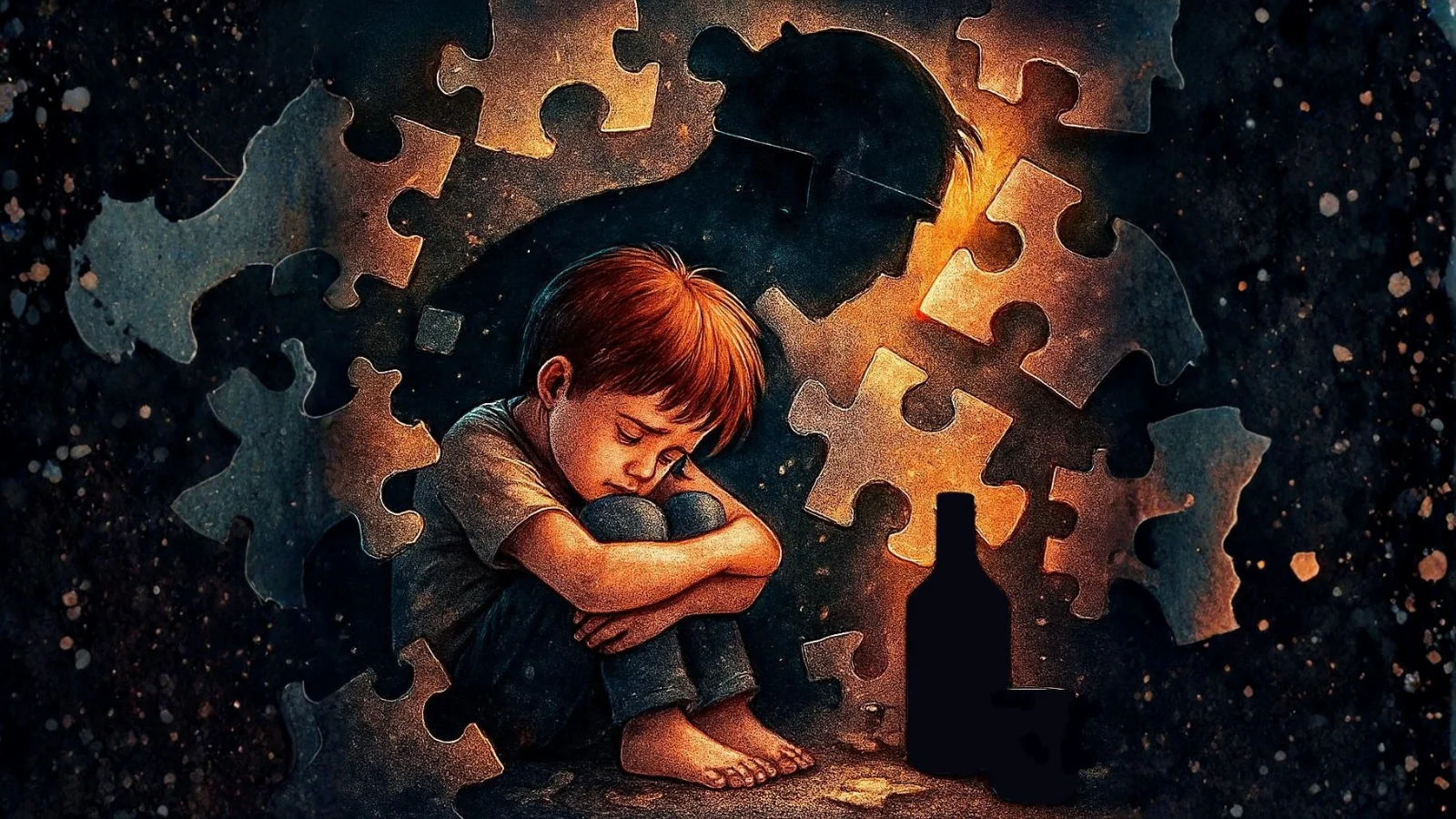
Addiction is often misunderstood in India. Many people still view substance abuse as a matter of willpower or moral weakness. But the truth is more complex: for countless individuals, childhood trauma plays a powerful role in shaping the path toward problematic substance use. Painful experiences in early life—abuse, neglect, or loss—can leave lasting scars, making substances feel like an escape from overwhelming emotions.
At Ganaa, we believe that healing requires looking beyond the surface of substance use and understanding the deeper roots of pain. Our team offers trauma-informed, evidence-based care for substance abuse in India, guiding individuals and families toward lasting recovery.
Understanding the Link Between Trauma and Addiction
Childhood trauma refers to adverse experiences that overwhelm a child's ability to cope. This may include physical or emotional abuse, neglect, domestic violence, or the loss of a caregiver. These events shape how the brain and body respond to stress, often leaving a heightened sensitivity to fear, shame, and anxiety. Over time, substances like alcohol or drugs can become a way to numb those feelings. What begins as coping can quickly spiral into dependence. Research shows that individuals with traumatic childhoods are far more likely to struggle with addiction, proving the deep connection between childhood trauma and substance abuse.
How Trauma Shows Up in Adulthood
Even decades after the original trauma, its effects can continue to shape daily life. Adults with unresolved childhood trauma may experience difficulty regulating emotions, challenges trusting others or forming healthy relationships, feelings of emptiness, shame, or low self-worth, and higher risk of depression, anxiety, PTSD, and substance dependence. For many, substance use becomes a survival mechanism—an attempt to quiet the pain of the past. But without support, this cycle can be hard to break.
Substance Abuse in India: The Reality
Substance abuse in India is not just an individual struggle—it is a widespread social challenge that affects families, communities, and future generations. Addiction often begins quietly as a way to cope with stress, emotional pain, or unresolved trauma. The stigma surrounding addiction adds another layer of difficulty, with individuals often judged harshly rather than recognized as facing serious mental health conditions. Families may hide the problem out of shame. Substance abuse is deeply connected to emotional wounds, family environments, and societal pressures. Without care, addiction disrupts education, careers, relationships, and well-being. But with proper rehabilitation, recovery is possible.
The Importance of Trauma-Informed Care and Risks of Leaving Trauma Unaddressed
Substance abuse often masks deeper childhood trauma wounds. When trauma is unaddressed, it leads to chronic relapse, additional mental health issues, strained relationships, and even self-harm. Recovery focused only on stopping substance use rarely succeeds long-term. Trauma-informed care meets individuals with compassion, asking "What happened to you?" rather than "What's wrong with you?" By addressing addiction root causes, therapy helps develop healthier coping, rebuild trust, and regain control. Programs like Alcoholics Anonymous (AA) and Narcotics Anonymous (NA) offer structured communities fostering accountability and hope, healing addiction and trauma effects. Ganaa combines trauma therapy with peer support and holistic rehabilitation to create safe and effective recovery.
How Ganaa Supports Healing
- Comprehensive Assessments: In-depth evaluation of substance use and trauma history, screening for co-occurring conditions, family involvement for support.
- Specialized Addiction & Trauma Therapy: CBT to address thought patterns, trauma-focused therapies like EMDR and somatic approaches, group therapy for peer support.
- Family Support & Empowerment: Psychoeducation on trauma-addiction link, communication and relapse prevention training, emotional support for caregivers.
With centers across India, Ganaa offers safe, stigma-free environments fostering calm, dignity, and hope. We don't just treat addiction or trauma—we help rebuild lives, restore relationships, and rediscover resilience, making us one of India's most trusted rehabilitation networks.
Your Recovery Starts with the Right Step
If you or someone you love struggles with substance use rooted in trauma, know it's not your fault and not too late. Recovery is possible with the right support. Ganaa walks with you—online across India or in-person at our Goa center.
- Call or WhatsApp us at +91 8750075006 today.
- Visit Ganaa.in to book your consultation or learn more.
- Let's build a future of healing—together, from anywhere in India.