Choosing the Right Mental Health Centre in 2026: A Complete Guide
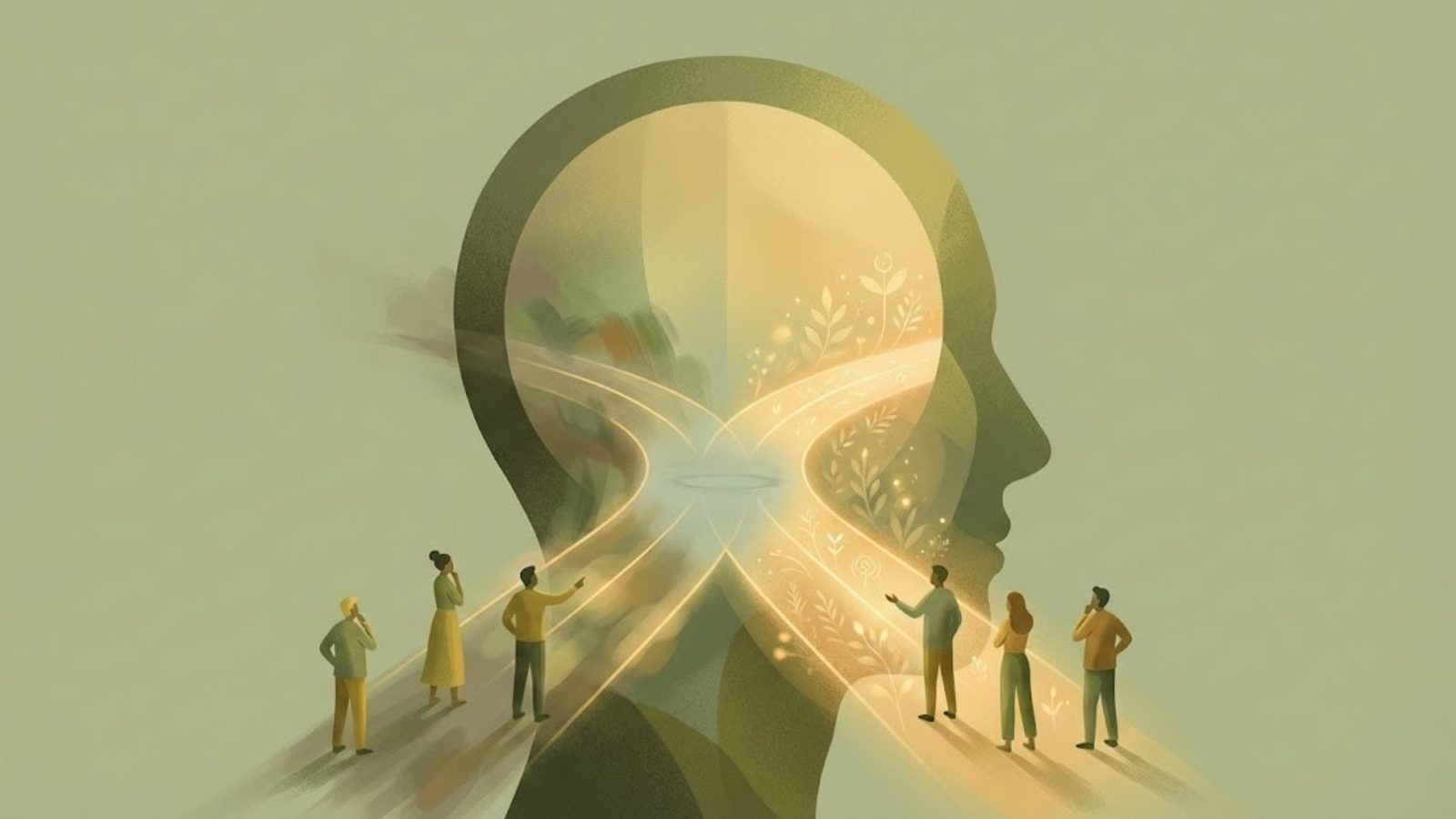
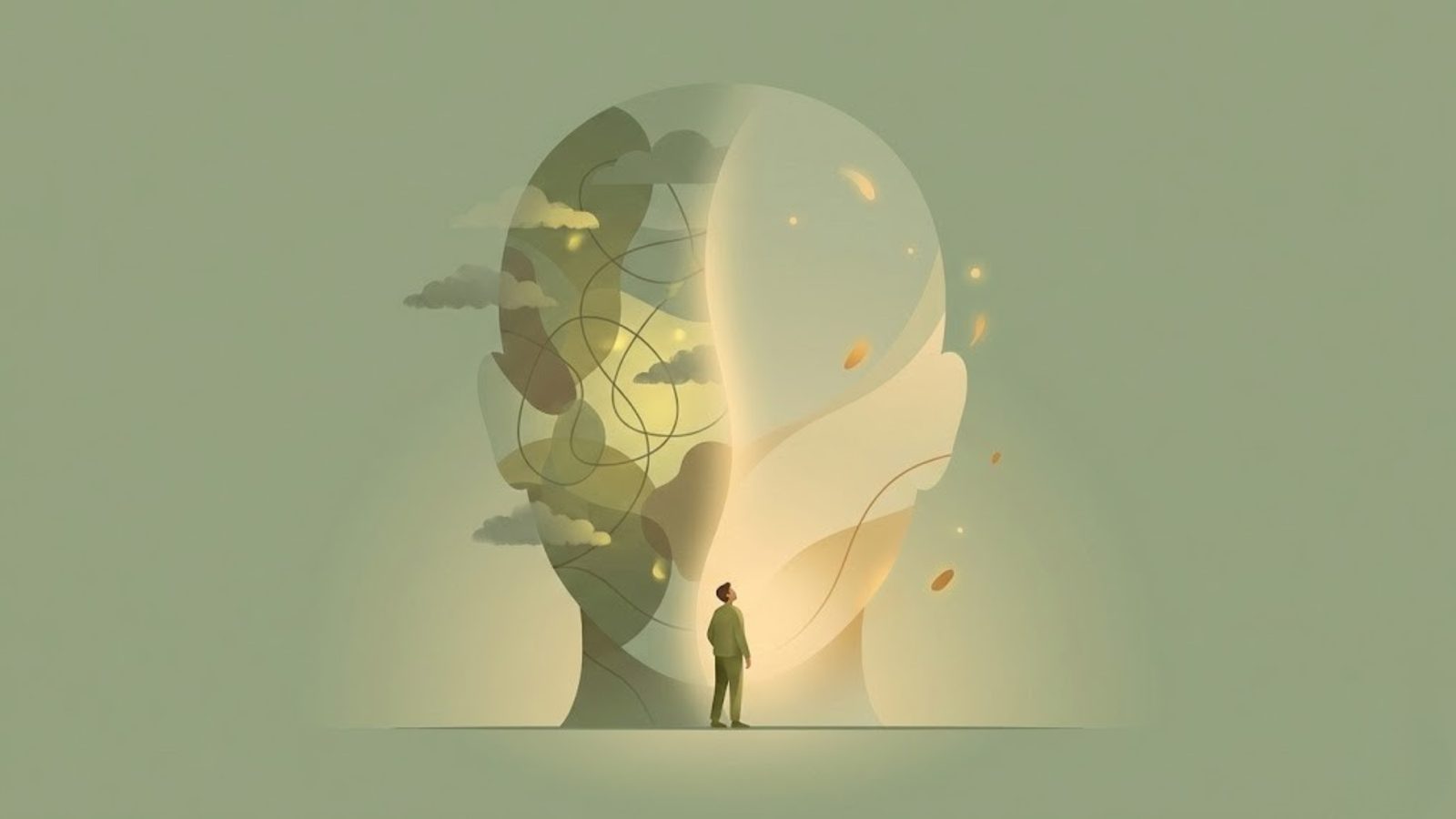
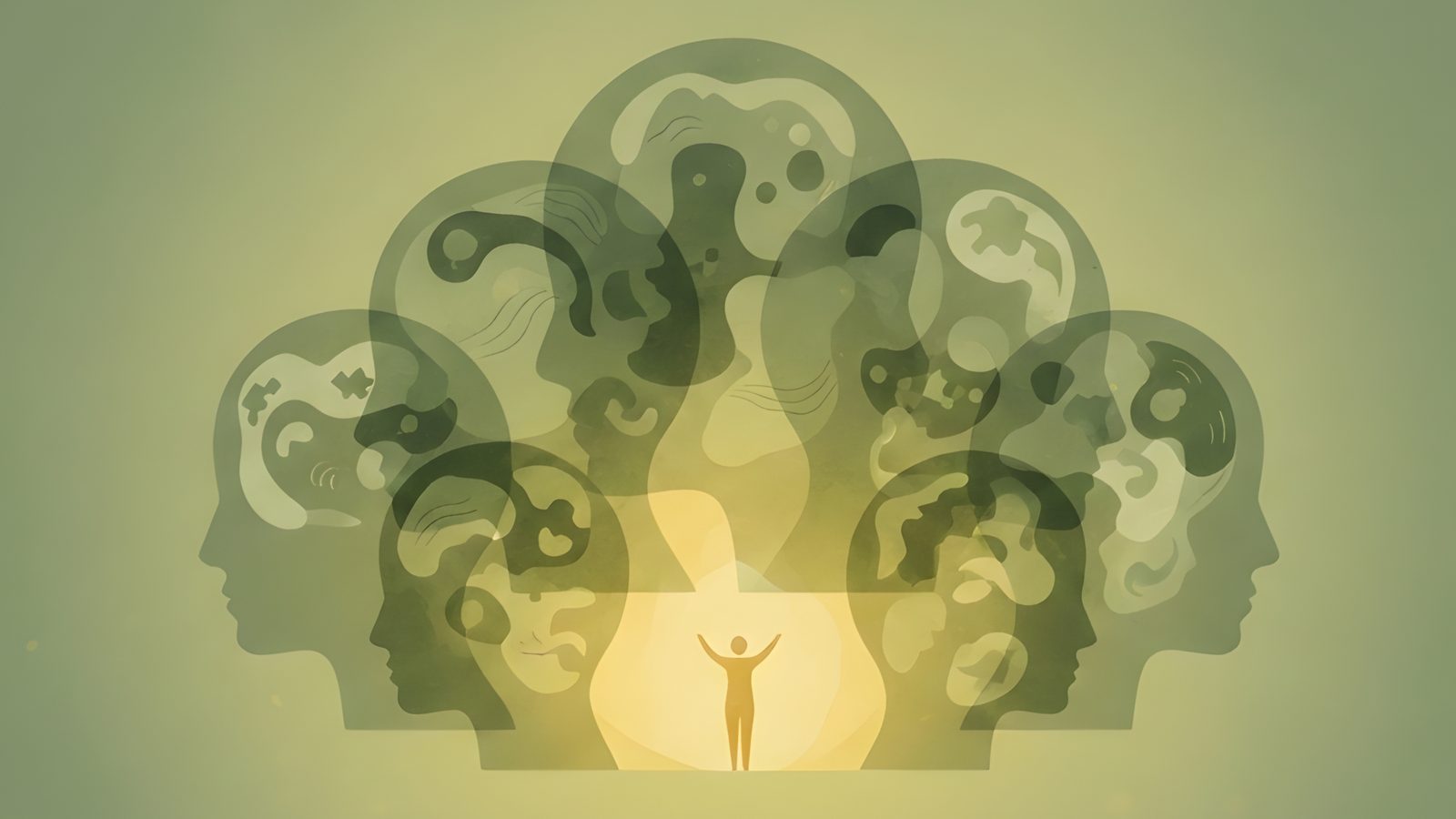
Choosing the right mental health centre can shape recovery and long-term emotional wellbeing. Compassionate care, expert support, and a safe healing environment make lasting recovery possible.
Choosing the Right Mental Health Centre in 2026: A Complete Guide
Finding the right mental health centre is one of the most important decisions you or your family will ever make. In 2026, mental health care in India has transformed. More people are seeking help. More families are ready to support their loved ones. And more options exist than ever before.
But with so many choices, how do you know which mental health centre is right for you? This guide will walk you through everything you need to know, from understanding what a mental health centre really is, to asking the right questions, and finding a place that treats you with dignity and compassion.
At Ganaa, we believe recovery is more than treatment. It is healing with dignity. Since 2012, we have offered holistic mental health and de-addiction care through expert psychiatrists, psychologists, and therapists, all within a calm, private and nurturing environment. Whether you or someone you love battles addiction or psychiatric challenges, Ganaa stands ready to guide you toward lasting recovery.
Why Choosing the Right Mental Health centre Matters More Than Ever in 2026
Mental health challenges are rising across India. Recent data shows that about 11 in 100 adults live with a diagnosable mental health condition. In cities, this number jumps even higher. Depression, anxiety, bipolar disorder, and addiction affect people of all ages and backgrounds.
Choosing the wrong facility can delay your recovery. It can lead to incomplete treatment or even make things worse. The right mental health centre, on the other hand, provides safety, expert care, and a healing environment that supports long-term wellness.
In 2026, families have more information and more choices. But they also face confusion. Which centre is best? What kind of care do you really need? This guide will help you answer these questions with confidence.
What Is a Mental Health centre?
A Mental Health Centre is a place where people go to get professional support for their emotional, psychological, and behavioural well-being.
In simple terms, it helps people feel better, think clearer, and cope better with life.
What happens at a Mental Health Centre?
A mental health centre usually offers services like:
Psychiatric care: consultations with a psychiatrist for diagnosis and medication, if needed
Therapy & counselling: one-on-one or family sessions to talk through challenges
Psychological assessments: understanding learning, emotional, or behavioural concerns
Ongoing care & follow-ups: long-term support, not just one-time visits
Who is it for?
Mental health centres support children, teenagers, adults, and families dealing with things like:
Stress, anxiety, or low mood
Sleep problems or burnout
Work, relationship, or family challenges
Behavioural or emotional concerns in children
Life transitions, grief, or trauma
What a Mental Health Centre is not
It's not only for "serious illness"
It's not a hospital ward in most cases
It's not a place you go only in crisis
Many people visit a mental health centre just to understand themselves better or improve their quality of life.
In one line:
A Mental Health Centre is a safe, professional space where trained experts help people care for their mind, just like a clinic cares for the body.
Common Mental Health and De-Addiction Conditions Treated Today
Mental health centres treat a wide range of psychiatric conditions. Depression and anxiety are the most common. But they also care for people with bipolar disorder, schizophrenia, obsessive-compulsive disorder (OCD), and post-traumatic stress disorder (PTSD).
These conditions can make it hard to work, study, or maintain relationships. In severe cases, they can be life-threatening. The good news is that with the right treatment, recovery is possible.
Addiction and Substance-Use Disorders
Addiction to alcohol, drugs, or prescription medications is a medical condition that requires specialized care. Many people try to quit on their own and fail. A mental health centre offers safe medical detox, therapy, and support to help you break free from addiction safely.
Dual Diagnosis: When Mental Health and Addiction Overlap
Many people struggle with both mental health issues and addiction at the same time. This is called dual diagnosis. For example, someone with depression may use alcohol to cope. Or someone with anxiety may become dependent on sleeping pills.
Treating both conditions together is critical. A good mental health centre will address the full picture, not just one part of the problem.
Key Factors to Consider When Choosing a Mental Health Centre
Medical Expertise and Qualified Professionals
The first thing to check is the team. Does it have qualified psychiatrists, clinical psychologists, psychiatric nurses, and therapists? Are they experienced in treating your specific condition?
Look for centres that employ a multidisciplinary team. This means doctors, therapists, social workers, and support staff all work together to create your treatment plan.
Every person is different. Your treatment should be tailored to your unique needs, not based on a standard program that treats everyone the same way.
Ask how the centre creates treatment plans. Do they conduct thorough assessments? Do they involve you and your family in the process? Personalized care is a sign of quality.
Staff-to-Patient Ratio and 24/7 Care
A low staff-to-patient ratio means more attention for you. Look for centres that maintain high staffing levels, especially in intensive care units.
Also, make sure the centre provides 24/7 medical and emotional support. Mental health crises do not follow office hours. You need a team that is always there.
At Ganaa, we maintain a high staff-to-client ratio with 24/7 support, ensuring you receive compassionate, individual-focused care at every step of your journey.
Treatment Approach: Science Plus Holistic Care
The best mental health centres combine evidence-based treatments like cognitive behavioral therapy (CBT), dialectical behavior therapy (DBT), and medication management with holistic therapies such as yoga, meditation, art therapy, and nature walks.
This integrated approach treats the whole person, not just the symptoms.
Safety, Ethics, and Patient Dignity
Under the Mental Healthcare Act (MHCA) 2017, all patients have rights. These include the right to dignity, confidentiality, and freedom from cruel or degrading treatment.
Make sure the center follows these laws. Ask about their policies on patient rights, informed consent, and privacy.
Privacy, Comfort, and Healing Environment
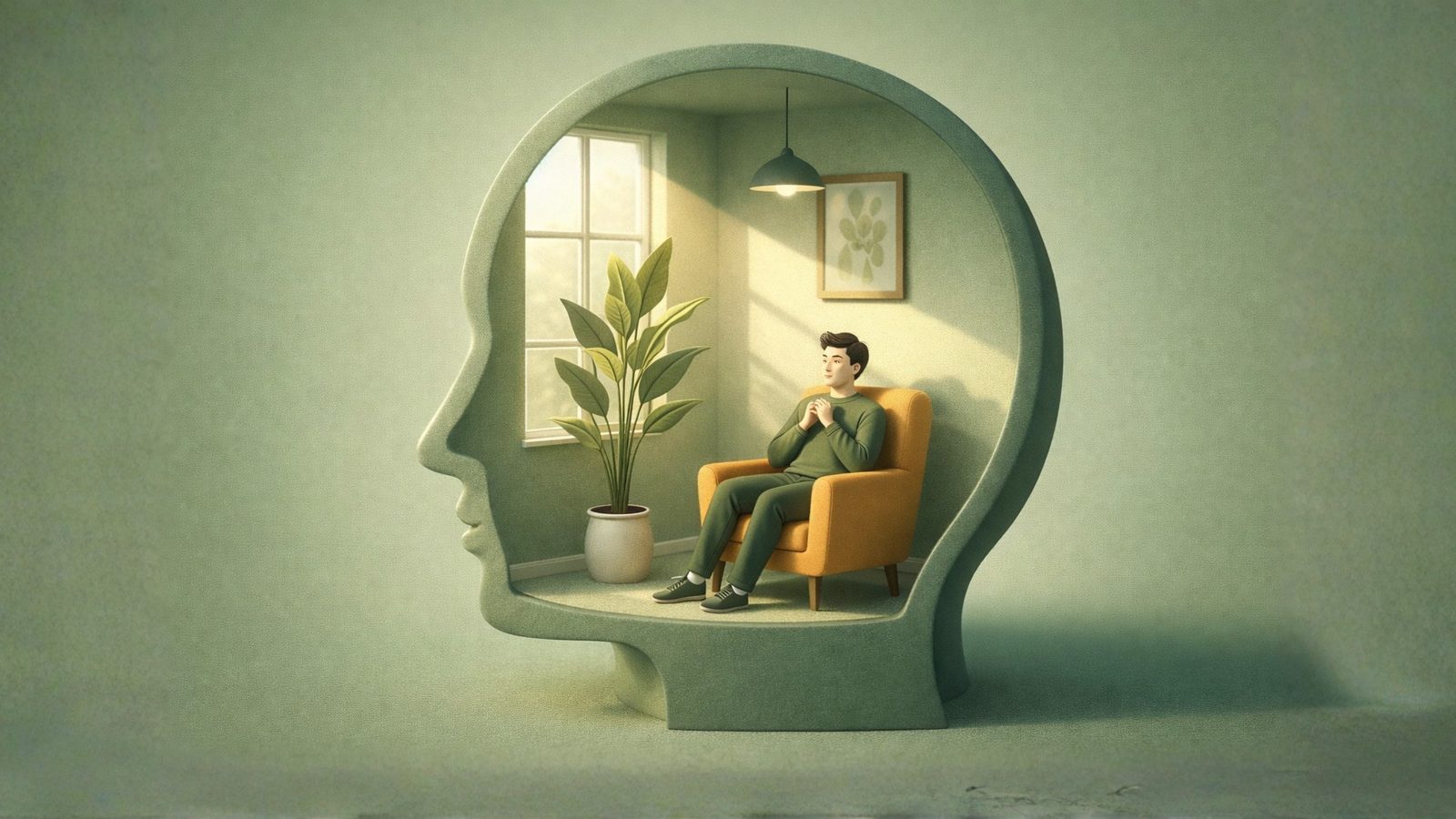
The physical environment matters. Centres with natural light, green spaces, and calm surroundings support healing. Privacy and comfort are not luxuries. They are essential for recovery.
Look for facilities that offer private or semi-private rooms, clean and well-maintained spaces, and areas where you can relax and reflect.
Ganaa's luxury, serene centers in Delhi, Gurugram, and Goa provide privacy, dignity, and a calming atmosphere surrounded by nature, creating the ideal space for recovery.
Quick Facts: What to Look for in a Mental Health Centre
Multidisciplinary team (psychiatrists, psychologists, therapists, nurses)
High staff-to-patient ratio
24/7 medical and emotional support
Evidence-based plus holistic treatment methods
Respect for patient rights and dignity
Clean, safe, and calming environment
Family involvement in treatment planning
Aftercare and follow-up programs
Transparent costs and insurance compliant documentation
Signs You or Your Loved One May Need a Mental Health Centre
Warning Signs Families Often Miss
It is easy to ignore early warning signs or hope things will get better on their own. Here are signs that professional help is needed:
Talking about suicide or harming themselves
Extreme mood swings or behavior changes
Withdrawing from friends, family, or activities
Losing interest in things they once enjoyed
Using drugs or alcohol to cope
Severe anxiety or panic attacks
Confusion, hearing voices, or losing touch with reality
Inability to care for themselves (eating, sleeping, hygiene)
When Outpatient Care Is Not Enough
If outpatient therapy or counseling sessions are not helping, it may be time to consider a residential mental health center. Inpatient care provides the structure, safety, and intensity needed to break through barriers to recovery.
Questions You Should Ask Before Choosing a Mental Health Center
Questions About Treatment Methods
What treatment approaches do you use? (CBT, DBT, medication, holistic therapies?)
How do you create individualized treatment plans?
How long does treatment typically last?
What happens if the initial plan does not work?
Questions About Doctors, Therapists, and Support Staff
How many psychiatrists and psychologists are on staff?
What is the staff-to-patient ratio?
Are staff members available 24/7?
Can I meet with my doctor regularly?
Questions About Family Involvement and Aftercare
How is my family included in the treatment process?
Do you offer family therapy or counseling sessions?
What aftercare programs do you provide after discharge?
Will I have follow-up appointments and support?
What Modern Mental Health Care Looks Like in 2026
Integrated Psychiatric and Psychological Care
In 2026, the best mental health centers integrate psychiatric care (medication and medical treatment) with psychological care (therapy and counseling). This means your doctor and therapist work together, sharing information and adjusting your plan as you progress.
Role of Holistic Therapies in Recovery
Holistic therapies are now a core part of treatment. Yoga, meditation, art therapy, music therapy, and nature-based activities help reduce stress, improve mood, and support overall wellness.
These therapies work alongside traditional treatments to heal the mind, body, and spirit.
Long-Term Recovery vs Short-Term Symptom Relief
The goal is not just to feel better for a few weeks. It is to build skills, insights, and support systems that lead to recovery. Good mental health centres focus on long-term wellness, not quick fixes.
Why Environment Matters in Mental Health Recovery
Impact of Calm, Nature-Based Settings on Healing
Research shows that natural light, greenery, and peaceful surroundings reduce stress and improve recovery. centres with gardens, open spaces, and views of nature help patients feel calm and safe.
Why Dignity, Privacy, and Comfort Improve Outcomes
When you feel respected and comfortable, you can focus on healing. Crowded wards, lack of privacy, and harsh environments make recovery harder.
Choose a centre that treats you like a person, not a number. Look for private rooms, clean facilities, and staff who listen and care.
Ganaa combines modern science with holistic therapies in luxury, serene centers that provide privacy, dignity, and a calming atmosphere. We believe healing begins when you feel safe, respected, and cared for.
How Ganaa Helps You Choose Healing, Not Just Treatment
Ganaa's Compassionate Care Philosophy
At Ganaa, we understand that seeking help takes courage. We treat every client with compassion, dignity, and respect. Our team of expert psychiatrists, psychologists, and therapists work together to create a treatment plan that fits your unique needs.
Expert-Led, Individual-Focused Treatment
We believe in personalized care. No two people are the same, so no two treatment plans should be the same. We take the time to understand your story, your challenges, and your goals.
Our high staff-to-client ratio ensures you receive the attention and support you deserve, 24 hours a day.
Luxury, Serene Centers in Delhi, Gurugram and Goa
Our centers are located in peaceful, green surroundings in Delhi, Gurugram, and Goa. We offer private rooms, modern facilities, and a calming environment designed to support your healing journey.
Recovery is more than treatment. It is healing with dignity. And at Ganaa, that is exactly what you will find.
How to Take the First Step Toward Help
Talking to Family Without Fear or Stigma
Talking about mental health can feel scary. You may worry about being judged or misunderstood. But remember, asking for help is a sign of strength, not weakness.
Start by talking to someone you trust. Explain how you are feeling. Share your concerns. Many families feel relief when they finally understand what is happening and know that help is available.
Reaching Out to a Mental Health centre Safely and Confidentially
All reputable mental health centre, including Ganaa, offer confidential consultations. You can call, email, or visit to learn more without any commitment.
Your privacy is protected. Your information is kept confidential. And you will be treated with care and respect from the very first contact.
Final Thoughts: Choosing Hope, Healing, and the Right Mental Health Centre
Choosing the right mental health centre is a decision that can change your life. In 2026, you have more options, more information, and more support than ever before. But the choice still matters.
Look for a centre that offers expert care, individualized treatment, and a healing environment. Make sure they respect your dignity, involve your family, and focus on long-term recovery.
At Ganaa, we stand ready to guide you toward lasting recovery. We combine modern science with holistic care in luxury, serene centers that feel like home. Our compassionate team will walk with you every step of the way.
If you or someone you love needs help, do not wait. Reach out today. Healing begins with a single step, and we are here to take that step with you.
Take the first step toward healing. Contact Ganaa today for a confidential consultation.
Frequently Asked Questions (FAQs)
Q: What is a mental health centre?
A: A mental health centre is a medical facility that provides intensive, round-the-clock care for people with serious mental health or addiction conditions. Patients stay at the centre and receive medical monitoring, therapy, and 24/7 support.
Q: How is a mental health centre different from a mental health center?
A: A mental health centre offers inpatient care with 24/7 medical support. A mental health center typically provides outpatient therapy, where you visit for sessions and return home the same day.
Q: When should someone consider a mental health centre?
A: Consider a centre if you or a loved one has severe symptoms like suicidal thoughts, psychosis, mania, or addiction requiring medical detox. Also consider it if outpatient care has not been enough.
Q: Are mental health centres safe and confidential?
A: Yes. A reputable centre follows the Mental Healthcare Act 2017, which guarantees patient rights, confidentiality, and freedom from cruel treatment. Your privacy is protected by law.
Q: How long does treatment usually last?
A: Treatment length varies based on the condition and individual progress. It can range from a few weeks to several months. Your treatment team will guide you through the process.
Q: Can family members be involved in treatment?
A: Yes. Family involvement is encouraged and often essential for long-term recovery. Many centres offer family therapy sessions and regular updates on progress.
Q: How do I contact Ganaa for help?
A: You can reach Ganaa confidentially through our website at ganaa.in or by calling our helpline. We are here to listen, answer your questions, and help you take the first step toward healing.
Bipolar misdiagnosed as depression is common, and the delay runs close to nine years. Learn the clues, why hypomania is missed, and how to get a better review.
Adolescent mental health in India is under-treated. Learn 11 warning signs parents miss, what the data shows, how to start the talk, and when to seek help.
Gaming disorder in teens is a real diagnosis, not a phase. Learn the WHO criteria, how common it is, the signs parents miss, and what actually works at home.