Adult ADHD India is often missed in clinic. Spot 9 hidden signs in adults, learn how diagnosis works in India, and what treatment looks like today.
Adult ADHD in India: 9 Signs Most People Miss
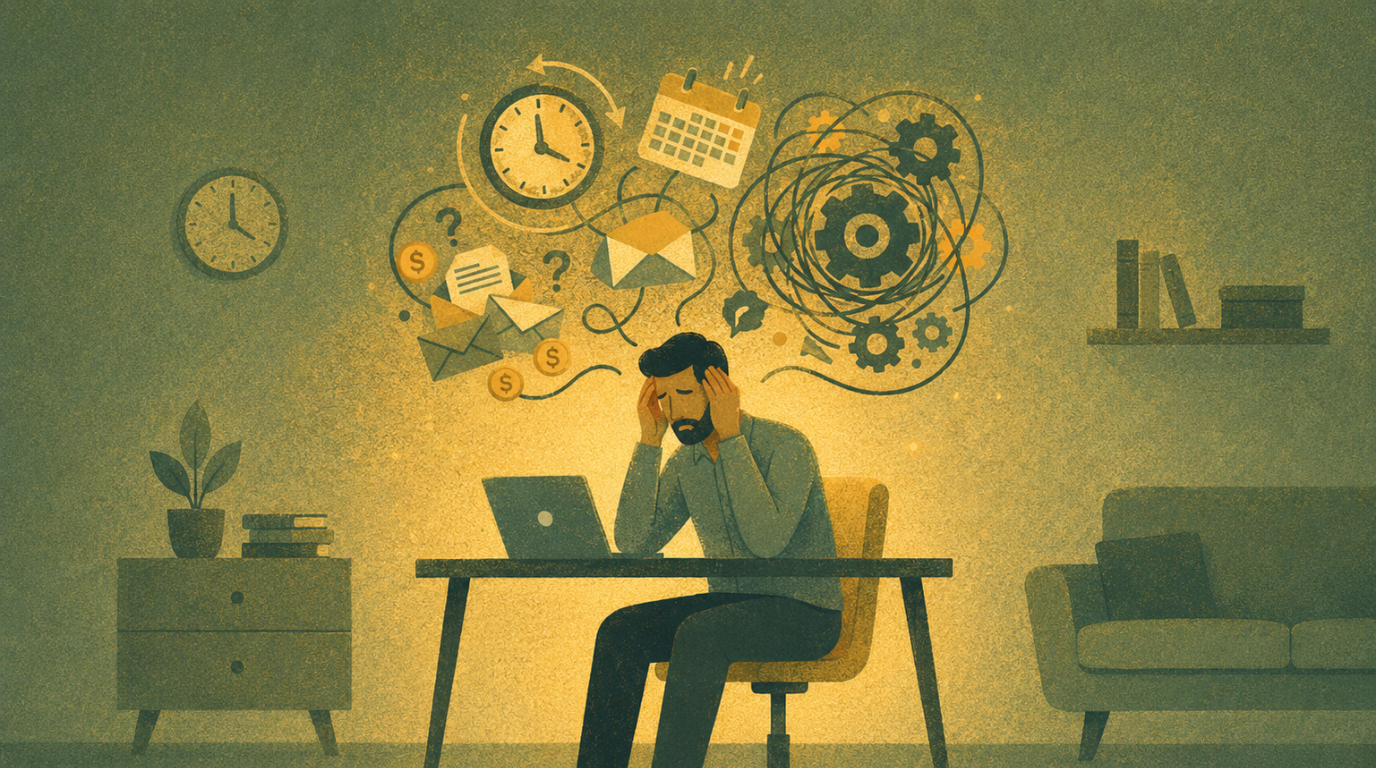
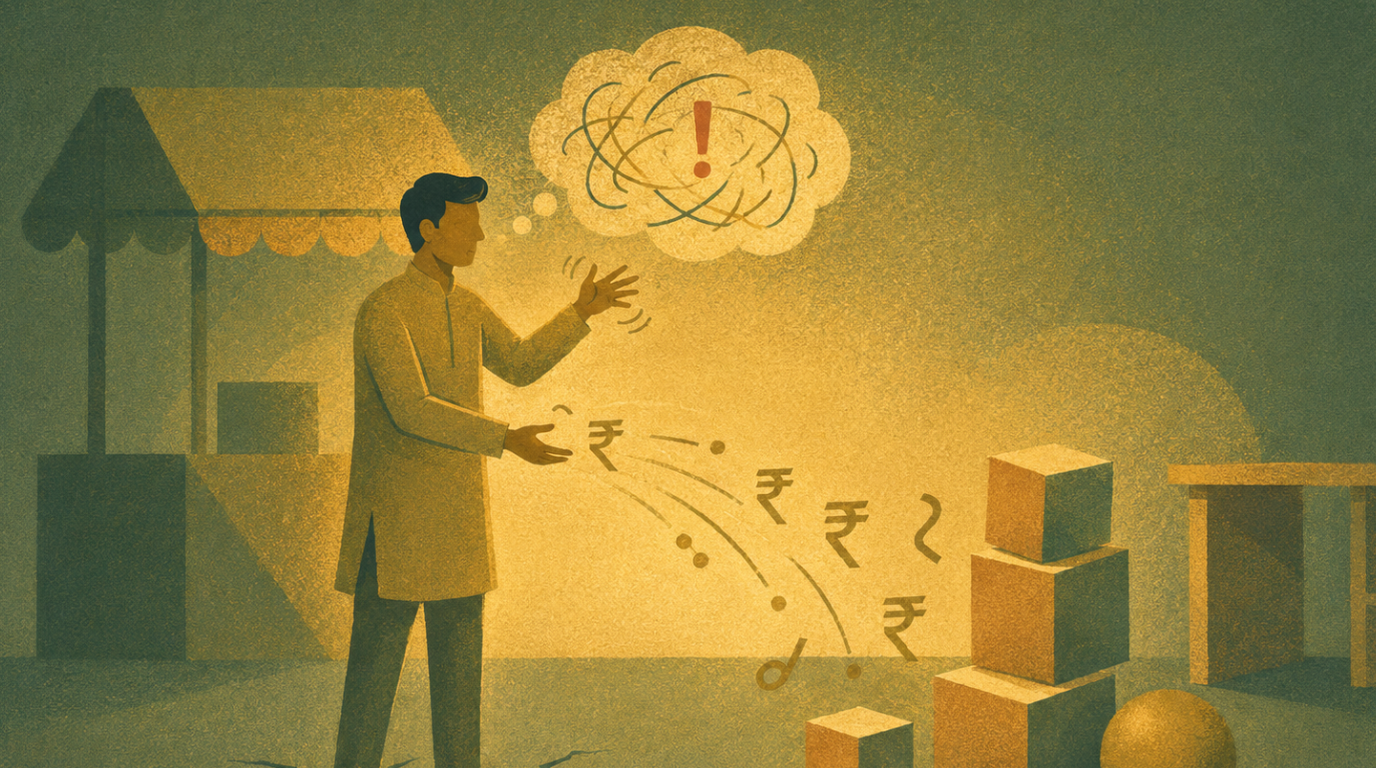
You forget the bill again. You miss the meeting. You feel deep shame, and then move on.
This loop has run since school. Most Indians call it being scatter-brained. Doctors now call it adult ADHD India, and the data says it is far more common than we thought.
A 2024 Delhi-NCR study found that 14 percent of adults aged 18 to 25 screened positive for ADHD symptoms. A 2025 systematic review put the adult range in India at 5.5 to 25.7 percent, depending on the group studied. Most of these adults have never been diagnosed.
Adult ADHD does not look like the loud, restless boy in a school film. It hides. It looks like a tired woman at thirty-two. Or a brilliant founder who cannot file taxes. Or a software engineer who freezes on small emails.
This guide lays out nine hidden adult ADHD symptoms most people miss. Each one shows up in Indian homes and offices every day. You will see how the adult picture differs from childhood. You will see why women get missed. You will see what ADHD treatment India offers right now.
Quick Facts: Adult ADHD India.
In children, hyperactivity is loud. The child runs. The child shouts. Teachers spot it fast.
In adults, the same wiring goes inward. Restlessness becomes an inner buzz. The body sits still. The mind never does.
Inattentive symptoms become the bigger problem. You miss deadlines. You lose keys. You re-read the same WhatsApp three times.
Indian research backs this shift. The 2025 IJPM review found that the inattentive subtype dominates in adults. Pure hyperactive presentations are rarer past age twenty.
The reason is biology, not effort. ADHD brains are short on dopamine and noradrenaline in the prefrontal cortex. That region runs planning, focus, and impulse control.
So what looks like a lazy adult is often a tired one. The same brain that thrived on novelty in school now struggles with EMI dates, tax filings, and quiet office work.
Sign 1: Time Blindness
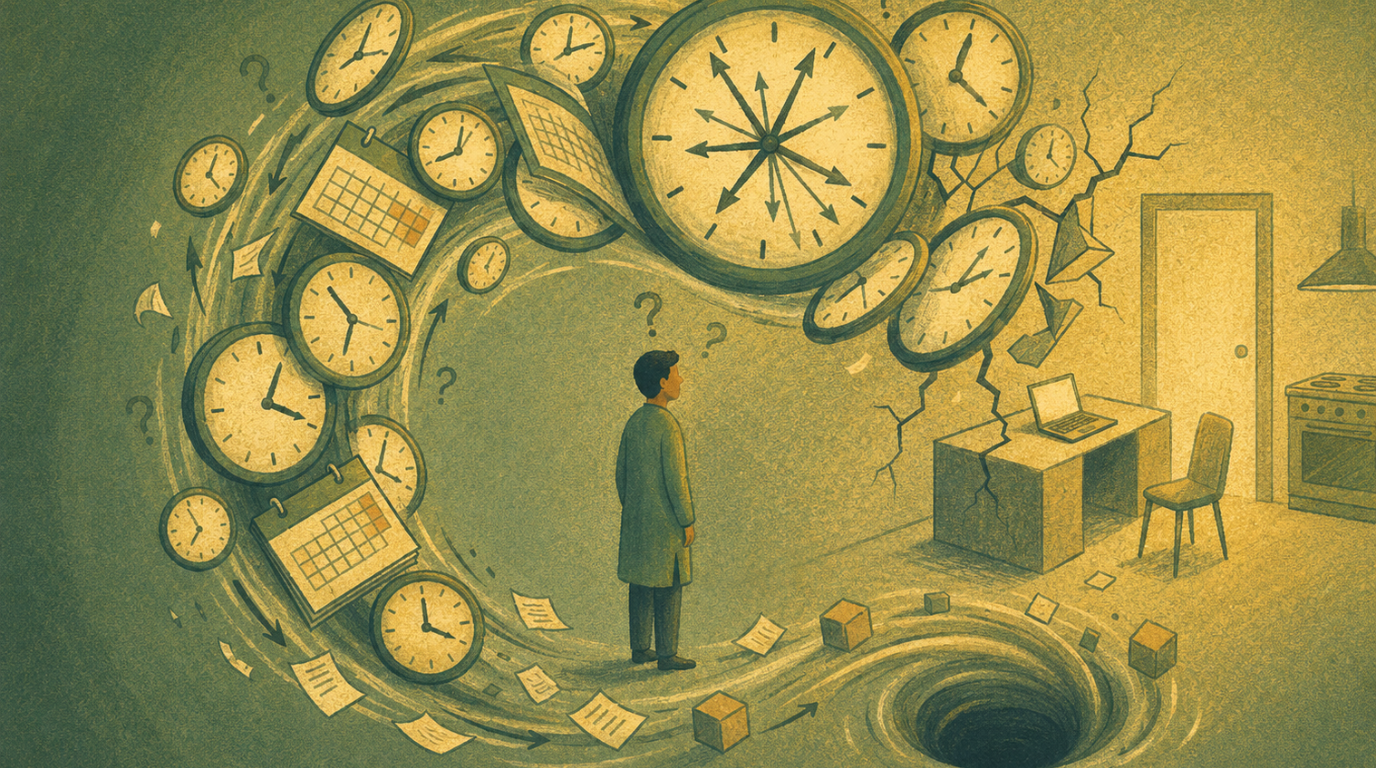
Time blindness is the first sign most adults miss. It looks like rudeness. It is not.
A person with time blindness lives in two zones. There is now, and there is not now.
Anything more than a few hours away feels unreal. So they show up forty minutes late to a family dinner.
They start a tax form at 11 pm on the last day. They underestimate how long the metro will take, every single time.
In Indian work culture, this gets read as a character flaw. Managers call them unreliable. Parents call them careless. Spouses run out of patience.
The internal experience is different. The adult does want to be on time. The brain just cannot model future time as a felt thing.
Clocks help. Calendars help less. Deadlines a week out feel like fiction until they become tomorrow.
A common pattern in Indian families: the eldest son who cannot make it to his own engagement on time. The mother who burns the dal because thirty minutes felt like ten.
Tools help, but only with a clinician. Visual timers, alarm chains, and "if-then" routines work better than long to-do lists. The aim is to build external time, since the inner clock is broken.
Q: Is being chronically late always ADHD? A: No. But if lateness runs across school, work, and personal life since childhood, ADHD is one cause worth ruling out. A clinician can map the pattern and the impact.
Sign 2: Rejection-Sensitive Dysphoria
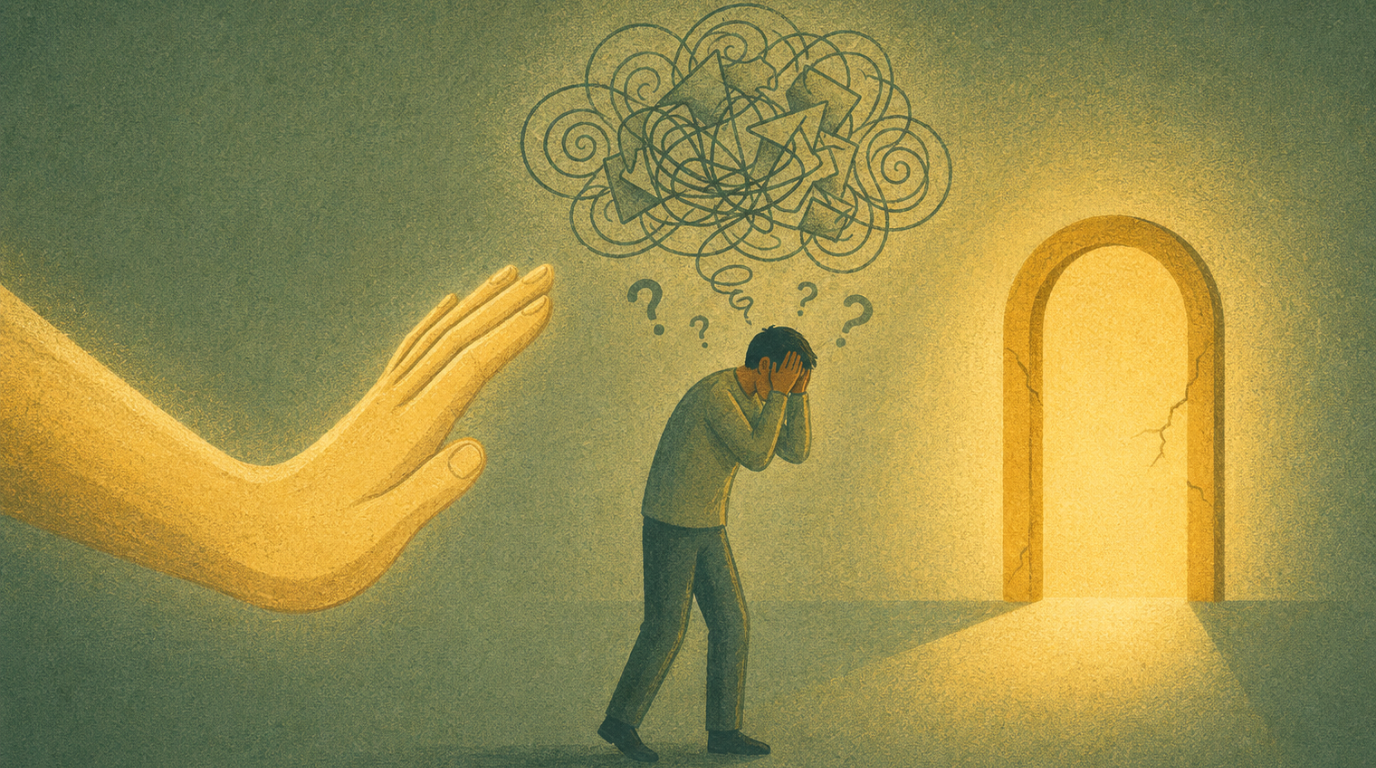
Rejection-sensitive dysphoria is the symptom adults find hardest to name. They feel it daily. They have no word for it.
It is the sharp, body-level pain that hits when you sense rejection. Real or imagined. A short reply from a boss.
A friend who did not invite you. A parent's quiet sigh. The feeling drops like a stone.
About one in three adults with ADHD say this is their most painful symptom, per ADDitude and ADDA clinical reporting. It is not yet a formal DSM-5 diagnosis.
Clinicians now treat it as a key part of ADHD-linked emotional dysregulation. In India, the pattern often shows up in joint family settings.
The adult avoids family WhatsApp groups. They re-read messages ten times. They cry after small comments and then feel silly for crying.
The shame loop is the trap. You overreact. You feel weak for overreacting. You then avoid the person who triggered it. Relationships shrink.
Many adults build an entire career around avoiding rejection. They never ask for a raise. They never pitch the idea. They quit before they can be fired.
Treatment helps, but it takes a layered plan. Therapy works on the trigger map. Medication can lower the spike. Some people benefit from a small dose of an alpha-2 agonist alongside the main ADHD drug.
Q: How do I tell rejection-sensitive dysphoria from low self-esteem? A: Rejection-sensitive dysphoria spikes fast and fades fast. Low self-esteem is a steady, slow background mood. The two often live together in ADHD adults.
Sign 3: Working-Memory Gaps
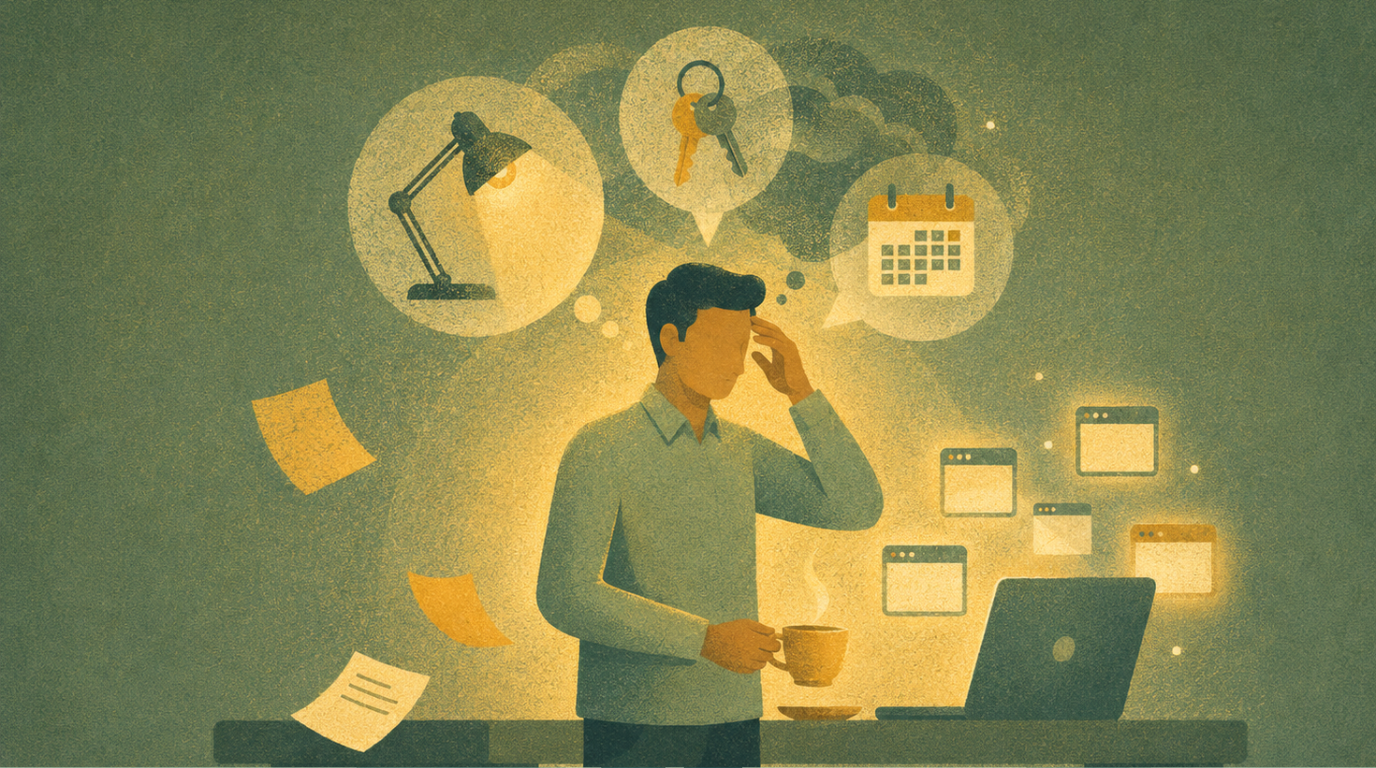
Working memory is the brain's whiteboard. In ADHD, the whiteboard is small and the marker keeps smudging.
You walk into the kitchen. You forget why. You open three tabs to do one task. You lose the thread mid-sentence.
This is not poor IQ. Many ADHD adults have high verbal scores. Their problem is holding several pieces in mind at once while doing something else.
In Indian offices, the cost is steep. The engineer forgets the client's last ask. The teacher walks into the staff room and forgets what they came for.
The shop owner re-counts the cash three times. Daily life suffers too.
You set a kettle to boil and find it cold an hour later. You leave the auto without your bag. You miss your own medicine refill.
Fixes lean on external memory. Voice notes. One running list, not five. The "captain's log" rule: write the next single step before you stand up.
Q: Why do I forget things I just heard? A: ADHD working memory drops items fast when something new enters. The new bit pushes the old bit out. Writing it down within 10 seconds is the fix most clinicians teach.
Sign 4: Hyperfocus On The Wrong Things
Hyperfocus is the most misread ADHD trait in India. People hear focus and assume the brain works fine.
It does not work fine. It works in one mode at a time.
Hyperfocus is a deep, narrow tunnel of attention. The adult can code for ten hours and forget to eat.
They can re-watch a series at the cost of sleep. They can plan a wedding to the smallest detail and miss their own EMI date.
The same broken filter that loses small tasks can lock onto big ones. The trap is that hyperfocus feels like proof you do not have ADHD.
People say, if I had ADHD, I could not focus this hard. That logic is wrong.
ADHD is a problem of regulation, not of total absence. The brain cannot dial focus up or down on demand. It runs at extremes.
Picture an Indian family case. The gifted child who built a model rocket alone but never finished homework. That child often grows into an adult ADHD case in waiting.
Q: Is hyperfocus useful or harmful? A: Both. It drives elite performance in chosen domains. It also wrecks sleep, meals, and other duties. The skill to learn is starting and stopping on cue.
Sign 5: Emotional Dysregulation
Emotional dysregulation is the symptom most missed by Indian general physicians. It often gets treated as anxiety or depression alone.
The pattern is fast, loud, and shallow. The adult goes from calm to angry in under a minute.
They cry at small films. They laugh too loud at the wrong time. About 70 percent of adults with ADHD report problems managing mood and feelings, per the Bridger Peaks clinical review.
The signal moves from prefrontal control regions to the limbic system too easily. In daily life, this looks like road rage at slow traffic.
Snapping at the maid. Slamming the laptop shut when Wi-Fi drops. Then deep regret an hour later.
A common loop in Indian marriages: a spouse seems calm all day, then explodes at one small comment about dinner. The partner walks on eggshells.
The adult feels like a bad person. This is not poor character.
It is a brain that cannot tap the brakes on big feelings. Treatment helps.
Dialectical Behaviour Therapy skills work well on this. So does steady sleep, steady food, and the right medication. Many adults notice the spikes shrink within four to six weeks of treatment.
Q: Can ADHD cause mood swings? A: Yes, in the form of fast, short spikes. These differ from bipolar mood episodes, which last days to weeks. A psychiatrist can tell them apart.
Sign 6: Executive-Function Gaps
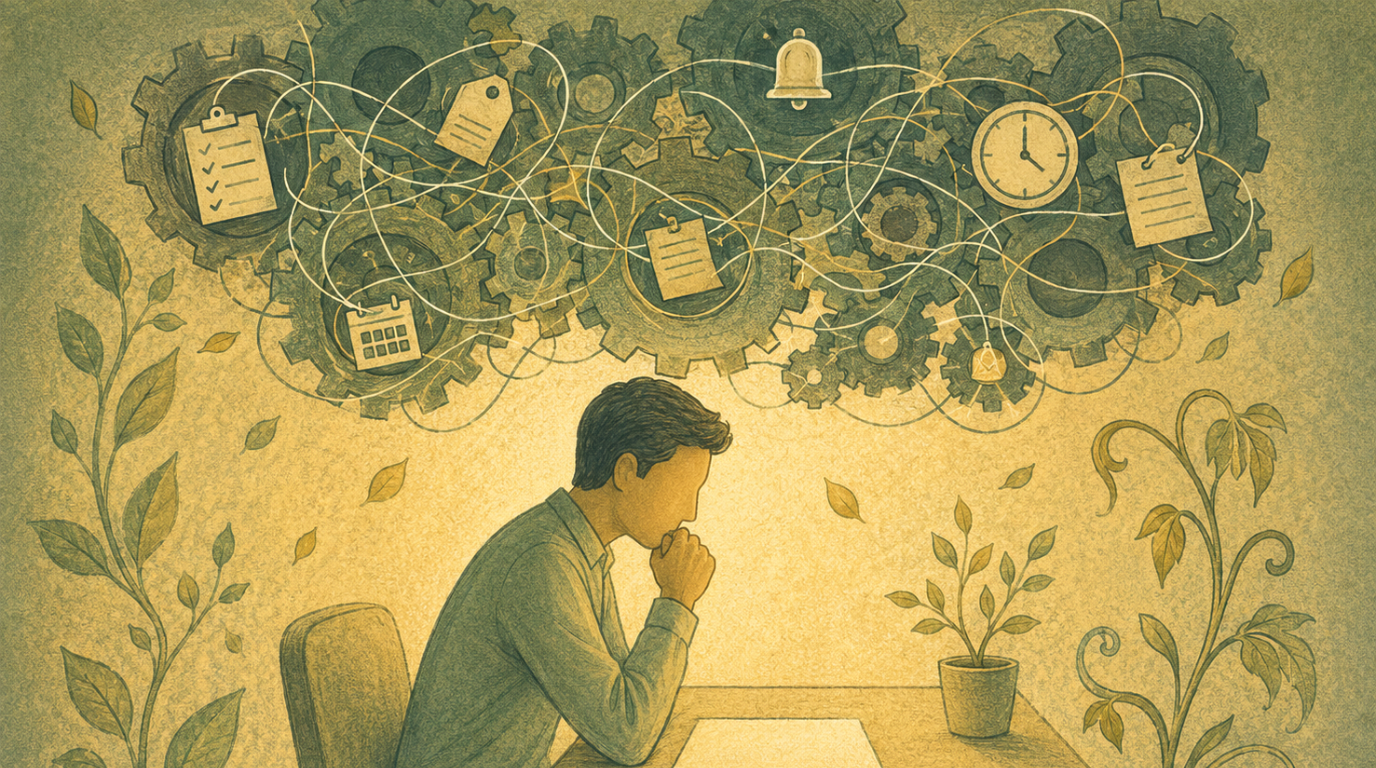
Executive function is the boss inside your head. In adult ADHD, the boss is on leave.
Executive function covers planning, sequencing, starting, switching, and finishing. ADHD adults can plan in theory.
They struggle to start. Once started, they struggle to switch tasks. This shows up as task paralysis.
The pile of laundry sits for ten days. The tax email stays unread. The bank visit gets pushed three weeks.
Per a 2025 PAR Institute clinical review, 40 to 60 percent of adults with ADHD report real impact from executive-function deficits on daily life. Indian clinicians see this pattern in nearly every adult ADHD case in the OPD.
The gap is most cruel in self-employed roles. The freelance designer turns down work because the invoicing pile is too tall.
The shop owner keeps the GST filings in a drawer for two years. A subtle clue: the adult often does the hard part well and stalls on the small final step.
They write the deck but never send the email. They cook the meal but never serve it.
Fixes are skill-based, not willpower-based. Body doubling. Time boxing. A daily "shutdown ritual" where the next morning's first task is written down before bed.
Q: Why can I do hard tasks but stall on small ones? A: ADHD brains are pulled by interest and urgency, not by importance. Small admin tasks feel boring, so the start signal never fires. A trained therapist can build cues that work around this.
Sign 7: Impulsivity In Money And Words
Adult impulsivity has a quieter face than childhood impulsivity. The child blurts. The adult swipes.
It shows up in three main forms. Money. Words. Decisions.
In money, you spend on small dopamine hits. Late-night Amazon orders. A new gadget you do not need.
The book you will not read. Indian fintech apps make this faster than ever, with one-tap UPI and EMIs on small buys.
In words, you cut in. You finish other people's sentences. You say the honest thing in a meeting and regret it for a week.
Then you avoid that meeting for a month. In decisions, you switch jobs too fast.
You move cities on a whim. You marry too quickly or quit too quickly. You then wonder why your life looks scattered at thirty-five.
A 2025 Annals of Indian Psychiatry study noted high impulsivity scores in adults flagged for ADHD in tertiary-care settings. Substance use risk also climbs in this group.
The damage compounds. Each impulsive choice steals time from the next plan. Many adults reach forty with strong skills, poor savings, and frayed bonds.
Treatment focuses on the gap between trigger and action. CBT teaches a 10-second pause. Apps add friction to spending. Medication often softens the urge itself.
Q: Is impulsive spending always ADHD? A: No. But a lifelong pattern of impulsive buys plus other adult ADHD symptoms makes ADHD worth screening for. A clinician will check mood disorders too, since hypomania can mimic this.
Sign 8: Sleep And Routine Chaos
Sleep is the silent ADHD symptom. It rarely gets named in the clinic.
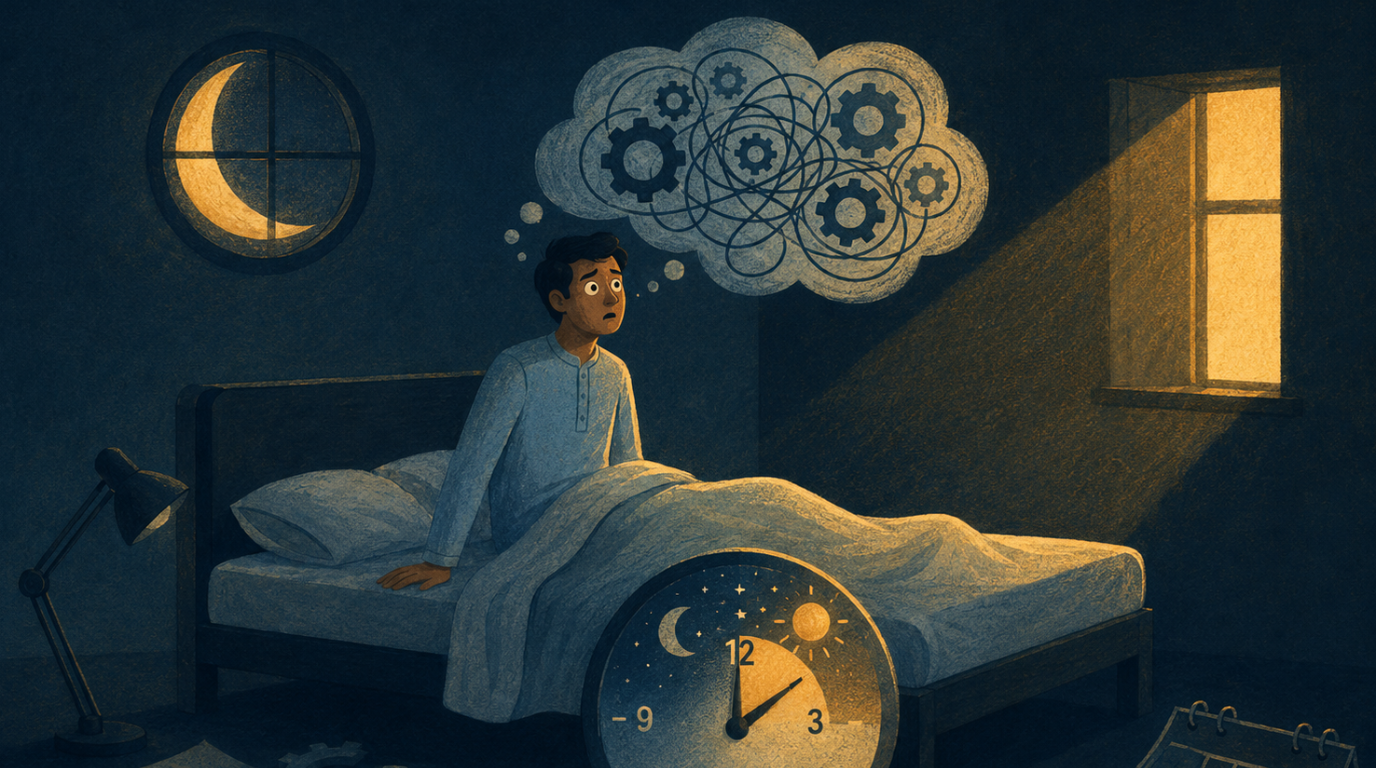
ADHD adults tend to be night owls. They feel sharpest at 11 pm. They cannot fall asleep till 2 am.
They drag through the next morning on chai and guilt. The cause is a delayed circadian phase, common in ADHD.
Dopamine and melatonin timing are linked. The same brain wiring that makes mornings hard also makes night-time scrolling feel essential.
Indian work culture is brutal on this. School at 7 am. Office at 9 am. Both clash with the ADHD body clock.
By Wednesday, the adult is in sleep debt and short on patience. The chain reaction is large.
Poor sleep makes inattention worse. It makes mood swings sharper. It makes hyperfocus on phones harder to break.
Routine also collapses. Meals are skipped or doubled. Exercise stops. Bills get missed because every morning feels like a small emergency.
A treatment plan that ignores sleep will fail. Clinicians often start with a sleep window, light exposure in the morning, and a phone cutoff at night. Some use low-dose melatonin under supervision.
Q: Why can I not fall asleep even when tired? A: ADHD often comes with a delayed body clock and a busy mental loop at night. The brain has been understimulated all day and now refuses to slow down. Routine and light timing are the first fixes.
Sign 9: Women Hide All Of The Above
The ninth sign is not in the body. It is in the social script.
Indian women with ADHD often look like the best students, the most polite employees, the most caring daughters. Inside, they are exhausted.
Women reported greater symptom severity, more mind-wandering, more mood lability, and more hyperfocus. Men more often showed visible externalizing behaviours.
This means a worried Indian mother who reads this list and ticks six items is not exaggerating. She is probably right.
If you are reading this and the list fits, that is a clinical signal. It is not weakness. It is not laziness. It is a treatable, lifelong condition.
Q: Why do Indian women get diagnosed so late? A: Symptoms get masked by social training. Anxiety and depression often arrive first and get treated alone. ADHD shows up only when those treatments do not fully work. The right step is to ask for a full neuropsychiatric workup.
ADHD Diagnosis Adults And Treatment In India
ADHD diagnosis adults follow a clinical, multi-step path. There is no single test.
A psychiatrist or an RCI-registered clinical psychologist runs the workup. The visit is not a quiz. It is a structured clinical interview.
Step one is history. The clinician asks about childhood. School reports help. A parent or sibling who saw the patient at age seven helps even more.
Step two is rating scales. The Adult ADHD Self-Report Scale (ASRS) is common. The DIVA-5 is used in many Indian clinics for deeper work-up.
Step three is rule-outs. Anxiety, depression, thyroid issues, sleep disorders, and bipolar spectrum all mimic ADHD. Blood work and a sleep history are routine.
Step four is impact mapping. The clinician checks how symptoms affect work, money, and relationships. ADHD is only a diagnosis when impact is real and chronic.
Most adults need one to three sessions for a clean diagnosis. Some need a referral to a clinical psychologist for cognitive testing. Some need a cardiology check before stimulant medication starts.
A common mistake: skipping the rule-out step. Self-diagnosis from a TikTok reel is not a diagnosis.
Many people who feel sure they have ADHD actually have anxiety, trauma, or untreated sleep apnoea. A clinician can tell the difference. [internal link: related Ganaa blog on adult mental health screening in India].
ADHD treatment in India: what the plan looks like.
ADHD treatment India usually blends three things. Medication, therapy, and routine design.
On medication, the Indian market is narrower than the US. Methylphenidate and atomoxetine are the two main approved options.
Methylphenidate is sold as Addwize and Inspiral. It works fast and lasts four to twelve hours.
It is a Schedule X drug. Prescriptions are tight and stock can be patchy.
Atomoxetine is sold as Axepta and Attera. It is non-stimulant and easier to access.
It takes four to six weeks to show full effect. Many Indian psychiatrists start with it as first-line.
CBT for adult ADHD is the most evidence-based talk treatment. It targets time, planning, and emotion skills.
Dialectical Behaviour Therapy helps where emotional dysregulation is strong. Coaching adds practical scaffolding for daily work.
On routine, the basics matter most. Steady sleep. Steady meals. Movement most days. Light exposure in the morning. Phone limits at night.
ADHD is lifelong. Care plans last years, not weeks. The aim is a life that runs on its own steam.
If the pattern above fits and daily life is now hurting, you do not need to figure this out alone. Ganaa treats adult ADHD as a real, lifelong condition.
Our psychiatrists run the full diagnostic workup using ASRS, DIVA, and a childhood-history pull. Treatment plans are built with the patient.
We use CBT, DBT skills, and coaching alongside medication where indicated. Where co-occurring substance use is present, we treat the dual diagnosis under one roof.
For acute adult ADHD with severe burnout, depression, or substance use, our residential programs run 30, 60, or 90 days. Centres are in Ganaa Delhi I, Ganaa Delhi II, Ganaa Gurugram, Ganaa Goa, and Ganaa Greater Noida.
The Gurugram centre has a women-only wing. For adults who keep working while in treatment, our OPD clinics in Faridabad, Greater Kailash. Greater Noida offer weekly therapy and psychiatric review.
Aftercare runs for six to twelve months. The shift, once a plan is in place, is large and steady.
Adult ADHD is not a new fad. It is a real, lifelong wiring difference that hides well in Indian adult life.
If five or more of these nine signs fit, that is a clinical signal. Medication, therapy, and routine together shift the daily picture within months.
The next step is a clinical assessment, not a self-quiz. A psychiatrist or RCI-registered clinical psychologist can map your pattern in one to three sessions.
You have lived with this brain your whole life. You can also live well with it, with the right support.
Speak to a Ganaa admissions counsellor today, or visit ganaa.in to map your next step.
FAQ
Q: What does adult ADHD India look like in real life? A: It often looks like chronic lateness, missed deadlines, and racing thoughts. Many adults in India also report deep shame after small mistakes. The pattern is lifelong, not new.
Q: Can ADHD start in adulthood? A: No. ADHD is a neurodevelopmental condition that begins in childhood. Symptoms may show up later when school or work demands rise. Diagnosis can still happen at any age.
Q: Why are Indian women under-diagnosed with ADHD? A: Girls are taught to mask. They appear quiet, polite, and people-pleasing. Inattentive symptoms get read as personality, not a clinical sign. Diagnosis often comes after burnout in their thirties.
Q: How is ADHD diagnosis adults done in India? A: A psychiatrist or RCI-registered clinical psychologist runs a clinical interview, rating scales, and a history check from childhood. Anxiety, depression, and thyroid issues are ruled out first. The full workup takes one to three sessions.
Q: What is ADHD treatment India usually built on? A: It blends medication, CBT skills, and routine design. Methylphenidate and atomoxetine are the two main approved options here. Therapy targets time, sleep, and emotion skills.
Q: Is rejection-sensitive dysphoria an official ADHD symptom? A: It is not in the DSM-5. But many clinicians see it as a core part of ADHD-linked emotional dysregulation. About one in three adults call it their most painful symptom.
Q: When should an adult seek help for ADHD? A: When the pattern has run for years and now hurts work, money, or relationships. Sleep loss, panic, or low mood on top of it raises the urgency. A clinical review is the first safe step.
Bipolar misdiagnosed as depression is common, and the delay runs close to nine years. Learn the clues, why hypomania is missed, and how to get a better review.
Adolescent mental health in India is under-treated. Learn 11 warning signs parents miss, what the data shows, how to start the talk, and when to seek help.
Gaming disorder in teens is a real diagnosis, not a phase. Learn the WHO criteria, how common it is, the signs parents miss, and what actually works at home.