Adolescent Mental Health in India: 11 Signs Parents Should Not Ignore
Adolescent mental health in India is under-treated. Learn 11 warning signs parents miss, what the data shows, how to start the talk, and when to seek help.
Adolescent Mental Health in India: 11 Signs Parents Should Not Ignore
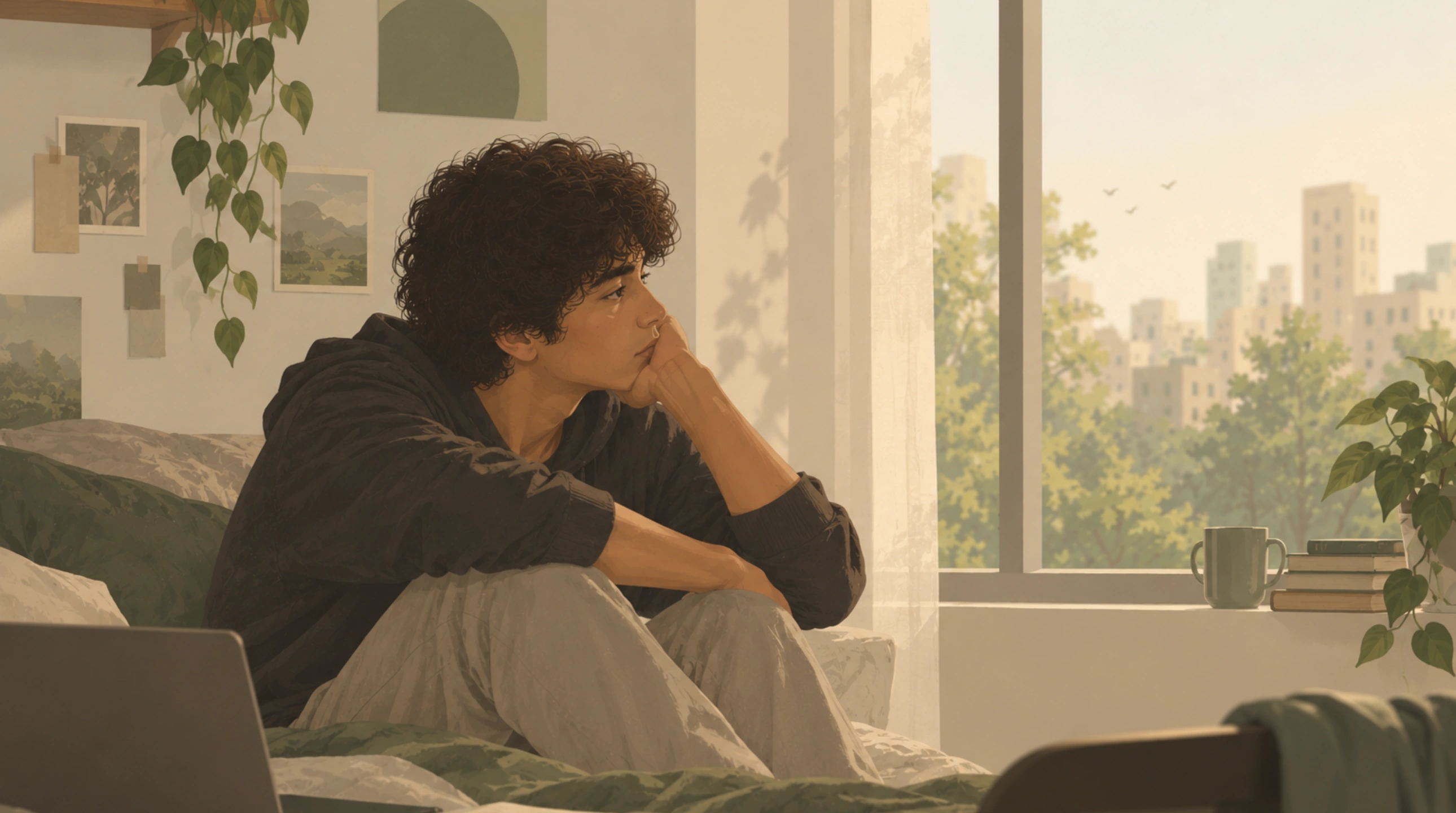
Teenagers are moody. Everyone knows that, so everything gets filed under it.
That filing is where real illness hides.
Adolescent mental health in India is common ground and blind spot at once. The numbers are not small.
Among Indian 13 to 17 year olds, 7.3% live with a mental disorder (Source: National Mental Health Survey, NIMHANS, 2016 — indianmhs.nimhans.ac.in).
Globally, one in seven 10 to 19 year olds lives with a mental disorder (Source: World Health Organization, 2024 — who.int).
School-level Indian studies find higher rates still. One South Delhi study of 679 school students found depression at 25.92% and anxiety at 13.70% (Source: Journal of Family Medicine and Primary Care, 2025 — pmc.ncbi.nlm.nih.gov).
So this is not rare. It is normal, and it is mostly untreated.
This guide gives you eleven signs to watch. Each one is concrete.
It also covers what is not a warning sign. That matters just as much.
Then it covers how to raise it, and when to get help.
One note first. This is general guidance, not a diagnosis. Only a qualified clinician can assess a young person.
Why Parents Miss It
The signs are not hidden. They are explained away.
Every symptom of teenage depression has an innocent twin.
Sleeping all day looks like laziness. Snapping at everyone looks like attitude.
Dropping friends looks like a phase. Falling grades look like not trying.
So parents correct behaviour instead of asking about feeling.
There are bigger forces at work too.
Exams eat everything. In many Indian homes, mood is judged only by marks.
A child who is doing fine academically is assumed to be fine.
Distress reads as disrespect. Irritability gets punished rather than explored.
Aches get chased instead. Teens often report headaches or stomach pain, not sadness.
Families go from doctor to doctor and never reach a mental health question.
Stigma sits over it all. Families fear a label that will follow a child into marriage and work.
Help is truly hard to reach. India's treatment gap runs from 70% to 92% across disorders (Source: National Mental Health Survey, NIMHANS, 2016 — indianmhs.nimhans.ac.in).
Research on Indian teens has mapped these barriers directly (Source: Systematic review, PMC, 2025 — pmc.ncbi.nlm.nih.gov).
There is also a timing problem. Many teens hide distress well for months.
By the time it shows, it has usually been running a long while.
That is why watching for the quiet signs matters more than waiting for a crisis.
The loud signs come late. By then a lot of ground is lost.
Quiet signs are cheap to check and easy to miss.
Q: Is teenage moodiness normal or a warning sign?
A: Normal moodiness comes and goes, and daily life keeps working. Watch for change that lasts over two weeks, spreads across home and school, and takes friendships or sleep with it.
The 11 Signs, One by One
Take these as a cluster. One alone is rarely enough.
Two or more, running past two weeks, deserve a proper talk.
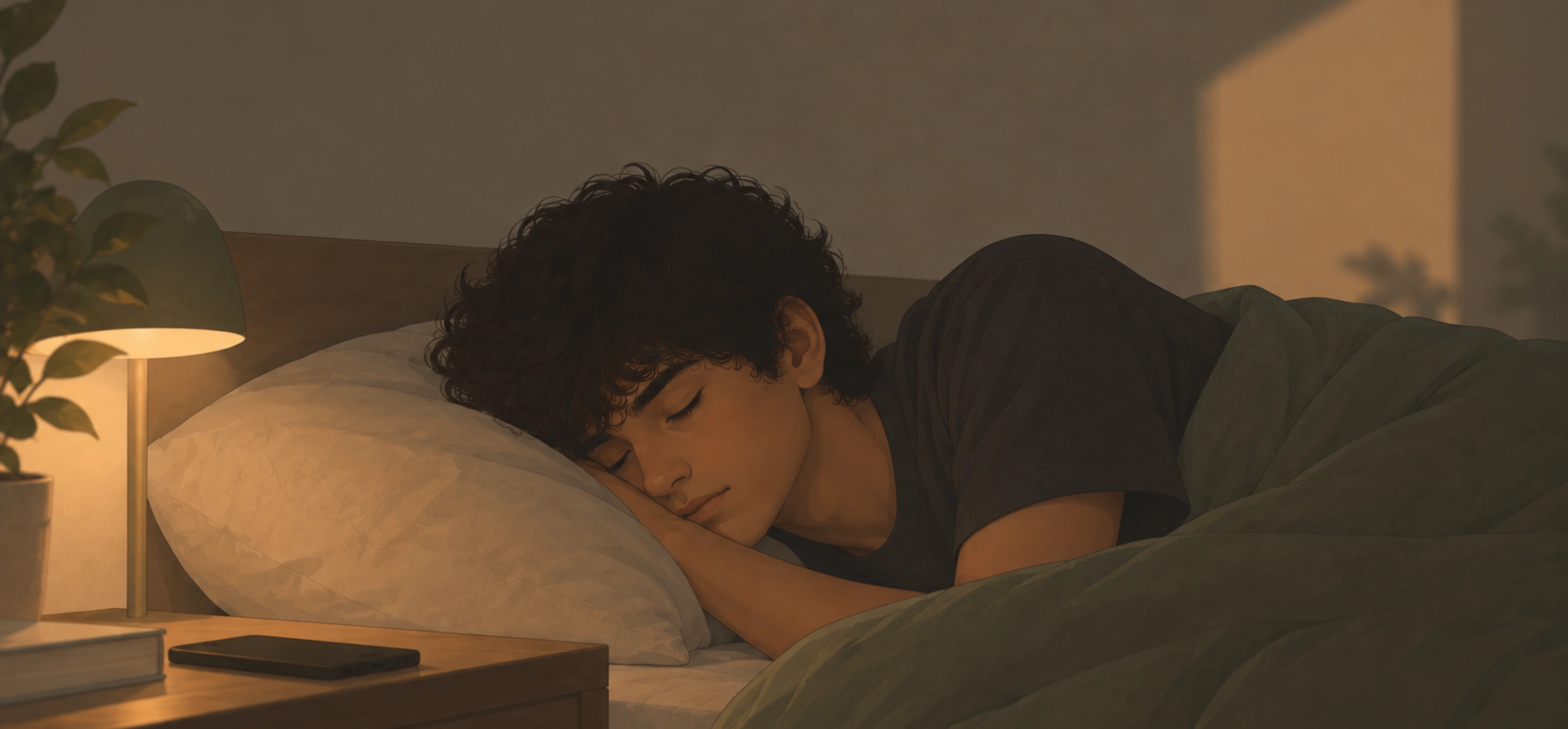
One. Sleep has changed a lot. Not just late nights. Sleeping all day, or lying awake for hours.
Sleep is often the first thing to break. It is also the easiest to miss.
Two. Friendships have shrunk. A teen who had five friends now has none.
Watch for a sudden drop, not a slow drift.
Three. Old interests have gone. The sport, the music, the game they loved.
Losing pleasure in things is one of the strongest signals there is.
Four. Grades have slid over two or more terms. One bad term happens.
A steady slide with no clear cause is different.
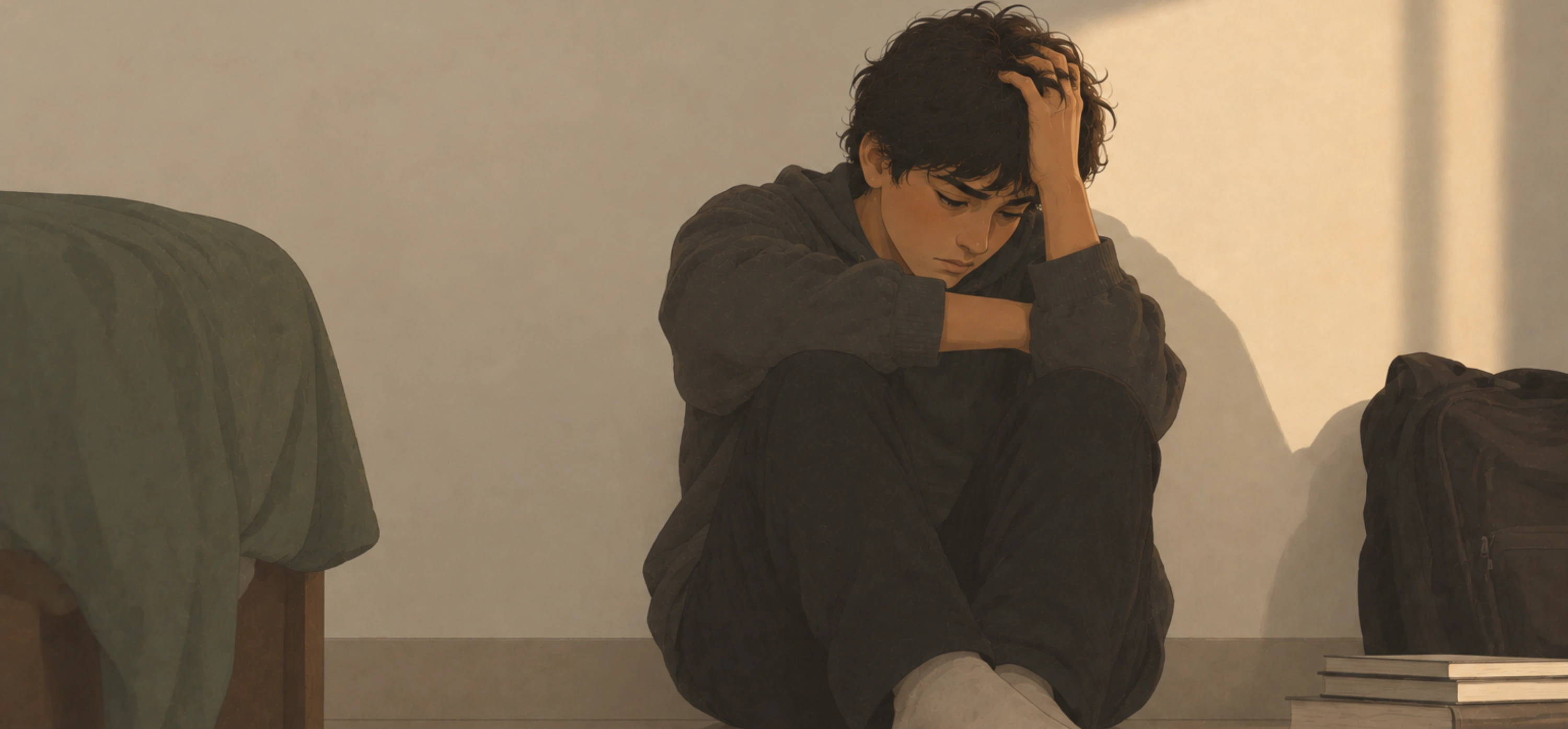
Five. Anger has replaced everything else. In teens, low mood often shows as irritability.
Sadness is the adult face of depression. Anger is often the teenage one.
Six. Physical aches keep appearing with no cause. Headaches, stomach pain, and constant tiredness.
If tests keep coming back clear, ask a different question.
Seven. Eating has changed sharply. Skipping meals, eating in secret, or a big weight change.
Also watch for new rules about food, and for long gaps in the bathroom after meals.
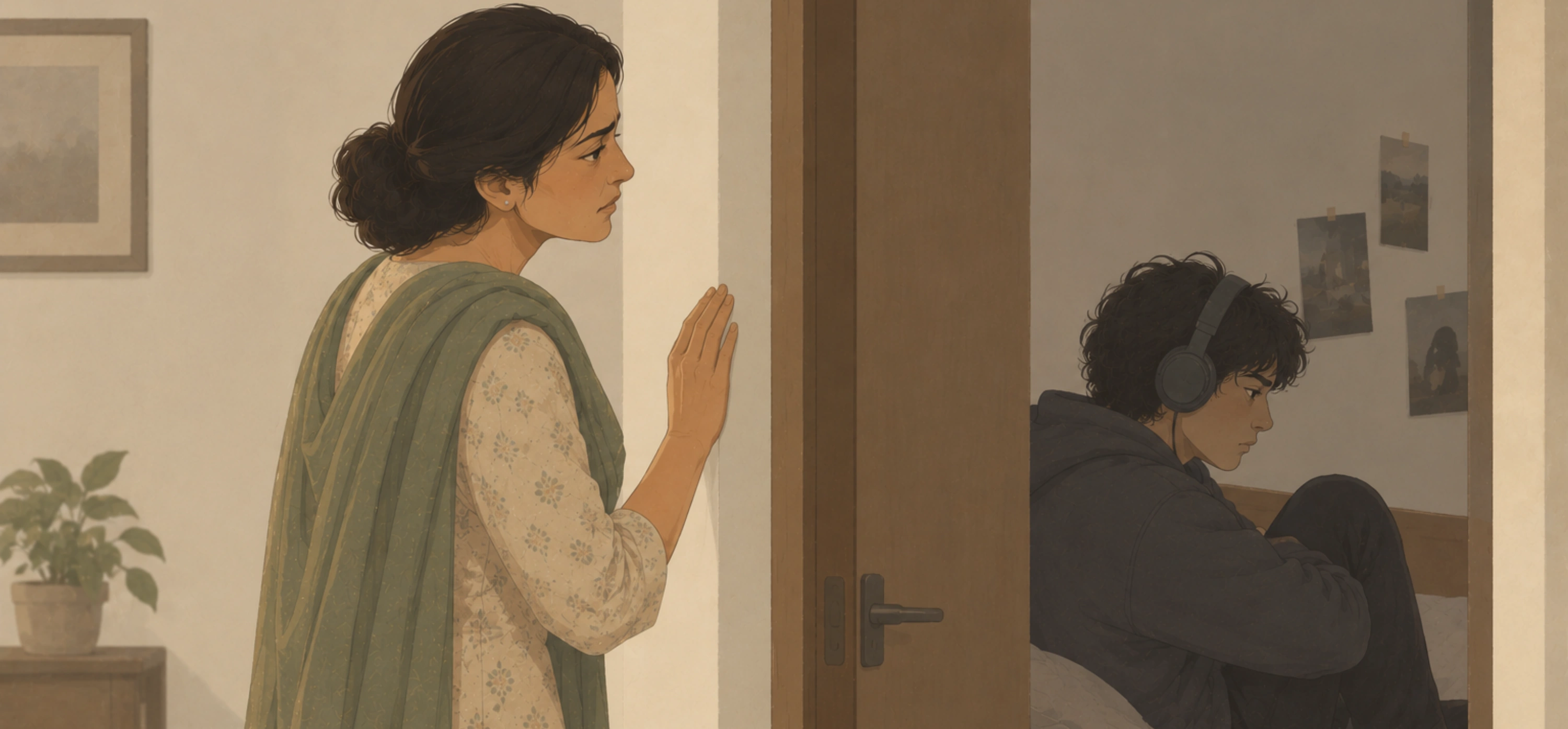
Eight. They have withdrawn from the family. Meals skipped, door shut, one-word answers.
Some retreat is normal at this age. Total retreat is not.
Nine. Self-care has slipped. Not bathing, not changing clothes, not caring how they look.
This one is often dismissed as teenage untidiness. It rarely is.
Ten. There are marks on the skin. Cuts or burns, usually on arms or thighs.
Long sleeves in summer are worth noticing gently.
Eleven. They talk about being a burden, or about not being here. Any version of this.
Take it seriously every single time.
That last sign needs same-day action. Not a wait-and-see approach.
Call a doctor or take them to a hospital. Do not leave them alone.
Remove pills, blades, and ropes from easy reach that same day.
This is not an overreaction. It is basic safety.
Q: What is the most missed sign of teenage depression?
A: Irritability. Parents expect sadness and tears, so constant anger is read as bad behaviour and punished rather than explored.
What Is Not a Warning Sign
Anxious parents over-read too. That does harm of its own.
These are usually normal.
Wanting privacy. A shut bedroom door is growing up, not illness.
Arguing about rules. Pushing against limits is the job of this age.
Preferring friends to family. This is healthy separation.
Changing style, music, or views. A sense of self is meant to move at this age.
Being embarrassed by parents in public. Common, and short-lived.
Sleeping late on weekends. Teen body clocks really do shift later.
Strong emotions about things adults find small. Their scale is not yours.
One bad week after a real setback. A breakup or a failed exam earns a bad week.
So how do you tell the difference?
Use four filters.
Duration. Has this run more than two weeks?
Spread. Is it showing up at home, at school, and with friends?
Function. Has daily life stopped working?
Direction. Is it getting worse, or settling?
Normal teenage churn fails at least two of those filters.
Real illness usually passes all four.
When you are unsure, ask rather than watch. Asking costs nothing.
And asking does not plant an idea. That fear is common and it is wrong.
Teens who are asked kindly often feel relief, not alarm.
Q: How long should I wait before worrying about my teenager?
A: About two weeks. Watch whether low mood, withdrawal, or anger last past that point. Then check whether it shows up at home and at school. If daily life has stopped working, seek an assessment.
How to Start the Conversation
Most parents open badly. Then they conclude their teen will not talk.
Usually the opening was the problem.
Avoid these four.
Do not open with marks. Anything starting with results becomes a performance review.
Do not ask what is wrong with you. That is an accusation wearing a question mark.
Do not lead with solutions. Advice arrives before understanding and closes the door.
Do not do it in front of siblings. Ever.
Now the openings that work.
Pick a side-by-side setting. A drive, a walk, cooking together.
Eye contact raises pressure. Shoulder to shoulder lowers it.
Name what you have seen, without a verdict attached. Say you have noticed they are sleeping much more lately.
Then stop talking. The silence does the work.
Ask about the feeling, not the cause. Ask what most days feel like right now.
Accept a partial answer. Fine is often the first answer, not the true one.
Say you will ask again, and mean it.
Then actually do it, a few days later. Follow-through is the whole trick.
Most teens test whether you meant it before they say more.
If they do open up, hold three rules.
Do not panic visibly. Your face is the whole message.
Do not promise total secrecy. Say you will keep it private, unless they are unsafe.
Do not fix it that evening. Listening is the entire task on day one.
If they mention self-harm or not wanting to be here, stay calm and stay present.
Thank them for telling you. Then get clinical help quickly.
Q: How do I talk to my teenager about mental health?
A: Choose a side-by-side moment, name what you have noticed without judging it, then stay quiet. Ask about feelings rather than causes, and accept that the first answer may not be the real one.
What Usually Sits Underneath
Teen distress in India rarely comes from nowhere. Ask what has changed.
Academic pressure. Board exams, coaching, and entrance tests dominate whole years.
For many teens, self-worth and marks have become the same thing.
Comparison, all day. Social media shows every classmate at their best.
Bullying. School bullying, and online bullying that follows them home.
Family conflict. Parental fights, separation, illness, or money stress.
Teenagers absorb far more household tension than parents assume.
Loss. A death, a move, a friendship group breaking up.
Questions of identity. Gender, sexuality, and belonging carry real weight and real risk here.
Sleep debt. Weeks of short sleep alone can cause low mood and poor focus.
Substance use. Often it starts as coping, then becomes its own problem.
Missed conditions. ADHD, learning trouble, and autism often show up as school failure first.
A teen with a missed learning problem may look lazy for years.
Two of these together raise risk sharply. Most teens in trouble carry several.
The point of naming them is not blame. It is direction.
Treatment works better when the pressure is named, and cut where it can be.
Sometimes the most useful thing a family changes is the timetable, not the child.
Drop one coaching class. Move one deadline. Free one evening.
Small cuts to the load often do more than a lecture ever will.
Q: Can exam pressure cause depression in teenagers?
A: It can contribute strongly, especially where self-worth is tied to marks. Pressure rarely acts alone, though. Sleep loss, comparison, bullying, and family stress usually stack alongside it.
What Treatment Actually Involves
Parents often picture medicine first. That is rarely where it starts.
A check comes first. A psychiatrist or clinical psychologist takes a full history.
Expect questions about mood, sleep, school, friends, bullying, and drug use. Expect risk to be asked about directly.
Both the teen and the parents are usually asked. Often apart, and that is on purpose.
Teens tell clinicians things they will not say in front of parents.
For mild to moderate cases, talking therapy leads. Cognitive behavioural therapy is the common starting point.
It teaches a young person to spot thought patterns and test them. Sessions are hands-on and skill-based.
Family therapy often runs alongside. Home patterns matter hugely at this age.
Medicine is weighed for moderate to severe cases. Or where therapy alone has not moved things.
Where it is used, it is given carefully and reviewed often. Never start or stop it without the psychiatrist.
School usually needs to be brought in, with consent. A lighter load, longer deadlines, or a named teacher to check in.
Sleep repair sits underneath everything. Fixing sleep alone lifts a surprising number of cases.
Live-in care is kept for serious risk. Most young people are treated as outpatients while living at home.
Progress is judged over weeks. Expect the first clear change around six to eight weeks.
Follow-up carries on after things improve. Stopping early is the main cause of relapse.
Ask the clinician what a safe step-down looks like. Do not decide it at home.
Research in India has also tested training frontline health workers to spot these problems. That matters where experts are few (Source: PMC, 2022 — ncbi.nlm.nih.gov).
Q: Will my teenager be put on medication?
A: Not usually as a first step. Mild to moderate cases start with talking therapy and family work. Medicine is weighed for more severe cases, or when therapy alone has not helped.
What Parents Can Do This Week
You do not need a diagnosis to start helping. Start here.
Protect sleep first. Phones out of the bedroom at night. A fixed wake time, weekends included.
Eat one meal together daily. No screens, no questions about marks.
Presence matters more than conversation.
Cut one pressure. One class, one activity, one expectation. Show that the load can move.
Ask once a week, properly. Not how was school. Ask what the hardest part of the week was.
Stop comparing. Not to siblings, not to cousins, not to neighbours. This lands harder than parents realise.
Take aches and pains seriously. Get them checked, and keep the mental health question open too.
Watch your own reaction to bad marks. If failure is met with rage, distress will be hidden from you.
Learn what self-harm looks like. And what to do about it calmly.
Keep your own stress off them. Money worry and marriage rows land heavily on teens.
Say the sentence. Tell them that if things ever feel too heavy, you will help, not punish.
Say it when nothing is wrong. That is when it gets believed.
Know one emergency number. Have it saved before you need it.
None of this replaces treatment. All of it makes treatment work better.
Pick three, not eleven. Do those three for a month.
And keep going for months, not days. Recovery at this age is slow and uneven.
Q: What can I do at home to help my teenager's mental health?
A: Protect sleep, eat one meal together daily, remove one source of pressure, and ask a real question weekly. Say clearly that struggling will be met with help, not punishment.
What Recovery Looks Like at This Age
Parents want a timeline. Here is an honest one.
Recovery in teens is slow and uneven. It moves in steps, not a line.
Weeks one to three. Little visible change. Sleep may settle first.
This stage tests everyone. Many families give up here. Do not.
Weeks four to eight. The first real shift shows up.
They come out of the room more. They answer in full lines. They laugh once.
Small things. Count them.
Weeks eight to sixteen. Mood steadies. School often lags behind mood.
Do not push marks yet. Grades are the last thing to come back.
Month four and beyond. Life widens again. Friends return. Interests return.
This is when many families stop treatment. That is the riskiest moment.
Keep the sessions going for a few months after things look fine.
A few honest notes about the road.
Bad weeks will still happen. One bad week is not a return to the start.
Progress shows in small things first. They eat with you. They text a friend.
Track those, not mood scores alone.
Setbacks cluster around change. Exams, a new term, a breakup, a house move.
Plan extra support around those weeks, before they arrive.
Watch the anniversaries too. The month it all started can be a hard month again.
Talk about the future in small, near terms. Next weekend, not next year.
Big questions about career and marriage can wait.
And keep one habit alive through all of it. Ask how they are, weekly, and wait for the real answer.
Q: How long does it take a teenager to recover?
A: Many show clear change by six to eight weeks. School performance usually lags behind mood by months. Stopping treatment as soon as things look fine is the main cause of relapse.
- Among Indian 13 to 17 year olds, 7.3% live with a mental disorder —
- Globally, one in seven 10 to 19 year olds lives with a mental disorder —
- Mental disorders account for 15% of the global burden of disease in this age group —
- Suicide is the third leading cause of death among 15 to 29 year olds —
- A South Delhi study of 679 school students found depression at 25.92% and anxiety at 13.70% —
- India's treatment gap runs from 70% to 92% across mental disorders —
How Ganaa Works With Teenagers and Families
Ganaa has worked in mental health care in India since 2012. We treat psychiatric conditions and substance use across all age groups (Source: Ganaa, 2026 — ganaa.in).
For teenagers, almost everything starts as outpatient care. Our clinics sit in Faridabad, Greater Kailash, and Greater Noida.
Live-in centres are in Delhi, Gurugram, Greater Noida, and South Goa (Source: Ganaa, 2026 — ganaa.in).
Assessment comes first, and it is not rushed. A psychiatrist and a clinical psychologist both contribute.
We interview the young person separately as well as with the family. That separation matters.
Care is then tailored to the teen, not to a template. CBT and exposure work sit alongside yoga, meditation, and creative therapy.
Family counselling and psychoeducation are built into the model (Source: Ganaa, 2026 — ganaa.in).
That is deliberate. At this age, the household is part of the treatment plan.
Where live-in care is genuinely needed, immediate family can stay with minors. A psychologist gives regular updates, alongside daily WhatsApp updates (Source: Ganaa FAQ, 2026 — ganaa.in).
Our published guidance puts programme length at 30 to 90 days where a stay is required (Source: Ganaa FAQ, 2026 — ganaa.in).
Most families never need that. An assessment and outpatient therapy handle the majority.
Support runs 24 hours a day.
If two or more of the eleven signs sound familiar, do not wait for the next school term.
Speak to a Ganaa counsellor on +91 8750075006, or write to info@ganaa.in. You can also book a consultation at ganaa.in/booking.
Conclusion: Ask Early, Not Loudly
Teenage moodiness is real. So is teenage illness. They are not the same thing.
Use the four filters. Duration, spread, function, and direction.
Two weeks of change, showing up everywhere, breaking daily life, and getting worse. That is your signal.
Watch the quiet signs hardest. Lost friendships. Lost interests. Slipping self-care.
Remember that anger is often the teenage face of low mood.
Do not chase marks when you meant to ask about feelings.
Open the talk side by side, name what you have seen, then stay quiet.
At home, protect sleep, share one meal, and remove one pressure this week.
And say the sentence out loud, before anything is wrong. Struggling will be met with help.
Most teenagers recover well with the right support.
The delay is what does the damage. Not the illness itself.
So ask early. Ask softly. But ask.
A wrong guess costs you one awkward talk.
A missed one can cost a year of their life.
FAQ
Q: How common are mental health problems among Indian teenagers?
A: The National Mental Health Survey found a prevalence of 7.3% among 13 to 17 year olds. School-level studies often report higher figures. One South Delhi study of 679 students found depression at 25.92% and anxiety at 13.70%.
Q: What are the earliest warning signs in a teenager?
A: Usually sleep changes, shrinking friendships, and loss of interest in things they used to enjoy. These appear well before grades drop or open conflict starts.
Q: Is irritability a sign of depression in teens?
A: Very often. In adolescents, low mood frequently shows as anger rather than sadness. Constant irritability that lasts beyond two weeks is worth taking seriously.
Q: When should I take my teenager to a mental health professional?
A: When change has lasted more than two weeks, shows up at home and school, and disrupts daily life. Any mention of self-harm or not wanting to be here needs same-day help.
Q: My teen refuses to see anyone. What do I do?
A: Go yourself first. A clinician can advise the family even without the teen present. Keep the offer open, keep the relationship intact, and avoid making appointments a punishment.
Q: Will therapy mean my child is labelled for life?
A: No. Records are confidential, and most young people attend a short course of therapy and move on. The greater risk to a future is untreated illness, not treatment.
Q: Does exam stress explain everything?
A: Rarely on its own. Exam pressure is a major factor in India. But sleep loss, bullying, and comparison usually stack alongside it. So do family conflict and missed conditions.
Bipolar misdiagnosed as depression is common, and the delay runs close to nine years. Learn the clues, why hypomania is missed, and how to get a better review.
A six-step plan for return to work after a mental health break. Covers clearance, disclosure, phased hours, routines, warning signs, and your rights in India.
Yoga and CBT for anxiety work on different parts of the problem. See what the research shows, how the two fit together, and how to build a weekly plan.