8 Innovative Mental Wellness Therapies to Try in 2026
Modern mental wellness therapies combine science, emotional support, and holistic healing to improve. Personalized care and compassionate environments help individuals regain balance.
8 Innovative Mental Wellness Therapies to Try in 2026
Mental health care in India is changing fast. More people are seeking help for anxiety, depression, stress and addiction. The old idea that therapy is just talking once a week is fading. Today, mental wellness therapy includes a full range of treatments that address your mind, body and daily life together.
In 2026, innovative therapies are bringing new hope to people who thought recovery was out of reach. These approaches combine proven science with compassionate care. Whether you are dealing with recurring depression, addiction cravings or trauma from the past, there is a therapy designed to meet your needs.
At Ganaa, we believe recovery is more than treatment. It is healing with dignity. Since 2012, we have offered holistic mental health and de-addiction care through expert psychiatrists, psychologists and therapists, all within a calm, private and nurturing environment. Whether you or someone you love battles addiction or psychiatric challenges, Ganaa stands ready to guide you toward lasting recovery.
This article explains nine innovative mental wellness therapy types you can try in 2026. We will show you how to choose safe, effective care and how Ganaa brings these therapies together in one personalized program.
Why Mental Wellness Therapy Is Evolving in 2026
Mental wellness therapy is evolving because the problems people face are changing. Stress at work, loneliness from social media and rising addiction rates are pushing more Indians to seek help. About 11% of Indians have a diagnosable mental disorder, and roughly 15% need professional support (Source: PIB, Government of India). Yet most people still do not get care. This gap is why new therapy models are emerging.
Another reason for change is that old methods often fell short. Traditional counseling focused only on talking. But research now shows that combining talk therapy with medication, lifestyle changes and peer support leads to better results. Experts call this integrated care. It treats the whole person, not just one symptom.
Finally, people want more than a weekly session. They want programs that fit their lives, respect their privacy and offer real tools to prevent relapse. Modern mental wellness programs answer that need by blending evidence-based therapies with compassionate, 24/7 support.
Rising Stress, Addiction and Loneliness in India
India reported over 171,000 suicides in 2023, highlighting the urgent mental health crisis (Source: PIB, Government of India). Urban isolation, work pressure and substance use are key drivers. Young adults juggle demanding jobs and social media comparison. Older adults face family strain and health worries. Across age groups, feelings of loneliness and hopelessness are growing.
Addiction is also surging. About half of people with substance problems also have a mental health disorder like depression or anxiety. This overlap, called dual diagnosis, means treating addiction alone is not enough. You need a mental wellness program that handles both issues at the same time.
Despite the rising need, India’s treatment gap remains huge — the Indian Psychiatric Society estimates nearly 80–85% of people who need psychiatric care still don’t receive timely or appropriate treatment. (Source: TOI)
From “Only Counseling” to Full-Spectrum Mental Wellness Support
The shift in therapy is clear. A decade ago, most people thought therapy meant weekly talks with a counselor. Now, mental wellness therapy includes multiple tools working together. You might have individual counseling, group therapy, yoga classes, medication management and family sessions, all as part of one plan.
This full-spectrum approach works better. Research shows that treating mental health and addiction together improves outcomes. When psychiatrists, therapists and wellness coaches coordinate daily, clients recover faster and stay well longer.
At Ganaa, we pioneered this model in India. Our teams of psychiatrists, psychologists and holistic experts design plans that combine modern medicine with lifestyle support. This ensures no part of your recovery is left out.
How to Choose a Safe, Effective Mental Wellness Therapy in 2026
Choosing the right mental wellness therapy can feel overwhelming. With so many new options, how do you know what is safe and effective? Here is a simple framework to guide you.
First, check for qualified professionals. A good program has licensed psychiatrists, psychologists and therapists on staff. Psychiatrists are medical doctors who can prescribe medications. Psychologists provide therapy and behavioral training. Therapists offer counseling and coping skills. Make sure all three roles are available so you get complete care.
Second, look for evidence-based methods. Programs should use treatments backed by research, like Cognitive Behavioral Therapy (CBT), Mindfulness-Based Cognitive Therapy (MBCT) or Dialectical Behavior Therapy (DBT).
Third, seek personalized care. One-size-fits-all rarely succeeds. A quality program assesses your unique needs and tailors your treatment plan accordingly. They should review your progress weekly and adjust if something is not working.
Fourth, consider the environment. A calm, private setting supports healing. Check that the facility is monitored 24/7 if you need inpatient care. Look for accreditation or safety certifications. Comfort matters too. Peaceful surroundings reduce stress and help you focus on recovery.
Finally, ask about holistic offerings. The best programs include more than counseling. They should offer group therapy, family involvement, nutrition planning, exercise and aftercare. At Ganaa, we provide all these elements because we know lasting recovery requires support for your whole life, not just your mind.
Check for Qualified Psychiatrists, Psychologists, and Wellness Experts
Understanding professional roles is important when choosing mental health care. Psychiatrists are medical doctors who specialize in mental illness. They diagnose conditions and prescribe medications such as antidepressants, mood stabilizers, or anti-addiction drugs. Psychologists hold advanced degrees in psychology and provide evidence-based talk therapy and behavioral interventions. They focus on emotional regulation, thought patterns, and coping strategies but do not prescribe medication.
In addition to clinical care, wellness experts play an important supportive role in recovery. These professionals specialize in holistic practices such as yoga, meditation, sound healing, art therapy, and music therapy, which help regulate stress, improve emotional balance, and support mind–body healing.
All three roles are critical, especially in complex cases. For example, treating alcohol addiction may require a psychiatrist to manage withdrawal and medication safely, a psychologist to address emotional and behavioral triggers, and wellness experts to help rebuild routines, reduce stress, and support long-term wellbeing. When these disciplines work together, gaps in care are avoided and recovery becomes more sustainable.
At Ganaa, every client has access to psychiatrists, psychologists, and trained wellness experts. This integrated approach ensures that medical treatment, psychological therapy, and holistic lifestyle support are carefully coordinated to support healing with dignity.
Look for Holistic and Personalized Mental Wellness Programs
A truly personalized program starts with a thorough assessment. Intake should cover your mental health history, substance use, physical health and daily lifestyle. From this information, the team builds a custom plan just for you.
Personalization also means combining multiple therapies. Research on precision mental health suggests using personal data and preferences optimizes outcomes. For instance, someone who overthinks might benefit from MBCT to calm racing thoughts. Someone feeling isolated might need group therapy for peer connection. A holistic program blends therapies to fit the individual.
Good programs also review progress continuously. If a therapy is not helping after a few weeks, they adjust. At Ganaa, our medical team frequently reviews each client’s progress and tweak plans as needed. This flexibility keeps your recovery on track.
Healing Environment and Privacy Are Part of Therapy Too
Your surroundings affect your recovery. Studies show that peaceful, nature-filled settings help calm the nervous system. Harvard researchers found that even short walks in nature can have antidepressant effects (Source: Harvard Health). Quiet, green spaces lower stress hormones and improve mood.
Privacy is equally important. India’s Mental Healthcare Act of 2017 guarantees the right to confidentiality for all mental health treatment (Source: India Code). Choose a facility with secure records and private rooms. Knowing your information is protected helps you open up in therapy.
Small group sizes also matter. At Ganaa, we keep our residential groups small and our staff-to-client ratio high. This ensures everyone gets personal attention in a dignified, non-crowded space.
Quick Facts: What Makes Mental Wellness Therapy Effective in 2026
Integrated Care: Combines talk therapy, medication (when needed), lifestyle changes and peer support under one roof.
Evidence-Based Methods: Uses scientifically proven approaches like CBT, MBCT, trauma-informed care and motivational interviewing.
Personalized Plans: Every client gets a custom treatment schedule based on their unique needs and goals.
Qualified Teams: Psychiatrists, psychologists and therapists work together to cover all aspects of care.
Holistic Support: Includes yoga, meditation, sound healing, art therapy, music therapy, nutrition, sleep coaching and fitness alongside traditional therapy.
24/7 Monitoring: Residential programs offer round-the-clock medical and emotional support for safety and comfort.
Aftercare Focus: Follow-up sessions and relapse prevention plans continue for months after discharge.
1\. Trauma-Informed Therapy
Many people with addiction or mental health struggles have trauma in their past. Trauma-informed therapy recognizes this connection and focuses on safety, trust and gentle processing of painful memories.
Signs You May Benefit from Trauma-Focused Support
You might benefit from trauma-informed care if you experience any of these signs:
Flashbacks or nightmares about past events.
Emotional numbness or feeling detached from your own feelings.
Hyperarousal: feeling constantly on edge, easily startled or irritable.
Avoidance: steering clear of people, places or topics that remind you of the past.
Self-medicating with alcohol or drugs to numb difficult emotions.
Relationship difficulties: trouble trusting others or repeated unhealthy relationships.
These are common symptoms of post-traumatic stress disorder (PTSD). PTSD often co-occurs with substance misuse. A professional evaluation can determine if trauma-focused therapy is right for you.
How Trauma-Informed Care Works at a Rehab or Mental Wellness Centre
Trauma-informed care follows a careful, step-by-step process. First, the team assesses your history to understand any trauma. This helps tailor your therapy.
Next, therapy begins by building a sense of safety. You learn grounding exercises like deep breathing or mindfulness to stay present when memories feel overwhelming. The therapist establishes trust and goes at your pace.
Once you have basic coping skills, you gradually process painful memories. Therapists use methods like Eye Movement Desensitization and Reprocessing (EMDR) or narrative therapy. The key is to proceed slowly to avoid re-traumatization. You are always in control of how much you share.
Grounding skills are central. You learn to recognize when you are triggered and use techniques like feeling the floor underfoot or repeating a calming phrase. This prevents feeling overwhelmed during flashbacks.
After discharge, follow-up is crucial. Peer support meetings or check-ins help you maintain the skills you learned. At Ganaa, our trauma-informed team ensures each step is client-led. Therapists are trained to spot PTSD symptoms and adjust the pace to keep you safe and supported.
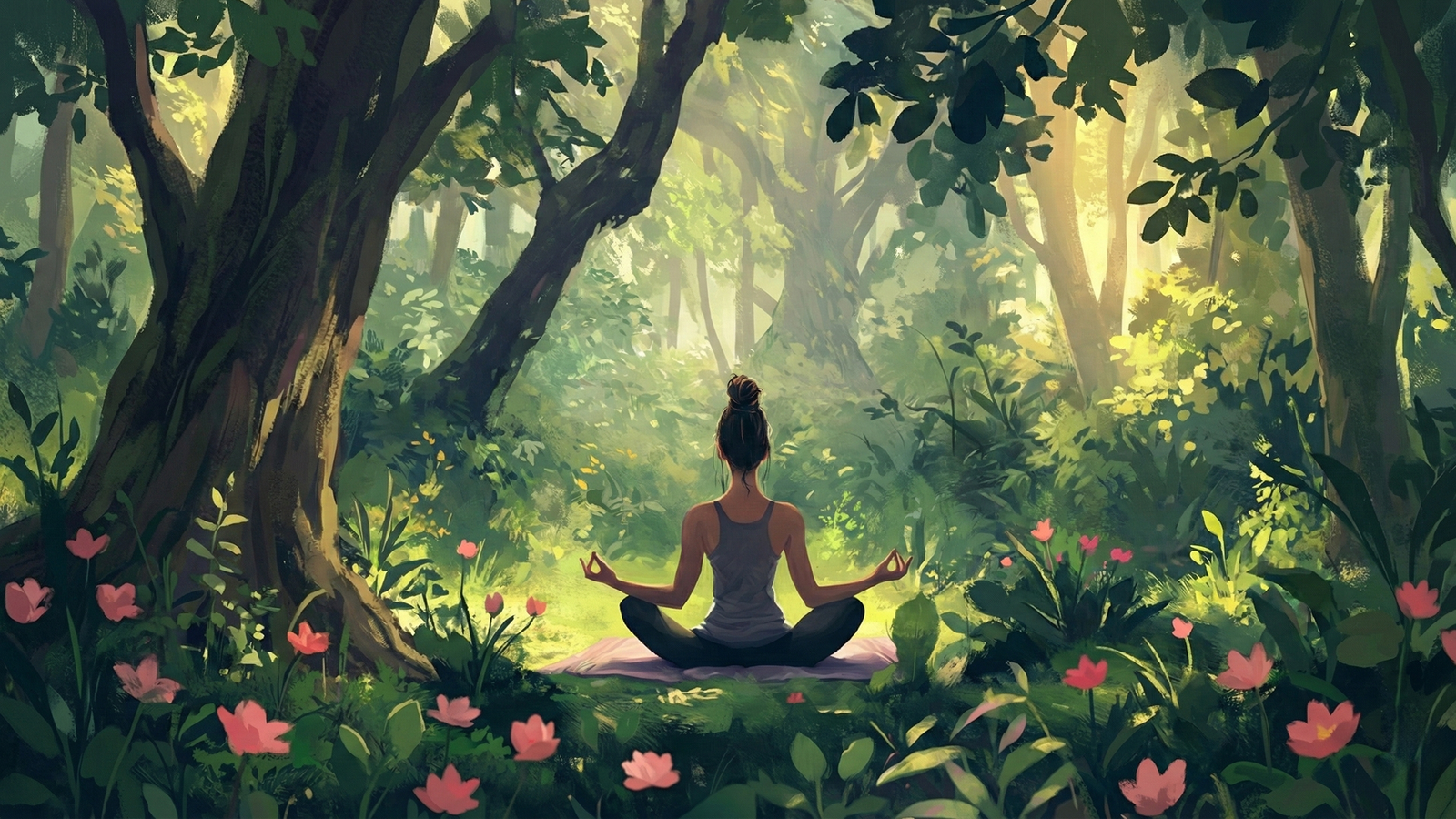
Yoga, breathwork and meditation are not just exercise. They are powerful therapies that regulate your nervous system and improve emotional balance.
Why Mind-Body Work Is Not “Just Exercise”
Mind-body practices directly activate the parasympathetic nervous system, which is your body’s calm-down system. Research shows that regular yoga raises levels of GABA, a calming brain chemical, which reduces anxiety and improves mood.
Harvard Medical School reports that yoga actually thickens brain regions involved in memory and attention. Meditation quiets the amygdala, which is the brain’s fear center (Source: Harvard Health). These changes go far beyond physical fitness.
All exercise lowers cortisol, the stress hormone. But yoga and mindful movement also increase endorphins and endocannabinoids, leading to better emotional balance. Plus, these practices improve sleep quality. For example, the 4-7-8 breathing technique has been shown to improve sleep and reduce anxiety. Better sleep, in turn, boosts recovery and reduces cravings.
Examples of Practices Used in Structured Programs
Here are some mind-body practices commonly included in mental wellness programs:
Gentle Yoga: Hatha or restorative yoga classes that focus on slow, mindful movement.
Pranayama: Guided breathwork like alternate nostril breathing quickly calm the nervous system.
Yoga Nidra: A guided relaxation meditation done lying down, often called yogic sleep. It reduces insomnia and stress.
Guided Meditation: Therapists lead you through mindful body scans to build awareness of tension versus calm.
Walking Meditation: Simple, mindful walks in nature or quiet spaces. Even short walks have therapeutic effects.
Breath-Based Exercises: Techniques like box breathing or the 4-7-8 breath (inhale four, hold seven, exhale eight) to manage anxiety and cravings.
At Ganaa, our daily schedule includes at least one yoga or breath session each day. These practices integrate seamlessly with psychotherapy to support your whole recovery.
3\. Neurofeedback Therapy and Brain Mapping
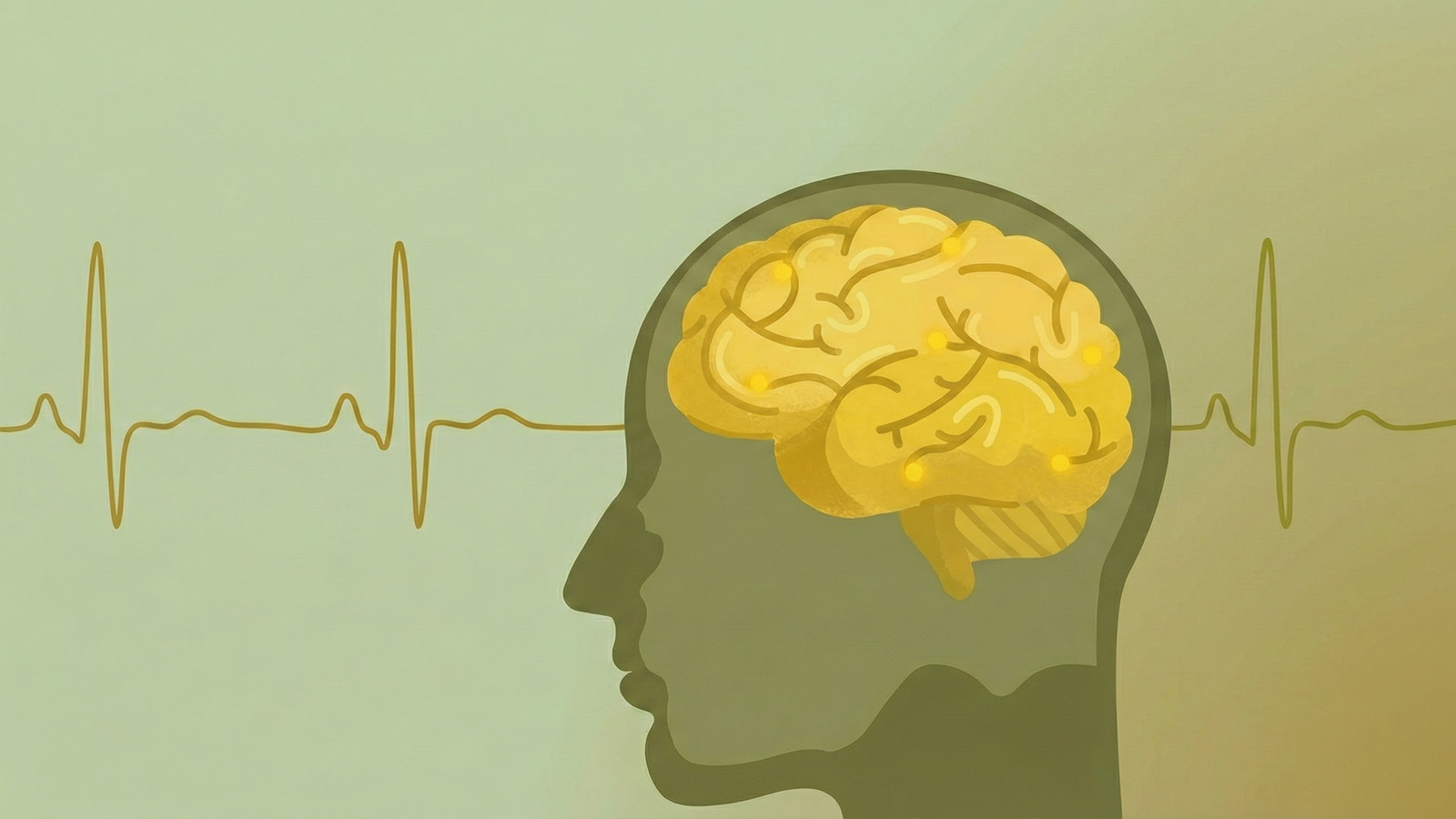
Advances in neuroscience have opened new pathways for mental health and addiction recovery. Neurofeedback therapy is an evidence-based, non-invasive treatment that helps individuals understand and retrain their brain activity, supporting long-term emotional regulation and stability.
Neurofeedback begins with brain mapping, a detailed assessment of brainwave patterns that identifies areas of overactivity or underactivity linked to symptoms such as anxiety, mood instability, poor focus, sleep disturbances, or cravings. During sessions, real-time audio or visual feedback helps the brain gradually learn to self-correct and move toward balance — much like physical therapy helps the body regain strength and coordination.
How Neurofeedback Supports Recovery
Neurofeedback has shown benefits for:
Mood disorders such as depression, anxiety, and bipolar disorder
Neurodevelopmental conditions like ADHD
Addiction recovery, including alcohol and substance use
Sleep disturbances, emotional dysregulation, and stress-related symptoms
By improving the brain’s ability to self-regulate, neurofeedback can help enhance focus, stabilize sleep cycles, reduce impulsivity, and support emotional resilience.
At Ganaa, neurofeedback therapy is used as a complement to psychotherapy, medication management, and holistic care — not as a standalone solution. This integrated approach allows technology and neuroscience to work alongside human guidance, helping individuals build lasting mental stability and clarity.
4\. Group Therapy and Peer Support Circles
Group therapy reduces isolation and builds connection. Hearing others share similar struggles can be incredibly powerful.
What Actually Happens in a Group Therapy Session
A trained therapist leads participants in a circle. Sessions often start with a check-in where each person briefly shares how they feel. Next, the group discusses a topic or does an activity, like a coping exercise, role-play or guided meditation.
Members take turns speaking about their experiences while others practice active listening. Ground rules like confidentiality and no interrupting are set for safety. The therapist highlights common themes or coping strategies. Seeing others open up reduces shame.
Sessions usually end with a brief reflective practice, like a grounding exercise or positive affirmation. Think of it as guided peer conversation, professional-led and confidential, not casual talk.
Who Should Consider Group-Based Mental Wellness Therapy
Group therapy is especially helpful for people who feel isolated or misunderstood. If you are battling addiction or depression alone, hearing peers say “I’ve been there” fosters belonging.
Many find rehab or 12-Step support groups like Alcoholics Anonymous (AA) crucial for maintaining sobriety. Hearing others’ relapse stories and coping tips strengthens resolve. People needing social skills, such as those with anxiety, can practice in a safe setting. Groups provide real-time feedback on communication and trust-building.
The group setting also provides motivation. If everyone is showing up, you are more likely to show up too. Peer support offers acceptance, understanding and validation that might not come from family.
At Ganaa, we conduct expert-led groups in the rehab. Clients often report it was the first time they realized they were not alone.
5\. Family-Based Mental Wellness Therapy
Involving family in treatment can improve outcomes and repair damaged relationships. Mental health and addiction affect the whole family, not just one person.
When to Bring Family into Your Mental Wellness Program
Consider family therapy if you experience ongoing conflict at home, blame games or if loved ones feel at a loss about what to do. Family therapy is also important if family members have inadvertently enabled substance use, such as by giving money or not enforcing rules.
If a loved one’s illness causes significant stress for the family, joint therapy can alleviate guilt and frustration. Family sessions also help with legal or caregiving arrangements if someone is very ill.
Ideally, the client agrees to family sessions. It works best when everyone participates willingly. Studies show that positive family support is linked to long-term recovery, while negative family factors raise relapse risk.
What a Family Session Looks Like
The therapist acts as a moderator. Each member, including the patient and relatives, gets a turn to speak without interruption about their feelings and perspective.
Therapists often clarify the nature of addiction or illness, explaining that it is not anyone’s fault but a brain disease. This removes blame. The group practices active listening and “I” statements. For example, a son might say, “I feel worried when you come home late,” instead of “You never do what I say.”
The therapist helps define clear rules and support structures, like agreed-upon consequences for drug use or a nightly check-in phone call. The group develops solutions together, such as creating a structured daily routine at home.
Often the last part of a session is dedicated to family members’ feelings, acknowledging their frustration or guilt and reinforcing self-care. The therapist turns family tensions into a learning and support session, quite different from a casual family fight.
6\. Expressive and Creative Therapies (Art, Music, Movement)
Art, music and dance therapy help people express feelings when words are hard. These creative therapies are especially powerful for trauma and emotional blockages.
</strong>How Creative Therapies Support Mental Wellness</strong>
Expressive therapies allow non-verbal communication. Drawing, playing music or dancing can release subconscious emotions. Studies find that art therapy significantly improves mood and reduces depression and anxiety (Source: University of Rochester Medical Center).
Music therapy has measurable calming effects. It eases stress and fear, improves mood and lowers heart rate and blood pressure. Rhythmic music can synchronize with and slow breathing and heartbeat (Source: University of Rochester Medical Center).
Dance and movement therapy help reconnect mind and body. It improves body image and self-esteem, and decreases isolation by promoting shared experience (Source: University of Rochester Medical Center).
Simply engaging in creative play produces endorphins and provides a meditative focus. This interrupts negative thought cycles.
Who Might Find Expressive Therapies Helpful
Creative therapies are especially helpful for people who struggle to articulate trauma or emotions. This includes children, some teens and clients with autism or brain injuries.
Younger clients often respond enthusiastically to creative modalities. They may resist traditional talk therapy. Trauma survivors also benefit because the creative process can safely access memories, bypassing the trauma lock in the brain.
Clients experiencing burnout may rediscover joy and spontaneity through art or dance. After weeks of heavy therapy, a light-hearted creative session can relieve tension.
If a client says, “I’m not good with words” or “I hate talking,” we often offer an expressive art therapy trial. It often surprises them how much comes out.
Your daily habits directly affect your mental health. Modern mental wellness therapy includes structured changes in sleep, diet and routine as core treatment, not optional add-ons.
Sleep and Circadian Rhythm as Medicine
Stanford researchers emphasize that sleep and mood have a bidirectional relationship (Source: Stanford Medicine). Poor sleep worsens mood, and poor mood disrupts sleep.
The magnitude of risk is striking. People with chronic insomnia are about ten times more likely to develop depression and seventeen times more likely to develop anxiety compared to those without sleep issues.
Sleep therapy improves mental health. Cognitive Behavioral Therapy for Insomnia (CBT-I) is a proven treatment that lowers depression and anxiety by improving sleep (Source: Stanford Medicine). The review found that interventions improving sleep also relieve depression and anxiety. The more sleep improves, the greater the mood improvement.
Consistent sleep schedules, avoiding screens before bed and addressing sleep apnea are now recognized as part of mental health therapy. At Ganaa, we schedule structured sleep hygiene workshops and quiet hours. We treat lack of sleep as seriously as any other symptom.
Food, Gut Health and Mood
Nutrition has a direct effect on brain function. An Oregon State University review explains that high intake of refined carbs and saturated fats increases the risk of depression by promoting inflammation and disrupting the gut-brain axis (Source: Oregon State University Extension).
Diets rich in fruits, vegetables, lean protein and omega-3s, like the Mediterranean diet, have been linked to better mood. Low-glycemic diets with less sugar can reduce depressive symptoms and improve mood.
The gut microbiome influences neurotransmitter levels like serotonin. Imbalanced gut bacteria, due to poor diet, is associated with anxiety and fatigue.
Essential nutrients like B-vitamins, magnesium, zinc and healthy fats are precursors to mood-regulating neurotransmitters. Clinicians now often evaluate diet as part of mental health care.
At Ganaa, our chefs design menus to stabilize blood sugar and include brain-healthy foods. Many clients notice clearer thinking after improving their diet.
8\. Integrative Psychiatric Care (Medication Plus Therapy Plus Rehab Support)
For many people, medication is a helpful part of recovery. Integrative psychiatric care combines safe medication use with therapy and 24/7 support.
When Medicine Can Be Part of Mental Wellness Therapy
Medication helps many conditions. For moderate to severe depression or anxiety, doctors may prescribe selective serotonin reuptake inhibitors (SSRIs) or anti-anxiety medications. For addiction, FDA-approved medications like naltrexone or buprenorphine reduce cravings and prevent relapse.
Medication-Assisted Treatment (MAT) is the gold standard for opioid and alcohol use disorders. Families should be educated about MAT’s effectiveness and safety. These medications are reliable tools, not cheating.
All medications at a center like Ganaa are given under doctor supervision. Doctors monitor vitals and lab work. Dosages are adjusted and tapered under care. This ensures safety and addresses any side effects early.
Certain medications prevent dangerous withdrawal symptoms. For example, benzodiazepines may be used in monitored detox. Medical management reduces risk and makes therapy more effective because the brain is less fogged by pain or urges.
Integration means medications are one part of recovery, not a standalone fix. Medication is always paired with psychotherapy and support. At Ganaa, psychiatry and therapy sessions coordinate daily so any prescription is part of the larger healing plan.
How Rehab-Based Care Supports Complex Cases
In a residential rehab, clients can expect round the clock care. This is crucial for acute withdrawal management or crises like suicidal thoughts or relapse risk.
A daily schedule of therapy, exercise, meals and sleep removes chaos. Patients benefit from a structured routine of therapy and wellness activities. This consistency helps retrain the brain away from addiction patterns.
Living with peers in recovery provides constant mutual support. Sharing experiences at mealtimes or in evening group sessions reinforces coping strategies.
Rehab offers services that are hard to access on your own: intensive counseling, medical check-ups, yoga and nutritionists all under one roof. This comprehensive model is proven more effective for complex or dual-diagnosis clients who need both mental health and addiction treatment simultaneously.
Studies support this. Integrated residential programs yield higher success rates than disjointed outpatient care. Ganaa’s residential model embodies this evidence by combining all therapies on a single campus.
Q: Can One Program Treat Both Addiction and Mental Health?
A: Yes. Integrated centers like Ganaa treat dual diagnosis, meaning both addiction and mental health issues at the same time. About half of people with an addiction also have a mental health disorder like depression or anxiety. Treating both together leads to better long-term results. At Ganaa, psychiatrists manage medications while therapists handle counseling, all coordinated daily.
Q: How Long Does a Mental Wellness Program Usually Last?
A: It depends on your needs. Many residential programs run four to twelve weeks as per the recommendation of the WHO. Inpatient rehab often starts at about thirty days, while outpatient programs typically last two months or more. At Ganaa, we plan the length based on your progress, with ongoing aftercare support to maintain recovery.
Q: Is My Information Kept Confidential?
A: Absolutely. Indian law, specifically the Mental Healthcare Act of 2017, guarantees the right to confidentiality for all mental health treatment. At Ganaa, your records and conversations are handled with the strictest privacy, shared only as needed within the treatment team.
How Ganaa’s Mental Wellness Programs Bring These Therapies Together
At Ganaa, we do not offer just one therapy. We bring all eight of these innovative approaches together in a single, personalized mental wellness program.
Personalized Care Plans Built Around You
Every client receives a full medical and psychological evaluation from day one. We identify all your needs, from trauma history to nutritional status, to form your plan. Our intake team includes a psychiatrist, psychologist and wellness coach.
Based on the assessment, we build a daily schedule of individual therapy, group sessions, mind-body activities and family meetings.
Our integrated care team of psychiatrists, psychologists, therapists, nurses and holistic experts collaborate to review your progress. This ensures that any change in medication can provide almost real-time feedback to the treating team, and our high staff-to-client ratio means adjustments can be made quickly.
This stepwise personalization is core to Ganaa. Clients frequently say, “My plan was just for me.”
Healing Environment: Luxury, Privacy, and Thoughtfully Designed Spaces
The environment in which healing takes place matters. At Ganaa, each centre is intentionally designed to offer privacy, comfort, and emotional safety, while adapting to different needs and stages of recovery.
Ganaa – Nature is a tranquil, green farmhouse surrounded by open spaces and trees, offering a calm, grounding setting ideal for reflection and emotional regulation.
Ganaa – Door of Hope, located in a quiet corner of Chhatarpur, is a private villa that provides a sense of seclusion and homelike comfort away from city noise.
Ganaa – Xanadu, a modern four-storey vertical facility in Sector 46, Gurugram, offers structured care in a contemporary, urban yet serene setting for those who prefer a more clinical, organized environment.
Ganaa – Goa is a peaceful riverside retreat, where natural surroundings support deep rest, mindfulness, and reconnection with self.
Across all centres, clients stay in private or thoughtfully shared rooms equipped with air conditioning, televisions, en-suite bathrooms, and round-the-clock housekeeping. Research consistently shows that comfortable, low-stress environments improve engagement in therapy and overall recovery outcomes.
Nature and calm surroundings play a powerful therapeutic role. Studies indicate that exposure to green spaces reduces cortisol, the body’s primary stress hormone, and supports emotional wellbeing. Many clients report feeling noticeably calmer simply by living in these spaces.
Privacy and confidentiality are strictly maintained. All Ganaa centres comply with India’s Mental Healthcare Act, ensuring personal information is protected at every stage of care . Admissions are discreet, staff interactions are respectful, and first-name-only protocols help preserve dignity.
Support Beyond Discharge: Relapse Prevention and Follow-Ups
Before leaving, each client gets a written relapse prevention plan. This includes your triggers, coping skills and support contacts. We arrange continued therapy or support group referrals.
We set monthly check-ins for six to twelve months. Studies show that regular follow-up visits greatly lower relapse risk. At Ganaa, clients stay connected with the same therapist or counselor via telecall.
Discharged clients are invited to alumni group meetings and peer support forums. Peer relationships formed in rehab often become a lasting support network.
We also organize family workshops post-treatment to reinforce communication and relapse strategies at home. This end-to-end support reflects research showing that longer-term care yields better recovery.
Is a Residential Program Right for You or Your Loved One?
Not everyone needs residential care. Here is how to decide.
Signs You May Need a Structured Residential Setting
Consider residential rehab if you experience:
Severe symptoms or withdrawal risk: If detox from alcohol or drugs could be medically dangerous, inpatient care provides safe monitoring, IV fluids and medications.
Repeated relapses: If outpatient or self - help have not worked and relapses keep happening, a more intensive environment can break the cycle.
Unsafe home environment: If home has easy access to substances or is highly stressful or abusive, removal to a peaceful setting is needed.
Mental health crisis: Suicidal thoughts, severe depression or anxiety, or psychosis often require inpatient stabilization before outpatient therapy can succeed.
Lack of support: If family or friends are not supportive or are enabling the problem, structured rehab provides the 24/7 support and accountability you need.
Inpatient rehab lets you be away from potential temptations, get co- occurring mental health treatment and receive round-the - clock medical care.If these needs apply, residential is the safer choice.
When Outpatient Mental Wellness Therapy May Be Enough
Outpatient therapy works well for mild to moderate issues.If symptoms are manageable and not worsening, and you can still work or study, outpatient is a viable option.
If your home life is stable and family are understanding and involved in treatment, you can often recover without residential care.Someone who is highly self - disciplined and trusts themselves to avoid triggers may succeed in outpatient programs.
Outpatient is often much more affordable and flexible.If the case is not life - threatening, outpatient allows life to continue while getting help.Both options have pros and cons.Inpatient is not right for everyone.Choose based on your situation.
How to Talk to a Loved One About Joining a Mental Wellness Program
Starting the conversation about mental wellness therapy can be difficult.Here are some tips to approach it with care and compassion.
Choose the moment: Find a calm, private time to talk.Remove distractions like TV or phones.
Express care, not blame: Use “I” statements.For example, “I’m worried about you because I see you struggling.” Avoid “You never listen.” Focus on your concern and love.
Be specific and factual:/strong> Mention observed behaviors neutrally.Say, “I noticed you’ve been very tired and down lately,” not “You’re being lazy.”
Listen: Let them speak without interrupting.Acknowledge their feelings by saying, “I hear you saying…” This builds trust.
Offer support, not ultimatums: Suggest getting help as something you do together, not a punishment.Say, “We could call a counselor and I’ll go with you.”
Provide choices: Frame it as options rather than demands.Say, “There are programs you might like that let you stay in touch with work.”
Avoid stigma and guilt: Do not say “You have a problem.” Say, “This is tough on you and we can find help.”
If your loved one is resistant, do not argue.Instead, plant a seed of care.Say, “I’m here when you’re ready.” Family liaison or counselors can advise on interventions if needed.
When Should You Reach Out for Help ?
<storng>Red - Flag Signs You Should Not Ignore</strong>
Seek help immediately if you or someone experiences:
Talking about suicide or self - harm.
Severe withdrawal symptoms like shaking, sweating or confusion.
Hallucinations or violent impulses.
Complete inability to function in daily life.
Other urgent signs include ongoing loss of control over substance use or behaviors despite wanting to stop, severe insomnia, panic attacks or chest pains without medical cause.
If there is any risk of harm to self or others, go to an emergency department or call emergency services.
Do not wait for a crisis.Even if things are not that bad yet, early intervention prevents worse problems.If persistent distress or dysfunction lasts more than two to four weeks, talk to a professional.
Why Choose Ganaa for Mental Wellness Therapy and De - Addiction Support
Compassionate, Individual - Focused Care
At Ganaa, we prioritize dignity and empathy.Our high staff - to - client ratio, often one staff member for every two clients, means each person gets personal attention and kindness.This contrasts with generic clinics.Many clients note they finally felt truly listened to by our therapists.
Integrated, Evidence - Based Programs
We offer psychiatrists, psychologists, therapists, nurses and holistic experts all under one roof.An international review shows that such integrated care leads to better long - term outcomes.
Ganaa’s protocols combine modern medicine with holistic wellness.This reflects best practices in mental wellness therapy.
Luxury, Healing Environment
Our Delhi, Gurugram, and Goa centers are thoughtfully designed to reflect spaces where comfort, privacy, and care come together.Clients recuperate in luxurious private or semi - private rooms with nutritious chef - prepared meals.Privacy is assured.Records are sealed per law.This tranquil backdrop and comfort, like a hotel not a hospital, is unique in Indian rehab.
24 / 7 Support and Aftercare
We monitor clients around the clock in residential programs, ensuring safety during detox and crises.Post - treatment, we maintain contact through calls and follow - up sessions.Research and our outcomes both show that follow - up halves relapse rates.
Proven Track Record
Since 2012, Ganaa has guided thousands of individuals from darkness to hope.Our alumni and certified credentials speak to our trustworthiness.Testimonials emphasize our non - judgmental approach and real recovery stories.
In summary, Ganaa brings compassionate individual care, comprehensive treatment and a dignified healing environment together.We are a local Delhi - NCR center with global standards.
Frequently Asked Questions(FAQ)
Q: What is mental wellness therapy ?
A : Mental wellness therapy is a structured treatment process where trained professionals, including psychiatrists, psychologists and therapists, help you understand and reshape your thoughts, emotions and habits for better coping and health.It can include talk therapy, skill - building exercises and lifestyle guidance.
Q: How is a mental wellness program different from one - to - one counseling ?
A : A full mental wellness program combines counseling with other supports like group therapy, family sessions, medical care and lifestyle coaching.Regular counseling is usually just a single weekly therapy session.Programs offer a more comprehensive approach to recovery.
Q: Are these innovative mental wellness therapies safe ?
A : Yes, when delivered by qualified experts.Many, like Nuerofeedback and meditation, are backed by research.Ganaa’s programs use evidence - based methods under medical supervision to ensure safety.
Q: Do I need to be admitted to a rehab for mental wellness therapy ?
A : Not necessarily.It depends on severity.Outpatient therapy can work for mild to moderate issues.But if symptoms or addiction are severe, such as dangerous withdrawal, suicidality or an unsafe home, inpatient care is recommended for 24 / 7 support.
Q: Can one center treat both addiction and mental health issues together ?
A : Yes.Modern rehab centers like Ganaa are designed for dual diagnosis.Integrated treatment, addressing both simultaneously, is considered best practice.Research finds treating co - occurring issues together improves recovery chances.
Q: How long does a mental wellness program usually last ?
A : It varies by individual need.Many residential programs run four to twelve weeks.Healthline reports inpatient rehab often starts at about thirty days, while outpatient programs typically last two months or more.Ganaa plans length based on your progress, with ongoing aftercare.
Q: Is my information kept confidential if I contact Ganaa ?
A : Absolutely.Indian law, specifically the Mental Healthcare Act of 2017, guarantees the right to confidentiality for all mental health treatment.At Ganaa, your records and conversations are handled with the strictest privacy, shared only as needed within the treatment team.
Take the First Step: Talk to Our Team Confidentially
Recovery begins with a single conversation.If you or a loved one is struggling with mental health challenges or addiction, reach out to Ganaa today.Our team is here to answer your questions, guide you through your options and help you find the right mental wellness therapy for your needs.
We offer confidential assessments with no obligation.When you contact us, we will listen with care, explain your options and, if you choose, create a personalized plan that combines the therapies we discussed here.Whether you need residential care or outpatient support, Ganaa will walk with you every step of the way.
Call us, send a WhatsApp message or fill out our online inquiry form.Your path to healing starts now.
Bipolar misdiagnosed as depression is common, and the delay runs close to nine years. Learn the clues, why hypomania is missed, and how to get a better review.
Adolescent mental health in India is under-treated. Learn 11 warning signs parents miss, what the data shows, how to start the talk, and when to seek help.
Gaming disorder in teens is a real diagnosis, not a phase. Learn the WHO criteria, how common it is, the signs parents miss, and what actually works at home.