Choosing the right deaddiction program duration can shape the quality and stability of long-term recovery. Structured care, expert guidance, and enough healing time significantly improve recovery outcomes.
Choosing the right deaddiction program can feel overwhelming. You might wonder if 30 days is enough, or if 90 days is too long. The truth is simple: the best duration depends on your unique medical needs, not just willpower or cost.
At Ganaa, we believe recovery is more than treatment — it is healing with dignity. Since 2012, we have offered holistic mental-health and deaddiction care through expert psychiatrists, psychologists, and therapists, all within a calm, private and nurturing environment. Whether you or someone you love battles addiction or psychiatric challenges, Ganaa stands ready to guide you toward lasting recovery.
Recent data shows a 295 percent rise in people seeking deaddiction treatment in India over five years. This surge reflects both a deepening crisis and reduced stigma around professional care. For families in Delhi, Gurugram and Goa, the challenge is no longer finding help but selecting a program that truly works. This guide explains the differences between 30, 60, and 90-day deaddiction programs so you can make an informed, compassionate decision.
Understanding What a Deaddiction Program Really Involves
A deaddiction program is a structured medical journey designed to help you or your loved one stop substance use and build a healthy, sober life. It is not punishment. It is healing.
Every program includes medical detoxification to safely manage withdrawal symptoms, individual therapy to address emotional triggers, group counseling to build peer support, and aftercare planning to prevent relapse. The goal is complete recovery, not just stopping the substance.
What Happens During a Structured Deaddiction Program?
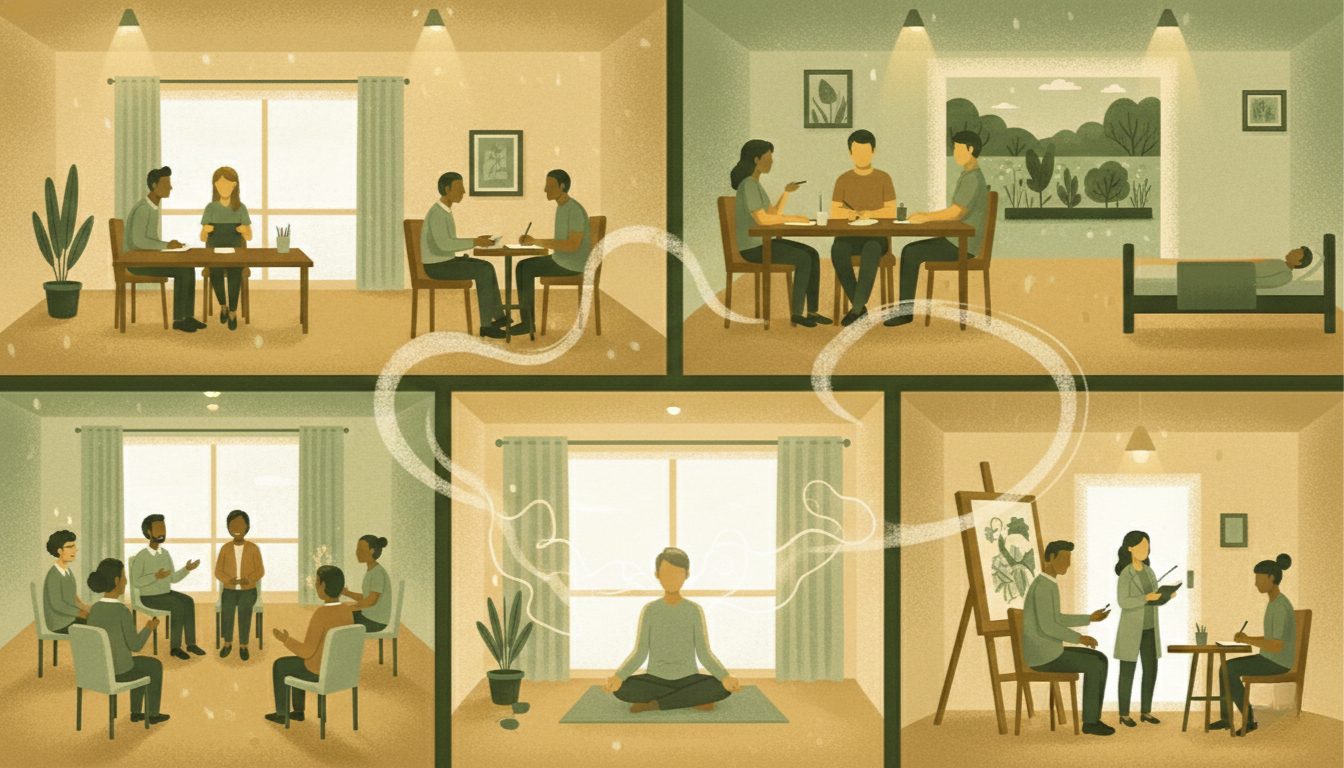
A typical day in a quality deaddiction rehabilitation center includes morning medical check-ins, one-on-one therapy sessions, group activities like yoga or art therapy, nutritious meals, and evening reflection time. This routine helps rebuild your brain's natural rhythms while keeping you safe from external triggers.
According to the National Institute on Drug Abuse, the brain needs time to heal after chronic substance use. The dopamine pathways that drive addiction do not fix themselves overnight. This is why duration matters so much.
Why Duration Matters in a Deaddiction Program
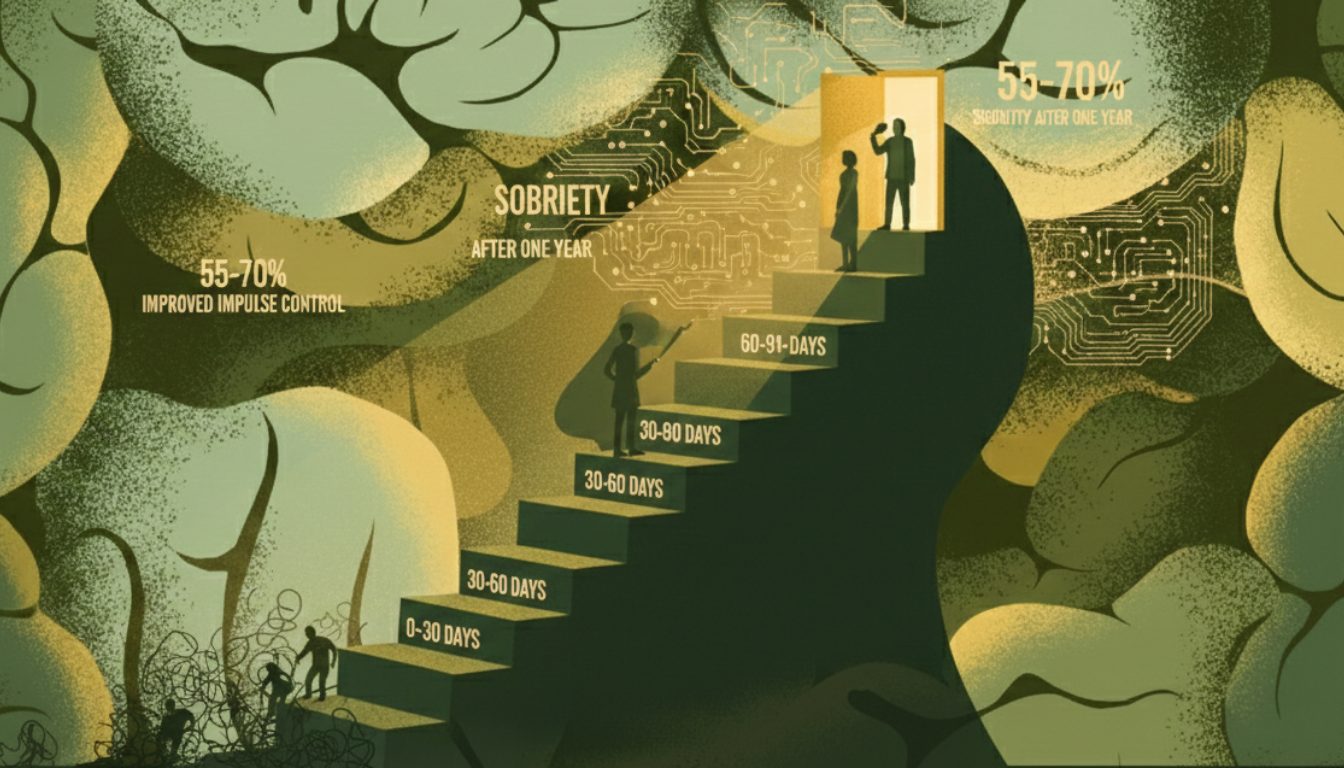
Addiction rewires your brain. The prefrontal cortex, which controls impulses and decisions, becomes compromised. Medical detox clears the substance from your body in 7 to 10 days, but your brain needs much longer to rebuild healthy neural pathways.
Addiction Recovery Is Not One-Size-Fits-All
Someone with mild alcohol dependency and strong family support may succeed with a shorter program. Someone battling opioid addiction with depression needs more time. The substance type, severity of use, mental health conditions, and home environment all influence the ideal duration.
Medical, Psychological, and Emotional Timelines Differ
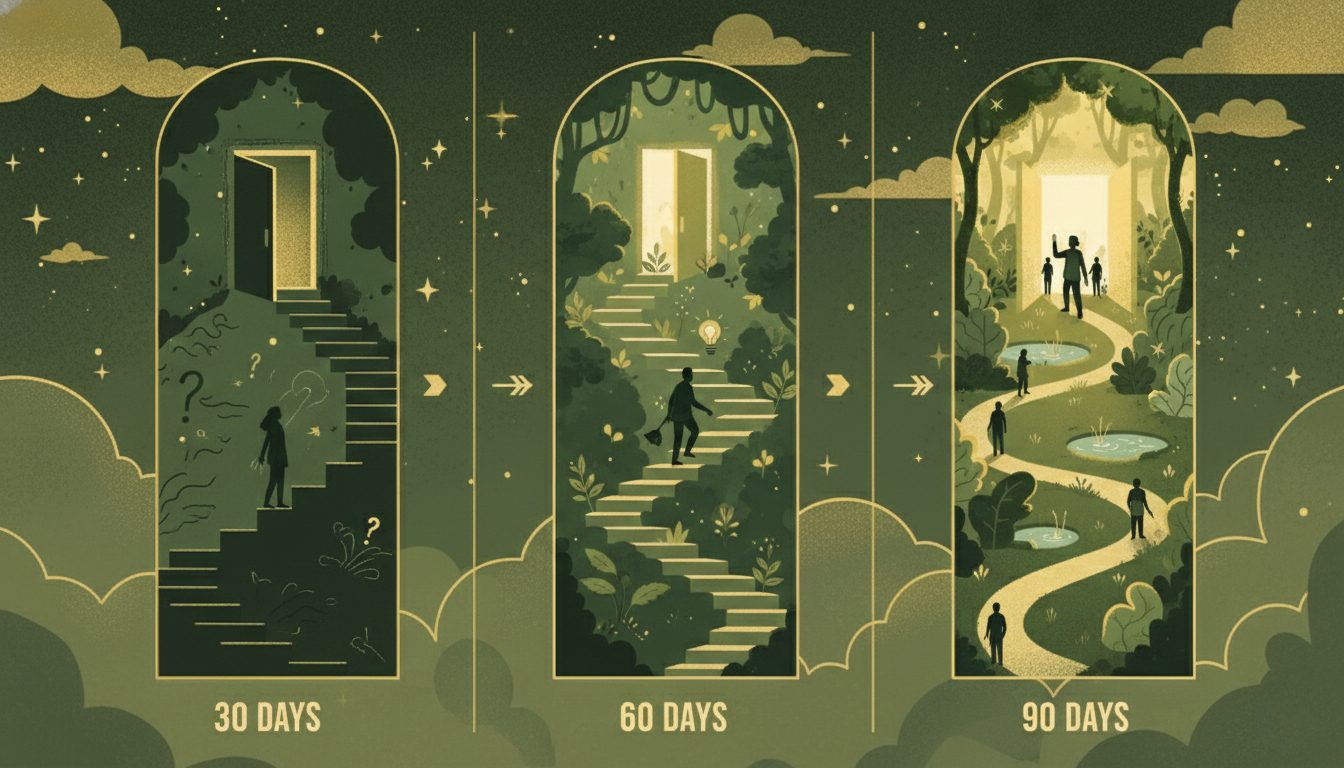
Physical detox happens first. Emotional healing takes weeks. Changing habits and thought patterns takes months. A clinical review shows that the brain requires approximately 90 days to establish new healing mechanisms and behavioral patterns. Rushing this process increases relapse risk dramatically.
Quick Facts:
Detoxification typically completes within 7 to 10 days.
Neurochemical rebalancing begins around 30 to 60 days.
Full cognitive rewiring often requires 60 to 90 days or more.
Dual diagnosis cases(addiction plus mental health disorders) need extended care.
The 30-Day Deaddiction Program: Who It Works Best For
The 30-day deaddiction program is the most common entry point for residential care. It focuses on immediate stabilization and foundational recovery skills.
What a 30-Day Deaddiction Program Includes
The first week is dedicated to supervised medical detoxification. Doctors use medications to prevent dangerous complications like seizures or delirium tremens. By day 10, most physical withdrawal symptoms subside.
The remaining three weeks introduce you to therapy basics. You attend group counseling, learn about addiction as a disease, and identify your personal triggers. The primary goal is medical stability and a basic understanding of recovery.
Pros and Limitations of a 30-Day Program
A 30-day program works well for first-time treatment seekers with mild dependency. It provides quick stabilization and costs less than longer programs.
However, research from multiple clinical studies shows that 30-day programs have sustained sobriety rates of only 15 to 30 percent after one year. The transition from a controlled environment back to daily life in Delhi, Gurugram or Goa often happens too quickly. Your brain has not had enough time to rebuild impulse control.
Q: Is a 30-day deaddiction program enough for most people?
A: For mild cases with strong support systems, yes. But many people need longer care to address deeper emotional issues and prevent relapse.
At Ganaa, our 30-day programs maintain a high staff-to-client ratio to maximize therapeutic intensity. Unlike centers where individual sessions are rare, we ensure every day includes personalized one-on-one therapy to make the most of your time with us.
The 60-Day Deaddiction Program: A Balanced Recovery Path
A 60-day deaddiction program doubles your treatment time. This allows for deeper psychological work beyond just stopping the substance.
What Changes in a 60-Day Deaddiction Rehabilitation Plan
The second month shifts focus from physical detox to emotional healing. With the fog of withdrawal cleared, you can actively practice coping skills in a safe environment.
Therapy becomes more intensive. You explore the root causes of your addiction, such as trauma, anxiety, or relationship problems. Family therapy sessions help repair trust and communication breakdowns common in addiction.
For patients with dual diagnosis conditions like depression or bipolar disorder, 60 days allows psychiatric medications to reach full effectiveness. Doctors can adjust dosages safely while monitoring your response.
Who Should Consider a 60-Day Stay
A 60-day program suits people who have relapsed after a 30-day program. It also works well for those with moderate addiction severity, co-occurring mental health issues, or complex family dynamics that need professional mediation.
According to treatment outcome research, 60-day programs show significantly improved success rates compared to 30-day stays. You get enough time to solidify coping mechanisms through repeated practice.
Q: Why do doctors often recommend 60 or 90 days instead of 30?
A: Because emotional healing and habit change take time beyond detox. The brain needs longer to rewire itself for lasting sobriety.
At Ganaa, our integrated treatment approach becomes most visible during the 30 to 60-day window. After detox completes, we introduce holistic practices like sound healing therapy, yoga, and meditation to restore your body while your mind focuses on behavioural change.
The 90-Day Deaddiction Program: Deep Healing and Relapse Prevention
The 90-day deaddiction program is considered the gold standard in addiction medicine. This duration aligns with how your brain naturally heals.
Why Longer Stays Often Lead to Stronger Recovery
Research consistently shows that 90-day programs yield the best long-term outcomes. The most dramatic improvements in impulse control and emotional regulation occur after 90 days of continuous recovery. Your prefrontal cortex, damaged by chronic substance use, needs this full window to rebuild healthy function.
Who Benefits Most from a 90-Day Deaddiction Program
A 90-day program is essential for people with severe addiction, multiple past relapses, or complex dual diagnosis needs. It also benefits high-functioning professionals in Delhi and Gurugram whose addictions may have masked deeper psychiatric issues.
The final month of a 90-day program focuses on real-world rehearsal. You practice life skills while still under clinical supervision, ensuring a smooth transition back to work and family.
Q: Is a longer deaddiction program more effective than a shorter one?
A: Yes. Research and clinical experience show that longer stays significantly reduce relapse rates and support deeper emotional healing.
At Ganaa, our luxury, serene, nature-based environment prevents treatment fatigue. Residents stay engaged for the full 90 days because they feel comfortable and cared for, not institutionalized. Our compassionate, individual-focused care with 24/7 support ensures you never feel alone in your journey.
Quick Comparison: 30 vs 60 vs 90-Day Deaddiction Programs
Here is a clear breakdown to help you understand the differences:
30-Day Program:
Focus: Medical detox and stabilization.
Therapy depth: Basic counseling and trigger identification.
Best for: time treatment, mild dependency, strong support systems.
60-Day Program:
Focus: Emotional healing and habit rebuilding.
Therapy depth: Intensive individual and family therapy.
Best for: Moderate addiction, previous relapse, dual diagnosis.
90-Day Program:
Focus: Complete life reconstruction and relapse prevention.
Therapy depth: Deep trauma processing, vocational planning, social rebuilding.
Best for: Severe addiction, multiple relapses, complex psychiatric conditions.
How Doctors Decide the Right Deaddiction Program Duration
The choice between 30, 60, or 90 days should never be made alone. This is a medical decision requiring professional evaluation.
Factors Psychiatrists and Therapists Evaluate
Your doctor will assess several key factors. These include the type of substance used, duration and severity of use, history of previous treatment attempts, presence of mental health disorders like depression or anxiety, family support availability, and your work or personal obligations.
Why Self-Selecting Duration Can Be Risky
Many families choose program length based on cost or time constraints rather than medical need. This often leads to premature discharge and relapse. Choosing the right duration initially can save you from repeated admissions.
Q: Can family members influence program duration?
A: Doctors welcome family input, but medical needs must guide the final decision for the best outcome.
Every person who walks through our doors receives a customized care plan. We do not believe in one-size-fits-all treatment.
Medical Expertise Meets Compassionate Care
At Ganaa, our team includes experienced psychiatrists, clinical and counselling psychologists, addiction counselors, and holistic therapists. We maintain an industry-leading staff-to-client ratio averaging 2:1, ensuring personalized attention every day.
Our comprehensive, integrated treatment for addiction and psychiatric disorders combines modern science with holistic therapies. This hybrid approach addresses your healing from multiple angles.
Luxury Environment and Privacy Support Healing
Our healing environment features luxury, serene centers surrounded by nature and greenery. These calming spaces provide privacy and dignity, reducing the stress and shame often associated with treatment.
For voluntary, high-functioning patients who wish to remain professionally engaged, limited access to a laptop or phone can be thoughtfully arranged to support continuity of work during their stay.
What Happens After You Complete a Deaddiction Program?
Recovery does not end when you leave the center. Aftercare is essential for long-term success.
Aftercare, Relapse Prevention, and Family Support
Before discharge, we create a detailed aftercare plan. This includes outpatient therapy appointments, 12-step meeting schedules, family counseling sessions, and relapse prevention strategies.
According to addiction treatment research, continued engagement with aftercare services significantly reduces relapse risk in the first year after discharge.
Q: What happens if someone relapses after completing rehab?
A: Relapse is not failure. It is a signal that the treatment plan needs adjustment. Additional care can be arranged immediately.
How to Take the First Step Toward Recovery
If you or someone you love is struggling with addiction, reaching out for help is the bravest thing you can do.
At Ganaa, we make starting easy. Call us for a confidential assessment with our care team. We evaluate your unique situation and recommend the deaddiction program duration that gives you the best chance of lasting recovery. Whether that is 30, 60, or 90 days, we walk beside you every step of the way.
Recovery is not about willpower alone. It is about giving your brain the time it needs to heal in a safe, compassionate environment.
Contact Ganaa today for a private consultation and personalized deaddiction rehabilitation plan. Book Your Assessment
Frequently Asked Questions About Deaddiction Programs
Q: Is a 30-day deaddiction program enough for addiction recovery?
A: For people with mild dependency and strong support, a 30-day program can work. However, many individuals need longer support to address emotional issues and prevent relapse. The duration will depend on the recommendation of our medical team.
Q: Why do doctors often recommend 60 or 90-day programs over 30-day programs?
A: Because the brain needs time to rewire itself after chronic substance use. Medical detox happens quickly, but emotional healing and habit change require weeks to months of sustained support.
Q: Can my family influence how long I stay in a deaddiction program?
A: Doctors welcome and consider family input during treatment planning. However, the final recommendation is based on medical and psychological needs to ensure the best outcome.
Q: Is a longer deaddiction program always more effective?
A: Research shows that 90-day programs have significantly higher success rates than 30-day programs. Longer stays allow for deeper trauma processing, stronger habit formation, and better relapse prevention.
Q: What happens if I relapse after completing a deaddiction program?
A: Relapse is common and is not a sign of personal failure. It signals that your treatment plan needs adjustment or that additional support is required. Many people achieve lasting recovery after multiple treatment episodes.
Q: Does Ganaa offer customized deaddiction rehabilitation plans?
A: Yes. Every patient at Ganaa receives a personalized, doctor-led recovery plan based on their unique medical, psychological, and social needs. We do not use one-size-fits-all approaches.
Q: Is privacy maintained during treatment at a deaddiction center?
A: Absolutely. At Ganaa, privacy and dignity are core to our care philosophy. We maintain strict confidentiality and provide a serene, private environment where you can heal without fear of judgment.
Final Summary
Choosing between a 30, 60, or 90-day deaddiction program is not about finding the quickest or cheapest option. It is about matching the duration to your medical and emotional needs.
A 30-day program provides stabilization but carries higher relapse risk. A 60-day program allows for deeper emotional work and habit rebuilding. A 90-day program offers the gold standard of care with the strongest long-term success rates.
At Ganaa, we guide you toward the right choice through expert evaluation, compassionate care, and a healing environment designed for lasting recovery. With our high staff-to-client ratio, integrated treatment combining modern science and holistic therapies, and luxury, serene centers that honor your dignity, we stand ready to support you on your journey to sobriety.
Recovery begins with the right support. Contact Ganaa today.
Bipolar misdiagnosed as depression is common, and the delay runs close to nine years. Learn the clues, why hypomania is missed, and how to get a better review.
Adolescent mental health in India is under-treated. Learn 11 warning signs parents miss, what the data shows, how to start the talk, and when to seek help.
Gaming disorder in teens is a real diagnosis, not a phase. Learn the WHO criteria, how common it is, the signs parents miss, and what actually works at home.