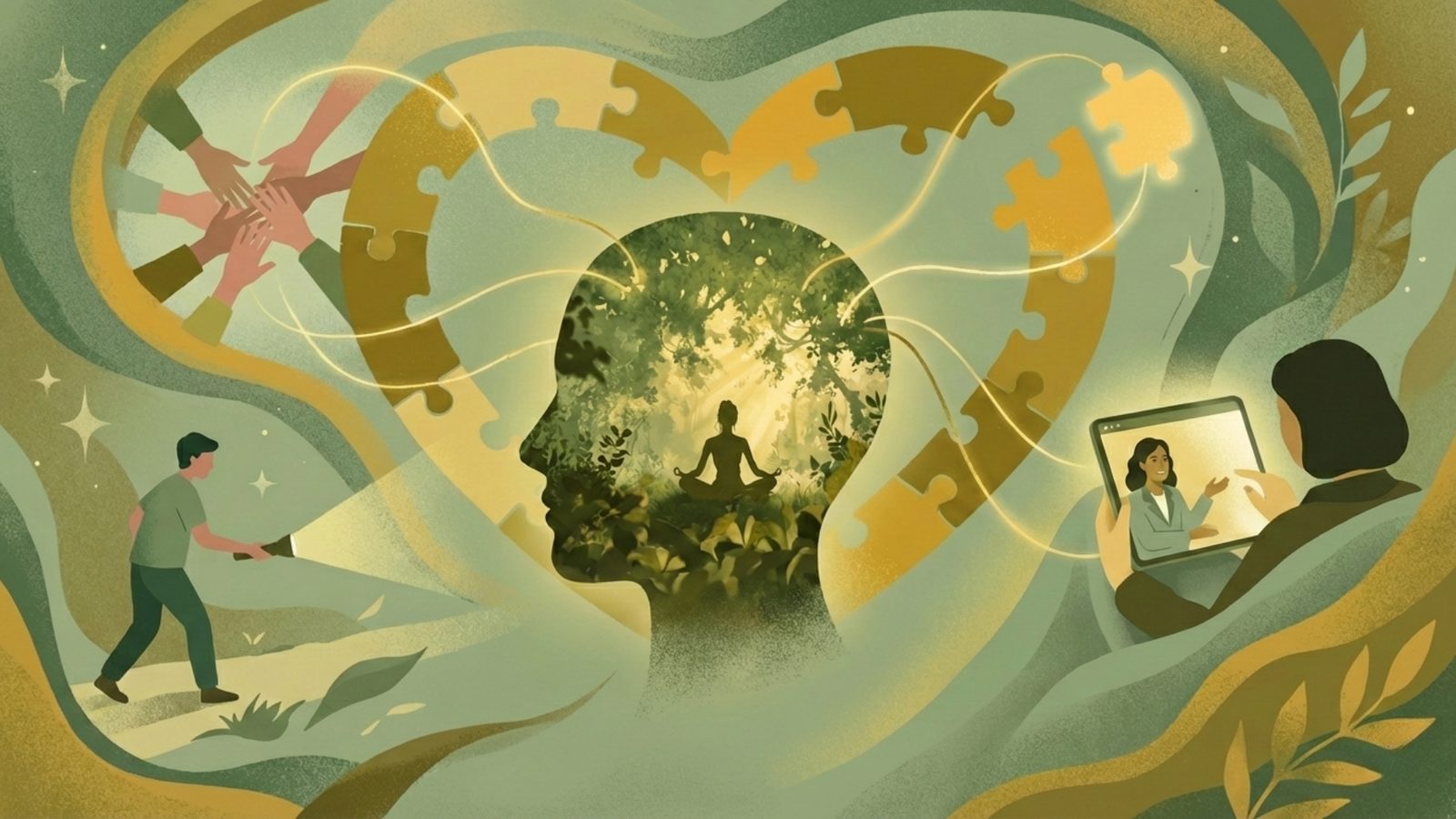
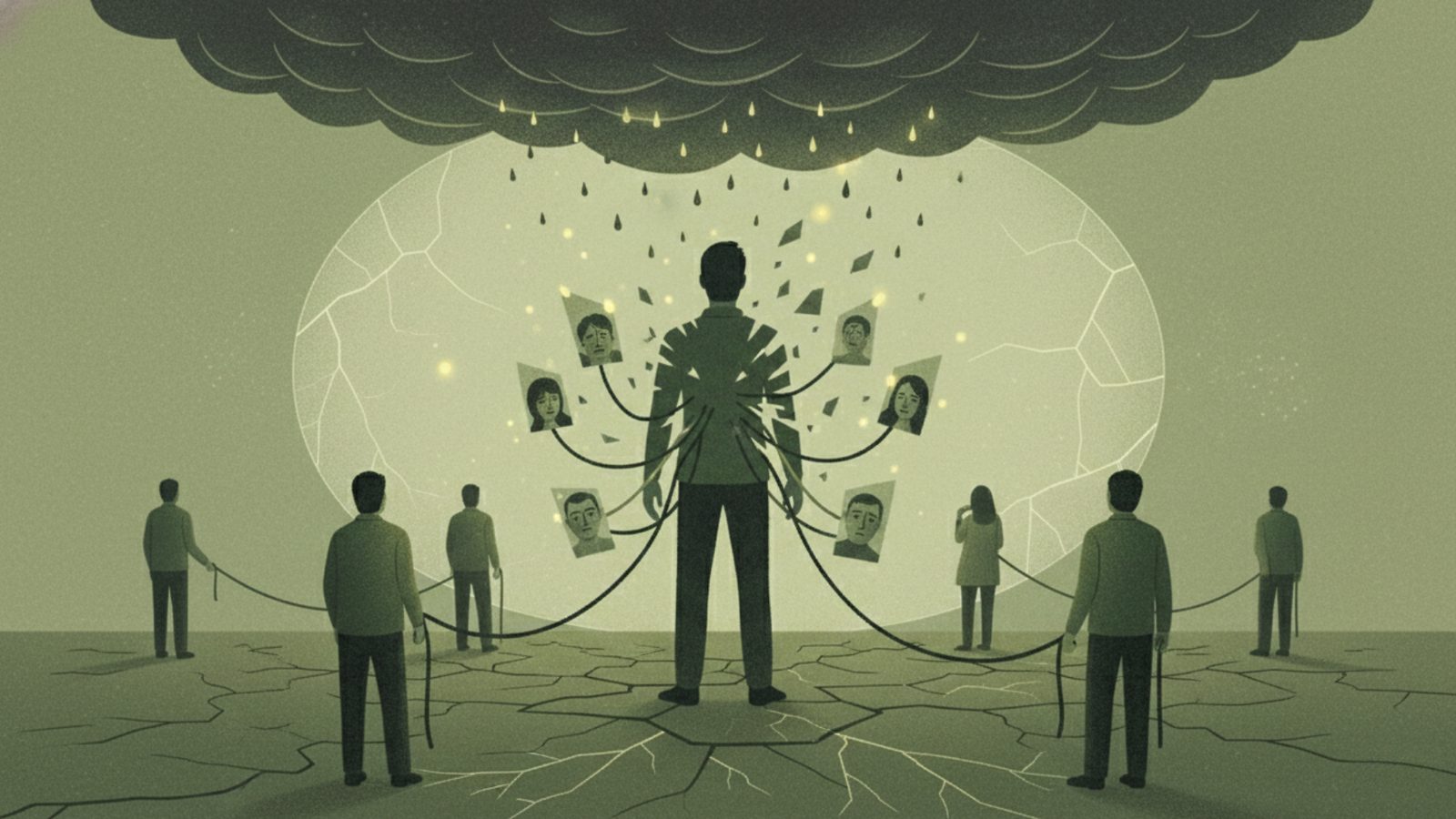
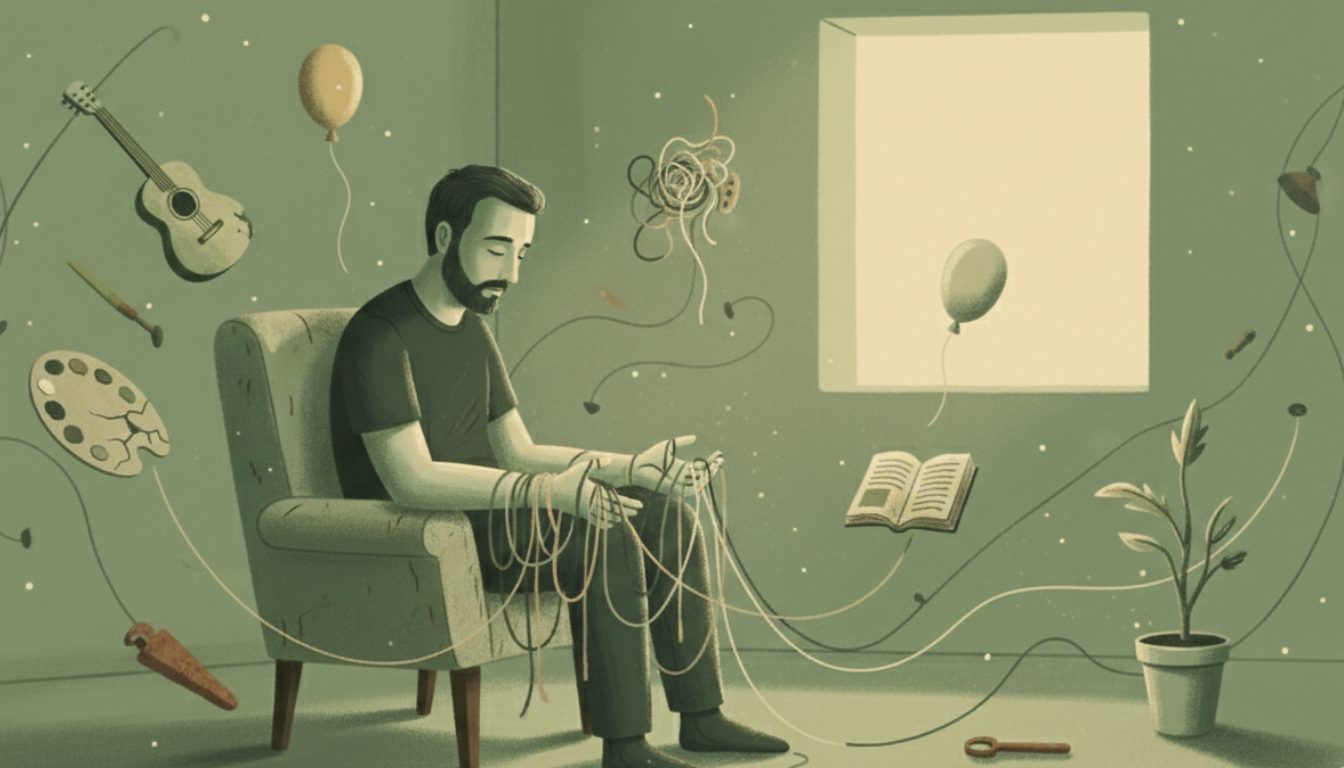
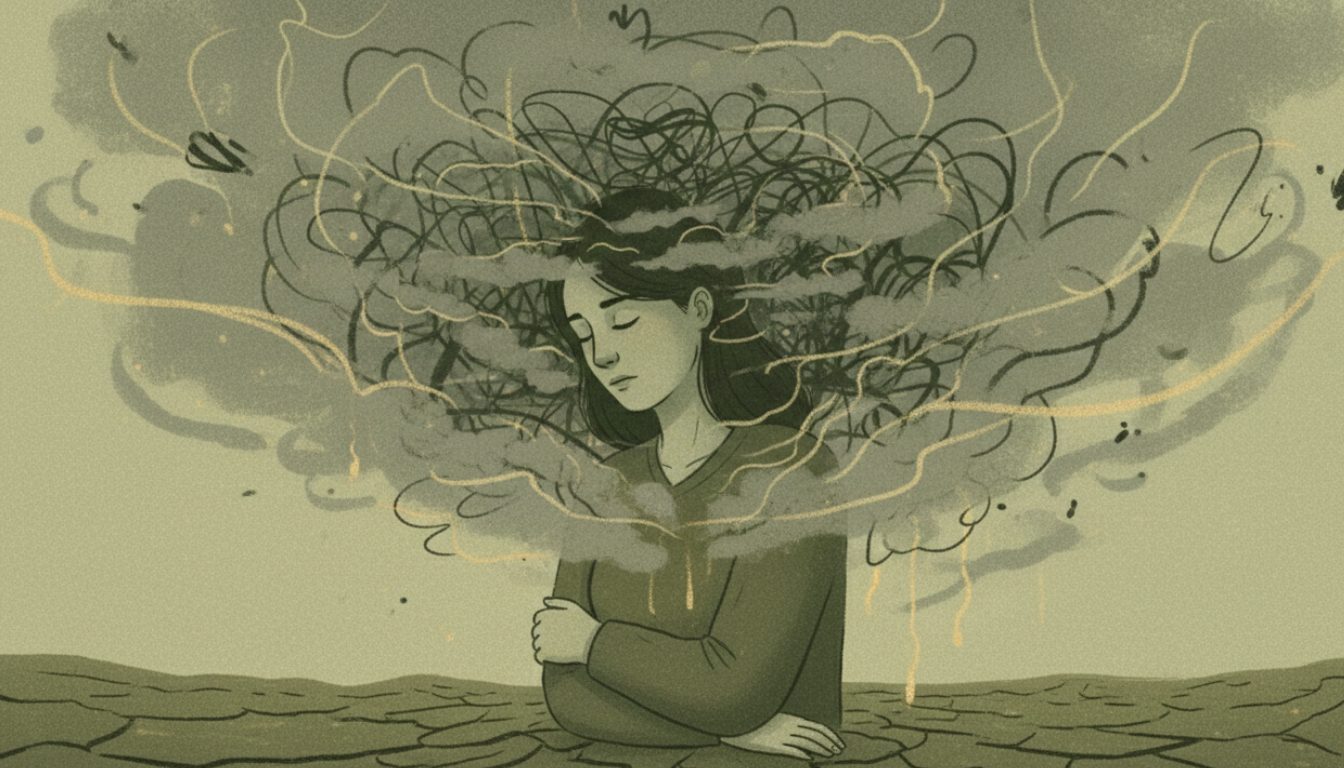
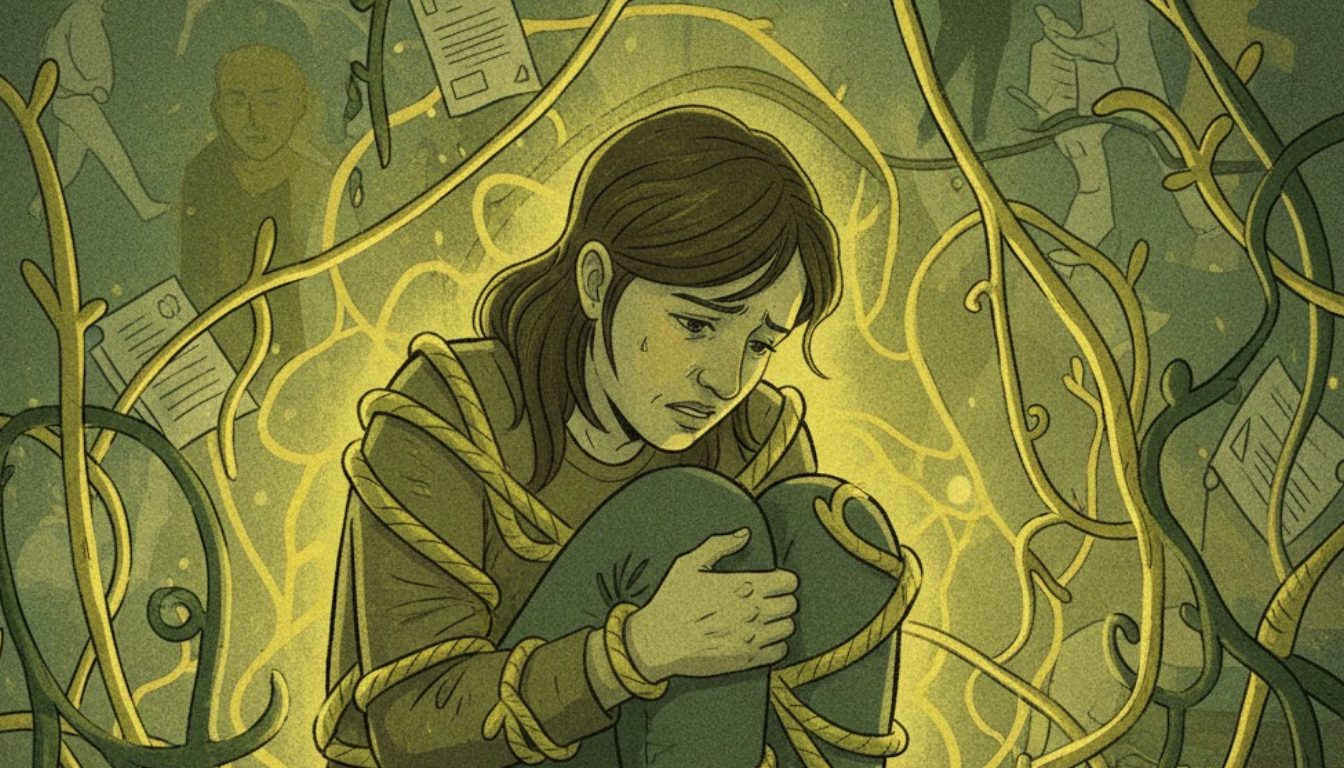
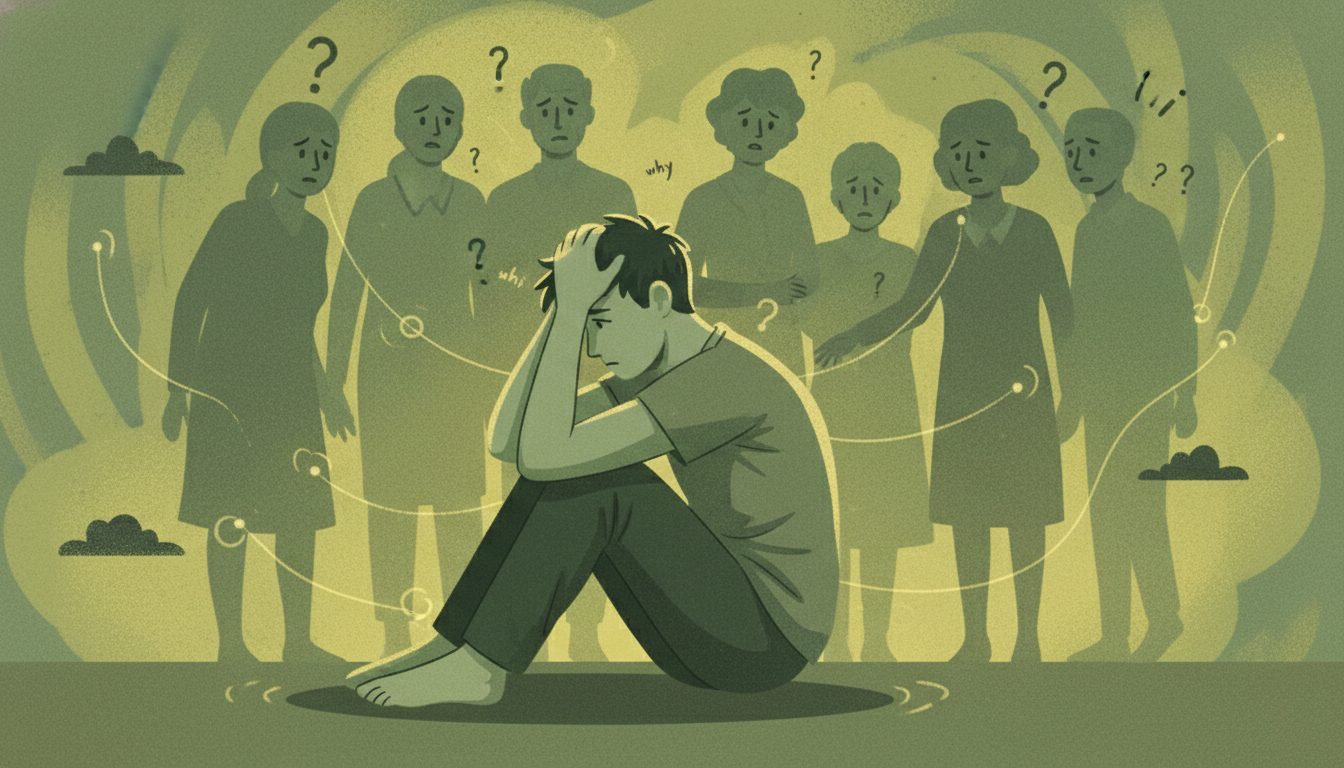
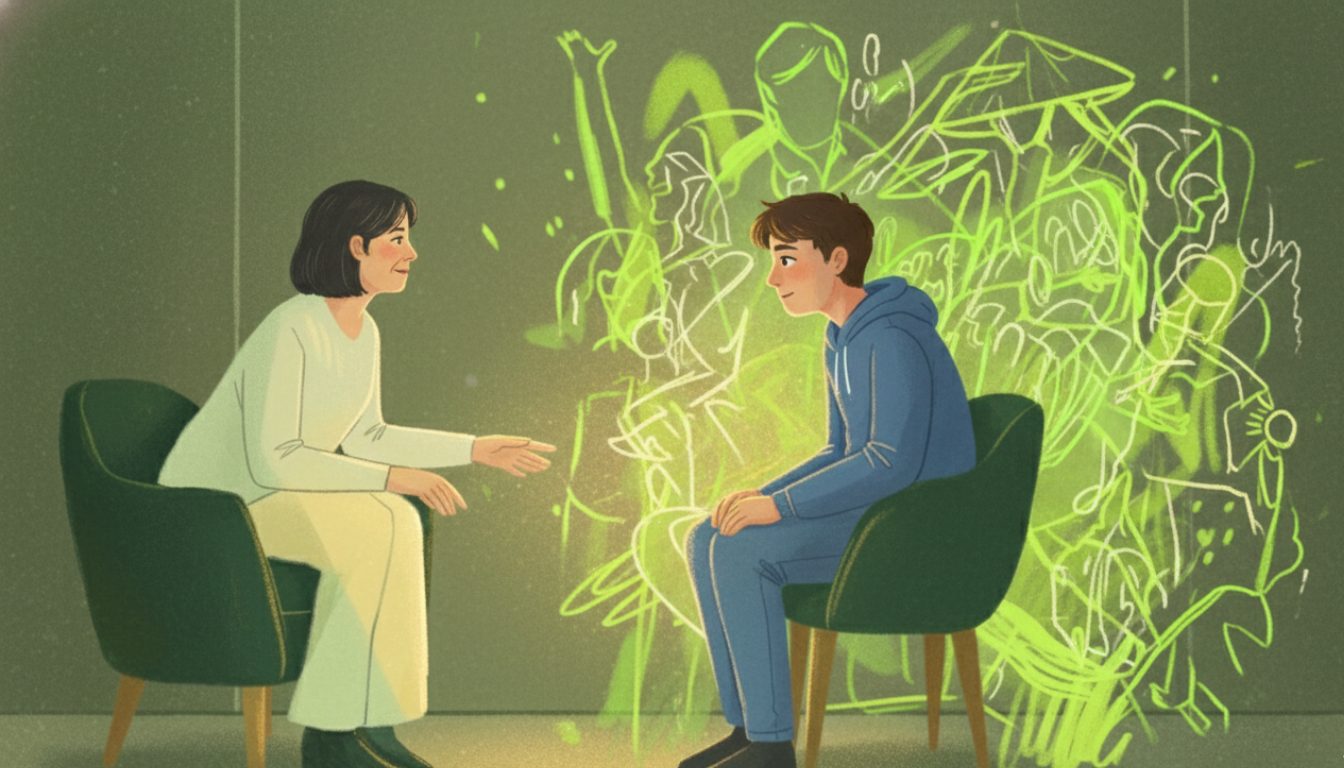
Mental health challenges often appear through emotional, physical, and behavioral changes that affect daily life. Early support, compassionate care, and timely intervention can improve long-term wellbeing.
10 Signs You Need Mental Health Support in 2026
Mental health is just as important as physical health, yet many people ignore warning signs until they reach a crisis point. In 2026, with rising stress from work pressure, digital overload, and fast-paced urban living, recognizing when you need support has never been more critical.
If you are reading this, you might be wondering whether what you are feeling is normal stress or something more serious. The truth is simple: needing mental health support is common, valid, and treatable. You are not alone, and seeking help is a sign of strength, not weakness.
This article will walk you through 10 clear warning signs that suggest you may benefit from professional mental health services. We will also help you understand when to reach out, what kind of care is available, and how compassionate treatment can restore your sense of peace and purpose.
At Ganaa, we believe recovery is more than treatment. It is healing with dignity. Since 2012, we have offered holistic mental health and de-addiction care through expert psychiatrists, psychologists, and therapists, all within a calm, private, and nurturing environment.
Why Mental Health Matters More Than Ever in 2026
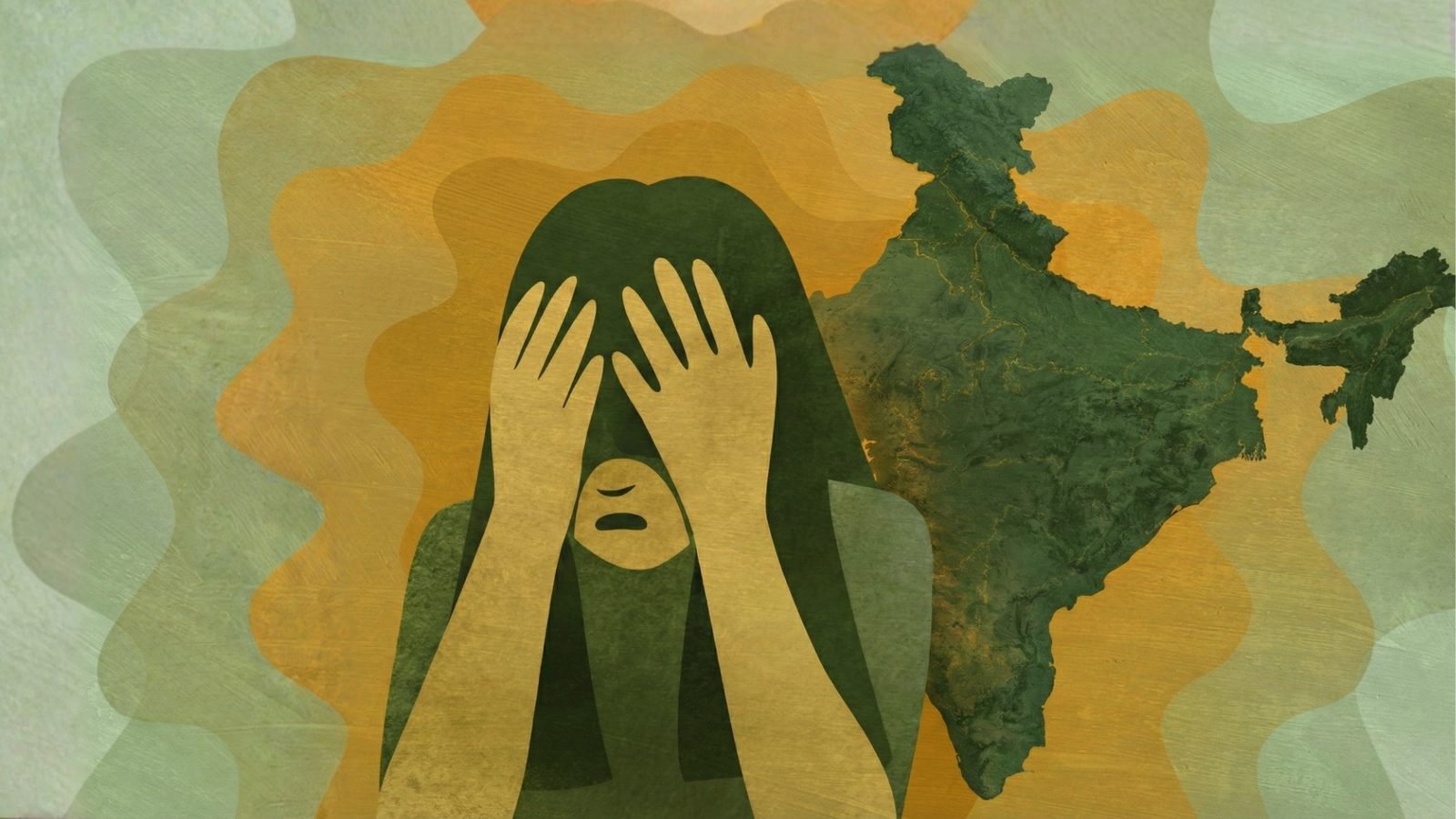
India is experiencing a mental health crisis that affects millions. According to India's National Mental Health Survey conducted by NIMHANS, approximately 10.6% of adults live with a diagnosable mental health condition, translating to over 150 million people nationwide.
Despite increased awareness, a large majority of people with common mental disorders do not receive timely or adequate care. Government of India data shows a treatment gap ranging from about 70% to over 92%, driven by stigma, low awareness, and a shortage of trained mental-health professionals.
The good news? Mental health conditions are highly treatable. Early intervention leads to faster recovery, better quality of life, and stronger relationships. Recognizing the signs is the first step.
Quick Facts: Mental Health in India (2026 Snapshot)
Early intervention is consistently shown to improve recovery outcomes and reduce long-term disability
How to Know When Stress Becomes a Mental Health Concern
Normal stress is temporary. It gets better once the situation resolves. You can still function, sleep, eat, and maintain relationships.
A mental health concern lasts for weeks or months. It disrupts your daily life, relationships, and ability to work or study. You may feel stuck, hopeless, or unable to cope even when external stressors ease.
If you have been feeling overwhelmed for more than two weeks, or if your symptoms are getting worse, it is time to consider professional support.
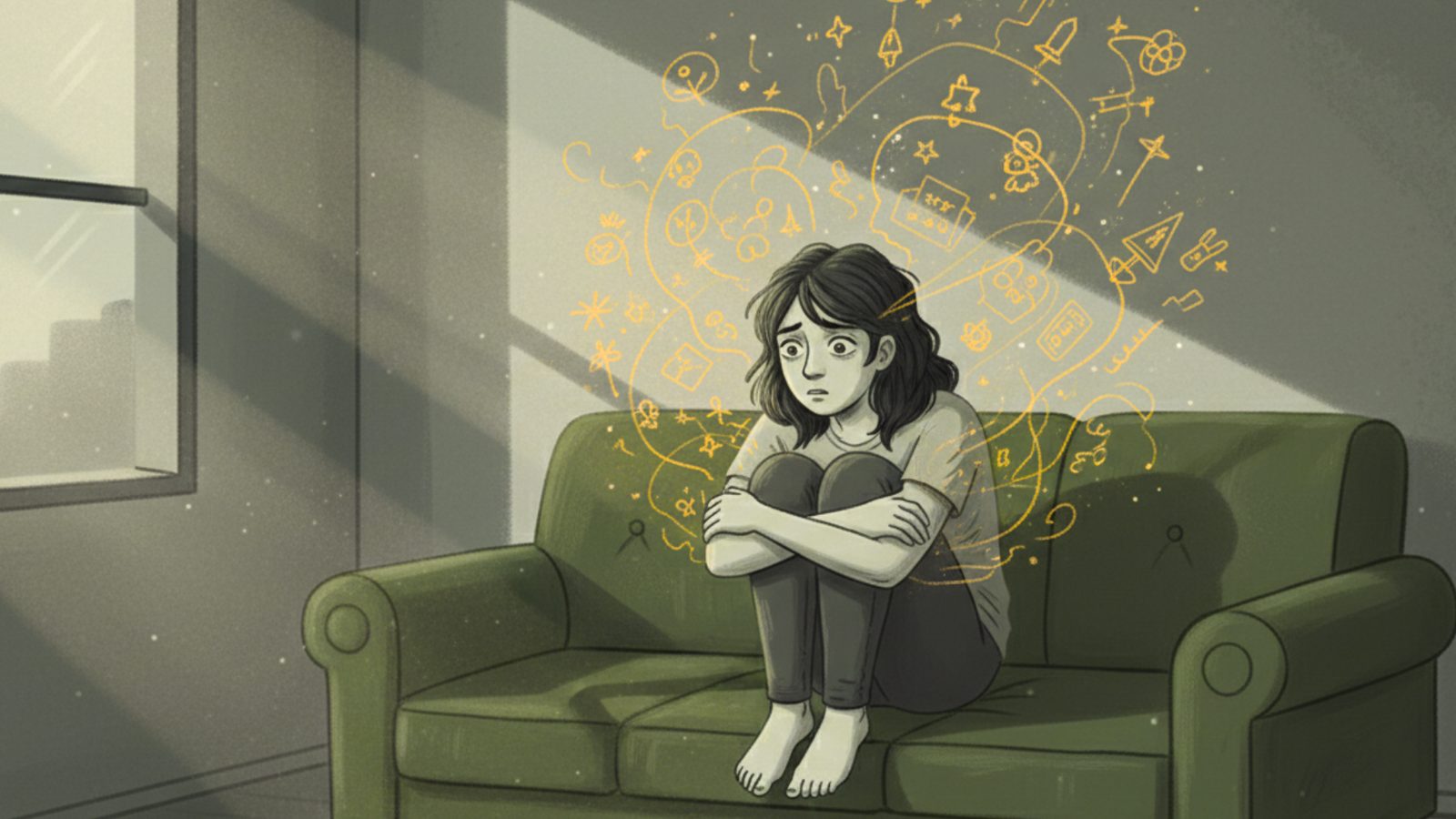
Sign 1: You Feel Constantly Overwhelmed or Anxious
Feeling anxious before a big presentation or during a tough week is normal. But when anxiety becomes constant, it may signal a clinical concern.
Warning signs include:
Worrying excessively about things you cannot control
Feeling on edge or hyper-vigilant throughout the day
Physical symptoms like a racing heart, sweating, or trembling
Difficulty making even simple decisions due to fear or doubt
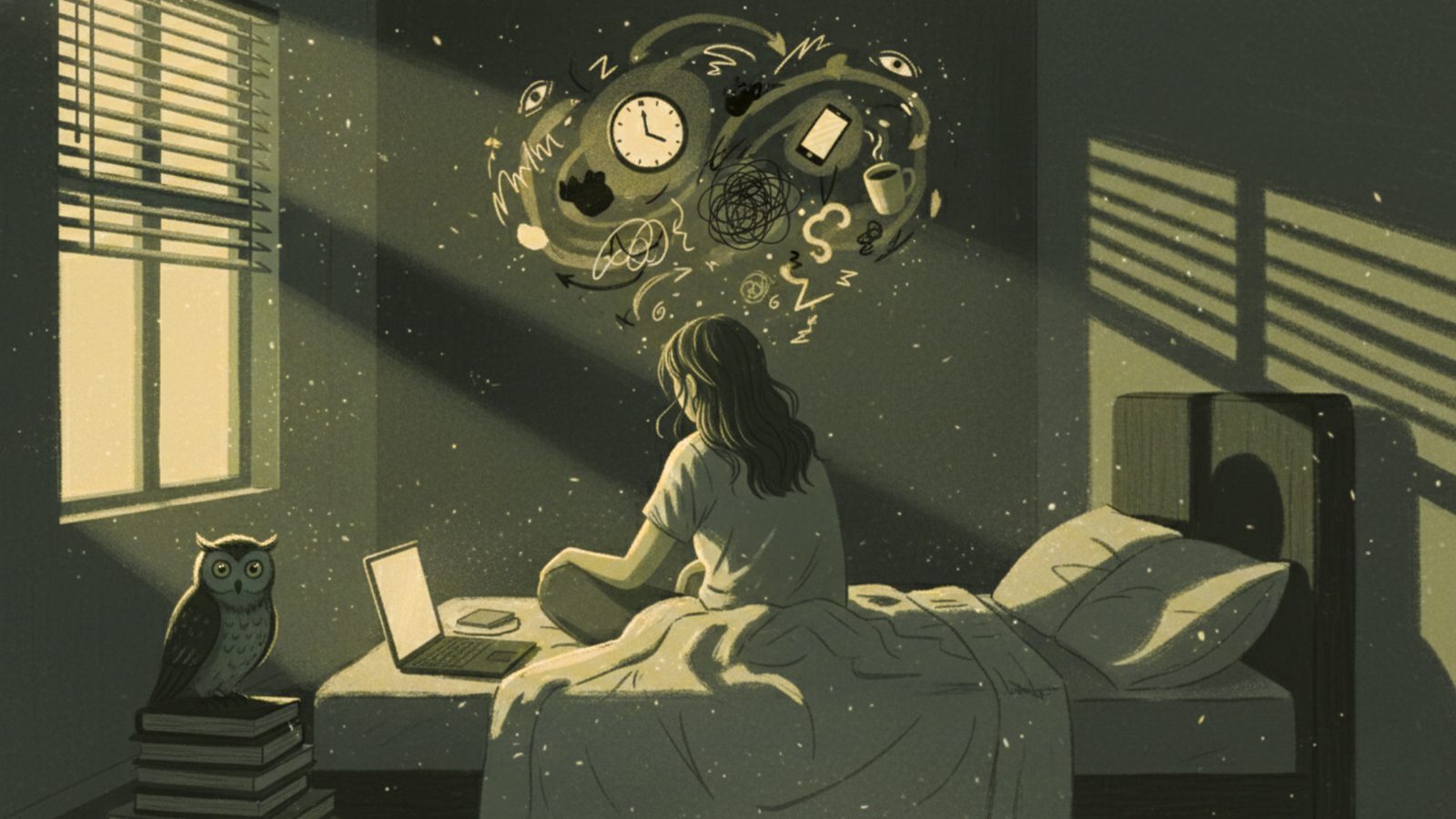
Sign 2: Your Sleep Patterns Are Severely Disturbed
Sleep is one of the most reliable indicators of mental health. Changes in sleep often appear before other symptoms become obvious.
Look for these patterns:
Insomnia: trouble falling asleep, waking up multiple times, or waking too early
Hypersomnia: sleeping far more than usual, using sleep as an escape
Restless, unrefreshing sleep that leaves you foggy and drained
Sign 3: You Experience Persistent Low Mood or Emotional Numbness
Depression in 2026 does not always look like sadness. Many people describe feeling empty, numb, or disconnected from life.
Other signs include:
Feeling flat or emotionless, even during moments that should bring joy
A vague sense of unreality or detachment from yourself
Feeling like nothing matters anymore
Chronic fatigue that rest does not relieve
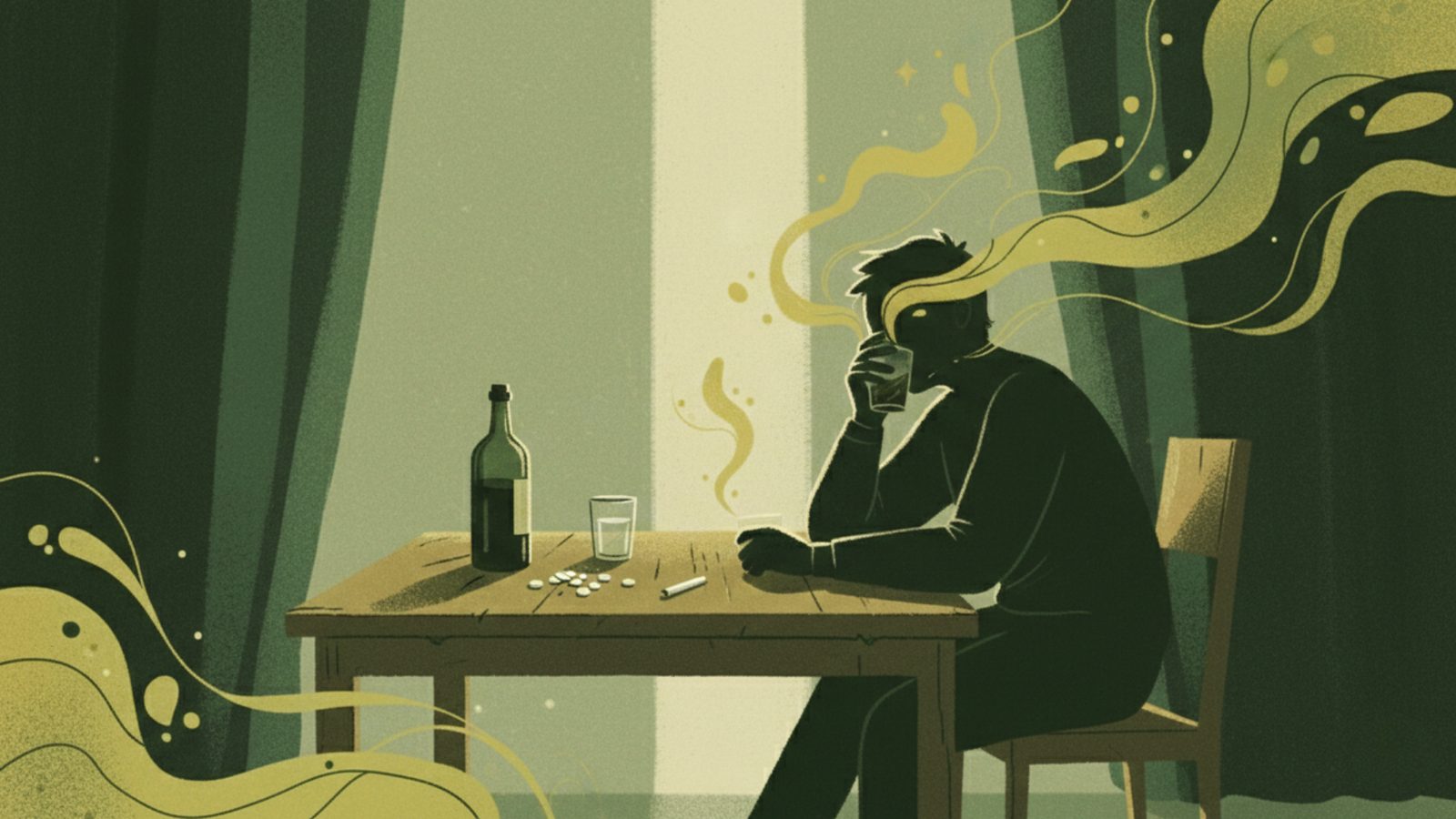
Sign 4: You Are Using Alcohol, Drugs, or Medication to Cope
Turning to substances to unwind, fall asleep, or feel normal is a major warning sign.
Red flags include:
Drinking or using substances alone or in secret
Needing more over time to achieve the same effect
Using substances to numb emotions or avoid problems
Experiencing guilt or shame about your use
Sign 5: Your Relationships Are Suffering
Mental health struggles rarely stay hidden. They ripple outward, affecting the people closest to you.
You might notice:
Withdrawing from friends and family
Snapping at loved ones over small things
Avoiding conflict by shutting down emotionally
Extreme mood swings that create tension at home or work
Sign 6: You Have Lost Interest in Life or Daily Activities
Social withdrawal is one of the clearest signs that something is wrong.
Indicators include:
Declining invitations consistently
Quitting activities you once loved
Feeling like the effort of socializing is too much
Dropping in performance at work or school
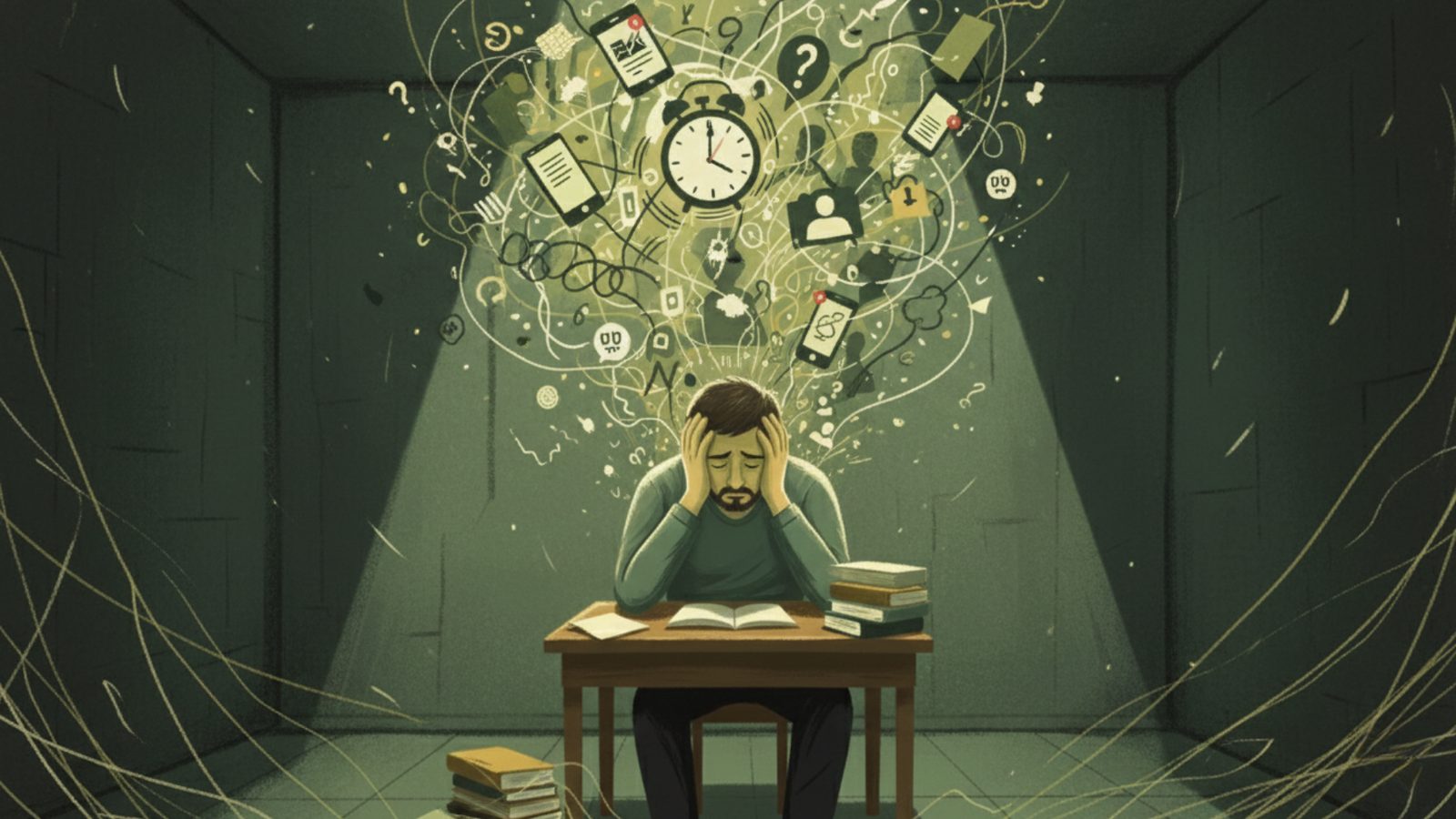
Sign 7: You Struggle to Focus, Think Clearly, or Make Decisions
Brain fog is one of the most frustrating symptoms of poor mental health.
You might experience:
Difficulty focusing during meetings or conversations
Forgetting important dates, appointments, or responsibilities
Feeling mentally foggy or slow
Struggling to make routine decisions
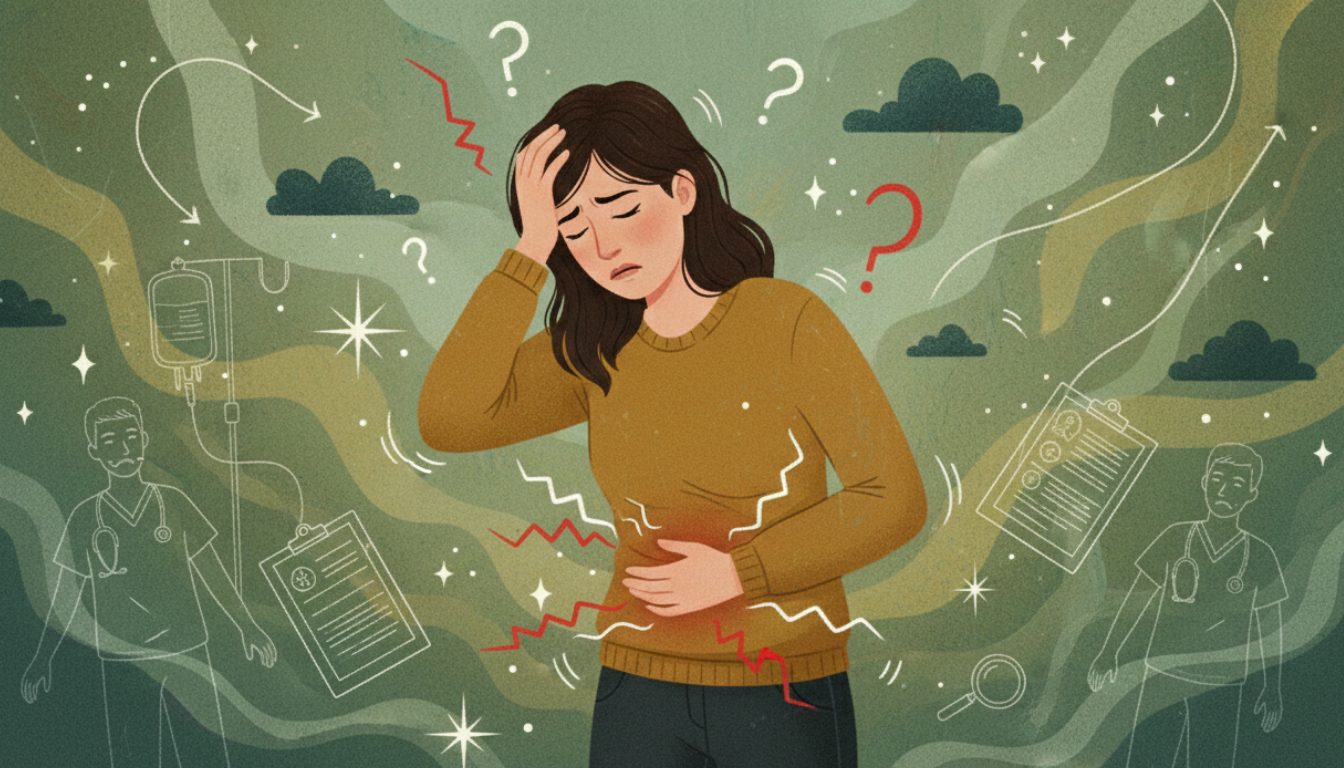
Sign 8: You Experience Physical Symptoms Without Clear Medical Cause
Your body often signals what your mind cannot express.
Physical symptoms linked to mental health include:
Chronic headaches or migraines
Stomach issues, nausea, or digestive problems
Unexplained muscle pain or tension
Fatigue that does not improve with rest
Sign 9: You Feel Hopeless, Trapped, or Like a Burden
Feelings of hopelessness are serious warning signs that require immediate attention.
Critical warning signs include:
Thinking about death or suicide
Making plans or researching ways to die
Feeling like a burden to family or friends
Engaging in risky behaviors
Even passive thoughts like "I wish I could just disappear" deserve professional support. These feelings are symptoms of illness, not character flaws, and they can be treated.
Sign 10: Your Family or Friends Are Concerned About You
Sometimes, the people who love you notice changes before you do.
They might notice:
Changes in your appearance or hygiene
Increased absenteeism or withdrawal
Mood swings or unusual behavior
Difficulty maintaining relationships at work or home
When Should You Seek Professional Mental Health Services?
The short answer is this: if symptoms last more than two weeks, affect your daily life, or cause distress, it is time to seek help.
Crisis care is needed when:
You have thoughts of suicide or self-harm
You are unable to care for yourself
Substance use has become dangerous
Your home environment is unsafe or unsupportive
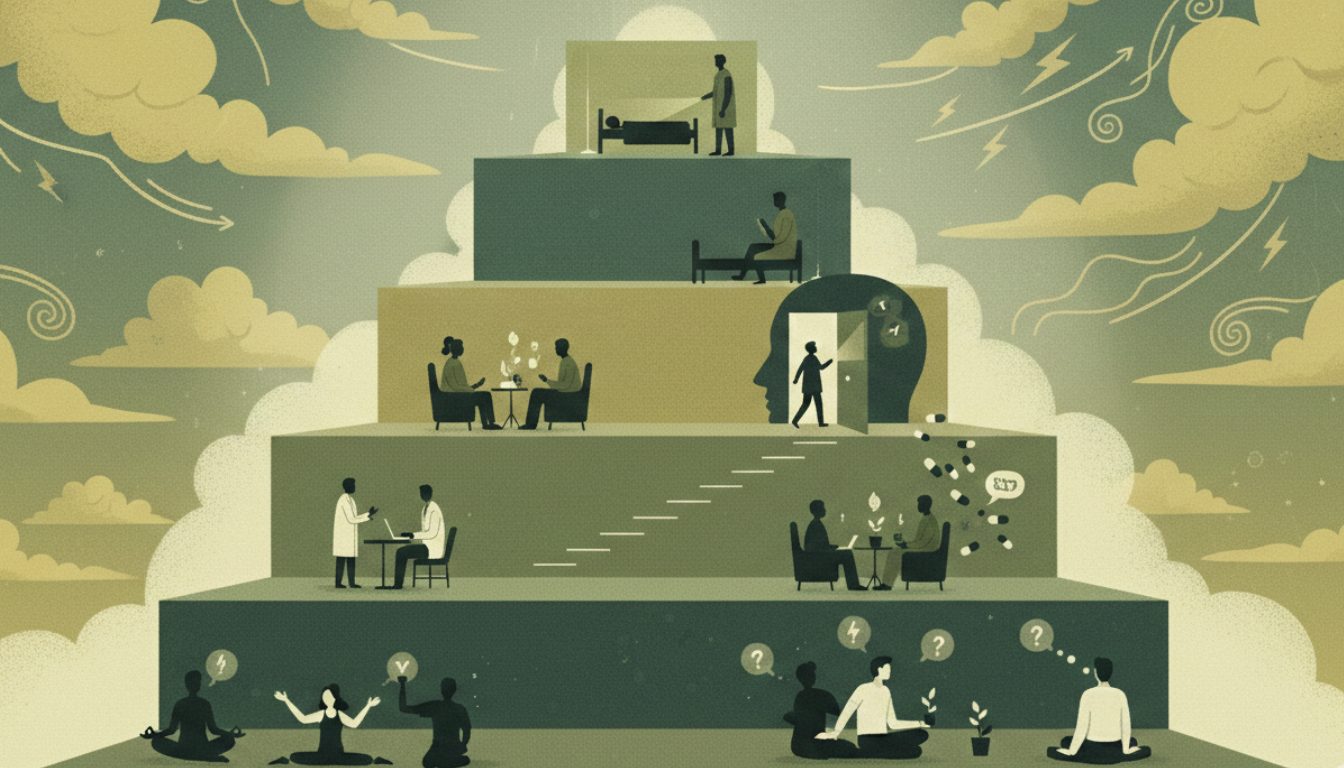
What Kind of Mental Health Support Is Right for You?
Outpatient Therapy
This involves visiting a therapist or psychiatrist for regular sessions while continuing to live at home.
Inpatient and Residential Care
Inpatient care means living at a treatment facility full-time. It provides 24/7 medical and psychiatric support in a structured, safe environment.
Integrated De-addiction and Psychiatric Treatment
Many people struggle with both substance use and mental health issues. Integrated care treats both concerns at the same time.
How Ganaa Provides Compassionate Mental Health Care
Personalised Treatment Plans
Every person is unique, and so is every recovery journey. Our team creates individualized care plans tailored to your specific needs, goals, and challenges.
24/7 Clinical Support and High Staff Ratio
You are never alone at Ganaa. Our high staff-to-client ratio ensures that you receive constant attention.
Luxury, Healing Environment
Our centers in Delhi NCR and Goa are set amidst peaceful green surroundings. We combine modern medical science with holistic therapies like yoga, meditation, and nutrition counseling to support whole-person healing.
How to Take the First Step Toward Healing
1. Confidential Assessment: We conduct a private evaluation to understand your symptoms, history, and needs.
2. Personalized Plan: Our team designs a treatment plan that fits your life and goals.
3. Family Involvement: With your permission, we involve family members to provide education and support.
4. Ongoing Care: Recovery does not end when treatment does. We offer follow-up care to help you maintain progress.
Frequently Asked Questions About Mental Health Support
Q: Is it normal to need mental health support?
A: Yes. Mental health challenges are common and affect people of all ages and backgrounds. Seeking help is a sign of self-awareness and strength, not weakness.
Q: When should I seek professional mental health services?
A: If your symptoms last more than two weeks, interfere with daily life, or cause significant distress, it is time to reach out.
Q: Can mental health issues be treated without medication?
A: Many conditions improve with therapy, lifestyle changes, and holistic care. Medication may be recommended depending on the severity, but it is not always necessary.
Q: Is inpatient care only for severe cases?
A: Not always. Inpatient care is also helpful when your home environment makes recovery difficult, or when you need intensive support to stabilize quickly.
Q: Will my treatment remain confidential?
A: Absolutely. Ethical mental health care prioritizes your privacy.
Q: How long does mental health treatment take?
A: It varies by person and condition. Some people see improvement in weeks, while others benefit from longer-term care.
Q: Can families be involved in treatment?
A: Yes. Family involvement often strengthens recovery.
Final Thoughts: You Don't Have to Struggle Alone
Mental health challenges can feel isolating, but the truth is that millions of people experience them every year. The most important thing you can do is recognize the signs and reach out before a crisis occurs.
You deserve care that honors your dignity, respects your journey, and supports your whole self.
At Ganaa, healing begins with being heard. Our compassionate team is ready to support you with personalized care, 24/7 clinical support, and a peaceful environment designed for recovery.
If you or someone you love is showing these warning signs, reach out to us today. Recovery is possible, and it starts with one courageous step.
Bipolar misdiagnosed as depression is common, and the delay runs close to nine years. Learn the clues, why hypomania is missed, and how to get a better review.
Adolescent mental health in India is under-treated. Learn 11 warning signs parents miss, what the data shows, how to start the talk, and when to seek help.
Gaming disorder in teens is a real diagnosis, not a phase. Learn the WHO criteria, how common it is, the signs parents miss, and what actually works at home.