PTSD vs Complex PTSD: Understanding the Difference
Confused about PTSD vs complex PTSD? Learn how these trauma disorders differ in cause, symptoms, and treatment, plus what the numbers say for India.
PTSD vs Complex PTSD: Understanding the Difference
Trauma does not follow one script.
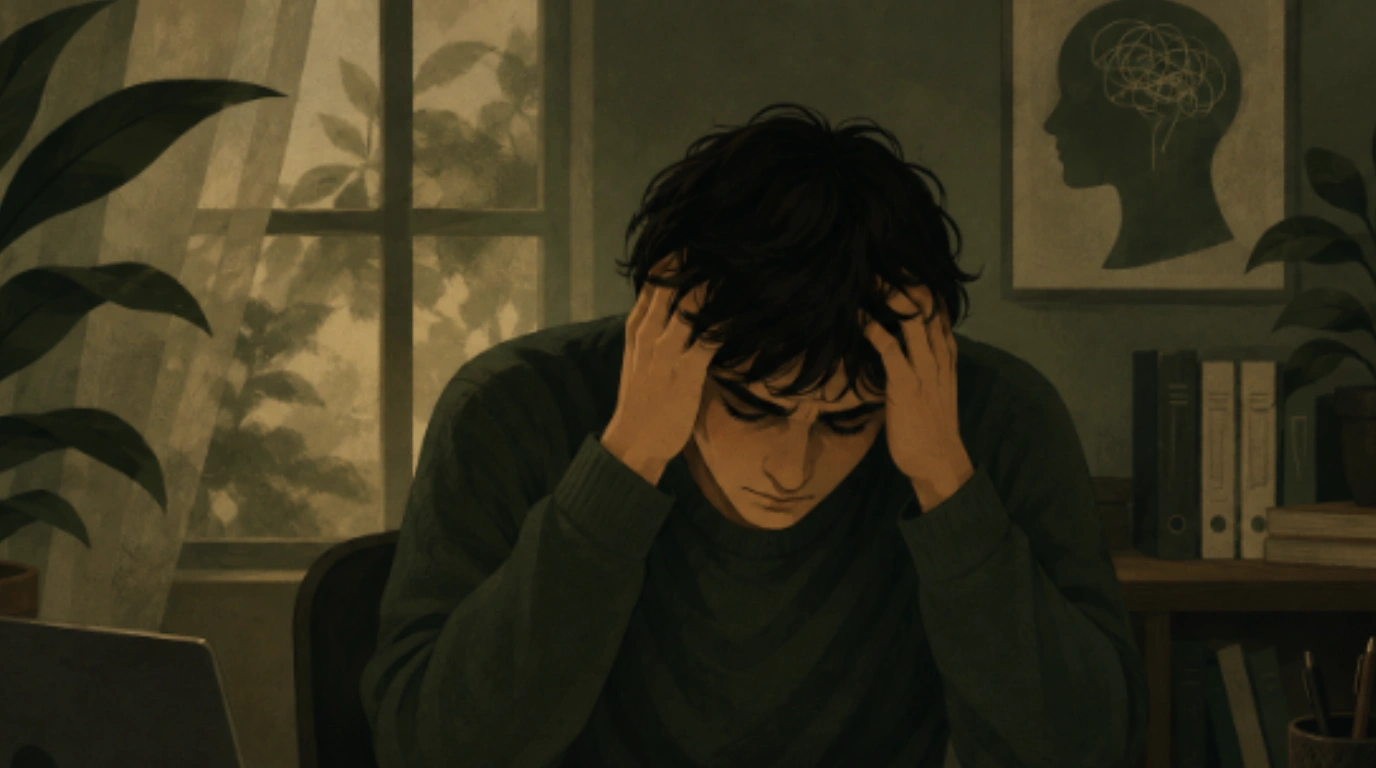
Two people can face the same storm. One heals within months. The other carries the weight for years. The shape of the wound depends on the shape of the trauma.
That is the heart of the PTSD vs complex PTSD question. PTSD most often follows one terrible event. Complex PTSD grows from trauma that repeats for months or years. It adds three deeper wounds: heavy shame, storm-like feelings, and broken trust in people.
The difference matters. It changes the therapy you need. It changes how long healing takes. It changes how your family can help.
India is only starting to talk openly about trauma disorders. Clinics see survivors of road crashes, assault, and sudden loss. They also see adults shaped by years of childhood abuse. Many were told to simply move on. You may be one of them. Or you may love someone who is.
This guide keeps things simple. We explain both conditions in plain words. We compare them side by side. We share the numbers that matter for India. And we walk through the treatments that research supports.
Let us start with the basics.
What Is PTSD? A Simple Definition
PTSD stands for post-traumatic stress disorder.
It can follow a single terrifying event. A crash. An assault. A flood. A sudden death in the family. You did not choose the event. Your brain simply stayed in alarm mode after it ended.
Doctors look for three core signs.
Strong reactions are normal in the first days after trauma. Most people settle with time and support. PTSD is different. The alarm does not switch off. Signs last more than a month and disturb daily life. (Source: NIMH, 2024 — NIMH PTSD overview)
Trauma itself is very common. About 70% of people worldwide face at least one traumatic event. (Source: WHO, 2024 — WHO PTSD fact sheet)
Most of them will not develop PTSD. Around 5.6% of those exposed do. (Source: WHO, 2024 — WHO PTSD fact sheet)
There is real hope in the data too. Up to 40% of people with PTSD recover within a year. (Source: WHO, 2024 — WHO PTSD fact sheet)
In India, the trigger events look familiar. Road crashes take lives here every day. So do floods, fires, and building collapses. Violence and sudden medical loss leave their own marks. Any of these can start PTSD in a survivor or a witness.
Sleep problems, low mood, and guilt often travel with PTSD. So do headaches and body aches. Some people numb the pain with drink or pills. That relief is short and the cost is high.
None of this means you are weak. It means your stress system is stuck. A stuck system can be reset with the right care.
A: Signs often start within three months of the event. For some people, they surface much later. A doctor looks for signs that last over a month and disrupt daily life.
What Is Complex PTSD (CPTSD)?
Complex PTSD is the deeper, older cousin of PTSD.
It develops after trauma that repeats or lasts a long time. Think of years of childhood abuse or neglect. Domestic violence that goes on and on. Bullying, captivity, trafficking, or long conflict. Escape felt hard or impossible at the time.
The World Health Organization made CPTSD an official diagnosis in ICD-11. The new manual came into effect in January 2022. (Source: WHO, 2022 — ICD-11 classification)
India's health system uses ICD codes. So this change matters here too. Your psychiatrist can now name what you carry.
The idea itself is older. Psychiatrist Judith Herman first described complex trauma in 1992. (Source: US National Center for PTSD, 2024 — complex PTSD overview)
A person with CPTSD has every core sign of PTSD. Flashbacks. Avoidance. A constant sense of threat. Then three more wounds appear. And they cut deeper.
CPTSD symptoms include a harsh inner critic. You may feel worthless, broken, or beyond repair. Feelings swing hard and settle slowly. Close bonds feel risky, so you pull away or cling tight.
These extra CPTSD symptoms shape a whole life, not just bad days. Work feels harder. Marriage feels harder. Parenting feels harder. Many people carry this for decades without a name for it.
Picture one common story. A woman in her thirties seeks help for burnout and low mood. Therapy for stress brings little change. A careful history then finds years of harsh abuse in childhood. The real wound was complex trauma all along. Stories like hers sit in every Indian city.
Getting the right name is the first act of healing.
A: It is rare. CPTSD is tied to repeated or long-lasting trauma in almost all cases. One-off events more often lead to PTSD.
PTSD vs Complex PTSD: The 3+3 Pattern
Here is a simple frame that trauma clinicians use. We call it the 3+3 pattern.
PTSD has three core signs.
CPTSD keeps those three and adds three more.
Doctors call the extra three "disturbances in self-organisation". You only need to remember 3+3. Three signs shared. Three signs extra. This framing comes straight from the ICD-11 model of the two trauma disorders. (Source: BJPsych Advances, 2020 — CPTSD in ICD-11)
Here is the full side-by-side picture.
FeaturePTSDComplex PTSDRoot traumaOne event or a short crisisRepeated trauma over months or yearsCommon causesCrash, assault, disasterChildhood abuse, domestic violence, captivityCore signsFlashbacks, avoidance, threatSame three, plus three deeper woundsSelf-imageOften stays intactDeep shame and guiltFeelingsFear tied to the eventAny strong feeling is hard to calmClose bondsMay stay stableTrust feels unsafeICD-11 code6B406B41Healing pathOften shorterLonger, staged therapy
One more key rule. Under ICD-11, you get one label, not both. If the extra three wounds are present, CPTSD replaces PTSD. That single choice shapes the whole care plan.
The PTSD vs complex PTSD line is not about which pain is "worse". Both are real. Both deserve care. The line exists so treatment can fit the wound.
Try a quick self-check with the table. Read the left column slowly. Note which side sounds like your life. Then take that note to a professional. It gives your first session a running start.
Trauma and PTSD in India: What the Numbers Show
Reliable data on PTSD India-wide is still thin. That gap says a lot on its own.
Here is what solid research does tell us.
- About 70% of people worldwide face at least one traumatic event — . - About 3.9% of people worldwide go through PTSD in their lifetime — . - About 1 in 10 Indian adults lives with a mental health condition — . - India's mental health treatment gap runs from 70% to 92% — . - In a US survey, 3.4% had PTSD and 3.8% had CPTSD — .
Read that last stat again. In that survey, complex PTSD was slightly more common than PTSD. (Source: Journal of Traumatic Stress, 2019 — Cloitre et al.)
The quiet condition may be the bigger one.
India's national survey did not measure CPTSD as a separate label. The survey ran before ICD-11 existed. So the true CPTSD burden here is unknown. What we do know is grim enough. Most Indians with a mental health condition never receive care. (Source: NIMHANS NMHS, 2016 — NMHS report)
Cross-country research adds one more insight. PTSD rates climb where conflict and violence last for years. (Source: Psychological Medicine, 2017 — World Mental Health surveys)
Long-lasting harm breeds the long-lasting wound. That is the CPTSD story in one line.
Awareness of complex PTSD India-wide is even lower than PTSD awareness. Few people have heard the term. Fewer still know it is treatable. Sharing articles like this one is a small way to close that gap.
The gap is not only about awareness. India has far too few trauma-trained clinicians for its size. Distance, cost, and stigma block the rest of the path. Telehealth and OPD clinics are slowly changing that. Help is closer today than it was five years ago.
Why Complex Trauma Often Goes Unseen in India
Here is what the top search results rarely tell you. In India, complex trauma hides in plain sight.
The home is one reason. Much repeated trauma happens inside families. Childhood abuse. Harsh neglect. Violence between parents. Children cannot leave, and they cannot report. The trauma runs for years behind closed doors.
Silence is the second reason. Many families treat trauma talk as shameful. Survivors hear "adjust", "move on", or "log kya kahenge". So the wound goes underground. It resurfaces as anger, body pain, or burnout years later.
Misdiagnosis is the third reason. CPTSD often looks like other conditions. Long-standing sadness reads as depression. Storm-like feelings read as a mood or personality problem. The trauma story underneath never gets asked about.
Gender adds a fourth layer. Many Indian men learn early that pain must stay hidden. They reach clinics late, often through anger or drink. Many women face the opposite wall. Their pain is seen, then dismissed as "moods". Both walls delay the right diagnosis.
Research backs the childhood link. In the US survey, childhood trauma predicted CPTSD more strongly than adult trauma did. (Source: Journal of Traumatic Stress, 2019 — Cloitre et al.)
That finding matters for Indian families. What happens to a child at home can shape their mind for decades. It also means healing is possible at any age. The wound was learned. Recovery can be learned too.
If several conditions have been named over the years, take heart. You are not "too broken to diagnose". You may simply have an unrecognised trauma wound. A trauma-informed psychiatrist can look at the full story.
A: Many clinicians were trained before CPTSD became an official label. Symptoms like shame and mood swings were often filed under other conditions. A fresh trauma-focused assessment can reframe the whole picture.
How Doctors Diagnose These Trauma Disorders
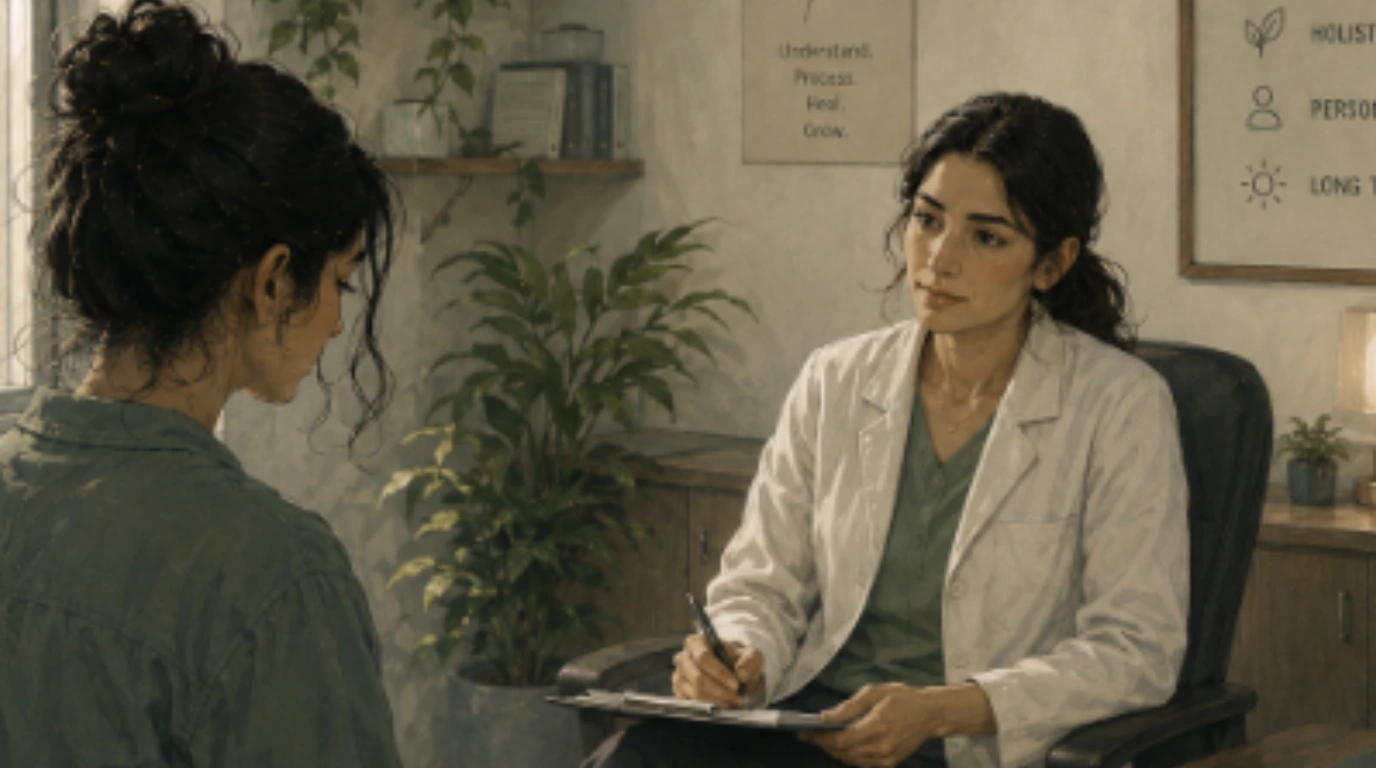
There is no blood test for trauma disorders. Diagnosis is a careful, structured conversation.
Here is how the process usually runs.
A good assessment feels like being heard, not judged. You set the pace. You choose what to share and when. Nobody should force you to relive events before you feel safe.
Bring notes if talking feels hard. Write down your sleep, your triggers, and your hardest moments. Hand the page over. It counts as telling.
One caution for readers in India. Online quizzes cannot diagnose you. They can point you toward help, nothing more. Only a qualified mental health professional can confirm PTSD or CPTSD. If you can, ask for someone trained in trauma care.
Cost worries stop many families from booking that first visit. Know your options before you decide it is out of reach. District hospitals and medical colleges run low-cost psychiatry OPDs. Some private clinics offer sliding-scale fees. One assessment can save years of guessing.
A: A psychiatrist or a clinical psychologist can make the diagnosis. Many Indian hospitals and clinics now follow ICD-11. Ask if the clinician has trauma training before you book.
Treatment That Works: What the Evidence Says
Both conditions are treatable. That sentence is worth repeating out loud.
For PTSD, the evidence is clear. WHO guidelines recommend trauma-focused CBT or EMDR as first-line care. (Source: WHO, 2013 — WHO stress guidelines)
Trauma-focused CBT helps you face the memory safely. You learn to challenge the beliefs the trauma installed. EMDR uses guided eye movements while you recall the event. Both loosen the memory's grip.
Medication can support therapy. Doctors may add an SSRI when depression rides along or therapy is unavailable. (Source: WHO, 2013 — WHO stress guidelines)
A psychiatrist should make that call with you. Never start or stop such medicines on your own.
CPTSD care goes further, because the wound goes further. Most trauma experts pace it in three stages.
Body-based supports help many people alongside therapy. Yoga, meditation, and breath practice calm the alarm system. They support therapy rather than replace it.
What does the work look like week to week? In stage one, sessions teach concrete skills. You might practise slow breathing for five minutes, twice a day. You might build a fixed sleep window and a grounding phrase. In stage two, sessions revisit one memory at a time. Your therapist keeps you anchored in the present while you do.
Healing time differs by person and wound. Some people feel real change in months. Complex trauma often needs a year or more of steady work. Slow progress is still progress.
A: Not always. Many people heal with weekly outpatient therapy. Residential care helps when symptoms are severe, home is unsafe, or outpatient care has stalled.
How to Support a Loved One With PTSD or CPTSD
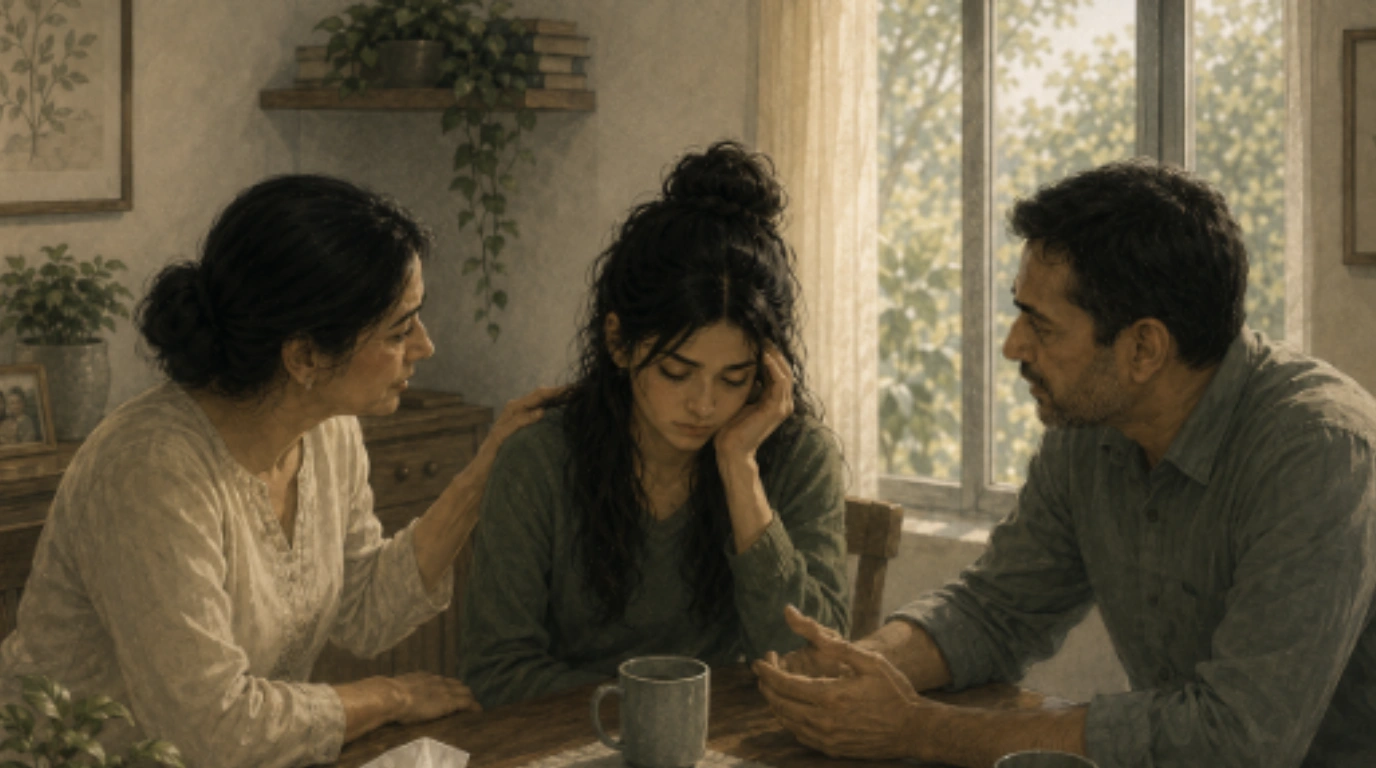
Trauma never wounds just one person. Families carry it too. Here is a simple checklist you can use today.
What helps:
What hurts:
Set your own limits too. Supporting a survivor is heavy work. Caregivers need sleep, friends, and sometimes their own therapist. You cannot pour from an empty cup.
Children in the house need care as well. They notice more than adults think. Give them simple, honest words for what is happening. Keep their routines warm and steady. This protects the next generation from carrying the wound forward.
Watch for danger signs. Talk of self-harm or suicide needs action the same day. Contact a mental health professional or a crisis helpline at once. In India, the government's Tele-MANAS helpline offers free support in many languages.
Above all, hold hope for them. People recover from both PTSD and CPTSD. Your steady presence makes recovery more likely. That is not a small thing. It may be the biggest thing.
A: Speak slowly and use their name. Remind them where they are and that they are safe now. Ask before touching them, and keep your voice low.
How Ganaa Helps You Heal From Trauma
Naming your condition is step one. Finding the right care is step two. That is where we can walk beside you.
Ganaa is a mental health and rehabilitation network in India. We have helped people heal since 2012. Our residential centres sit across Delhi NCR, Greater Noida, and Goa. Our OPD clinics bring therapy and psychiatry closer to home.
Trauma care at Ganaa starts with a full assessment. A psychiatrist maps your history, your symptoms, and your strengths. Then our team builds a tailored plan around you.
The plan blends two worlds. Modern clinical science on one side: CBT, DBT, and trauma-focused therapy. Time-tested practice on the other: yoga, meditation, and calm, green spaces. For complex trauma, we pace the work in stages. Safety first. Processing next. Reconnection last.
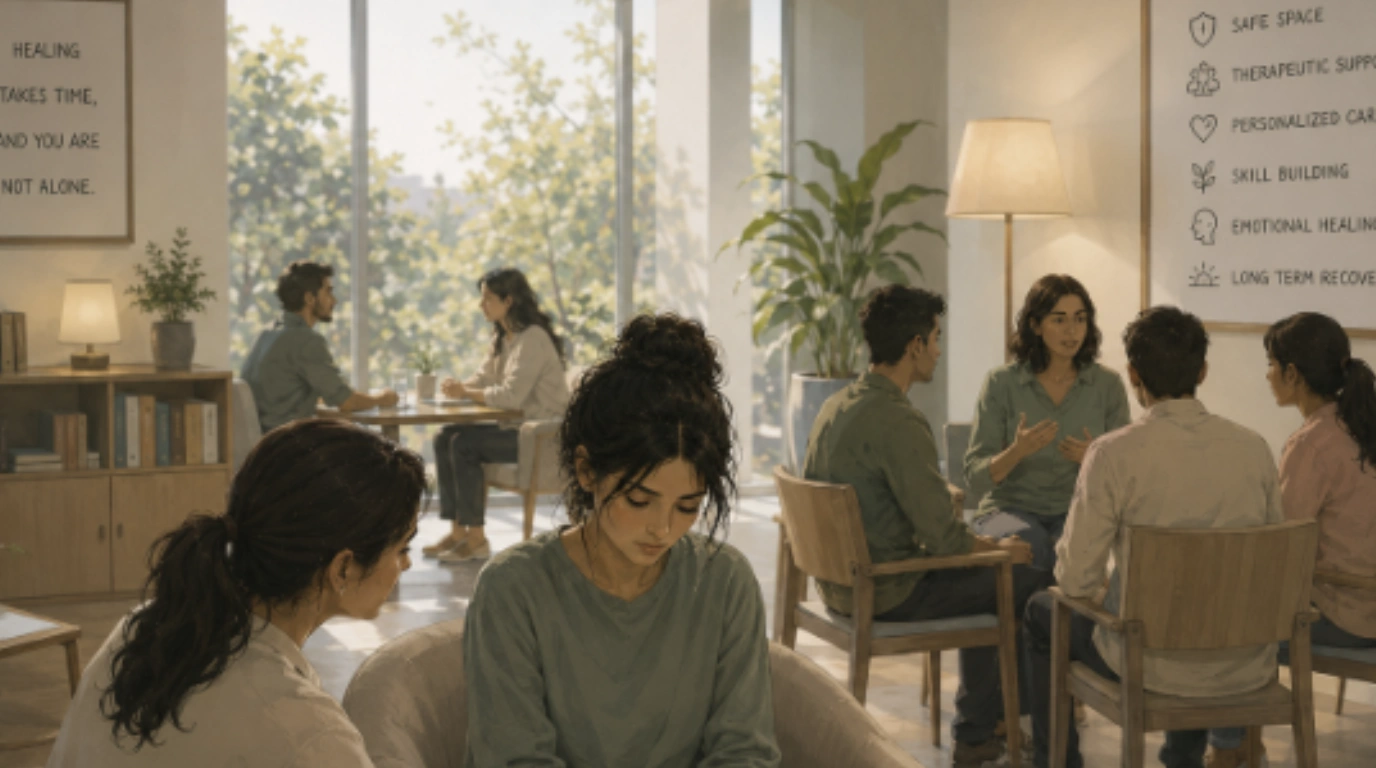
Residential programs run for 30, 60, or 90 days. You live in a calm, structured space with round-the-clock support. Dual diagnosis care is available when substance use rides along with trauma. Families join the process too, because trauma never wounds just one person. Aftercare keeps you supported once you return home.
Some people need residential care. Many do not. An OPD consultation may be the right first step for you. A Ganaa clinician can help you decide, without pressure.
If this article felt familiar, do not sit with it alone. Speak to a Ganaa admissions counsellor about a trauma assessment. Or visit ganaa.in to learn more about our programs and centres.
Healing from trauma is slow, real work. You do not have to do it alone.
The Bottom Line
Let us bring the PTSD vs complex PTSD picture together.
PTSD usually follows one terrible event. Complex PTSD follows trauma that repeats for months or years. Both share three core signs: re-living, avoidance, and constant threat. CPTSD adds three deeper wounds: harsh shame, storm-like feelings, and broken trust.
Remember the 3+3 pattern. It tells the two trauma disorders apart in seconds. And remember the one-label rule. Under ICD-11, doctors pick the diagnosis that fits your whole story.
The numbers carry one loud message. Trauma is common. Care is rare, especially in India. You do not have to stay inside that gap.
Both conditions respond to treatment. Trauma-focused therapy works. Staged care works for complex wounds. Support from family makes every step easier.
If this guide described your life, take it seriously. Speak to a psychiatrist or a trauma therapist. Ask about PTSD and CPTSD by name. One honest conversation can start a different decade.
Your trauma had a beginning. With the right help, its grip on you can have an end too.
FAQ
Q: What is the main difference between PTSD and complex PTSD?
A: PTSD most often follows one traumatic event. Complex PTSD follows trauma that repeats or lasts for years. CPTSD includes all PTSD signs, plus deep shame, storm-like feelings, and trouble trusting people. The care plan differs, so the label matters.
Q: Is complex PTSD an official diagnosis in India?
A: Yes. Complex PTSD is listed in ICD-11, the WHO manual in effect since January 2022. Indian hospitals use ICD codes. So a psychiatrist here can record CPTSD as a formal diagnosis.
Q: Can you be diagnosed with both PTSD and CPTSD?
A: No. Under ICD-11, a clinician picks one of the two. If the extra wounds around self-image and close bonds are present, CPTSD replaces the PTSD label. That keeps the care plan clear.
Q: How common is PTSD in India?
A: Large PTSD surveys in India are still rare. Worldwide, about 3.9% of people go through PTSD at some point in life. India's national survey found about 1 in 10 adults lives with a mental health condition, and most never get care.
Q: Can complex PTSD be treated?
A: Yes. CPTSD responds well to staged, trauma-focused therapy. Many people reach a point where symptoms no longer run their life. Healing takes longer than for PTSD, but steady recovery is common with the right support.
Q: When should I seek help for trauma symptoms?
A: Seek help if symptoms last more than a month, disturb sleep or work, or strain your close bonds. Reach out at once if you have thoughts of self-harm. A psychiatrist or trauma therapist can assess you and build a plan.
Eating disorders in India hide behind praise for discipline and thinness. Learn the early warning signs, what to say, and how treatment actually works.
High functioning anxiety hides behind good work and a calm face. Learn the hidden signs, what the body does, and when coping turns into the problem itself.
The cost of mental health rehab in India is rarely published openly. Here is what moves the price, what insurance must cover by law, and what to ask first.