Step inside Ganaa Delhi II, a nature-wrapped residential rehab in Chhatarpur. See the setting, the care, the programs, and how to enquire about a stay.
Inside Ganaa : Chhatarpur's Quiet Path to Recovery
Recovery rarely starts with a grand plan.
It often starts with one quiet decision. A choice to rest. A choice to ask for help.
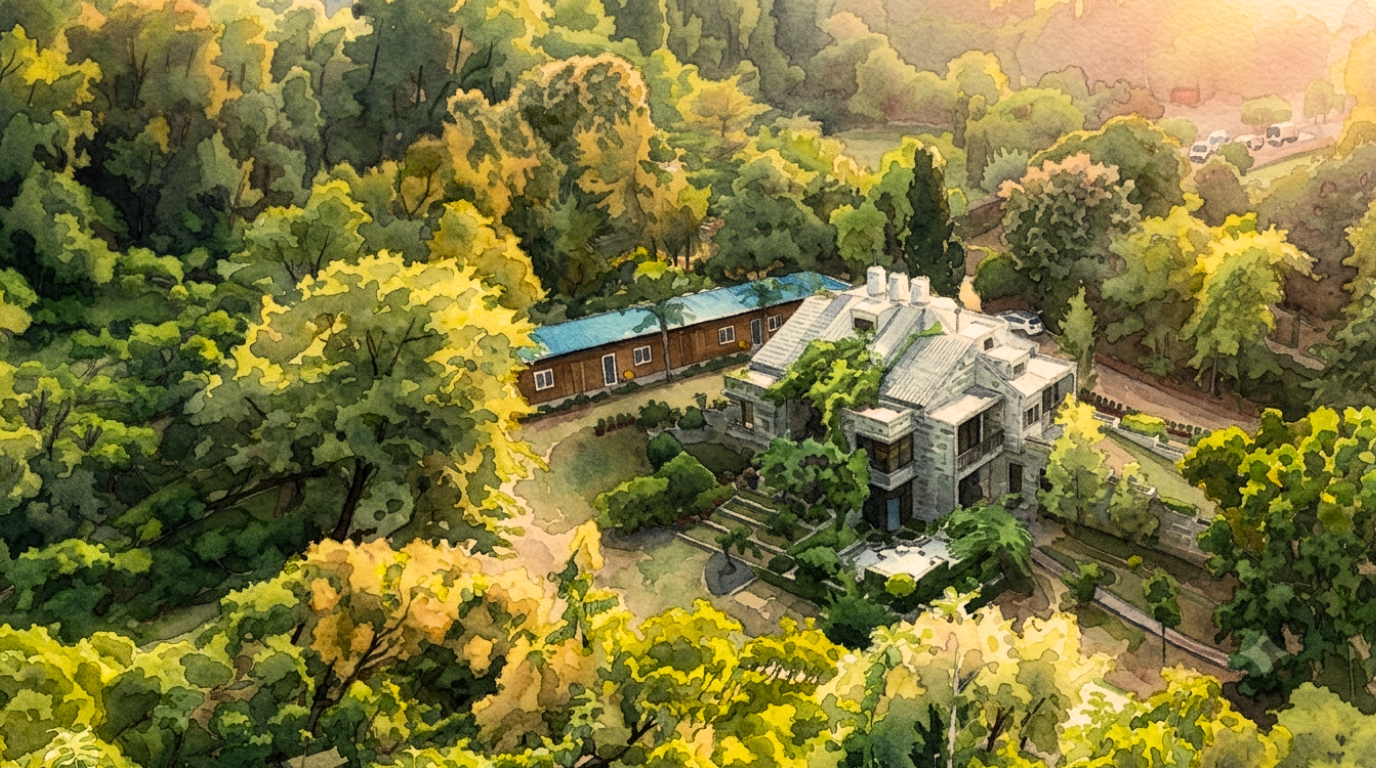
Ganaa Chhatarpur is built for that moment. It is a residential rehab in Chhatarpur, in south Delhi. The campus spans five acres of greenery.
The setting matters more than people expect. Noise and pressure feed many mental health struggles. A calm space helps the nervous system settle.
That calm is not the whole treatment. But it gives real care room to work.
India carries a heavy, often hidden mental health load. About 13.7% of adults face a mental condition in their lifetime. Most never get the care they need. (Source: NMHS, NIMHANS, 2016 — pmc.ncbi.nlm.nih.gov)
A residential centre answers a simple need. Some people cannot heal at home alone.
This post takes you inside Ganaa Chhatarpur You will see the setting, the care, the programs, and how to enquire. Let us walk through it together.
Why the Setting at Ganaa Chhatarpur Matters
Most people picture a clinic when they hear "rehab."
Ganaa Chhatarpur feels different. It is a five-acre campus wrapped in nature. The pace is slow. The air is quiet.
This is by design. A calm space lowers stress. Lower stress makes therapy easier to absorb.
Chhatarpur sits in south Delhi. It keeps you close to the city. Yet the campus feels set apart from its rush.
That balance is rare. Families can reach the centre by road across Delhi NCR. The person inside still gets real distance from old triggers.
Green, open settings support recovery in clear ways. They ease the body. They invite better sleep. They make space to breathe and think.
Anxiety and depression are common drivers of a stay. They affect millions worldwide. (Source: WHO, 2022 — who.int)
A peaceful campus does not erase those conditions. But it gives the brain a softer place to recover.
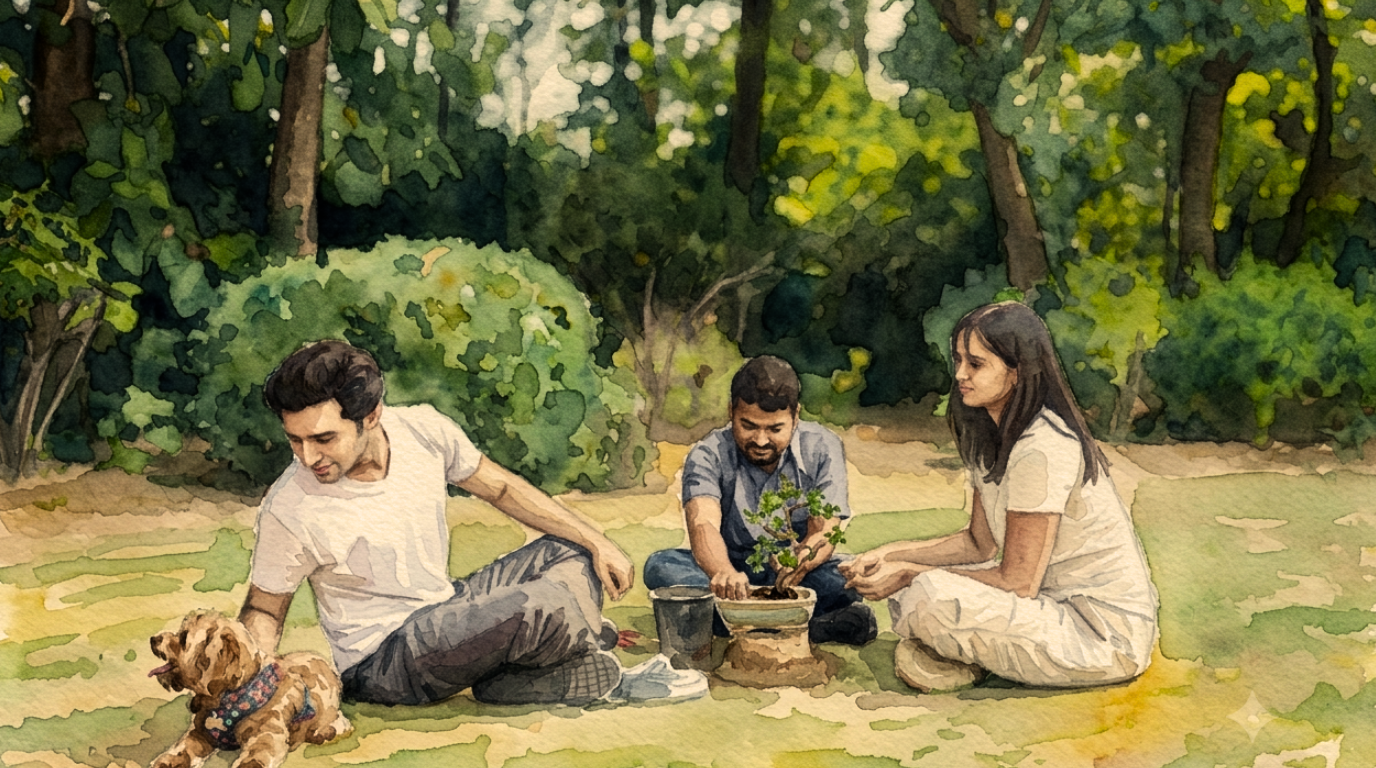
The land itself does quiet work. Trees soften the noise of the city. Open ground invites slow walks and fresh air.
These are small things. Yet they add up over a stay. Each calm day builds on the last.
Q: Does a nature setting really help recovery? A: It is not a cure on its own. A calm, green space lowers stress and supports sleep. That makes clinical care and therapy land better. It is one part of a full treatment plan at any Ganaa centre.
This is why the location is more than a backdrop. At a good residential rehab in Delhi, the space is part of the care.
What Daily Life Looks Like Inside
A good day in recovery has a shape.
Structure is part of the medicine. It rebuilds routine. It gives shaky days a frame to lean on.
At Ganaa Chhatarpur, days follow a steady rhythm. There is rest, care, movement, and connection.
The centre offers private and shared rooms. People can choose what feels safe for them.
Daily life is supported, not bare. There is homestyle dining. There is housekeeping and laundry. There is a gym for gentle movement.
These small comforts matter. They let a person focus on healing, not chores.
Care runs around the clock. Medical, psychiatric, and nursing support is available 24/7.
That cover is vital in early recovery. Hard nights happen. Someone is always there.
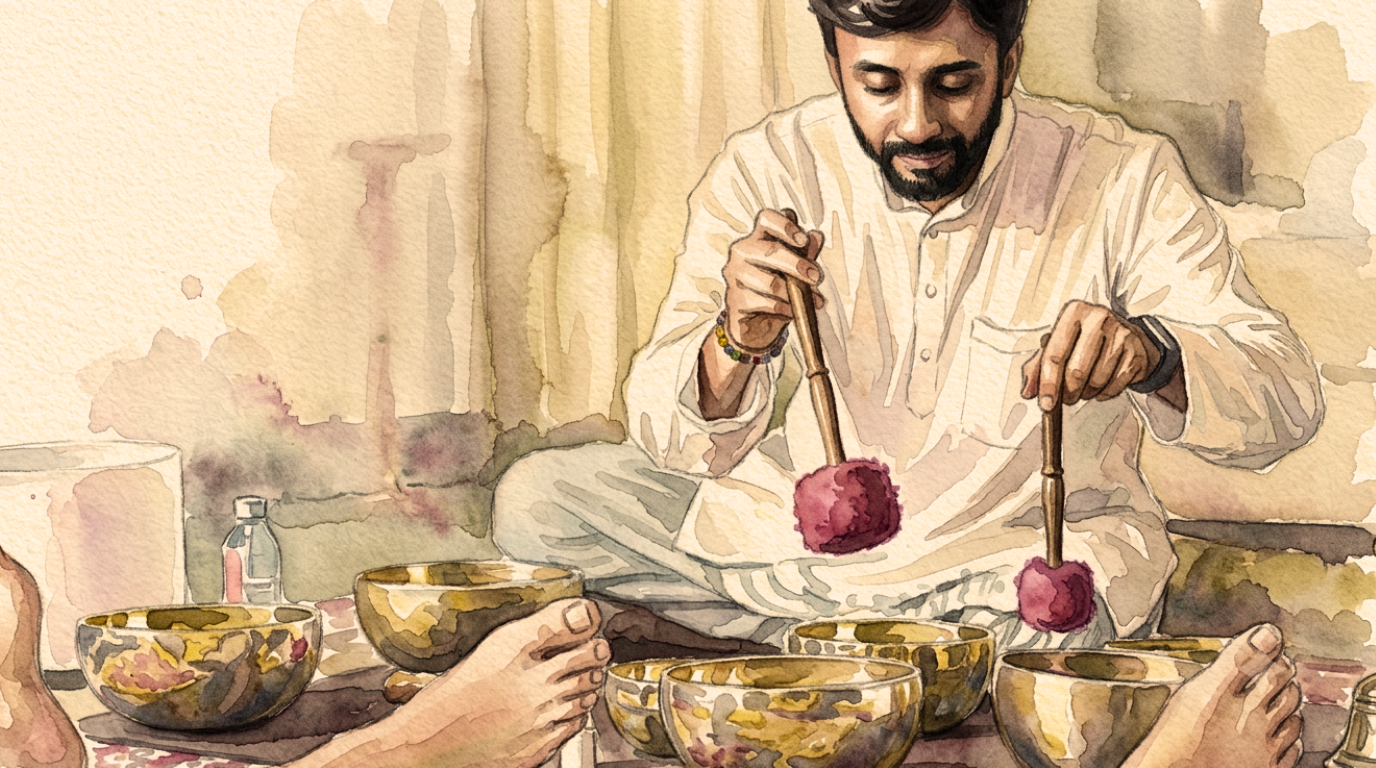
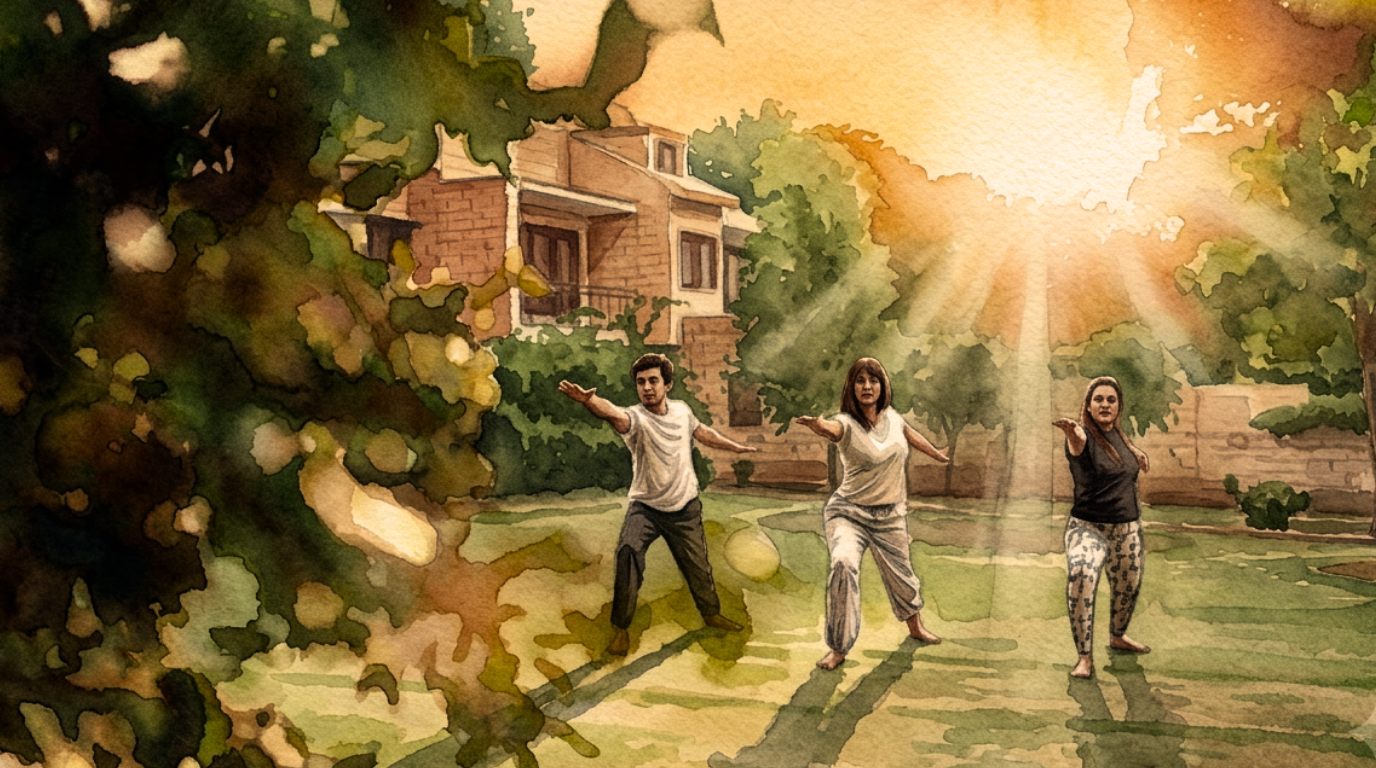
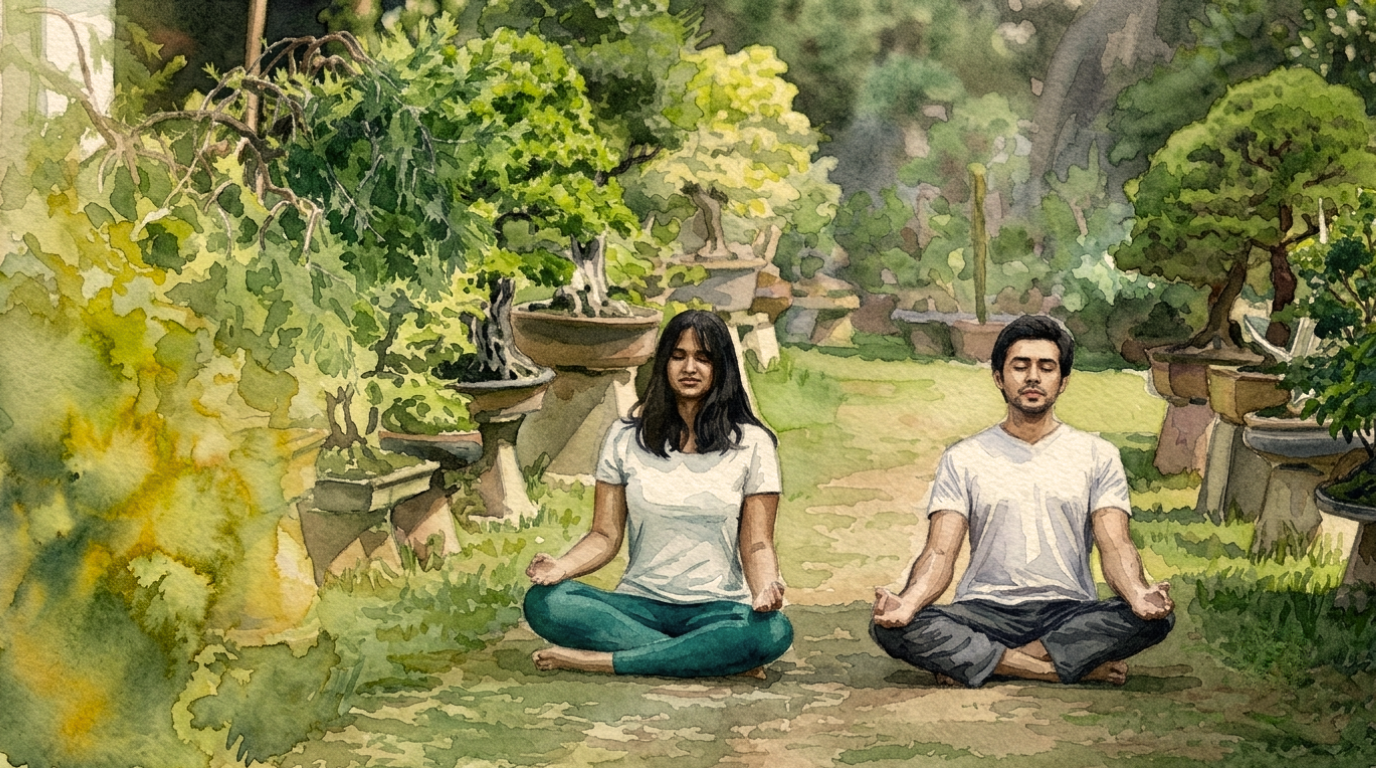
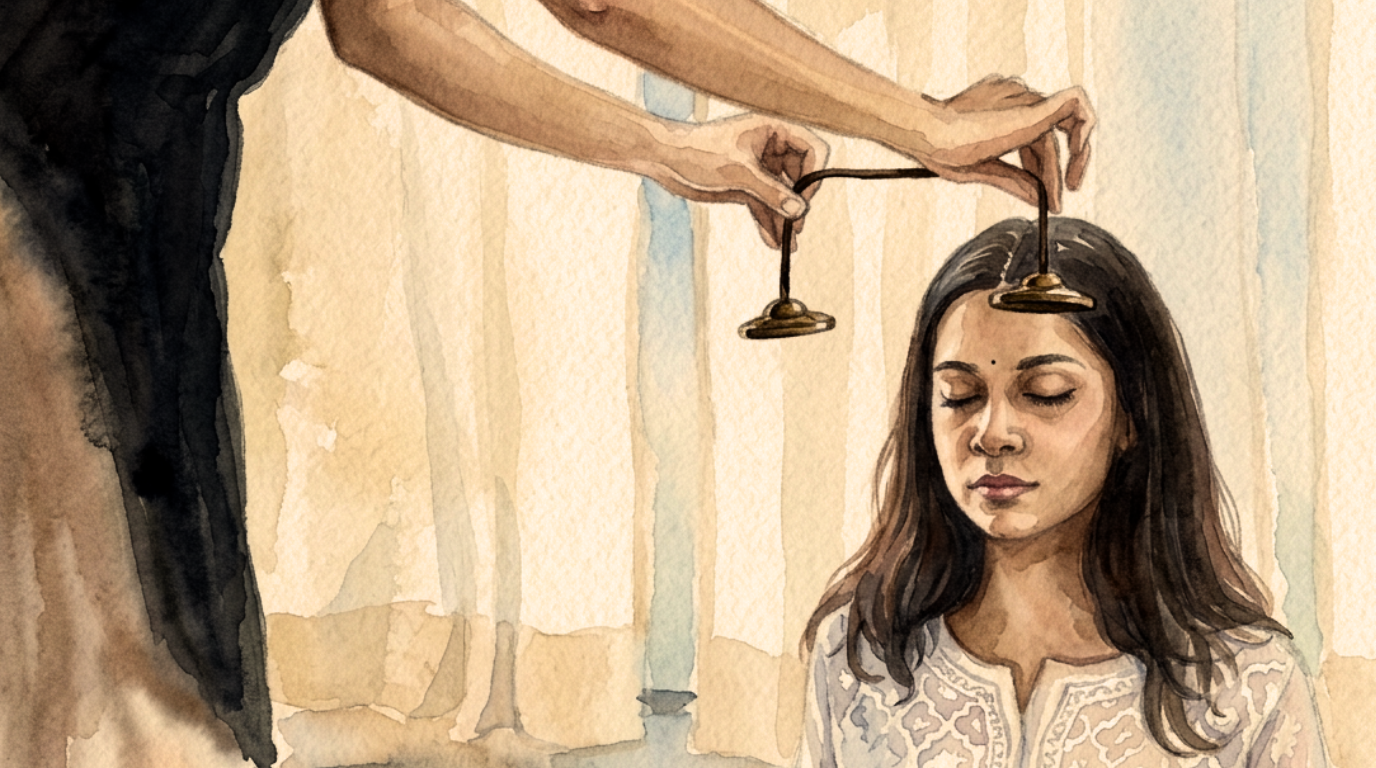
Therapy sits at the core of each day. So do calming practices like yoga and meditation. Creative therapy gives feelings a way out.
Meals are shared and home-style. Eating well is part of healing too. Good food steadies mood and energy.
Sleep gets real attention here. Rest is hard in early recovery. A calm routine helps it return.
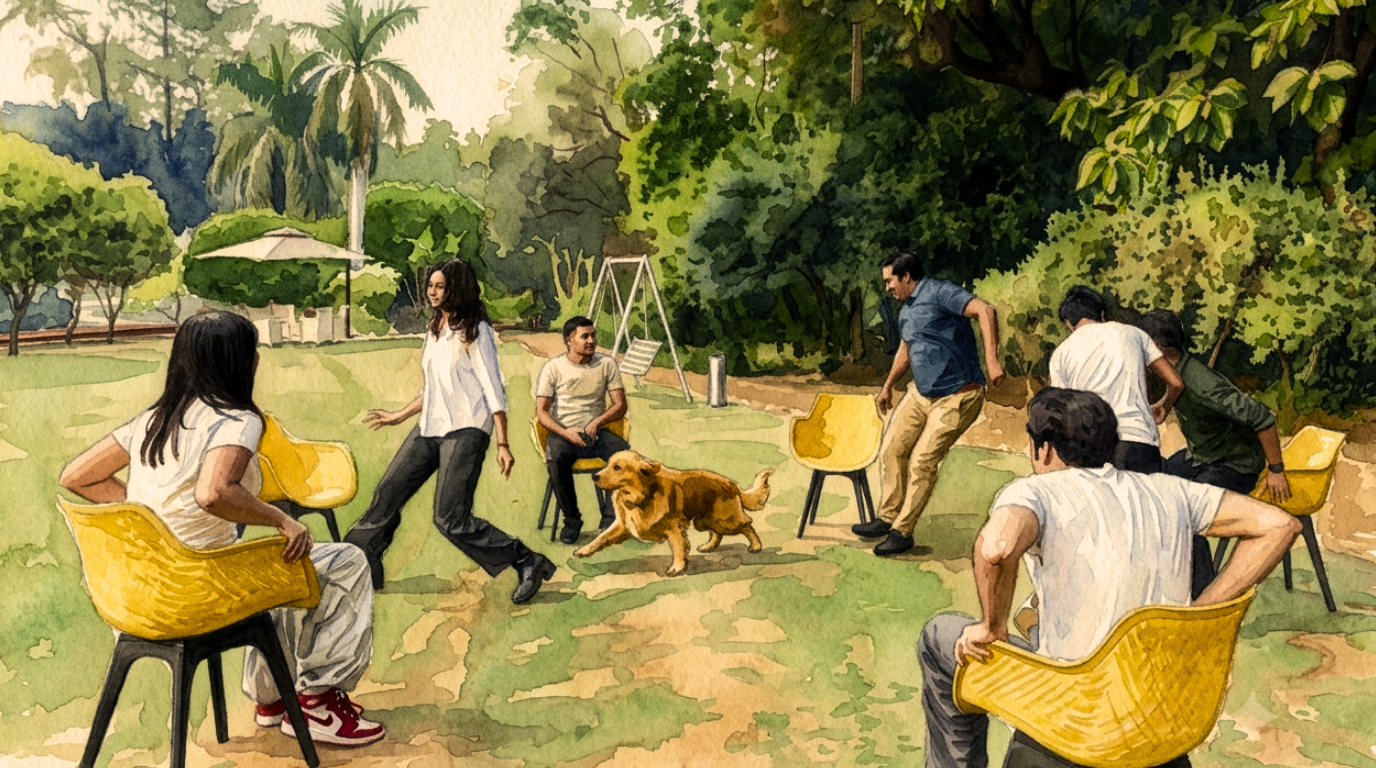
Connection runs through the day as well. People meet others on the same path. That shared ground eases the sense of being alone.
Q: What does a typical day include at Ganaa Chhatarpur? A: Days mix rest, meals, therapy, and movement. You will find structured sessions, quiet time, and group connection. The exact routine is shaped around each person's care plan and stage of recovery.
The goal is simple. A steady day builds a steadier mind.
The Care Model: Modern Science Meets Calm Practice
Treatment here is not one-size-fits-all.
Care is built around the person. After assessment, a tailored plan is set. It can shift as recovery moves forward.
Ganaa blends two worlds. Modern clinical science sits at the centre. Calming, time-tested practices wrap around it.
On the clinical side, talk therapies do heavy work. Evidence-based methods guide each session. A psychiatrist oversees medical care.
On the calming side, yoga and meditation steady the body. These practices ease stress between sessions.
This blend is the Ganaa way. Science treats the condition. Calm practice supports the whole person.
A psychiatrist leads the medical side. Therapists guide the talk work. Nursing staff hold the daily care.
Each role matters in recovery. No single tool does all the work. They work best side by side.
The treatment gap in India makes this care urgent. Most people with a mental condition never reach help. The gap runs between 70% and 92% across disorders. (Source: NMHS, NIMHANS, 2016 — pmc.ncbi.nlm.nih.gov)
A residential setting closes that gap for the person inside. Care is right there, every day.
Q: Is treatment at Ganaa the same for everyone? A: No. Care starts with an assessment, then a tailored plan. Therapy type, program length, and pace are matched to needs. Plans can change as a person recovers. A clinician guides every step.
This model puts the person, not a template, at the centre.
Who Ganaa Chhatarpur Is Built For
Not everyone needs residential care.
Many people do well with outpatient support. They keep working and living at home.
But some need more. Home support runs out. Safety and structure are missing.
Residential rehab fits that gap. It suits people whose daily life is badly affected. It helps when round-the-clock care is the safer path.
Ganaa Chhatarpur supports adults with a range of needs. This includes mood disorders like depression and bipolar disorder. It includes anxiety and trauma.
It also supports substance use and dual diagnosis. Dual diagnosis means a mental health condition and substance use together.
Substance use is a major driver of mental morbidity in India. Alcohol use disorder alone shows a treatment gap near 86%. (Source: NMHS, NIMHANS, 2016 — pmc.ncbi.nlm.nih.gov)
Families seek this care too. A loved one's crisis affects the whole home.
Some signs point clearly to a stay. Sleep and eating fall apart. Work and study become hard to hold.
Risk to self or others is another sign. So is a relapse after outpatient care. These are moments to seek more support.
A first call can help you read the signs. The team listens without judgment. You do not need a label to reach out.
Q: Who is residential rehab in Delhi right for? A: It suits people with mood disorders, anxiety, trauma, substance use, or dual diagnosis. It helps most when daily life is badly affected. It is the right step when home support and outpatient care are not enough.
If that sounds familiar, you are not alone. This is exactly who the centre is built for.
How Ganaa Chhatarpur Compares to Other Ganaa Centres
Ganaa runs more than one centre.
Each has its own character. The care model stays the same across all of them.
Ganaa Chhatarpur is the nature-wrapped option in Chhatarpur. Its five-acre campus is its signature.
Ganaa Delhi also sits in Chhatarpur. It is the budget-friendly facility. The two are separate centres.
Beyond Delhi, the network spreads wider. The table below maps the residential centres.
Ganaa also runs OPD clinics for outpatient care. These serve people who do not need a residential stay.
So why choose Ganaa Chhatarpur? It blends a calm green setting with full Delhi access.
For many families, location is key. Being close means easier visits. It keeps loved ones near through recovery.
The five-acre campus adds real space. Space to walk. Space to breathe. Space to heal at a gentle pace.
Q: How is Ganaa Chhatarpur different from Ganaa Delhi ? A: Both sit in Chhatarpur and follow the same care model. Ganaa Delhi is the budget-friendly facility. Ganaa Chhatarpur is a five-acre nature-wrapped sanctuary. A counsellor can help you pick the right fit.
The choice is rarely about prestige. It is about the setting and support a person needs.
What Recovery Often Looks Like Over a Stay
Recovery is not a straight line.
It moves in stages. Each stage has its own focus.
A stay often starts with stabilising. The first days are about safety and rest. Medical support is closest here.
Next comes the deeper work. Therapy goes to the roots. Skills and coping tools are built.
Then the focus shifts to the future. Relapse prevention takes the lead. Plans for home life take shape.
Ganaa offers programs of 30, 60, and 90 days. The right length depends on the person.
Longer stays give deeper conditions more room. Shorter stays can suit milder needs. A clinician guides the choice.
Aftercare follows the residential stay. Recovery does not stop at the gate. Support continues as a person returns home.
The early home weeks can feel fragile. Old routines and triggers return. A clear plan helps a person hold steady.
Aftercare gives that plan a backbone. It keeps progress from slipping. It turns a stay into lasting change.
Q: How long is a stay at Ganaa Chhatarpur? A: Ganaa offers 30, 60, and 90-day residential programs, plus aftercare. The right length is set after assessment. Deeper conditions often need longer stays. A clinician helps match the program to your needs.
This staged path is the quiet work behind recovery. It is patient by design.
Family, Privacy, and the Human Side of Care
A mental health crisis is rarely a solo event.
It touches the whole family. Parents worry. Partners feel lost. Children sense the strain.
Ganaa serves families, not just patients. Family involvement is part of the care.
Family sessions help repair trust. They teach loved ones how to support recovery. They reduce blame and confusion.
Privacy is protected with care. A stay is a private matter. Dignity is held at every step.
This human side is easy to overlook. But it shapes how recovery feels.
People come to a centre carrying shame. Stigma keeps many from seeking help at all. Warm, respectful care begins to undo that.
Many wait years before asking for help. The treatment gap for common mental disorders is about 85%. Stigma is one big reason why. (Source: NMHS, NIMHANS, 2016 — pmc.ncbi.nlm.nih.gov)
A kind first contact can change that. It tells a person they are safe here. That trust is where real care starts.
Q: Can families stay involved during treatment? A: Yes. Ganaa works with families through sessions and updates. Loved ones learn how to support recovery. Privacy and dignity are protected throughout. Your counsellor explains visit and contact arrangements.
Recovery is rarely walked alone. The family walks part of the path too.
Quick Facts: Mental Health Care in India
- The lifetime prevalence of any mental morbidity in India is about 13.7%.
- The current prevalence of any mental morbidity in India is about 10.6%.
- The treatment gap across disorders runs between 70% and 92%.
- The treatment gap for alcohol use disorder is about 86%.
- About 1 in 8 people worldwide live with a mental disorder.
- Anxiety and depression rose by 25% worldwide in the first pandemic year. .
These numbers tell one story. Need is huge. Care is too often out of reach.
A residential centre helps close that gap, one person at a time.
Taking the First Step Toward Ganaa Chhatarpur
Choosing residential care is a brave move.
It often follows a long, tiring stretch. You may feel unsure. That is normal.
Ganaa Chhatarpur offers a calm place to begin again. A five-acre campus in Chhatarpur. Care that runs day and night.
The setting is gentle. The care is built around the person. The blend of science and calm practice is the Ganaa way.
You do not have to figure it all out first. A single call can start the process. The team explains the rest.
There is no pressure on a first conversation. You can ask about the stay, the programs, and family involvement. You can compare Ganaa centres together.
A tailored plan is set only after assessment. Your needs lead the way, not a template.
If a loved one is struggling, you can call on their behalf. Families do this every day.
Help that feels human is worth seeking. A calm campus is part of that. So is care built around the person.
Recovery often starts with one quiet step. This can be it.
Speak to a Ganaa admissions counsellor to learn more. Or visit ganaa.in to explore the programs. A calmer chapter may be closer than it feels.
FAQ
Q: Where is Ganaa Chhatarpur located? A: It sits in Chhatarpur, in south Delhi. It is a five-acre residential campus wrapped in greenery. It is reachable from across Delhi NCR by road. The nearest delhi metro is Chhatarpur.
Q: What does Ganaa Chhatarpur treat? A: The centre supports adults with psychiatric conditions and substance use. This includes depression, anxiety, bipolar disorder, and dual diagnosis. Care is delivered in a residential setting with round-the-clock support.
Q: What programs are offered at Ganaa Chhatarpur? A: Ganaa runs residential programs of 30, 60, and 90 days, plus aftercare. Care blends modern therapy with calming nature-based routines. The right length depends on a person's needs after assessment.
Q: How is Ganaa Chhatarpur different from Ganaa Delhi ? A: Both centres are budget-friendly facility. Ganaa Chhatarpur is a five-acre nature-wrapped sanctuary. A counsellor can help you choose between them.
Q: Who is residential rehab in Delhi right for? A: It suits people whose daily life is badly affected by a mental health or substance use condition. It helps when home support is not enough. Round-the-clock care offers safety and structure.
Q: How do I enquire about admission to Ganaa Chhatarpur? A: You can speak to a Ganaa admissions counsellor or visit ganaa.in. The team explains the assessment, the stay, and family involvement. There is no pressure to commit during a first call.
Q: Can families visit and stay involved during treatment? A: Yes. Ganaa serves families, not just patients. Family sessions and updates are part of the care model. Your counsellor will explain visit and contact arrangements.
Mindfulness-based therapy cuts depression relapse risk in recurrent cases. Here is what MBCT is, what the trials found, and how the eight weeks actually run.
Eating disorders in India hide behind praise for discipline and thinness. Learn the early warning signs, what to say, and how treatment actually works.
High functioning anxiety hides behind good work and a calm face. Learn the hidden signs, what the body does, and when coping turns into the problem itself.



.webp)