Sleep and Mental Health: Why Recovery Starts at Night
Poor sleep and mental health feed each other. Learn how insomnia, depression and sleep hygiene connect, plus simple steps to rebuild rest tonight.
Sleep and Mental Health: Why Recovery Starts at Night
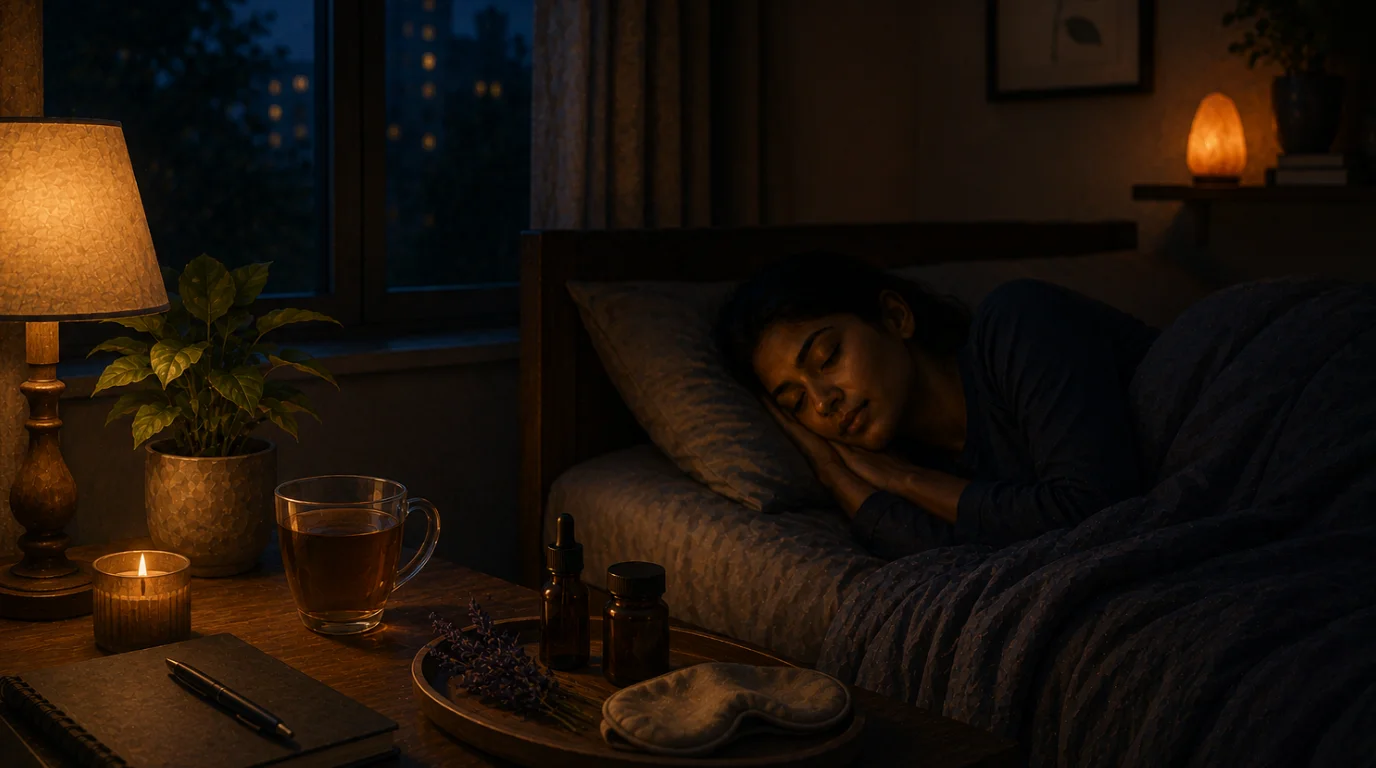
Your mind heals while you sleep. Not after.
Each night your brain sorts memories. It calms the stress system. It resets mood for the day ahead. When that work is cut short, the next day feels heavier.
Sleep and mental health are tied together. One shapes the other. Lose sleep, and your mood, focus and patience all dip. Sit with low mood or worry, and sleep slips further away.
This is not a minor issue. It is a daily one. Most adults need at least seven hours of sleep, the CDC notes (Source: CDC, 2024 cdc.gov/sleep). Many never reach it.
In India, the gap is wide. Sleep often comes last in a busy life. Work runs late. Phones glow past midnight. Worry keeps the mind loud.
So recovery starts at night. Not in a clinic alone. In your bedroom, your routine, your wind-down.
This guide is for you. Whether you struggle to fall asleep, wake at 3 a.m., or care for someone who does.
We will look at how rest and the mind connect. Why insomnia and depression travel together. What sleep hygiene really means. And the simple steps that help you sleep again.
Let us begin where healing begins. At night.
How Sleep Shapes Your Mind Each Night
Sleep is active work, not idle time.
While you rest, your brain runs in stages. Light sleep. Deep sleep. Dream sleep. Each stage has a job.
Deep sleep repairs the body. Dream sleep sorts emotion and memory. Skip these, and the next day feels foggy.
Mood depends on this nightly reset. A tired brain reads small problems as big ones. The stress system stays switched on.
There is hard data here. Adults who sleep six hours or less are about 2.5 times more likely to report frequent mental distress (Source: CDC, 2024 cdc.gov/sleep).
Short sleep also tracks with low mood. One large adult study found depression far higher in short sleepers than in those with healthy sleep (Source: PLOS ONE, 2025 ncbi.nlm.nih.gov).
The brain pays this debt with interest. Focus drops. Temper frays. Joy fades.
There is also a chemical side. Sleep helps balance the brain chemicals that steady mood. Lose sleep, and that balance tips.
Stress hormones rise when sleep is short. Cortisol stays high into the morning. The body feels on edge before the day begins.
Decision-making suffers too. A tired brain weighs risk poorly. Small choices feel hard.
This is why sleep and mental health cannot be split. They are one system. Treat sleep as care, not as a luxury.
Good rest is not about being lazy. It is about being well.
Q: Why do I feel low after a bad night?
A: Short sleep raises stress hormones and dulls mood control. Your brain skips the dream sleep that sorts emotion. One bad night can lift, but many in a row can pull mood down for weeks.
Why Insomnia and Depression Travel Together
Insomnia and depression rarely arrive alone.
They feed each other. Poor sleep deepens low mood. Low mood then breaks sleep further. The loop tightens night by night.
Doctors see this link often. Disturbed sleep is an early warning sign of depression. It often comes before the low mood, not after.
The numbers are striking. Among psychiatric outpatients in one Indian study, 83.4 percent had a sleep problem. 78.2 percent had insomnia symptoms (Source: Asian Journal of Psychiatry, 2017 pubmed.ncbi.nlm.nih.gov). Severe insomnia was more likely when the diagnosis was depression.
This matters for care. Treat depression but ignore sleep, and relapse risk stays high. Sleep is part of the cure, not a side note.
The reverse is also true. Long insomnia raises the risk of a future depressive episode. Sleep loss can be a cause, not just a symptom.
Anxiety joins the pattern too. A racing mind at night makes rest feel out of reach. The body stays alert when it should switch off.
The same holds in bipolar disorder. Sleep loss can trigger mood swings. Steady sleep helps keep mood level.
It matters in recovery from substance use as well. Withdrawal often wrecks sleep. Rebuilding rest supports the whole recovery.
So we treat the pair together. Better sleep can ease low mood. Lifting mood can restore rest.
This is hope, not just warning. If you fix sleep early, you change the path.
Q: Does insomnia cause depression, or the other way around?
A: It runs both ways. Long-term insomnia raises the risk of depression. Depression also breaks sleep. Because the link is two-way, treating sleep early can protect mood and reduce relapse.
Sleep Disorders in India: A Hidden Burden
Sleep disorders in India are common but quiet.
Most people never name the problem. They call it stress, age or "just how I am". So clinics see only a fraction of cases.
The research tells a fuller story. One Indian study found chronic insomnia in about 33 percent of the adults sampled (Source: Indian J Med Res / PubMed, 2017 pubmed.ncbi.nlm.nih.gov). That is roughly one in three.
Older adults carry an even heavier share. An India study found high insomnia rates among older people, with low treatment-seeking (Source: PMC, 2025 ncbi.nlm.nih.gov).
Work patterns add load. A national ageing study found sleep disorders linked to age and certain jobs (Source: LASI / PMC, 2024 ncbi.nlm.nih.gov). Night shifts and irregular hours raise the risk.
City life adds pressure. Long commutes. Late screens. Bright rooms. Each one chips away at rest.
Stigma plays a role too. Many fear that sleep trouble means weakness. So they stay quiet and suffer.
Cost and access also block care. Sleep clinics are few outside big cities. Many people never reach one.
India still lacks a national sleep plan. Experts have urged one, since poor sleep harms health on a wide scale (Source: National Medical Journal of India, 2023 nmji.in).
The cost is not only tired days. Poor sleep raises the risk of heart disease, weight gain and low mood.
You are not weak for struggling. You are part of a large, often unseen group. And help does exist.
Q: Are sleep problems really that common in India?
A: Yes. Pooled research suggests about one in four Indian adults has insomnia. Many cases go unreported, so the real load is likely higher. Sleep problems are common, treatable and worth naming.
What Sleep Hygiene Actually Means
Sleep hygiene sounds clinical. It is not.
It simply means the daily habits that protect rest. Small, steady choices that cue your body to sleep.
These habits matter because the body runs on rhythm. A clock inside you tracks light and dark. Steady habits keep that clock on time.
Here are the core sleep hygiene steps:
A fixed wake time is the strongest anchor. It sets the whole rhythm. Wake at the same hour and sleep tends to follow.
Light is the next lever. Morning sun tells the brain to start the day. Evening dimness tells it to wind down.
Try ten minutes of outdoor light each morning. A short walk works well. The brain learns the rhythm fast.
Screens work against this. Bright blue light at night delays sleep. Your brain reads it as daylight.
Set a screen curfew if you can. Put the phone in another room. The bed should not become a desk.
None of this is about perfection. It is about pattern. Most nights, most habits, most weeks.
Food and drink play a part too. Heavy meals late at night disturb rest. So does alcohol, which fragments sleep.
Movement helps as well. Daytime activity deepens night sleep. But hard workouts late at night can keep you wired.
A wind-down ritual signals the brain. A warm shower. A few pages of a book. Slow breathing for a minute.
Sleep hygiene will not fix every disorder alone. But it builds the base that all other care stands on.
Start with one habit. Hold it for two weeks. Then add the next.
Q: Which sleep hygiene habit should I start first?
A: Start with a fixed wake time. It anchors your body clock more than any other step. Pair it with morning light. Within two weeks, many people fall asleep faster and wake more rested.
Caregivers and the Family Side of Sleep
Sleep loss is rarely a solo problem.
When one person cannot sleep, the home feels it. A partner wakes too. A parent worries. The whole house grows tired.
Caregivers carry a hidden weight. Caring for someone unwell often steals their own rest. Tired carers then struggle to cope.
This is common and real. Long caregiving strain links to low mood, anxiety and burnout. Poor sleep sits at the centre of it.
Families can help in simple ways. Protect a quiet, dark room. Keep a steady routine. Lower noise and light at night.
Talk gently, not anxiously. Pressure to sleep makes sleep harder. A calm home does more than a strict one.
Watch for warning signs in a loved one. Long sleeplessness. Deep withdrawal. Talk of hopelessness. These need professional care, not just patience.
Model good sleep yourself. Children and partners follow what they see. A calm bedtime spreads through a home.
The reverse helps too. Supporting a loved one's sleep can lift the whole family's mood. Rest is shared healing.
Caregivers must guard their own rest too. You cannot pour from an empty cup. Sleep is not selfish. It is fuel.
If sleep loss in your home runs deep, reach out. A clinician can guide both patient and family.
Q: How can families support better sleep at home?
A: Keep a calm, dark, quiet room and a steady routine. Avoid pressuring anyone to sleep, as pressure backfires. Watch for long sleeplessness or low mood, and seek professional help when those signs persist.
How Poor Sleep Harms the Whole Body
Sleep does more than rest the mind.
It guards the heart, the weight and the immune system. Lose it often, and the body pays.
The links are well studied. Insufficient sleep raises the risk of anxiety, depression, obesity and heart disease (Source: NHLBI, 2022 nhlbi.nih.gov).
Mood is the first to slip. A tired brain controls emotion poorly. Small stress feels large.
But the cost spreads wider. Poor sleep affects blood pressure and blood sugar. Over years, this strains the heart.
Weight is part of the chain too. Short sleep shifts hunger signals. You crave more, eat more, move less.
The immune system also suffers. Tired bodies fight infection less well. Rest is part of healing from illness.
Memory takes a hit as well. Sleep locks in what you learn. Without it, recall grows shaky.
Daytime safety is at risk too. Drowsy driving causes real harm. Tired focus raises accident risk at work.
This is why doctors treat sleep as vital, not optional. It touches every system you depend on.
The good news is steady. Restore sleep, and many of these risks drop. The body is built to recover.
So caring for sleep is caring for your whole self. Heart, mood and mind alike.
Sleep is not time lost. It is time invested.
Q: Does poor sleep affect more than mood?
A: Yes. Long-term poor sleep raises the risk of heart disease, weight gain and weak immunity. It also worsens anxiety and depression. Better sleep helps protect both body and mind over time.
Treatments That Help You Sleep Again
You do not have to live with broken sleep.
Real treatments exist. Many work without medication. The first step is naming the problem.
The gold standard is CBT-I. That means cognitive behavioural therapy for insomnia. It is the first-line treatment most experts advise.
CBT-I works on two fronts. It retrains sleep habits. It also calms unhelpful thoughts about rest.
The results are strong. A meta-analysis found CBT improved both insomnia and depression in people who had both (Source: PMC, 2020 ncbi.nlm.nih.gov). So one therapy can ease two problems.
CBT-I has clear parts:
Medication has a place too. But it is usually short-term, and always doctor-led. It treats symptoms, not the root.
Sleeping pills are not a long-term fix. Used too long, they can lose effect. Some also bring next-day grogginess.
That is why CBT-I is the safer first choice. Its gains last after therapy ends. It builds skills, not dependence.
Underlying conditions need care as well. Depression, anxiety or apnoea each change the plan. That is why a proper check matters.
Mind-body tools also help. Slow breathing calms the stress system. Gentle yoga eases a tense body before bed.
Meditation can quiet a racing mind. Even ten minutes can lower bedtime worry. These tools support therapy, not replace it.
A clinician can find the real cause. Then build a plan around it. Self-help is good, but expert care goes deeper.
If poor sleep has lasted weeks, it is time to ask for help. Rest is a goal you can reach.
Q: What is the best treatment for long-term insomnia?
A: CBT-I, cognitive behavioural therapy for insomnia, is the first-line treatment. It retrains habits and eases worry about sleep. It can also reduce depression linked to insomnia, often without long-term medication.
When Sleep Problems Need Professional Care
Some sleep trouble passes on its own. Some does not.
Knowing the difference protects you. A few bad nights are normal. A long pattern is not.
See a doctor if poor sleep lasts more than three weeks. Or if it disrupts work, mood or safety.
Certain signs need faster help. Loud snoring with pauses may signal apnoea. Deep low mood may signal depression.
The link to mood is key. Depression affects a large share of people worldwide and often disturbs sleep (Source: WHO, 2023 who.int). Sleep care and mood care belong together.
In India, prevalence data confirm the load. The National Mental Health Survey found measurable rates of depressive and anxiety disorders across the country (Source: NMHS / Indian J Psychiatry, 2017 ncbi.nlm.nih.gov). Many of these conditions disturb sleep.
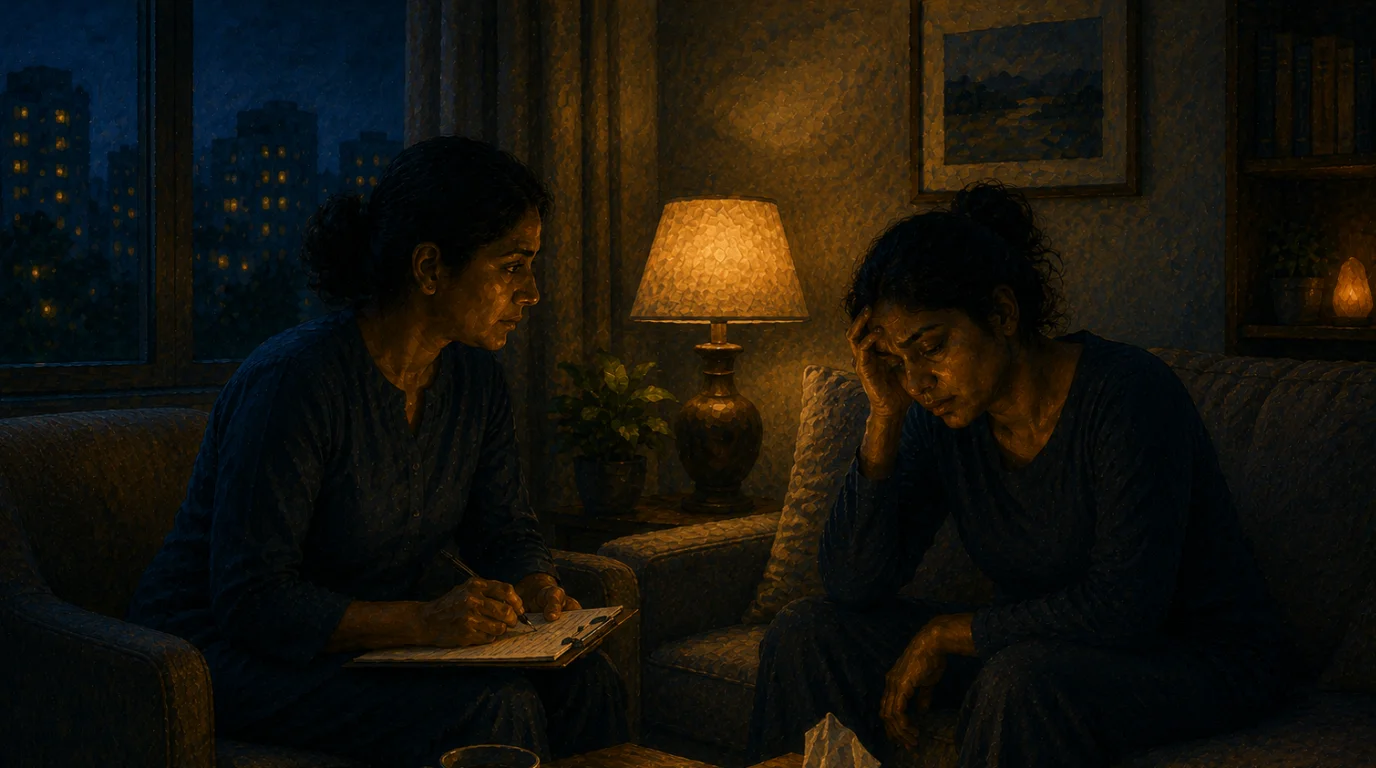
A psychiatrist or sleep clinician can help. They look for the root cause, not just the symptom.
Care may include therapy, lifestyle change or short-term medication. The plan fits the person, not a formula.
A sleep diary can help your doctor. Note your bedtime, wake time and night wakings. Patterns often reveal the cause.
Do not wait for a crisis to act. Early care is simpler and faster. The longer poor sleep runs, the harder the loop.
Asking for help is not weakness. It is the fastest route back to rest.
You deserve nights that restore you. And mornings that feel lighter.
Q: When should poor sleep be treated by a professional?
A: Seek help if poor sleep lasts more than three weeks or harms daily life. Loud snoring with pauses, deep low mood or panic also need review. A clinician can find the cause and guide treatment.
Quick Facts: Sleep and Mental Health in India
- One Indian study found chronic insomnia in about 33 percent of adults sampled
- Among Indian psychiatric outpatients, 83.4 percent had a sleep problem and 78.2 percent had insomnia symptoms
- Adults sleeping six hours or less are about 2.5 times more likely to report frequent mental distress
- Most adults need at least seven hours of sleep each night
- Insufficient sleep raises the risk of anxiety, depression, obesity and heart disease
- The National Mental Health Survey found measurable rates of depression and anxiety across India .
How Ganaa Supports Sleep and Mental Health Recovery
Good sleep is not a side goal at Ganaa. It is part of the plan.
Ganaa is a residential mental health and rehabilitation brand in India. We have cared for people since 2012. In 2026 we merged with Mindvriksha.
We treat the whole person. That includes the nights, not just the days.
Our care blends two worlds. Modern clinical tools like CBT and DBT. Calming practices like yoga, meditation and Ayurveda.
This matters for sleep. Therapy retrains rest. Calm settings make rest easier. Both work together.
We run five residential centres across India. Ganaa Delhi I and Ganaa Delhi II in New Delhi. Ganaa Gurugram in Haryana. Ganaa Goa by the river in the south. And Ganaa Greater Noida.
We also run three day clinics. These are at Faridabad, Greater Kailash and Greater Noida. They suit those who do not need a residential stay.
Our programs flex to the person. We offer 30, 60 and 90-day residential care. Aftercare then supports the journey home.
Support runs day and night. Our settings are calm and nature-based by design. Rest is part of the healing space.
If sleep and low mood have taken hold, you are not alone. A tailored plan can help you rebuild rest and mood together.
Speak to a Ganaa admissions counsellor to learn more. Or visit ganaa.in to explore our programs and centres.
Conclusion: Healing Begins at Night
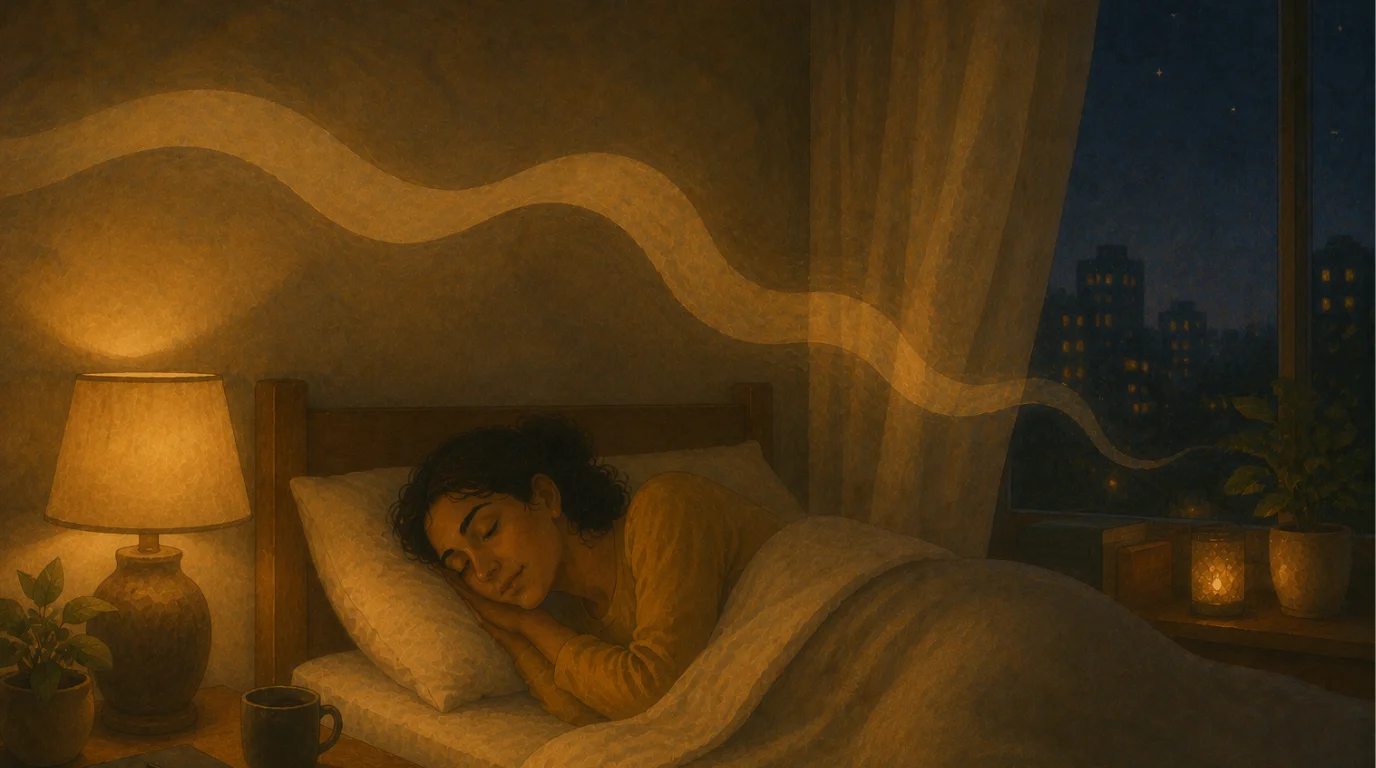
Recovery does start at night.
Your brain repairs, sorts and resets while you sleep. Lose that work, and mood, focus and health all slip.
Sleep and mental health are one system. Insomnia and depression travel together. Treat one, and you often help the other.
The path forward is clear. Build steady sleep hygiene. Protect a fixed wake time. Dim the night and seek the morning light.
When self-help is not enough, reach for expert care. CBT-I is a proven first step. A clinician can find the deeper cause.
For families, the message is gentle. Calm homes help rest. Watch for warning signs. And guard your own sleep too.
This is hopeful work. Small changes add up. Good nights build good days.
You do not have to face broken sleep alone. Help exists, and rest is within reach.
Start tonight. Set a wake time. Dim the lights. Let your mind begin to heal.
Because recovery, in the truest sense, starts in the dark, quiet hours of the night.
FAQ
Q: How are sleep and mental health linked? A: Sleep and mental health move together. Poor sleep can trigger low mood, anxiety and slow thinking. In turn, depression and stress make sleep harder. The link runs both ways, so treating one often helps the other.
Q: Can poor sleep cause depression? A: Poor sleep does not cause depression alone. But long-term insomnia raises the risk. Disturbed sleep often comes before a depressive episode. That is why doctors treat sleep early, not last.
Q: How much sleep do adults need for good mental health? A: Most adults need at least seven hours of sleep each night, as advised by the CDC. Both too little and too much sleep are linked to worse mood. A steady seven-to-nine-hour window suits most people.
Q: What is sleep hygiene? A: Sleep hygiene means daily habits that protect rest. A fixed wake time, less screen light at night and a calm wind-down all count. These habits cue your body that sleep is near.
Q: How common are sleep disorders in India? A: Sleep disorders in India are widely under-reported but common. Research suggests insomnia affects close to one in three adults in some studies. Many people never seek help, so the true load is likely higher.
Q: What treatment works best for insomnia? A: Cognitive behavioural therapy for insomnia, called CBT-I, is the first-line treatment. It retrains sleep habits and unhelpful thoughts about rest. It can also ease depression that travels with poor sleep.
Q: When should I see a doctor about sleep? A: See a doctor if poor sleep lasts more than three weeks. Also seek help if low mood, panic or daytime fatigue grows. A psychiatrist or sleep clinician can find the root cause and guide care.
Bipolar misdiagnosed as depression is common, and the delay runs close to nine years. Learn the clues, why hypomania is missed, and how to get a better review.
Adolescent mental health in India is under-treated. Learn 11 warning signs parents miss, what the data shows, how to start the talk, and when to seek help.
Gaming disorder in teens is a real diagnosis, not a phase. Learn the WHO criteria, how common it is, the signs parents miss, and what actually works at home.







.webp)