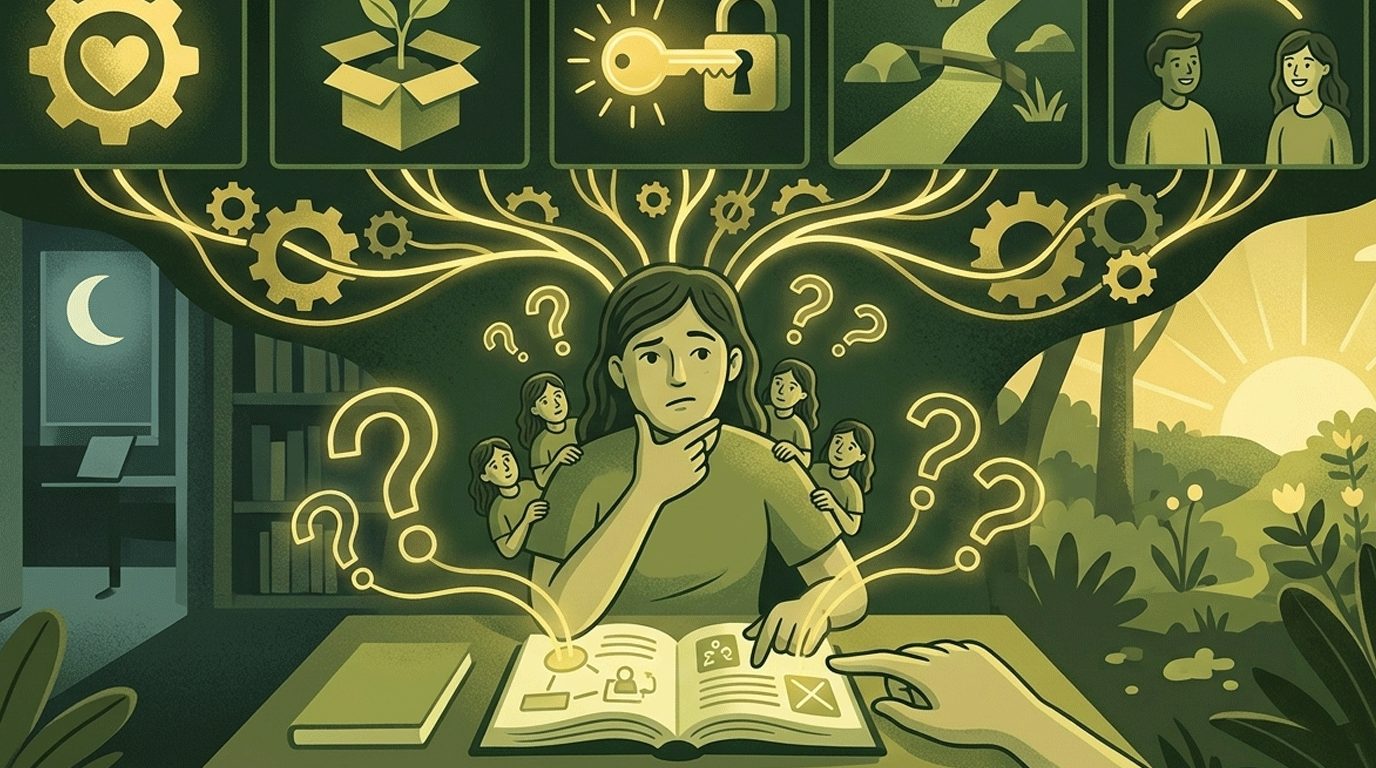
When to Seek Help from a Mental Health Psychiatrist
Mental health struggles rarely appear overnight. Compassionate psychiatric support and structured healing environments help individuals regain stability and emotional wellbeing.
When to See a Mental Health Psychiatrist: 8 Signs You Should Not Ignore
Most people do not reach out early enough.
They wait. They tell themselves it is just stress. They manage for a few weeks, then a few months. By the time they finally see a mental health psychiatrist, the difficulty has already taken a real toll on their work, their relationships, and their daily life.
This guide is for people who are asking the question: is this serious enough to get help?
We will cover what a mental health psychiatrist actually does. We will go through 8 signs that it is time to reach out. And we will explain what happens when you do.
If you are unsure how mental health conditions develop or when support becomes necessary, this guide on understanding bipolar disorder and how structured recovery works explains how symptoms evolve and why early intervention matters.
At Ganaa, we have supported people through mental health challenges since 2012. Our centres in Delhi NCR and Goa are built on one belief. People heal best in safe, calm, and well-structured spaces.
What a Mental Health Psychiatrist Actually Does
Let us clear this up first.
A mental health psychiatrist is a medical doctor. They have completed an MBBS degree and then specialised in psychiatry through an MD or DPM programme. That medical background is what sets them apart from other mental health professionals.
Because of that training, a psychiatrist can do something counsellors and psychologists cannot. They can diagnose psychiatric conditions. And they can prescribe medication when it is part of the right plan.
Psychologists and counsellors offer therapy and emotional support. They are skilled at working through thought patterns, behaviour, and emotional challenges. A psychiatrist can do that too. But they also bring clinical assessment and, where needed, medication management into the picture.
Think of it this way. If your emotional distress has a biological or neurological dimension, a psychiatrist is equipped to work at that level. In many cases, the most effective plan involves both a psychiatrist and a therapist working alongside each other, which is why many modern mental health treatment options in India combine therapy, medication, and structured care rather than relying on a single approach.
Q: Is a psychiatrist the same as a psychologist?
A: No. A psychiatrist is a medical doctor who can diagnose conditions and prescribe medication. A psychologist holds a psychology degree and focuses on therapy and behaviour. Neither is better than the other. They often work together as part of the same care plan.
Why So Many People Wait Too Long
In India, the gap between when symptoms begin and when someone gets help is significant.
The National Mental Health Survey of India, conducted by NIMHANS in 2015-16, found that 10.6% of adults in India currently have a mental disorder. The treatment gap across different conditions ranges from 70% to 92%. That means the vast majority of people who need care are not receiving it.
India has around 0.75 psychiatrists per 1,00,000 people, compared to the WHO recommendation of at least 3 per 1,00,000.
Many families still see psychiatric care as something for extreme cases only. There is a common belief that emotional distress should be managed privately, or that it will pass with rest or time.
Cultural explanations also play a role. Many people attribute what they are experiencing to stress, life circumstances, or spiritual causes. These beliefs are not wrong on their own. But they can delay care that would genuinely help.
And delay has a cost. Not just emotionally. Functioning at work, at home, and in relationships declines. Patterns set in. What might have been easier to address early becomes harder the longer it is left.
Q: Is it weak to see a psychiatrist?
A: No. Reaching out to a mental health psychiatrist is a practical decision, the same way you would see a specialist for a physical health concern. Psychiatric struggles are medical in nature. Asking for help is a sign of awareness, not weakness.
At least half of those with a mental disorder report disability across work, social, and family life
8 Signs It Is Time to See a Mental Health Psychiatrist
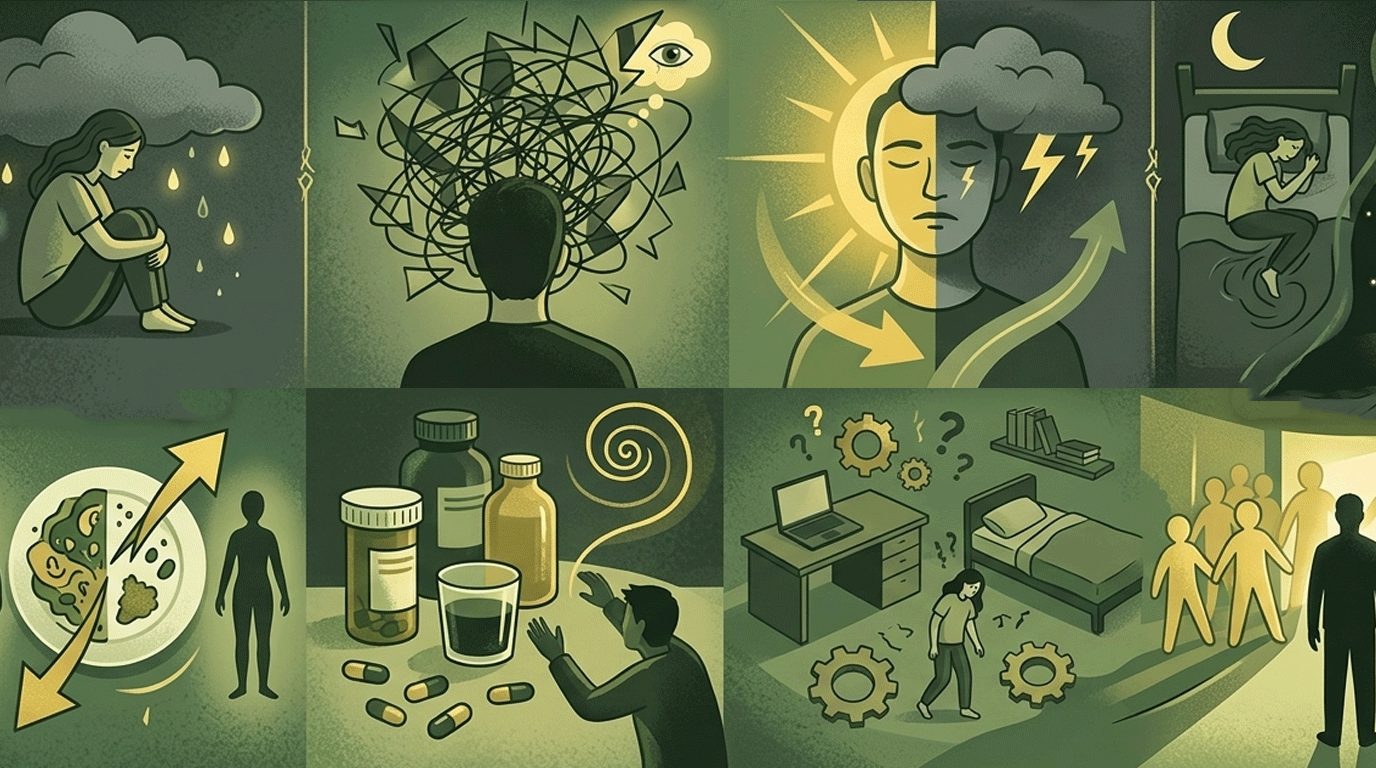
There is no single moment that signals the right time. But there are clear patterns. If several of the following apply to you or someone you care about, speaking to a mental health psychiatrist is a reasonable and important next step.
Sign 1: Emotional Distress That Has Lasted More Than Two Weeks
Sadness, anxiety, irritability, and low mood are part of being human. They become a concern when they do not lift.
If you have been persistently low, anxious, emotionally numb, or unable to feel pleasure for more than two weeks, and this is not clearly tied to a passing event, it is worth taking seriously.
The two-week mark is not arbitrary. It is one of the key clinical thresholds used to assess whether someone's experience may indicate a diagnosable condition rather than situational distress.
Waiting for it to pass on its own without seeking support allows patterns to deepen. The earlier these are addressed, the more options are available.
Sign 2: Changes in Sleep, Appetite, or Energy That Will Not Resolve
Disrupted sleep is one of the most consistent early signs that something deeper is happening, and in conditions like mood disorders sleep disruption is one of the strongest triggers for worsening episodes.
This includes difficulty falling asleep, waking repeatedly through the night, sleeping far more than usual, or waking up exhausted regardless of how long you slept. Changes in appetite, whether a complete loss of interest in food or compulsive eating, are equally significant. So is an unexplained, persistent drop in energy that makes even simple tasks feel enormous.
These are not minor inconveniences. They reflect changes in how the brain is regulating core bodily functions. Sleep disruption in particular is one of the most reliable triggers for worsening episodes of depression and anxiety.
A mental health psychiatrist is trained to assess these as clinical signs, not just lifestyle issues.
Sign 3: Daily Functioning Has Started to Break Down
Everyone has hard days. But when difficulty becomes consistent, it is a signal.
Struggling to concentrate. Missing deadlines. Pulling back from responsibilities at home. Finding it harder to connect with people you care about. When your mental state starts shaping how you function in the world, that is functional decline. And functional decline is one of the clearest indicators that professional support is needed.
It means the difficulty has moved beyond internal experience. It is now affecting your actual life.
Sign 4: You Are Withdrawing from People and Social Situations
Pulling away from friends, family, and social situations often feels like a relief in the short term. Especially when everything feels overwhelming.
But sustained withdrawal deepens distress. The brain interprets prolonged isolation as a form of threat. Stress hormones rise. Anxiety and depression worsen. The isolation that felt protective starts to trap you further.
If you or someone close to you has been progressively withdrawing, declining plans, and avoiding connection over weeks or months, this pattern is worth raising with a mental health psychiatrist.
Sign 5: Mood Is Shifting in Ways That Feel Hard to Explain or Control
If the people around you have noticed changes in your personality, behaviour, or emotional responses that feel out of character, that external view matters and should not be dismissed.
These patterns require a careful psychiatric evaluation to understand properly. They are also treatable when identified correctly.
Sign 6: You Are Using Alcohol or Substances to Cope
Using alcohol, substances, or other behaviours to manage emotional pain is a common response to distress. It is also a warning sign.
Over time, this pattern tends to worsen the underlying emotional difficulty while adding a layer of dependence that creates its own problems. It becomes a loop that feeds itself.
A mental health psychiatrist can evaluate both the substance use and the emotional state driving it. This dual-lens approach matters. Addressing one without the other rarely leads to lasting improvement.
Sign 7: Thoughts of Self-Harm or a Sense That Things Will Never Improve
This is not a warning sign to wait on.
Thoughts of self-harm, a feeling that life has no purpose, or a persistent sense of hopelessness about the future are signs that immediate psychiatric support is needed. These experiences are serious. They are also treatable. And they do not have to be faced alone.
If you or someone you know is experiencing these thoughts, reaching out to a mental health psychiatrist or a crisis helpline is the right step.
Sign 8: Previous Support Has Stalled or Stopped Working
If you have been working with a counsellor or therapist and the progress has plateaued, or if you were on medication previously and stopped without a clear plan, a psychiatric consultation can help reassess where things stand.
Recovery is not linear. It often requires adjustments. A mental health psychiatrist brings a clinical perspective that can identify what is not working and why, and help chart a more useful path forward.
This is not failure. It is one part of a process that sometimes needs recalibration.
What Happens When You See a Mental Health Psychiatrist?
Many people put off the first appointment simply because they do not know what to expect. Here is what typically happens.
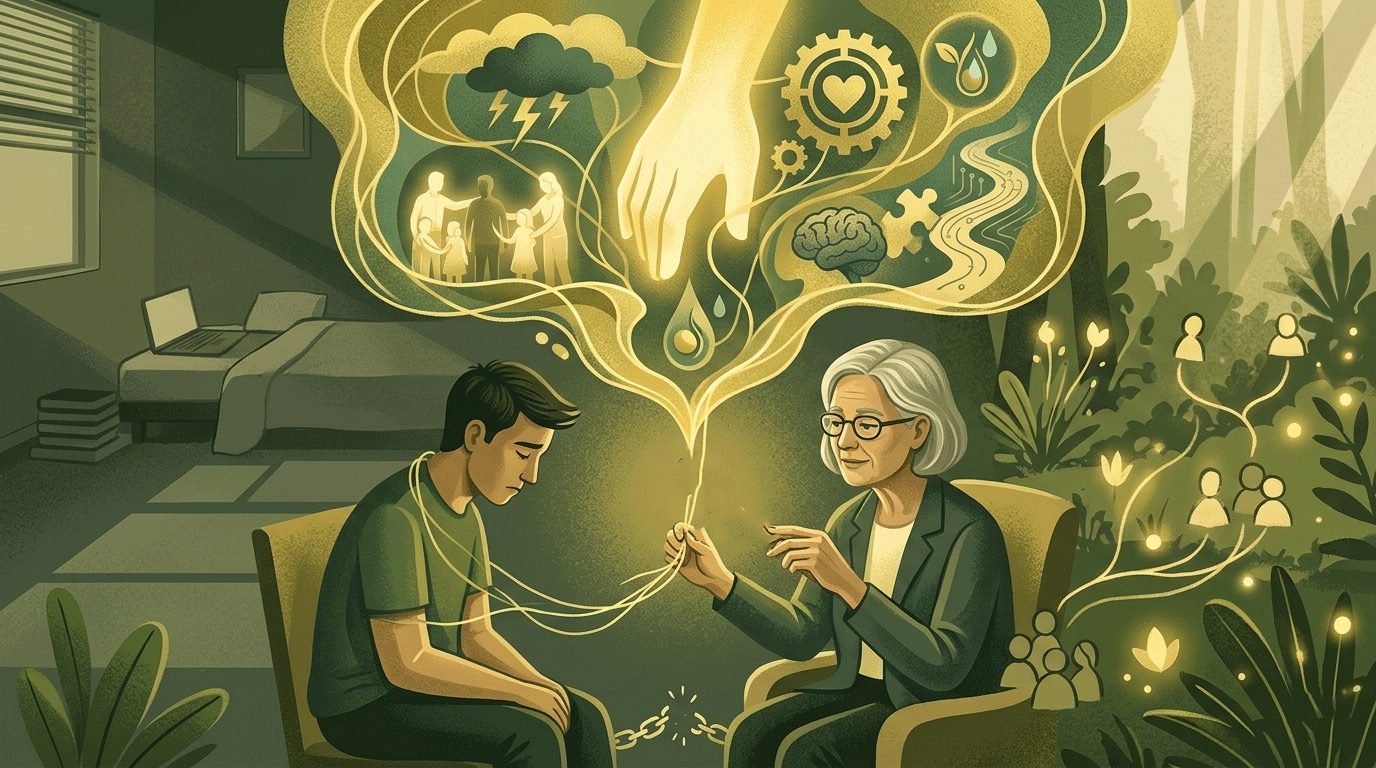
The first session is a comprehensive evaluation. The psychiatrist will ask about your current symptoms, when they started, how they are affecting your daily life, your mental health history, any previous treatment, your family background, and your general health.
This is a conversation, not an interrogation. The psychiatrist is trying to understand the full picture so the right support can be put in place. The more openly you can share, the more useful the assessment will be.
In some cases, psychometric assessments may be used. These are structured tools that help clarify the nature and severity of what you are experiencing. They are useful instruments, not judgements.
Q: Will a psychiatrist automatically put me on medication?
A: Not necessarily. Medication is one option, not a default. A mental health psychiatrist evaluates your specific situation and discusses the choices with you. For some conditions, therapy alone is effective. For others, a carefully monitored combination works best. The decision is made together.
When a Structured Environment May Help
For most people, outpatient consultations with a mental health psychiatrist alongside regular therapy are sufficient.
But for some, the environment itself is part of what needs to change.
This becomes relevant when the home setting is a source of ongoing stress. When basic routines have broken down. When substance use is involved alongside a psychiatric condition. When daily functioning has declined to the point where managing alone is not possible.
A structured residential rehabilitation setting provides distance from what is triggering the distress and creates the kind of daily rhythm described in this guide on the healing power of routine in mental health recovery.
It builds rhythm into each day. It places professional support around the person at all hours. It creates the conditions in which real recovery becomes possible.
This is not hospitalisation. It is a calm, structured, supported space designed to give healing the conditions it needs.
How Ganaa Supports This Journey
We have been running mental health rehabilitation centres since 2012. Our centres support people experiencing mood disorders, anxiety conditions, trauma, psychotic conditions, dual diagnosis, burnout, and emotional breakdown.
We are not a hospital. We are a structured rehabilitation environment. And we believe lasting recovery requires more than a consultation. It requires safety, structure, professional support, and the involvement of the people closest to the person.
What Our Care Includes
Comprehensive psychiatric evaluations and assessments
Medication management with ongoing monitoring and psychoeducation so people understand their own care
Individual psychotherapy including Cognitive Behavioural Therapy and trauma-focused approaches
Group therapy that builds shared understanding and reduces the isolation that deepens distress
Creative and somatic therapies including art-based and body-focused work
Family counselling delivered with cultural sensitivity at every step
Structured daily routines covering sleep hygiene, nutrition, and digital wellness
Relapse prevention planning and continued aftercare well beyond the residential phase
Our Locations
Our five centres across India:
Delhi NCR
Ganaa Nature, Dera Mandi, New Delhi
Ganaa Door of Hope, Chhatarpur, New Delhi
Ganaa Xanadu, Sector 46, Gurugram
Ganaa Noida, Sector 27, Greater Noida
Goa
Ganaa Velim, South Goa (riverside campus)
Each centre provides 24/7 professional support in calm, nature-based settings designed for reflection and recovery.
Conditions That Benefit from Psychiatric Support
A mental health psychiatrist can support individuals experiencing:
Mood disorders such as depression and bipolar disorder
Anxiety conditions including generalised anxiety, OCD, and panic disorder
Trauma and post - traumatic stress
Schizophrenia and other psychotic conditions
Dual diagnosis, meaning co - occurring mental health and substance use conditions
Severe burnout or emotional breakdown that has resulted in functional decline
And it is worth noting that psychiatric support is not reserved for extreme situations. Many people find that a consultation during a period of significant stress, a difficult life transition, or recurring anxiety helps them understand what they are experiencing and find a path forward.
Q: Do I need a referral to see a mental health psychiatrist?
A: In most private settings in India, no. You can contact a mental health centre or rehabilitation facility directly. A general physician may recommend a psychiatrist, but a formal referral is not always required to make an appointment.
What If You Are Worried About Someone Else?
Family members and close friends are often the first to notice that something is wrong. The person themselves may be too deep in distress to see it clearly, or may be resisting help because of stigma or fear.
If you are watching someone you care about withdraw, decline, struggle with substances, or speak with hopelessness, your concern is valid.
Research consistently shows that family involvement improves outcomes in mental health recovery, particularly in long-term conditions like bipolar disorder where family understanding can significantly reduce relapse risk.
You do not need to have all the answers. A mental health professional can guide the conversation. Reaching out on behalf of someone is always a reasonable first step.
How Families Can Help Without Overstepping
Listen without rushing to offer solutions or judgements
Use "I" statements to express concern rather than alarm
Encourage professional support without framing it as a crisis or failure
Learn about the condition your loved one is navigating
Look after your own emotional wellbeing through the process
Signs That More Structured Support Is Needed
Many people try to manage through weekly therapy or self-directed care alone. For some, that is enough.
For others, a period of structured, live-in care makes a real difference.
Signs that more structured support may be needed:
Symptoms have not improved despite outpatient treatment
Daily life, work, or relationships are badly affected
There has been a recent crisis or a period in hospital
There is a co - occurring substance use issue
The current home setting is unsafe or a sustained source of distress
Seeking more structured support is not a step backward. It is a recognition that the current plan is not enough, and that something better is available. Getting that support earlier almost always leads to better outcomes.
Frequently Asked Questions
Q: What does a mental health psychiatrist do?
A: A mental health psychiatrist assesses, diagnoses, and treats psychiatric conditions. They conduct detailed evaluations, create personalised treatment plans, manage medication when clinically appropriate, and work alongside therapists and families to support long-term recovery.
Q: When should I see a mental health psychiatrist instead of a counsellor?
A: If your symptoms are persistent, severe, or affecting daily functioning, if medication may be needed, or if previous counselling has not produced improvement, a psychiatric evaluation is the right next step.
Q: Can I see a mental health psychiatrist online?
A: Yes. Telepsychiatry is widely available across India. Online consultations work well for initial assessments and medication reviews. For complex or severe conditions, in-person or residential care is generally more appropriate.
Q: Is psychiatric medication addictive?
A: Psychiatric medications are not inherently addictive. When prescribed and monitored by a qualified psychiatrist, they are intended to support stability. A psychiatrist will explain how and why any medication is being recommended, and will monitor its effects throughout.
Q: What if my family does not support me seeking psychiatric help?
A: This is a common challenge in India. You can begin by speaking to a mental health professional on your own. Many rehabilitation environments also offer family psychoeducation sessions, which help families understand the condition and become part of the recovery process.
Q: Can children and teenagers see a mental health psychiatrist?
A: Yes. Child and adolescent psychiatry is a recognised specialisation. Early support for young people experiencing emotional, behavioural, or developmental challenges makes a meaningful difference to long-term outcomes.
Q: Is residential rehabilitation the same as a psychiatric hospital?
A: No. A psychiatric hospital handles acute crises and short-term stabilisation. Residential rehabilitation focuses on structured recovery, rebuilding daily functioning, and long-term stability in a calm, supported setting with ongoing clinical oversight.
You Do Not Have to Wait for a Crisis
The right time to reach out to a mental health psychiatrist is not when things have become unbearable.
It is when you notice something is consistently wrong. When daily life feels harder than it should. When you or someone you love is not improving on their own.
Treatment can begin before patterns become entrenched. Families can be involved before relationships are stretched to breaking. People return to their lives with skills and stability, rather than simply trying to hold on.
At Ganaa, our centres across Delhi NCR and Goa are built to provide exactly this kind of early, compassionate, structured support. We treat the whole person. Every person who comes to us deserves dignity, clarity, and a genuine path forward.
If you or someone you care about is showing signs that professional support may help, reach out. A conversation is always the right place to start.
Bipolar misdiagnosed as depression is common, and the delay runs close to nine years. Learn the clues, why hypomania is missed, and how to get a better review.
Adolescent mental health in India is under-treated. Learn 11 warning signs parents miss, what the data shows, how to start the talk, and when to seek help.
Gaming disorder in teens is a real diagnosis, not a phase. Learn the WHO criteria, how common it is, the signs parents miss, and what actually works at home.