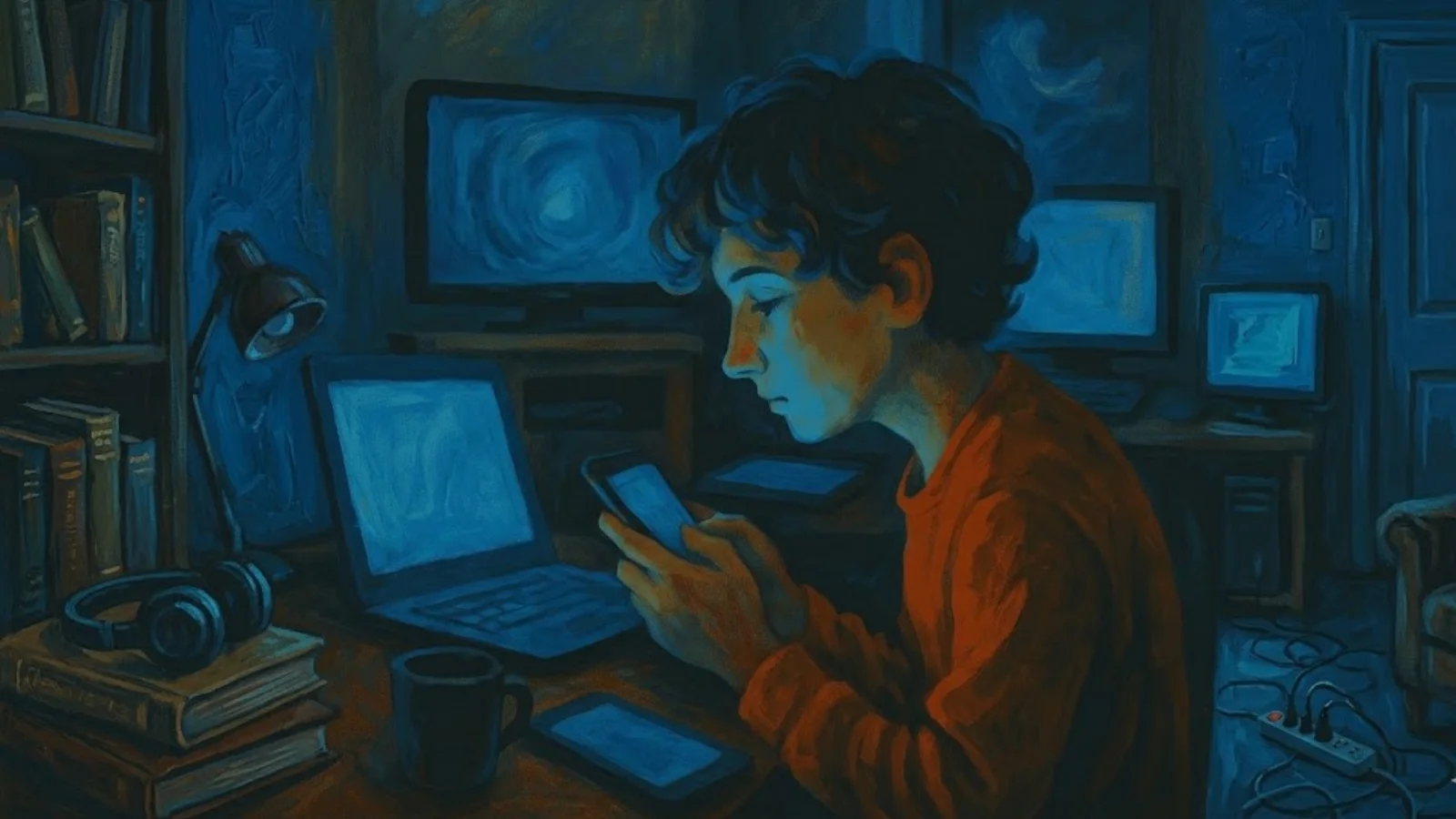
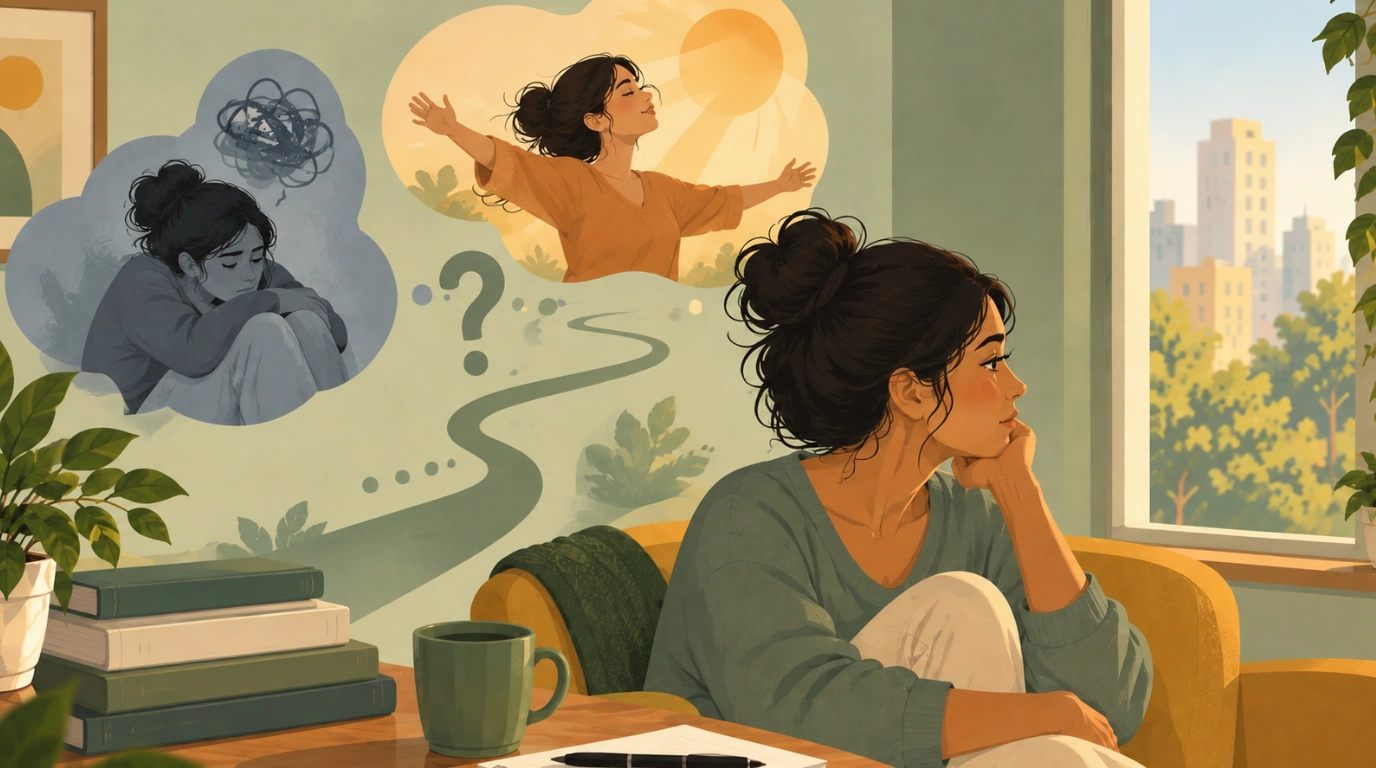
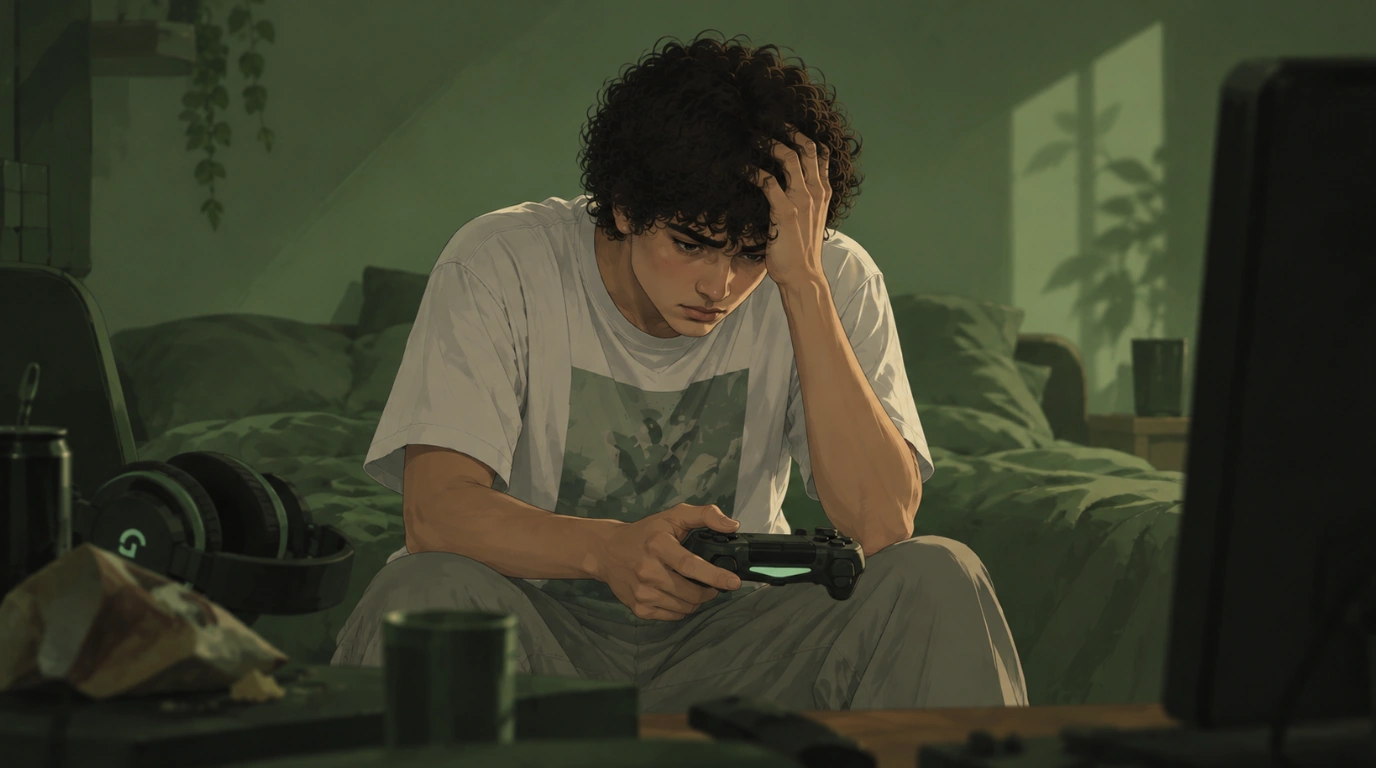
In today's hyperconnected world, screens are everywhere—our phones, laptops, TVs, tablets, gaming consoles, and even smartwatches compete for our attention every second. What began as a convenient source of information and entertainment has evolved into something deeper and far more concerning: screen addiction.
For many individuals and families, screen use is no longer a harmless pastime—it has become a dependency affecting emotional health, relationships, sleep, productivity, and overall well-being.
At Ganaa Rehabilitation & Wellness, we see this growing problem every day, and we believe it's time India begins addressing screen addiction with the seriousness it deserves.
What Is Screen Addiction?
Screen addiction is a behavioural addiction in which a person becomes excessively dependent on digital devices for stimulation, escape, or emotional regulation. It includes:
- Smartphone addiction
- Social media addiction
- Gaming disorder
- Video streaming dependency
- Compulsive internet use
- Online gambling or shopping addiction
Screen addiction activates the brain's reward system the same way substance addictions do. They trigger repeated dopamine spikes that reinforce compulsive behaviour.
Why Screen Addiction Is Rising So Fast
Social media likes, messages, notifications, and game rewards are designed to give quick dopamine hits that keep you coming back for more.
There is no natural "stop point" online. Infinite scrolling, auto-play, and personalised feeds make it easy to lose hours without realising it.
Screens offer distraction from stress, loneliness, conflict, or boredom, making them a coping tool for overwhelming emotions.
Fear of missing out keeps people hyper-connected, constantly refreshing feeds or checking updates.
- 5. Hybrid work and schooling
Post-pandemic, digital devices have become essential for daily functioning, blurring the boundaries between work, study, and leisure.
Early Signs of Screen Addiction
Recognising the symptoms early can prevent long-term harm. Common warning signs include:
- Feeling anxious or irritated when away from devices
- Inability to limit screen time
- Loss of interest in offline activities
- Sleep disruption due to late-night screen use
- Constant need to check notifications
- Declining academic or work performance
- Social withdrawal
- Headaches, eye strain, and fatigue
- Using screens to numb emotions
If these symptoms sound familiar, you're not alone—millions struggle with them.
How Screen Addiction Affects Mental Health
Excessive screen use is linked to several emotional and psychological issues:
- 1. Anxiety & restlessness
Constant alerts and online comparison cycles elevate stress and create emotional overwhelm.
Research shows heavy social media and gaming use correlates with higher rates of depression, especially in teens and young adults.
- 3. Poor focus & attention
Fast-paced digital content trains the brain to seek immediate stimulation, reducing patience and concentration.
Blue light exposure delays melatonin release, making it harder to fall asleep and stay asleep.
- 5. Impulse control issues
Compulsive checking becomes a behavioural loop, making it harder to set limits or disconnect.
Impact on Children and Adolescents
Children's brains are still developing, making them far more vulnerable to screen dependency. Excessive use can lead to:
- Irritability and emotional dysregulation
- Poor social skills
- Reduced outdoor play
- Decline in academics
- Aggression linked to gaming
- Difficulty forming healthy attention patterns
At Ganaa, we often meet parents who realise too late that screen time has slowly been replacing connection, curiosity, and real-world engagement in their children's lives.
When Entertainment Turns Into Dependency
The shift from healthy screen use to addiction is subtle:
Entertainment → Habit → Dependence → Compulsion
People often start with harmless activities:
- A few reels before bed
- A short gaming break
- Checking emails during meals
But over time, the brain begins craving more stimulation, pushing the individual into a cycle where they seek screens not for enjoyment, but for relief.
Treating Screen Addiction at Ganaa
At Ganaa Rehabilitation & Wellness, we approach screen addiction with the same seriousness as any other behavioural addiction. Our treatment includes:
- 1. Comprehensive Psychological Assessment
Understanding behavioural patterns, emotional triggers, and coexisting conditions like anxiety, ADHD, or depression.
- 2. Digital Detox Planning
We help individuals reset screen habits gradually with structured routines.
- 3. CBT (Cognitive Behavioural Therapy)
To break compulsive cycles and rebuild emotional regulation.
- 4. Mindfulness & Stress Reduction
Techniques to regain calm, focus, and body-mind connection.
Education for parents and partners to support recovery.
For individuals who connect well with structured peer support.
- 7. Relapse Prevention Planning
Because sustainable change needs long-term strategies, not short-term fixes.
The Goal: Balance, Not Elimination
Screen addiction recovery isn't about banning devices. it's about restoring healthy boundaries, self-control, and emotional balance. Our focus is to help individuals reclaim:
- Productivity
- Mental clarity
- Emotional stability
- Presence in relationships
- Confidence in real-world interactions
Screens should serve you, not control you.
Your Recovery Starts with the Right Step
At Ganaa Rehabilitation and Wellness, we know that screen addiction is real, common, and treatable.
- Call or WhatsApp us at +91 8750075006 today.
- Visit Ganaa.in to book your consultation or learn more.
- Let's build a future of healing—together, from anywhere in India.