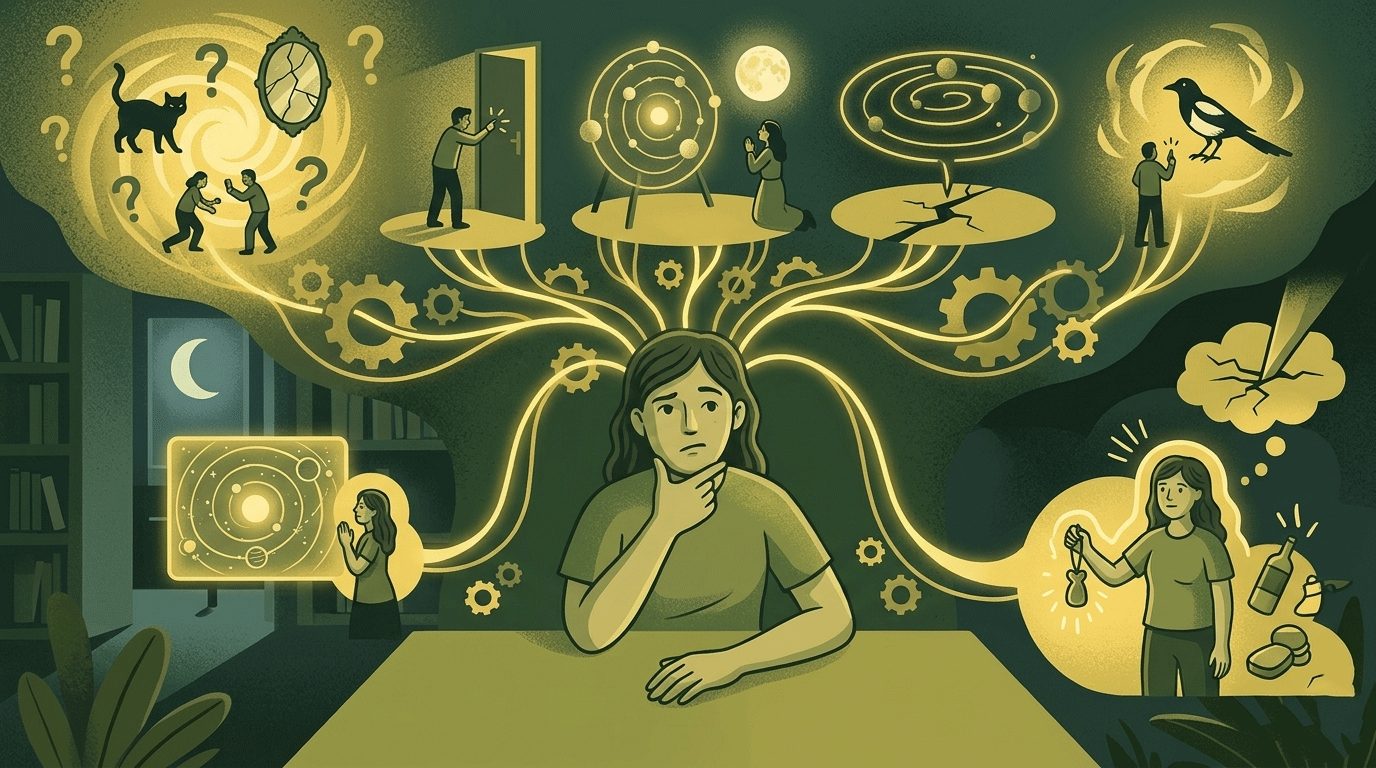
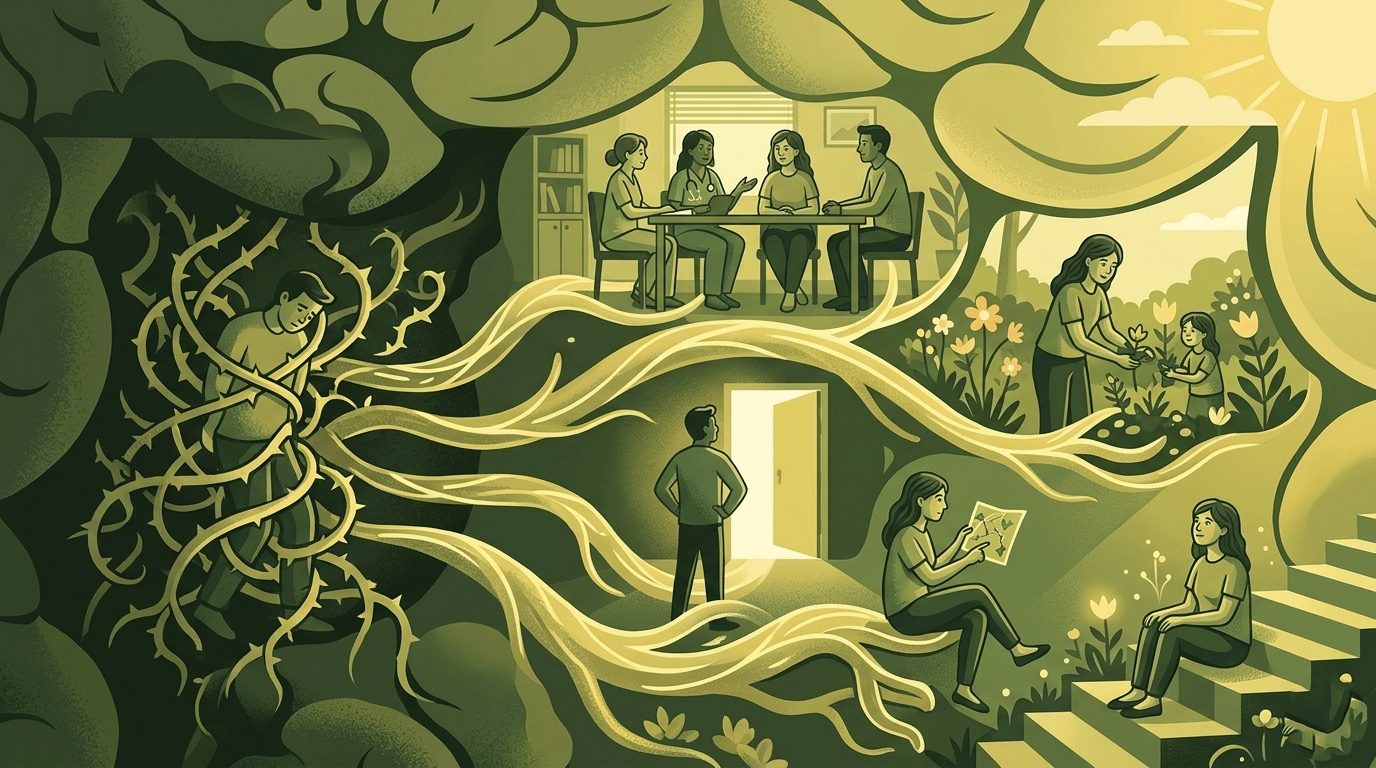
Early signs of schizophrenia can appear gradually through changes in behavior, sleep, emotions, and thinking. Timely support can improve recovery, stability, and long-term wellbeing.
Early Warning Signs of Schizophrenia: 12 Symptoms to Watch For
Schizophrenia does not arrive all at once.
It builds. Slowly. A shift in mood. A change in sleep. A sense that something is wrong — but no name for it.
Many families spend months this way. Sometimes years. They see the signs. They feel the shift. But they do not know what they are looking at.
The truth is — schizophrenia symptoms can start long before a full crisis. This early window is called the prodromal phase. It is the best time to act. And yet most people miss it.
This blog covers 12 early warning signs to watch for. What they look like in real life. Why they matter. And what to do next.
What Is Schizophrenia and Why Early Action Matters
Schizophrenia is a serious brain condition.
It changes how a person thinks, feels, and sees the world. It can affect anyone. It does not pick based on background, class, or culture.
It is not a split mind. That is a myth. It is a disorder of thought and perception. It can cause false beliefs, hearing voices, and a loss of touch with reality.
It tends to start in late teens or early adulthood. In men, onset is often between 18 and 25. In women, it tends to be between 25 and 35. (Source: NIMH — nimh.nih.gov/health/statistics/schizophrenia)
The condition is more common than most people think.
Up to 75% of people go through a prodromal phase before full psychosis begins. (Source: Wikipedia citing GBD/WHO data — en.wikipedia.org/wiki/Schizophrenia)
Because during the prodromal phase, care is still possible. Before the first break. Before things spiral. Before the person loses ground they may take years to recover.
The window is real. Knowing what to look for is the first step.
Q: What is the prodromal phase?
A: It is the period before full psychosis starts. It can last weeks or years. Early schizophrenia symptoms appear in mild forms during this time. Acting in this phase leads to better outcomes.
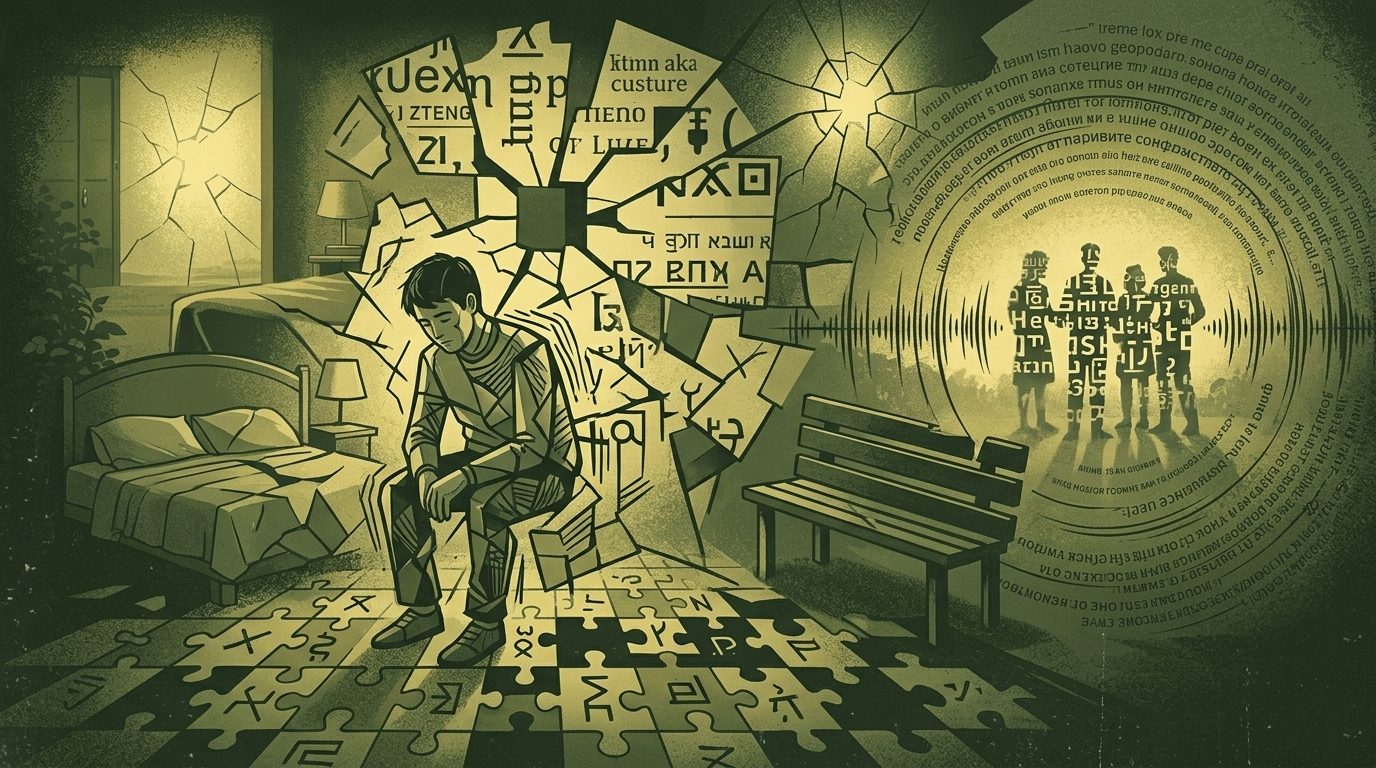
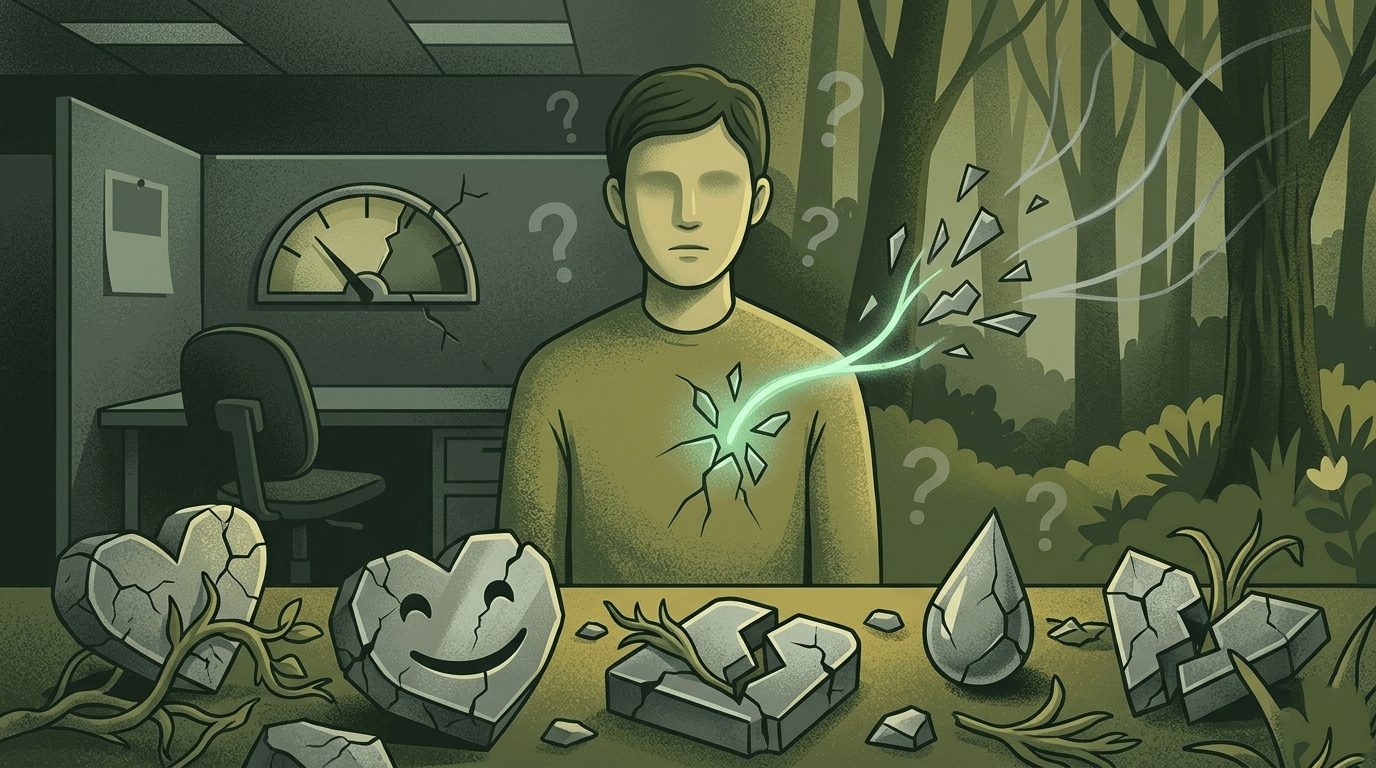
Sign 1: Social Withdrawal
This is often the first thing families notice. And the first thing they explain away.
The person stops seeing friends. Skips family meals. Spends more and more time alone. And seems glad to be left alone.
This is not shyness. It is a marked shift from how they used to be.
Think about what "before" looked like. Did they used to call friends? Make plans? Show up? If that has changed — and no clear event explains it — take note.
They may give vague reasons. Or none at all. Attempts to include them are met with silence or a sharp no.
In early schizophrenia, pulling away often comes from inside. The world starts to feel loud. Strange. Unsafe. Being alone feels like the only relief.
It is not a personal rejection of the people around them. It is a response to something going on inside their head. Something they may not yet have words for.
The concern grows when the withdrawal deepens. Weeks become months. The person stops going out at all. They lose touch with people they once cared about.
Q: Is social withdrawal always a sign of schizophrenia?
A: Not always. It can come from stress, grief, or low mood. But when it shows up alongside other changes — odd beliefs, flat mood, broken sleep — it becomes a signal worth acting on.
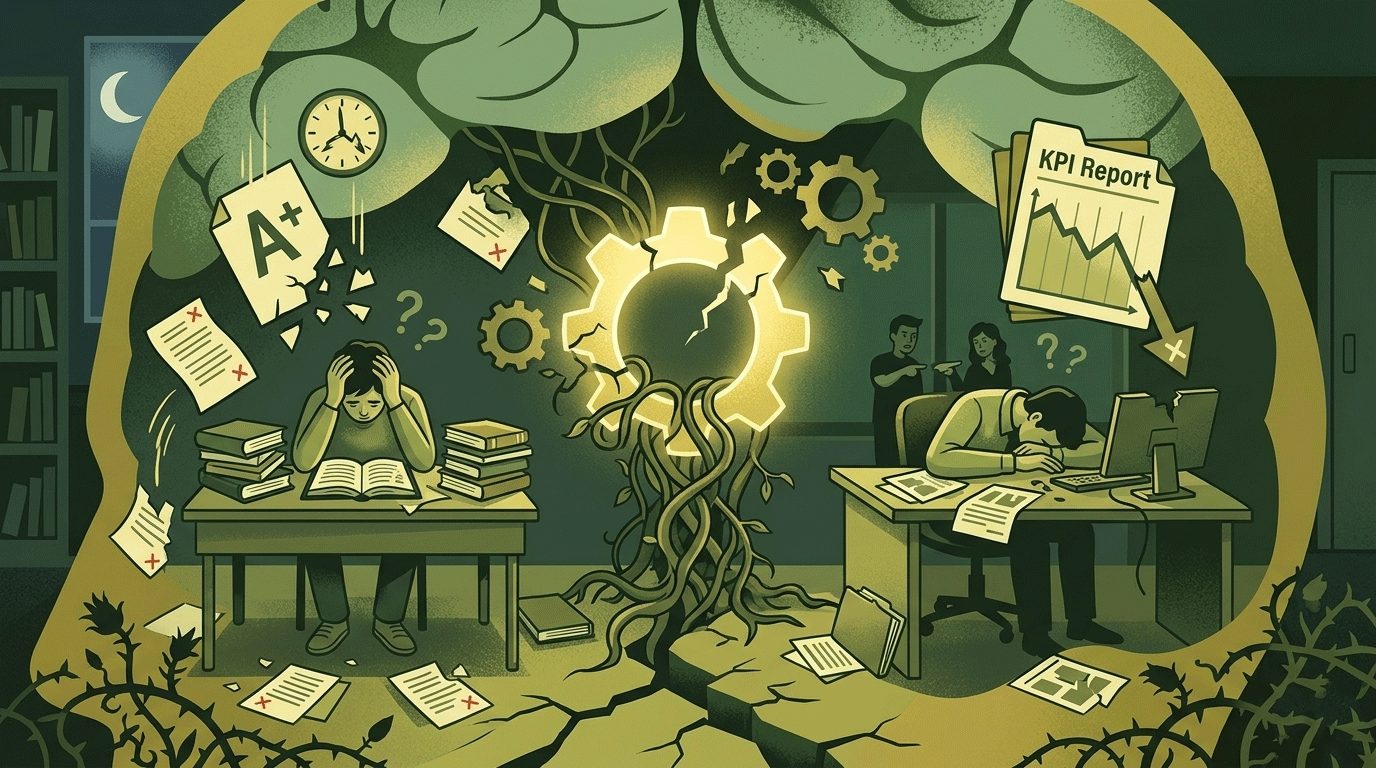
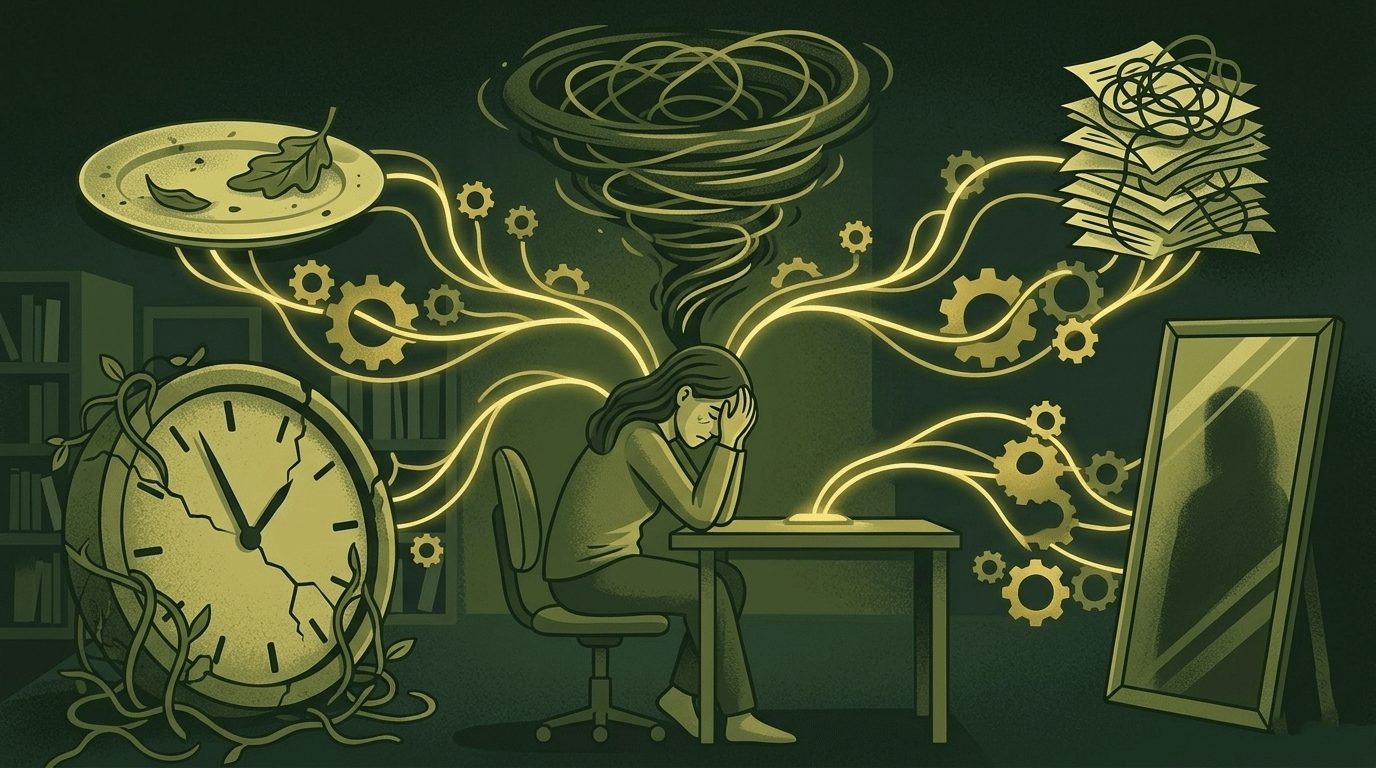
Sign 2: Drop in Work or School Performance
Grades fall. Deadlines get missed. Output drops for no clear reason.
This is one of the more visible early schizophrenia symptoms. And one of the most misread.
Teachers assume laziness. Employers assume attitude. Families assume stress or a bad patch.
But the real cause is in the brain. Schizophrenia affects focus, memory, and the ability to plan. The person is not choosing to fail. They are losing the tools they once had.
Watch for a sharp, sudden drop. A student who was doing well and then stops showing up — with no clear trigger — is not going through a phase. That is worth checking.
Q: Can early schizophrenia look like burnout?
A: Yes. Low drive, poor focus, and falling grades can point to many things. A specialist can tell the difference. The cause matters because the treatment path is not the same.
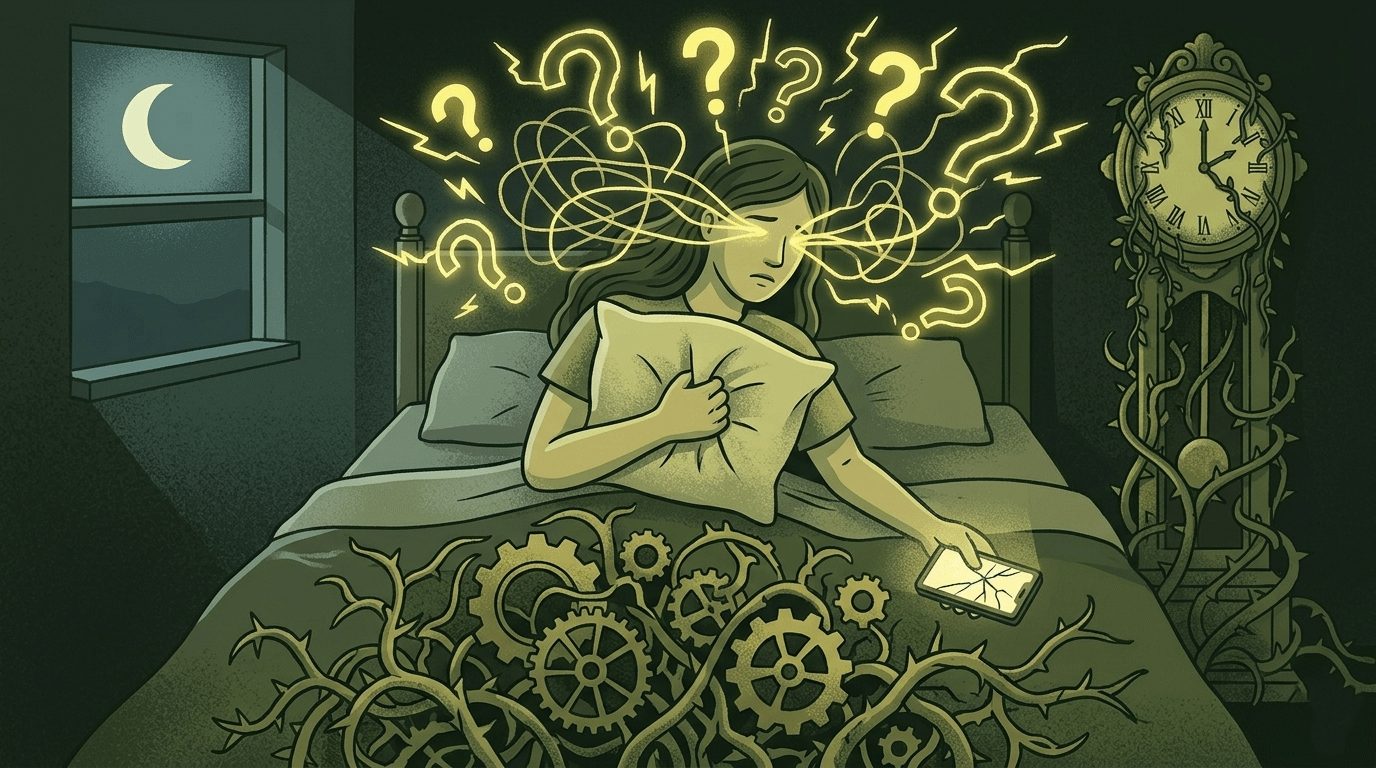
Sign 3: Disrupted Sleep
Sleep often breaks down first. Before other signs become clear.
The person stays up all night. Sleeps through the day. Or cannot sleep at all — lying awake with racing, fragmented thoughts they cannot control.
This is not just bad sleep. It reflects changes in the brain. The sleep-wake cycle breaks down as the condition develops.
Families notice it slowly. The lights are on at 3am. The person does not come down for meals. They sleep until the afternoon and seem groggy even then.
Sleep changes on their own do not mean schizophrenia. But a lasting, unexplained reversal — especially alongside other signs — is worth raising with a doctor.
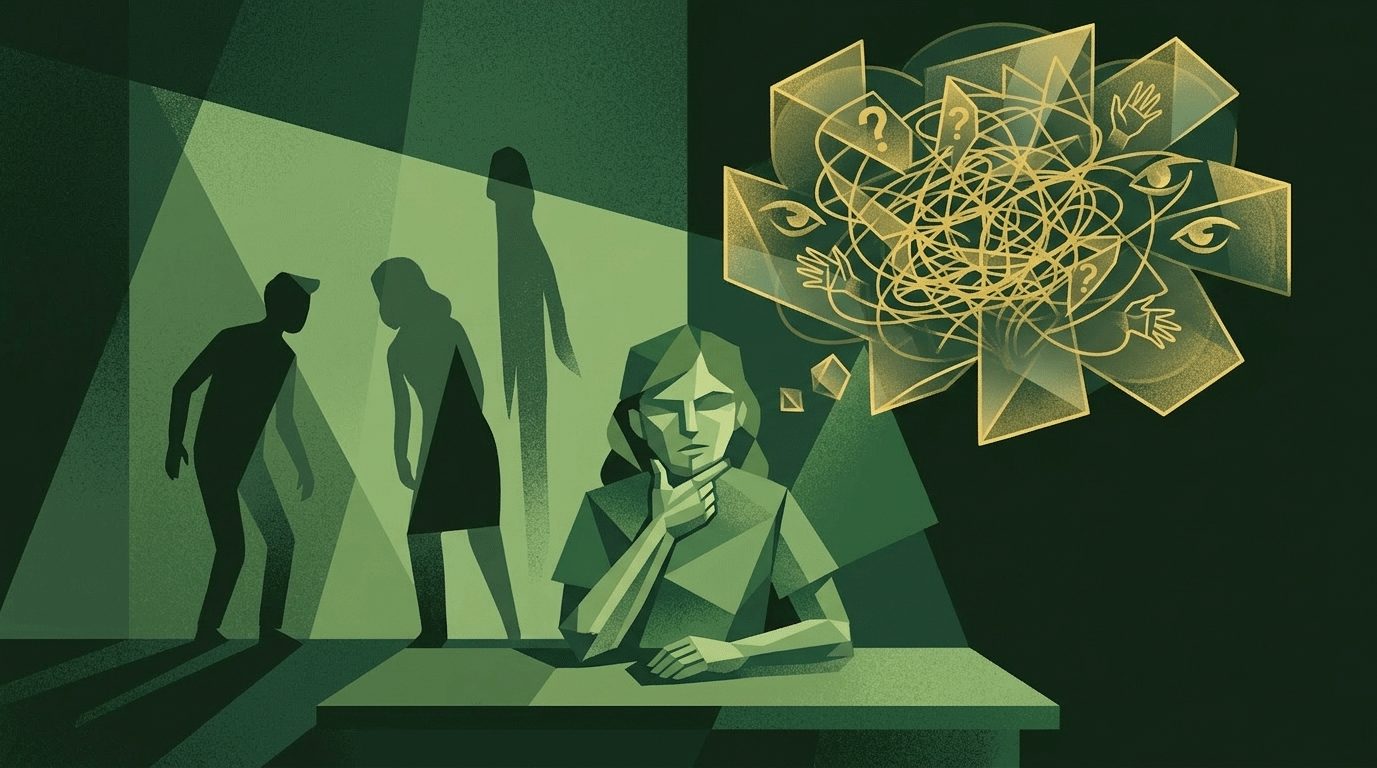
Sign 4: Odd or Suspicious Thoughts
This is where schizophrenia symptoms start to look more distinct.
The person begins to express strange beliefs. They feel strangers are watching them. The TV has messages meant just for them. A loved one has been replaced by someone who only looks like them.
These thoughts are not yet full delusions. But they are early signs. The brain's grip on reality is starting to slip.
The key difference is persistence. These thoughts do not pass. They grow. They become more detailed. More certain. And they start to shape how the person acts.
Q: What is the difference between odd thoughts and a delusion?
A: A delusion is a firm, false belief. It does not budge, even with clear proof. In the early phase, odd thoughts are less fixed. But both need professional review. Do not wait for certainty before seeking help.
Sign 5: Hearing or Seeing Things
Hearing a name when no one called. Seeing shapes at the edge of vision. Feeling a touch with no source.
These are early hallucinations. They begin quietly. Often without drama. And they are often hidden.
Some people think everyone hears what they hear. They assume the voices are normal. Others feel shame. Others are afraid of what it means. Most say nothing at all.
What families can pick up on: the person seems to be listening to something no one else can hear. They pause mid-sentence. Their eyes move in a way that feels off. They react to sounds or movements that are not there.
Q: Do all people with schizophrenia hear voices?
A: No. Hearing voices is common but not certain. Some people mostly show flat mood and withdrawal — with little or no hallucinations. This is why early schizophrenia can be so easy to miss.
Sign 6: Flat or Blunted Emotion
Emotions go quiet.
The person stops laughing. Stops reacting to things that would once have made them happy, sad, or angry. Their face becomes hard to read. Their voice loses range and warmth.
This is called flat affect. It is a "negative symptom" of schizophrenia — a loss of something normal, rather than the gain of something new like hallucinations.
For families, this can be one of the hardest signs to name. There is nothing dramatic happening. The person is still there. They are just somehow less present.
Q: How is flat affect different from depression?
A: In depression, the person typically feels sad and can often express it. Flat affect involves a reduction in all emotional expression — including positive emotions — without the person reporting inner sadness. Both need care. But they are not the same.
Sign 7: Neglect of Self-Care
Showers stop. Clothes do not get changed for days. The room becomes a mess. Basic hygiene starts to slip.
This is another negative symptom of schizophrenia. Not a choice. Not laziness. Not a bad habit.
It reflects a loss of drive — the ability to start and keep up basic tasks. The medical term is avolition. It means the brain is not sending the signals needed to begin even simple things.
Q: What is avolition?
A: It is a core negative symptom of schizophrenia. It refers to a sharp drop in drive — making it hard to start basic tasks like washing, eating, or going outside. It is a symptom rooted in brain changes, not a personal choice.
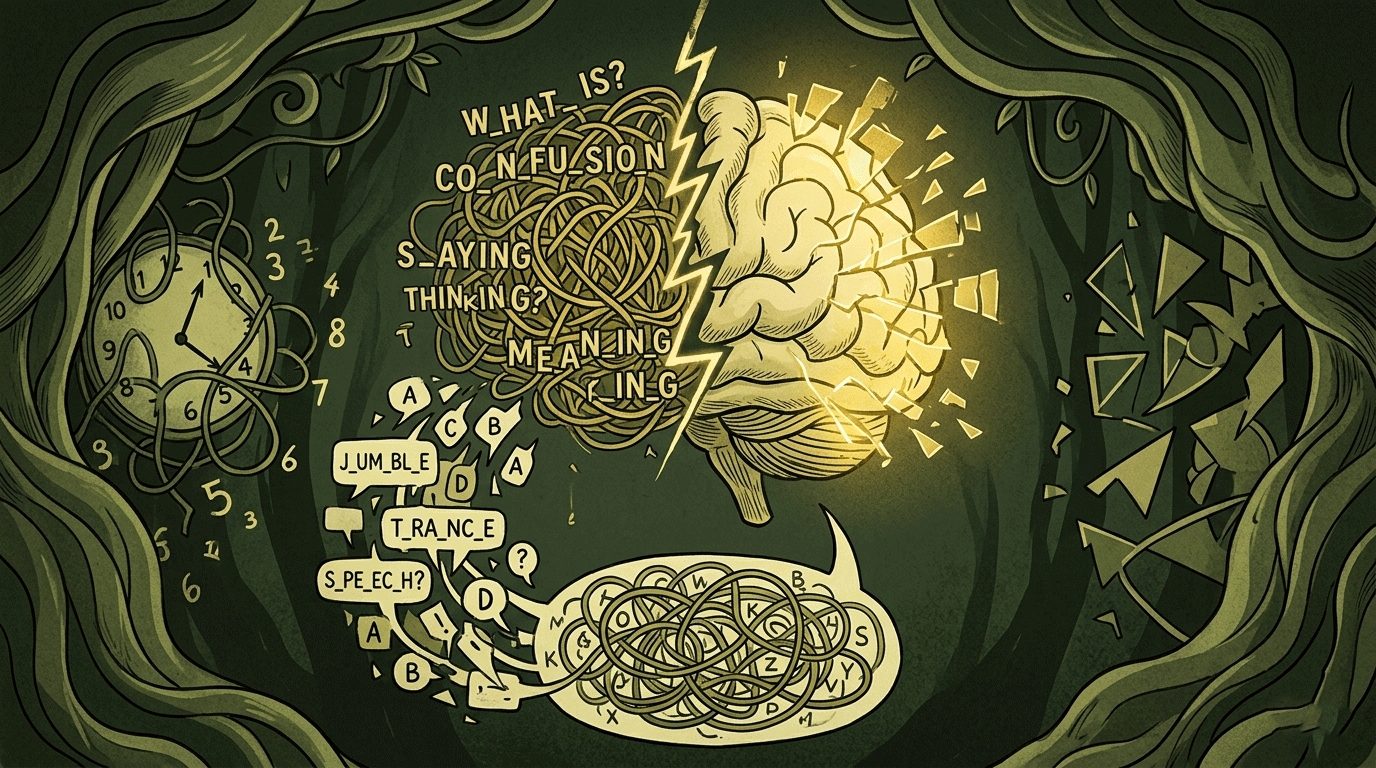
Sign 8: Jumbled Speech and Thinking
Conversations become hard to follow.
The person jumps between topics with no clear link. They use odd words. Sometimes words they have made up. Sentences trail off before they end. Answers do not quite match the question.
This is called disorganised speech. And it reflects disorganised thinking beneath the surface.
Q: Is jumbled speech always a sign of schizophrenia?
A: Not always. Stress, lack of sleep, and other conditions can affect speech. But when disorganised speech is new, persistent, and getting worse — and appears alongside other changes — it warrants a proper assessment.
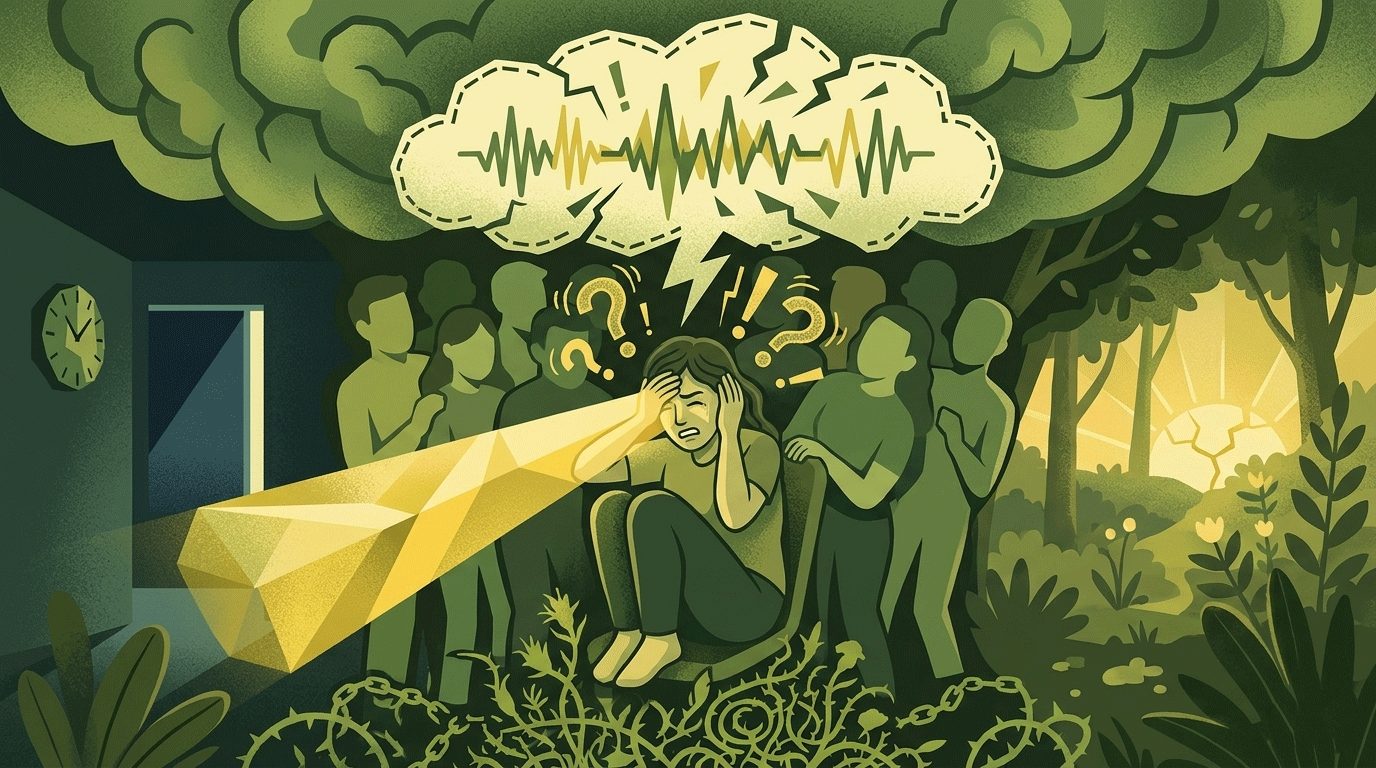
Sign 9: Sensitivity to Light, Sound, or Crowds
Lights feel too bright. Sounds feel too sharp. Crowds feel unbearable, even overwhelming.
Sensory sensitivity is one of the early schizophrenia symptoms that often gets missed. It does not always appear in formal lists. But it is something many people and families report during the early phase.
The senses feel like they are on high alert. What was once normal now feels like too much.
Sign 10: Magical Thinking and Strange Beliefs
The person starts to believe things that do not add up.
They feel they can read minds. Predict events. Change things through thought alone. They may feel that numbers or patterns hold a special meaning just for them.
This is called magical thinking. And unlike a passing idea, it tends to build.
The signal to watch for is change and escalation. Beliefs that are new. That are intensifying. That are starting to shape how the person acts. That they cannot question or step back from.
Q: How is magical thinking different from faith or belief?
A: Long-held, stable beliefs shared within a community are different from new, escalating ideas that disrupt daily life. The concern is when beliefs are recent, growing, and causing clear distress or changes in behaviour.
Sign 11: Rising Anxiety or Unexplained Fear
Anxiety often comes before psychosis.
In the months leading up to a first episode, many people feel a growing sense of dread. No clear cause. Just a constant sense that something is very wrong.
This type of anxiety is often missed because it looks like a standard anxiety disorder. But when anxiety appears alongside other signs — odd beliefs, broken sleep, withdrawal — the bigger picture matters.
Sign 12: Low Mood and Loss of Interest
Not all early schizophrenia is dramatic.
Sometimes it looks quiet. Low mood. No energy. No interest in things that used to matter. Hard to get out of bed. Hard to find a reason to engage with the day.
The warning sign to watch for: low mood that does not lift with standard care. Or low mood that appears alongside even one or two of the other signs covered above.
When Several of These Signs Appear Together
One sign on its own does not mean schizophrenia.
Many of these signs can come from other causes. Stress. Grief. Depression. Burnout. That is why one sign, in isolation, is not enough to draw a conclusion.
But when several appear together — especially in someone aged 16 to 30 — that changes things. Social withdrawal, odd beliefs, broken sleep, and flat mood in combination is not something to wait on.
Here is what to do:
Do not delay. Getting help sooner leads to better outcomes.
Do not argue. Challenging odd beliefs rarely helps. It often makes the person shut down or pull away further.
Seek a specialist. A psychiatrist or structured care programme can assess the full picture.
Write it down. Dates. Exact words. Specific changes. What was different six months ago versus now. This helps the clinician greatly.
Look after yourself too. Supporting someone through this is hard.
Q: Can schizophrenia be treated?
A: Yes. With the right support — medication, therapy, and structured care — many people with schizophrenia live stable, full lives. Starting earlier leads to better long-term results. Recovery is possible and it is real.
How Ganaa Supports People with Schizophrenia
When someone you love is changing in ways you cannot explain — it is natural to feel lost and scared.
Ganaa was founded in 2012 with a clear purpose. To make psychiatric care humane. Evidence-based. Set in spaces that help people heal.
Today, Ganaa runs five residential centres across India.
Ganaa Nature and Ganaa Door of Hope are both in New Delhi. Ganaa Xanadu is in Gurugram, which, along with Ganaa Greater Noida, serves the wider Delhi NCR area. Ganaa Goa is a riverside campus in Velim, South Goa.
Each centre has round-the-clock clinical support. Our team includes psychiatrists, psychologists, and trained care staff — all working together.
If you are seeing these signs and do not know where to start — reaching out to Ganaa is a good first step.
Schizophrenia symptoms do not announce themselves.
They creep in. Through broken sleep. Odd beliefs. Quiet withdrawal. A mood that slowly goes flat. A person who slowly becomes harder to reach.
Each of these 12 signs can be explained away on its own. But together — especially in a young person, especially over months — these signs are a signal to act on.
You do not need a firm diagnosis to reach out. You do not need to be certain. You just need to notice. And care enough to take the next step.
The early window is real. The difference between acting now and waiting can be profound.
Use it.
Frequently Asked Questions
Q: What are the most common early schizophrenia symptoms?
A: The most common early signs are social withdrawal, broken sleep, odd beliefs, flat mood, and a drop in school or work output. These often appear in the prodromal phase — months or years before a full episode develops.
Q: At what age do schizophrenia symptoms first appear?
A: In men, first signs often appear between 18 and 25. In women, between 25 and 35. Some cases begin in the teens. Others start later in adult life.
Q: How is schizophrenia diagnosed?
A: A psychiatrist diagnoses it through clinical assessment and observation over time. There is no single test. The doctor looks at the full pattern — which symptoms are present, how long they have lasted, and how much they affect daily life.
Q: Can someone recover from schizophrenia?
A: Yes. Many people with schizophrenia live stable, full lives with the right support. This includes medication, therapy, and structured care. Starting earlier leads to better long-term results.
Q: What is the difference between positive and negative schizophrenia symptoms?
A: Positive symptoms are things added — like voices, false beliefs, or jumbled speech. Negative symptoms are things lost — like drive, emotion, and social connection. Both need attention and require different approaches to care.
Q: How do I support a loved one with early signs of schizophrenia?
A: Stay calm. Do not argue with odd beliefs. Gently encourage a psychiatric review. Write down what you observe — dates, exact words, specific changes. And get support for yourself. This is hard. You should not carry it alone.
Q: Is residential care needed for schizophrenia?
A: Not always. Mild or early cases may do well with outpatient support. But when symptoms are severe, when safety is a concern, or when close monitoring is needed — residential care offers a level of structure that weekly appointments cannot match.
Bipolar misdiagnosed as depression is common, and the delay runs close to nine years. Learn the clues, why hypomania is missed, and how to get a better review.
Adolescent mental health in India is under-treated. Learn 11 warning signs parents miss, what the data shows, how to start the talk, and when to seek help.
Gaming disorder in teens is a real diagnosis, not a phase. Learn the WHO criteria, how common it is, the signs parents miss, and what actually works at home.